
How Long Does It Take to Heal Leaky Gut? Timeline, Signs, and Proven Strategies

Patients ask me this question almost every single day in my clinic. “Dr. Thorne, how long does it take to heal leaky gut?” It is a frustrating condition. You feel tired, bloated, and simply unwell. You want answers. Most importantly, you want relief right now.
However, real healing requires serious patience. You cannot fix years of intestinal damage overnight. Your gut lining needs proper time to regenerate. Furthermore, every patient has a completely different recovery timeline.
Recently, I worked with a patient named Sarah. She struggled with severe food sensitivities and brain fog. She wanted a quick two-week cure. Therefore, we had to reset her expectations. We built a realistic, science-based protocol instead.
We focused on calming her inflammation first. Then, we repaired her intestinal permeability. Can your gut heal itself? Yes, absolutely. But it needs the right environment. Let us explore the exact timeline, the early signs of recovery, and the medical science behind true gut repair.
What Is Leaky Gut and What Causes It?
First of all, we need to understand the mechanics. “Leaky gut” is medically known as increased intestinal permeability. Your intestinal lining acts like a highly intelligent security gate. It lets nutrients pass into your bloodstream. Simultaneously, it blocks harmful toxins and bacteria.
When you have a leaky bowel, this gate breaks down. The tight junctions in your intestinal walls loosen up. Consequently, undigested food particles and pathogens escape into your bloodstream. This triggers a massive systemic immune response.
According to research from the National Institutes of Health (NIH), several factors trigger this damage. Chronic inflammation is usually the primary culprit. Also, bad dietary choices play a huge role. Eating too much refined sugar feeds bad bacteria.
Furthermore, chronic stress severely impacts your digestion. Stress hormones directly weaken your intestinal barriers. Likewise, frequent use of NSAID pain relievers damages the stomach lining. Knowing your specific leaky bowel cause and cure is essential for starting your recovery journey.
How Long Does It Take to Heal Leaky Gut?
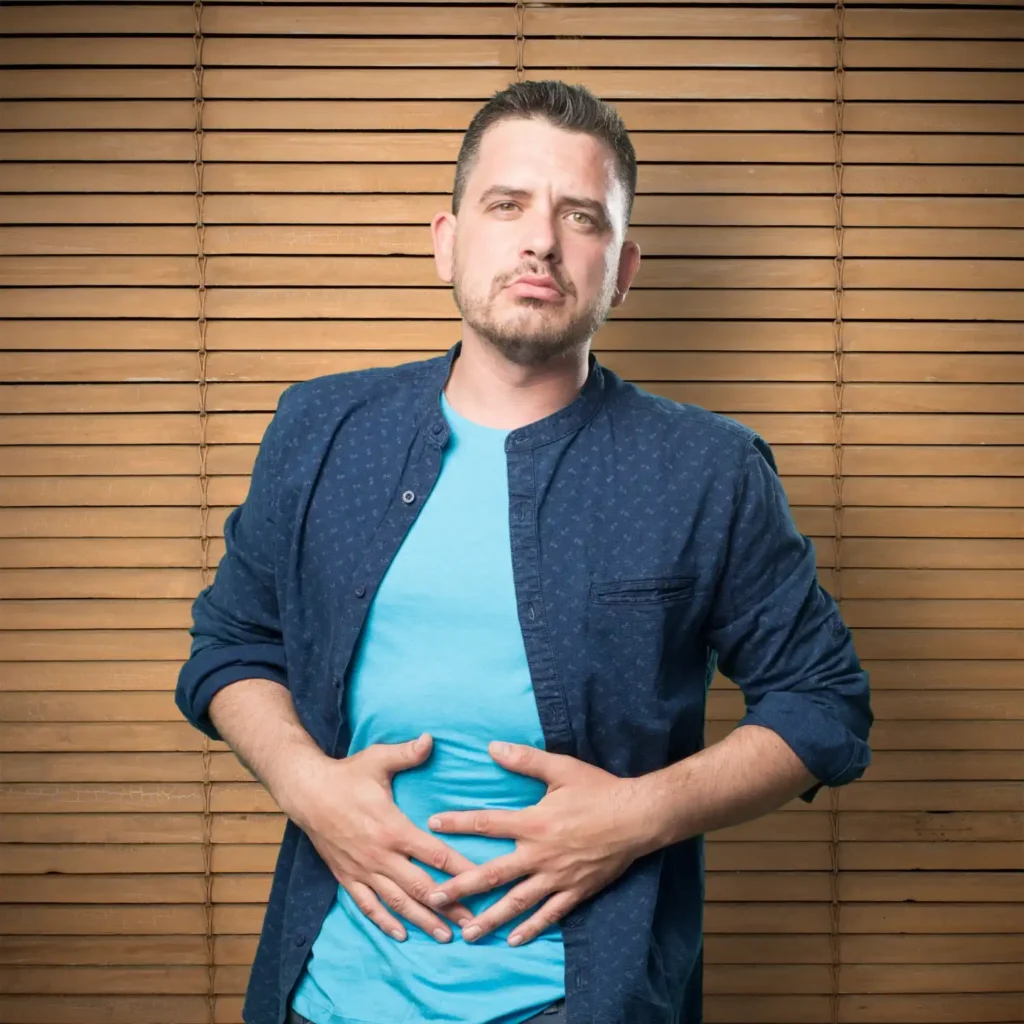
So, exactly how many months does it take to heal a leaky gut? There is no single universal answer. The duration depends entirely on your starting severity. Age, genetics, and daily habits also heavily influence the timeline.
Based on clinical data and my own practice, we categorize recovery into three phases. First, mild cases generally resolve in 4 to 8 weeks. These patients usually just need minor dietary tweaks. They quickly remove the offending irritants.
Moderate cases take much longer. If you have lingering symptoms, expect a 2 to 3-month journey. During this time, you must strictly follow an anti-inflammatory diet. You also need specific supplements to rebuild the mucosal lining.
Severe cases require intense dedication. If you have autoimmune issues, healing takes 6 months or more. Sometimes, it takes a full year to achieve complete gut repair. Therefore, you must track your daily progress. A symptom journal is a highly effective tool for this.
Realistic Recovery Timeline:
- Mild Damage: 4–8 weeks (Basic diet changes)
- Moderate Damage: 2–3 months (Diet + targeted supplements)
- Severe Damage: 6+ months (Comprehensive clinical protocol)
How Long Does It Take to Heal Leaky Gut Naturally?
Many patients prefer avoiding heavy medications. They ask, “how long does it take to heal leaky gut naturally?” Natural healing follows a similar timeline to clinical protocols. However, it requires intense lifestyle discipline.
Can your intestine heal itself naturally? Yes, your cellular turnover in the gut is actually quite fast. The cells lining your intestines replace themselves every few days. But, they cannot heal if you keep damaging them daily.
Natural recovery starts with aggressive diet changes. You must eliminate all inflammatory foods immediately. Specifically, cut out gluten, dairy, and artificial additives. Replace them with nutrient-dense, whole foods.
Inflammation reduction is your top priority. Therefore, you must prioritize sleep and stress management. Meditation and yoga significantly lower cortisol levels. As a result, your body shifts from a “fight or flight” state into a “rest and digest” state.
Signs Your Leaky Gut Is Healing
Waiting for results is difficult. Thus, knowing the signs leaky gut is healing keeps you motivated. You will not wake up suddenly cured. Instead, you will notice gradual, subtle improvements in your daily life.
How do you know if a leaky gut is healing? Improved digestion is usually the very first sign. You will experience significantly reduced bloating after meals. Your stomach will finally feel flat and calm.
Next, you will notice stable, regular bowel movements. The urgency and unpredictability will fade away. Furthermore, your systemic symptoms will start to vanish.
My patient Sarah noticed her brain fog lifting by week six. She had more morning energy. Also, her skin cleared up dramatically. Joint pain often decreases during this phase. These are all vital indicators that your intestinal barrier is successfully closing.
Steps to Healing Intestinal Permeability
Taking a science-based approach is crucial. You need a structured protocol to achieve complete gut repair. Randomly taking probiotics will not fix the root problem. We use a clinical framework called the “4R Program.”
Remove Irritants: First, you must stop the active damage. Remove processed foods, alcohol, and known allergens. Also, address any underlying gut infections. You cannot build a new house on a burning foundation.
Repair the Lining: Next, provide the raw materials for cellular repair. Your body needs specific nutrients to rebuild tight junctions. We will discuss these powerful supplements in the next section.
Restore the Microbiome: Finally, you must reintroduce good bacteria. Eat plenty of fermented foods. Also, consume prebiotic fibers to feed these beneficial microbes. This creates a resilient, long-lasting gut environment.
Can Your Gut Repair Itself on Its Own?
Sometimes people ask, can the stomach heal itself without intervention? The human body has an incredible self-healing capacity. If you get a papercut, it heals automatically. Your internal organs operate similarly.
However, your gut cannot heal if it is constantly under attack. Imagine rubbing sandpaper on that paper cut every single day. It will never close. This is exactly what happens when you eat an inflammatory diet.
Your lifestyle choices dictate your healing capacity. If you fast occasionally, you give your digestion a much-needed break. Consequently, your body redirects energy toward cellular repair.
Therefore, while the gut can heal itself, it absolutely requires your active cooperation. You must actively remove the daily obstacles to healing.
Supplement Timelines for Gut Health
Supplements accelerate the repair process. But how long does it take collagen to heal leaky gut? Collagen provides essential amino acids for tissue repair. Usually, patients notice skin and joint benefits in 4 weeks. Gut lining improvements take about 8 to 12 weeks.
L-Glutamine is another powerhouse nutrient. How long does it take to heal leaky gut with L-glutamine? This amino acid is the primary fuel for your intestinal cells. Clinical studies show it physically tightens intestinal junctions.
Most of my patients start feeling better within 30 days of daily L-glutamine use. However, you must take the correct clinical dosage. A tiny pill is rarely enough. I usually recommend a high-quality powder form for better absorption.
Always remember that leaky gut supplements are just tools. They do not replace a healthy diet. Probiotics, zinc carnosine, and omega-3 fatty acids also provide excellent structural support.
Foods to Avoid During Recovery
Diet is your daily medicine. If you want fast results, you must avoid specific triggers. What are 7 foods to avoid for a leaky gut? You must be strict about this list during your recovery phase.
- Refined Sugars: They aggressively feed bad gut bacteria and yeast.
- Processed Meats: They contain chemical preservatives that damage gut tissue.
- Gluten: It triggers the release of zonulin, a protein that breaks apart tight junctions.
- Conventional Dairy: Casein and lactose are highly inflammatory for damaged guts.
- Industrial Seed Oils: Canola and soybean oil drive massive systemic inflammation.
- Alcohol: It is a direct toxin to the fragile mucosal lining.
- Artificial Sweeteners: They disrupt your delicate microbiome balance.
Replacing these with bone broth, cooked vegetables, and clean proteins speeds up your timeline significantly.
Can You Heal Leaky Gut in 2 Weeks?
The internet is full of wild promises. You will see ads claiming to “heal leaky gut in 2 weeks.” I often see patients who read a “heal leaky gut in 2 weeks Reddit” thread and expect a miracle.
Let me be perfectly clear. This is a complete myth. You can certainly reduce your severe symptoms in 14 days. You can banish bloating by changing your diet quickly.
However, true cellular repair takes much longer. How to heal leaky gut fast? The fastest way is actually the most patient way. Skipping steps only leads to frustrating relapses.
Set realistic expectations from day one. Celebrate the small victories in those first two weeks. But mentally prepare for a steady, multi-month marathon.
How Long Does Gut Inflammation Take to Heal?

Inflammation is the fire burning inside your digestive tract. How long does it take to heal gut inflammation specifically? Quenching this fire is the first mandatory step of recovery.
Acute inflammation can drop within a few days of fasting or strict dieting. You will feel this as a rapid decrease in stomach pain. However, chronic, deep-tissue inflammation takes much longer to resolve.
Your immune system needs time to stand down. It has been on high alert for years. Usually, it takes 3 to 6 months of consistent healthy habits to normalize your immune markers.
Blood tests like C-reactive protein (CRP) can track this progress. As inflammation drops, your tissue finally begins to regenerate properly.
Frequently Asked Questions
How long does it take to heal a leaky gut?
The timeline varies wildly based on severity. Mild cases take 4 to 8 weeks. Moderate cases need 2 to 3 months. Severe, chronic cases often require 6 to 12 months of dedicated effort.
Can leaky gut be cured permanently?
Yes, it can be fully resolved. However, “permanent” relies on your future choices. If you return to an inflammatory diet and high-stress lifestyle, the intestinal permeability will eventually return.
How do you heal a leaky gut?
You must adopt a comprehensive approach. Remove inflammatory foods and toxins first. Then, use targeted supplements like L-Glutamine to repair the lining. Finally, rebuild your microbiome with probiotics.
What are early signs of healing?
The earliest signs are usually digestive. You will experience less bloating and gas. Your bowel movements will become solid and predictable. Later, you will notice improved energy and clearer skin.
Can the gut repair itself naturally?
Absolutely. Your intestinal lining regenerates cells constantly. If you remove dietary irritants and manage your daily stress, your body will naturally close the damaged tight junctions over time.
Conclusion
Understanding how long it takes to heal leaky gut is about managing your expectations. As a physician, I see patients succeed when they commit to the process. There are no magic pills or overnight cures.
Healing requires removing bad foods, managing your stress, and using science-backed supplements. Track your symptoms carefully. Celebrate the small signs of recovery, like better energy and less bloating.
Stay consistent with your healthy choices. Your digestive system has an amazing capacity to repair itself. Give your body the time, nutrients, and patience it truly deserves.
Authoritative References
- Internal and Emergency Medicine—Gut microbiota, intestinal permeability, and systemic inflammation: a narrative review
- Clinical and Experimental Medicine—Intestinal permeability disturbances: causes, diseases and therapy
- International Journal of Molecular Sciences—The Roles of Glutamine in the Intestine and Its Implication in Intestinal Diseases
- American Journal of Physiology-Gastrointestinal and Liver Physiology—Effects of dietary components on intestinal permeability in health and disease
- Frontiers in Nutrition—The Influence of Nutrition on Intestinal Permeability and the Microbiome in Health and Disease
Related Posts




MORE from Author
Read More As a physician specializing in exercise science and public health, I regularly consult patients who feel completely lost in the…
 Just last week, a 34-year-old patient named Clara sat in my clinic, feeling entirely overwhelmed by the modern fitness industry.…


 Hello, I am Dr. Kenji Sato, MD, specializing in sports medicine and performance optimization. In my sports clinic, I constantly…
- In my clinical practice as a physician focused on exercise science, I often tell patients that mastering fitness bench workouts…