
How to Test for Leaky Gut at Home: Accurate Methods, Labs, and Symptoms to Watch

Patients frequently visit my clinic feeling completely exhausted and overwhelmed. They struggle with constant bloating, severe brain fog, and unpredictable digestion. Naturally, they want quick answers. Most commonly, they ask me how to test for leaky gut at home. They want to avoid expensive doctor visits and find immediate relief.
However, self-diagnosis requires immense caution. You cannot simply buy a magic test strip online. Instead, proper evaluation requires a combination of symptom tracking and specific clinical tests. Just last month, I worked with a patient named Mark.
He spent hundreds of dollars on unverified online kits. Unfortunately, those kits provided confusing, inaccurate results.
We had to start over. I taught him the correct clinical approach. Therefore, we used a structured elimination diet alongside validated lab markers. Can a leaky gut test be performed without a doctor’s visit? Yes, you can start the process at home.
What Is Leaky Gut and How Is It Diagnosed?
First of all, you need to understand the basic mechanics. “Leaky gut” is medically known as increased intestinal permeability. Your intestinal lining acts like an intelligent, highly selective security gate. It selectively allows broken-down nutrients to pass safely into your bloodstream.
Simultaneously, this barrier blocks harmful toxins and bad bacteria. Tiny gaps called “tight junctions” control this entire process. When you develop intestinal permeability, these tight junctions break apart and widen. Consequently, undigested food particles and dangerous pathogens escape directly into your bloodstream.
This escape triggers a massive, systemic immune response. So, how is leaky gut diagnosed in a clinical setting? Doctors do not rely on just one single metric. Instead, we look at a comprehensive clinical picture. We utilize targeted gut permeability testing alongside deep symptom analysis.
What Causes Leaky Gut?
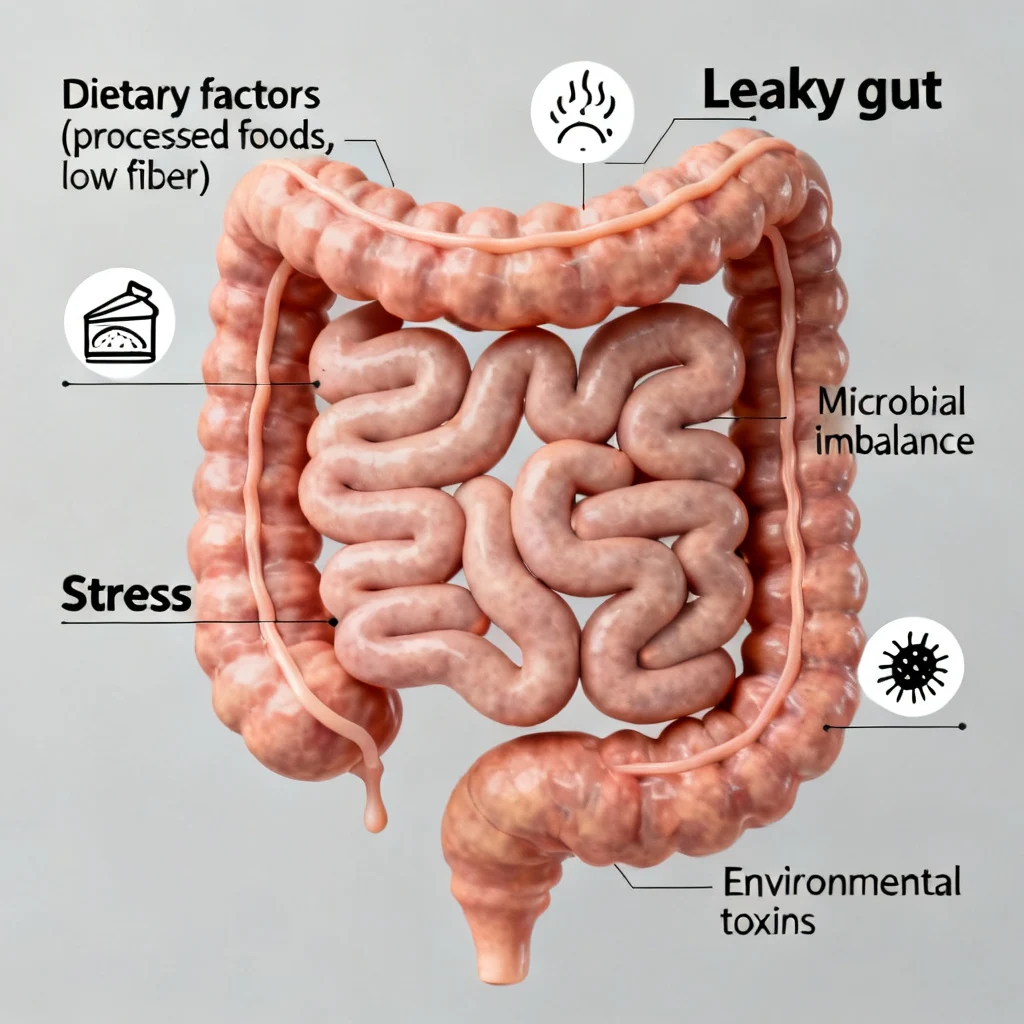
You cannot properly test for a condition if you ignore its root causes. What causes leaky gut in modern patients? In my daily clinical experience, it is almost always a combination of harsh lifestyle factors.
First, a highly processed diet is the biggest trigger. Eating excessive refined sugars aggressively feeds bad gut bacteria. Similarly, industrial seed oils cause direct mucosal inflammation. Furthermore, chronic emotional stress severely impacts your digestion. High cortisol levels physically weaken your intestinal barriers over time.
Additionally, frequent infections disrupt your delicate gut flora. Medications also play a massive role in this damage. Overusing non-steroidal anti-inflammatory drugs (NSAIDs) heavily damages your stomach lining. Likewise, repeated courses of broad-spectrum antibiotics wipe out the beneficial bacteria protecting your intestinal walls.
How Do You Know If You Have Leaky Gut?
Recognizing your physical baseline is the very first step in testing. Before ordering expensive lab kits, you must observe your body. How do you know if you have leaky gut? The symptoms often extend far beyond simple stomach pain.
First, leaky gut symptoms usually start locally in the digestive tract. What are the first symptoms of a leaky gut? You will likely experience severe, chronic bloating shortly after meals. Excessive gas, painful stomach cramps, and highly unpredictable bowel habits dominate your daily life. Food simply feels heavy and stagnant in your stomach.
Interestingly, these symptoms often become systemic. “Systemic” means they affect your entire body. Brain fog is an incredibly common neurological symptom. Patients constantly struggle to concentrate on basic tasks. They experience extreme, debilitating afternoon fatigue.
At-Home Methods to Test for Leaky Gut
Many patients ask, “Should you test your gut at home?” You absolutely can begin the diagnostic process in your own kitchen. While you cannot conduct complex biochemistry at home, you can gather crucial clinical data. Here is exactly how to test for leaky gut at home using proven, physician-approved methods.
The 30-Day Elimination Diet
The most powerful at-home test is a structured elimination diet. This method directly identifies how your immune system reacts to specific food proteins. You completely remove all highly inflammatory foods for thirty days. This strict resting period gives your intestinal barrier time to calm down and close.
First, remove all gluten, dairy, soy, corn, and artificial sweeteners. You must also eliminate alcohol and processed meats entirely. Eat only whole, single-ingredient foods. Focus heavily on organic cooked vegetables, clean proteins, and healthy fats. Cooked foods are much easier to digest than raw foods during this phase.
After thirty strict days, you begin the “challenge phase.” You reintroduce one eliminated food group every three days.
Structured Symptom Tracking
Memory is highly unreliable when dealing with chronic pain. Therefore, you must write everything down. A daily symptom diary acts as your most accurate at-home testing tool. Track your metrics specifically and objectively every single day.
Daily Symptom Diary Template:
- Morning Energy: (Scale 1-10)
- Bowel Movements: (Use the Bristol Stool Scale)
- Post-Meal Bloating: (Note the specific time and severity)
- Mental Clarity: (Note any afternoon brain fog crashes.)
- Skin Reactions: (Note any new redness or itching.)
At-Home Stool Testing Kits
Recently, several companies have introduced direct-to-consumer home stool kits. You collect a small sample at home and mail it to their laboratory. These tests map your microbiome and look for hidden parasite infections.
While these kits provide helpful clues, they have medical limitations. They show you the balance of good versus bad bacteria. However, they do not perfectly diagnose physical permeability. Use them as a helpful guide, but never treat them as a definitive medical diagnosis.
Medical Lab Tests for Gut Permeability
When home methods do not provide enough clarity, we move to clinical science. Professional gut permeability testing offers objective, undeniable data. If you want a definitive answer, you need a proper gut lab test. We use three primary clinical tools to evaluate your barrier function.
The Lactulose-Mannitol Test
This is the absolute gold standard gut barrier test in functional medicine. It directly measures the physical gaps in your intestinal lining. First, you drink a specialized solution containing two different non-metabolized sugars: lactulose and mannitol.
Mannitol is a very small sugar molecule. A healthy gut absorbs it easily. Conversely, lactulose is a very large sugar molecule. A healthy, tight intestinal barrier blocks lactulose completely. After drinking the solution, you collect your urine for the next six hours.
The Zonulin Stool Test
Zonulin is a specialized protein produced inside your intestinal cells. It acts as the “traffic cop” that opens and closes your tight junctions. When your body detects a threat like gluten or harmful bacteria, it releases excessive zonulin.
Consequently, high zonulin levels force the tight junctions to remain stuck open. A professional zonulin stool test directly measures this protein’s concentration. If your zonulin levels are elevated, you have active, ongoing intestinal permeability. This test is highly accurate for identifying autoimmune-related gut issues.
Comprehensive Blood Antibody Panels
Finally, we can test your blood for specific immune reactions. When food particles leak into your bloodstream, your immune system creates targeted antibodies against them. We can test your blood for IgG and IgA antibodies against common foods.
Furthermore, we can test for antibodies against lipopolysaccharides (LPS). LPS are dangerous toxins found on the outer walls of bad bacteria. Finding LPS antibodies in your blood absolutely confirms that bacteria are escaping your intestines and entering your systemic circulation.
Lactulose Labs: What to Monitor
If your doctor orders a lactulose-mannitol test, you must understand the results. What exactly do lactulose lab monitors look for? The laboratory calculates a highly specific ratio between the two sugars.
We look closely at the urinary excretion ratios. A healthy patient shows high mannitol. and extremely low lactulose in their urine. However, if your lactulose absorption values are high, it indicates severe paracellular permeability.
Conversely, if your mannitol levels are abnormally low, it indicates malabsorption. Your damaged villi cannot even absorb the good, small nutrients. Understanding this specific lactulose lab ratio tells us exactly how to design your clinical treatment protocol.
Gut Inflammation Tests Explained
Permeability always causes massive inflammation. Therefore, a proper gut inflammation test helps confirm your diagnosis. We use several targeted markers to measure the exact heat of the fire burning inside your digestive tract.
First, we test for fecal calprotectin. White blood cells release this specific protein when attacking inflammation in the intestines. High calprotectin levels strongly indicate severe tissue damage. We use this marker to differentiate between irritable bowel syndrome (IBS) and inflammatory bowel disease (IBD).
Second, we check your blood for C-reactive protein (CRP). Your liver produces CRP in response to systemic inflammation. While not specific to the gut, highly elevated CRP combined with digestive symptoms strongly points to a leaky intestinal barrier.
Are Home Leaky Gut Tests Accurate?
Patients frequently ask me about the reliability of direct-to-consumer kits. Can a leaky gut test be performed without a doctor’s visit? The answer requires nuance and careful medical context.
Home microbiome kits offer excellent insights into your bacterial diversity. They easily identify overgrowths of bad bacteria or yeast. However, they cannot definitively diagnose physical permeability. They measure the environment, not the physical structural damage.
Furthermore, home food sensitivity tests (IgG tests) are notoriously unreliable. They often show a reaction to whatever you ate yesterday. Therefore, use home tests to gather clues. But rely on a trained medical professional to interpret those clues and order definitive, clinical-grade lactulose testing.
Is Leaky Gut Dangerous?
Many people dismiss digestive issues as a normal part of aging. I must emphasize that this is completely false. Is leaky gut dangerous? Yes, if left untreated, it poses severe long-term health risks.
Chronic intestinal permeability keeps your immune system locked in a permanent state of high alert. This constant inflammation rapidly damages healthy tissues throughout your body. Consequently, it significantly increases your risk for severe chronic diseases.
Medical research strongly links untreated leaky gut to autoimmune development. Conditions like Hashimoto’s thyroiditis, rheumatoid arthritis, and multiple sclerosis share a clear connection with gut barrier failure. Protecting your intestinal wall is essentially protecting your entire immune system.
What Foods Should You Avoid With Leaky Gut?
Dietary modification is your most powerful medicine. If you want accurate test results and fast healing, you must avoid specific triggers. What are 7 foods to avoid for a leaky gut? You must be ruthlessly strict about this specific list.
- Refined Sugars: These aggressively feed bad gut bacteria and promote yeast overgrowth.
- Processed Meats: They contain harsh chemical preservatives that directly damage fragile gut tissue.
- Gluten: This protein actively triggers the release of zonulin, breaking apart tight junctions.
- Conventional Dairy: Casein and lactose are highly inflammatory for severely damaged intestinal linings.
- Industrial Seed Oils: Canola, soybean, and corn oil drive massive systemic inflammation.
- Alcohol: This acts as a direct, aggressive toxin to your delicate mucosal lining.
- Artificial Sweeteners: These completely disrupt your delicate, essential microbiome balance.
A proper leaky gut diet replaces these toxins with healing bone broth, cooked vegetables, and clean, easily digestible proteins.
Can You Cure Leaky Gut at Home?
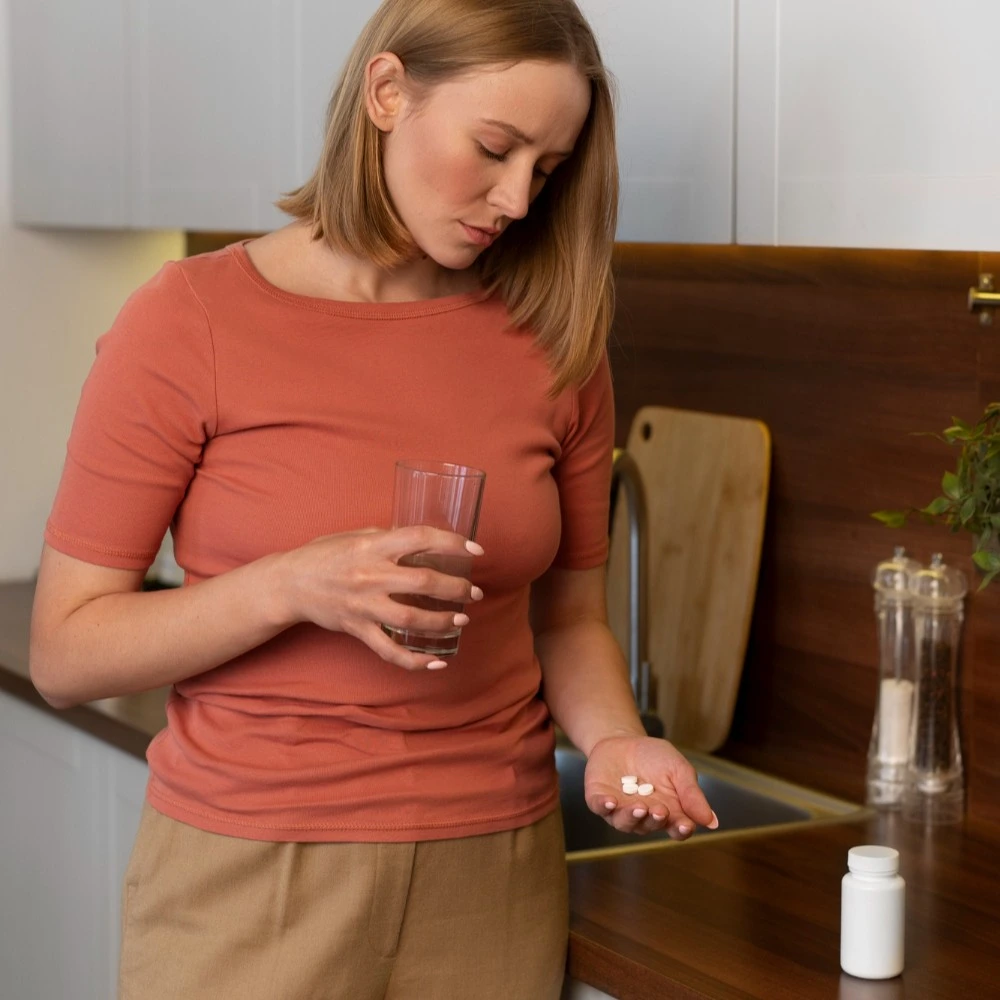
The internet is absolutely flooded with wild, impossible promises. You will see flashy ads claiming to “heal leaky gut in 2 weeks.” I often see patients attempt a “7-day gut reset” and expect a complete medical miracle.
Let me be perfectly clear about this. You cannot permanently cure deep cellular damage in fourteen days. What is the fastest way to heal a leaky gut? The fastest way is actually the most patient, disciplined way. Skipping vital steps only leads to frustrating, painful relapses.
How to cure leaky gut at home safely requires realistic expectations. In two weeks, you will certainly reduce your bloating. However, true cellular regeneration takes time. Mild cases need 4 to 8 weeks. Severe cases require 3 to 6 months of absolute dietary discipline to permanently seal the barrier.
Frequently Asked Questions
How do I test for leaky gut syndrome?
You start by tracking your symptoms and using a 30-day strict elimination diet at home. For definitive medical proof, you must ask your doctor for a Lactulose-Mannitol urine test or a comprehensive Zonulin stool test.
Can you test for leaky gut without a doctor?
You can use home elimination diets and direct-to-consumer microbiome stool kits to gather excellent clues. However, diagnosing actual physical permeability requires specific, prescription-only clinical lab tests ordered by a physician.
How accurate are gut permeability tests?
Clinical tests like the Lactulose-Mannitol test are highly accurate and considered the medical gold standard. Conversely, over-the-counter food sensitivity tests are frequently inaccurate and often misguide patients.
What are the first symptoms of leaky gut?
The earliest warning signs appear in the digestive tract. You will typically experience chronic bloating, excessive gas, stomach cramps, and highly unpredictable bowel habits shortly after eating regular meals.
Should you test your gut at home?
Yes, you should definitely start at home by utilizing a detailed symptom diary and an elimination diet. This free, safe data helps your doctor choose the correct, targeted medical tests later on.
Conclusion
Understanding how to test for leaky gut at home empowers you to take control of your health. As a physician, I want you to be highly proactive. Start by tracking your symptoms meticulously. Try a strict elimination diet to identify your personal food triggers.
However, remember the limitations of DIY medicine. Do not waste your money on unverified internet test kits. If your symptoms persist, seek professional medical guidance. Ask for validated clinical markers like the lactulose-mannitol test. Protect your intestinal barrier fiercely.
Authoritative References
- National Institutes of Health (PMC)—Leaky Gut Syndrome: Myths and Management
- Annals of the New York Academy of Sciences—Intestinal Permeability and its Regulation by Zonulin: Diagnostic and Therapeutic Implications
- Frontiers in Immunology—Serum zonulin as a marker of intestinal mucosal barrier function: May not be what it seems
- PLOS ONE—Assessment of the Effect of Intestinal Permeability Probes (Lactulose And Mannitol) and Other Liquids on Digesta Residence Times
- The FASEB Journal—Interpretation of the lactulose:mannitol test for perturbations in intestinal permeability
Related Posts





MORE from Author
Read More As a physician specializing in exercise science and public health, I regularly consult patients who feel completely lost in the…
 Just last week, a 34-year-old patient named Clara sat in my clinic, feeling entirely overwhelmed by the modern fitness industry.…


 Hello, I am Dr. Kenji Sato, MD, specializing in sports medicine and performance optimization. In my sports clinic, I constantly…
- In my clinical practice as a physician focused on exercise science, I often tell patients that mastering fitness bench workouts…