
Does Fasting Lower Blood Sugar? A Clinical Guide to Glucose Control
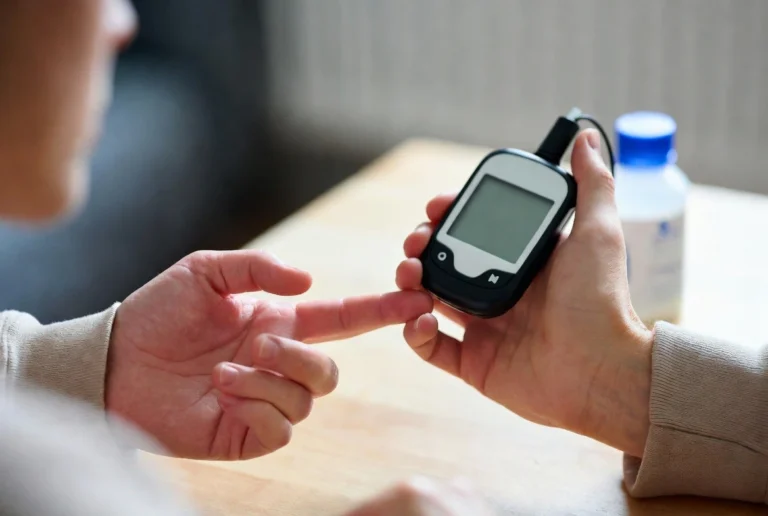
So, you are probably sitting there wondering if skipping a few meals can actually fix your morning glucose readings. It seems like everyone on the internet is talking about “the secret” to metabolic health these days.
Many people ask, does fasting lower blood sugar, and the simple answer is usually yes. However, the real story is much more complex than just not eating for a few hours.
In my clinical work with the experts at Federa, I have seen how fasting changes lives. I have also seen how it can backfire if you don’t understand the science.
Today, we are going to dive deep into how your body handles sugar when you stop eating. We will explore the benefits, the weird morning spikes, and how to stay safe.
What is Blood Sugar Regulation During a Fast?
First of all, we need to understand what happens inside your cells when you stop consuming calories. Your body is a hybrid machine.
It can run on either glucose or fat. When you eat, your body uses the sugar from your food for immediate energy.
Furthermore, any extra sugar gets stored in your liver and muscles as glycogen. When you start a fast, your body must look elsewhere for fuel.
Consequently, your insulin levels begin to drop significantly. This drop is the key to unlocking your fat stores.
How Fasting Affects Blood Sugar Levels
During my time at the clinic, I recently worked with a patient named Sarah. She was struggling with her Type 2 diagnosis.
She was very confused because her fasting glucose levels explained by her previous doctor seemed too high.
Sarah asked me, “Why does my sugar stay high even when I haven’t eaten for twelve hours?” I explained that her liver was simply doing its job too well. While you fast, your liver releases stored sugar to keep your brain fueled.
This process is called glycogenolysis. If you have insulin resistance, your liver might release too much sugar. As a result, your fasting blood sugar vs normal blood sugar gap might seem wider at first. This is quite common in early metabolic repair.
Why Does Blood Sugar Go Down When Fasting?
The most noteworthy reason your sugar drops is the lack of incoming carbohydrates. Because you aren’t eating, your pancreas doesn’t need to pump out massive amounts of insulin. This allows your body to find a new balance.
Reduced Dietary Glucose
When you stop eating, you remove the primary source of blood sugar. Therefore, your levels will naturally begin to drift downward. This usually happens within the first four to eight hours of your fast.
Improved Insulin Sensitivity
Fasting acts like a reset button for your cells. It makes them more “sensitive” to the insulin you already have. Because of this, your body can move sugar out of your bloodstream more efficiently. This is especially relevant for those with prediabetes.
Decreased Hepatic Glucose Output
Over time, your liver becomes more disciplined. It stops dumping excess sugar into your blood when it isn’t needed. While this takes time, it is one of the most effective ways to lower blood sugar naturally.
Why Does Blood Sugar Go UP When Fasting?
It sounds like a total contradiction, doesn’t it? You stop eating, yet your numbers go up. This is probably the most frustrating part for my patients at Federa. We call this the “Dawn Phenomenon.”
The Dawn Effect Explained
Every morning, your body prepares you for the day. It releases a cocktail of hormones like cortisol and growth hormone. These hormones tell your liver to release a bit of sugar for energy.
In a healthy person, insulin handles this easily. However, if your cells are resistant, that sugar just sits in your blood. This is why does blood sugar go up when fasting for so many people in the morning.
Stress and Sleep Factors
Your blood sugar isn’t just about food. It is also about stress. If you are stressed or didn’t sleep well, your cortisol stays high. This causes your sugar to spike even if you are in the middle of a 16-hour fast.
How Much Does Fasting Lower Blood Sugar?
Many people want to know the exact numbers. They ask, how much does fasting lower blood sugar on average? The answer depends on where you start.
If your starting glucose is 150 mg/dL, a short fast might bring it down to 120 mg/dL. In contrast, someone with a starting level of 100 mg/dL might only see a small dip to 90 mg/dL.
Data on Short vs Long Fasts
Short fasts of 12 to 16 hours primarily stabilize your levels. They prevent the “rollercoaster” effect of constant snacking. As a result, your average daily glucose stays much lower.
Extended fasts of 24 hours or more have a much larger impact. They can significantly deplete liver glycogen. This forces the body into deep fat-burning mode. Most noteworthy, this can lead to a substantial drop in HbA1c over several months.
Intermittent Fasting and Blood Sugar Control
There are many ways to fast. You might have heard of 16:8 or OMAD (One Meal A Day). Every method has its own set of benefits for your glucose.
The 16:8 Method
This is the most popular choice for beginners. You fast for 16 hours and eat during an 8-hour window. It is easy to sustain. Also, it fits well into most work schedules.
The OMAD Approach
One Meal A Day is a more aggressive form of intermittent fasting and blood sugar control. It gives your body nearly 23 hours of rest. While it is very effective, it can be difficult for some people to maintain safely.
Which Method is Best?
There is no “perfect” fast for everyone. It seems like the best method is the one you can actually stick to. I always tell my patients to start slow and listen to their bodies.
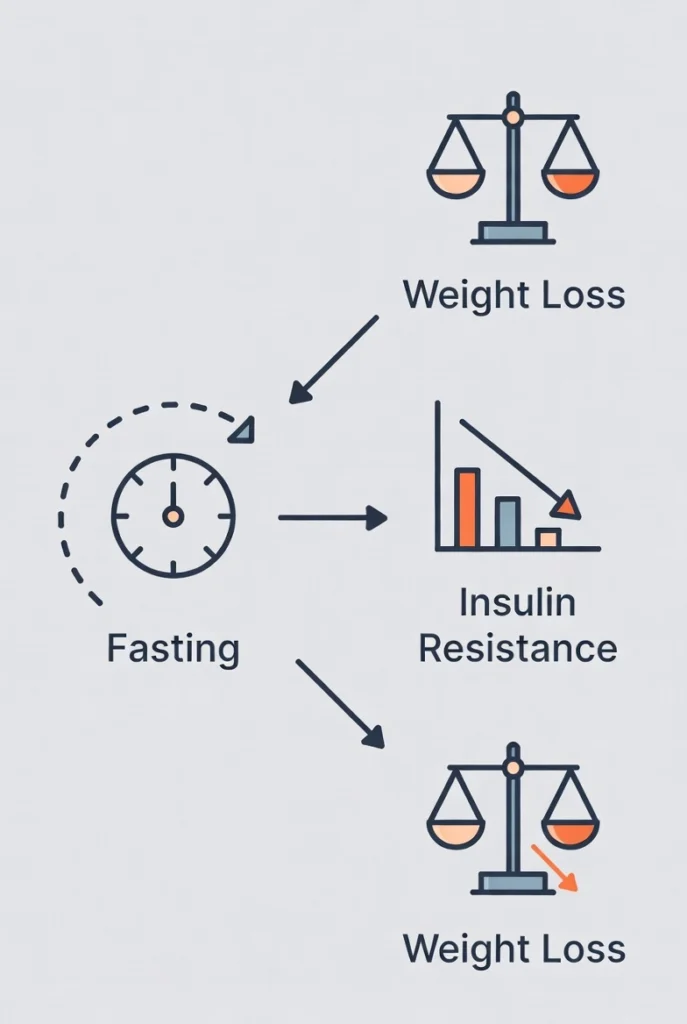
Fasting, Insulin Resistance, and Weight Loss
You cannot talk about blood sugar without talking about weight. Specifically, visceral fat. This is the “bad” fat that lives around your organs. It is a major cause of insulin resistance.
Breaking the Cycle
Fasting helps you lose weight, especially in the midsection. As that fat disappears, your insulin resistance improves. Therefore, your fasting sugar levels will start to look more “normal” over time.
Why Weight Loss Matters
When you lose weight, your body requires less insulin. This takes the pressure off your pancreas. Consequently, your fasting blood sugar for weight loss goals become much easier to reach.
Fasting for Prediabetes and Type 2 Diabetes
This is where we need to be very careful. If you have Type 2 diabetes, fasting can be a powerful tool. However, it can also be dangerous if you are on certain medications.
The Power of Early Intervention
If you have prediabetes, fasting is almost like a “magic pill.” It can stop the progression to full-blown diabetes. Most noteworthy, it can even reverse the condition entirely if combined with a healthy diet.
Working With Your Doctor
If you are on insulin or sulfonylureas, you must talk to your doctor first. Fasting could cause your sugar to drop too low. We call this hypoglycemia. It is a medical emergency that we want to avoid at all costs.
During a recent interview with a clinical colleague, we discussed Sarah’s progress. We had to adjust her Metformin dose as her fasting hours increased. This prevented her from feeling dizzy or shaky during the day.
How Long Should You Fast to Lower Blood Sugar?
Many patients ask me about the exact timing for results. They want to know how long to fast to lower blood sugar effectively. In my experience, your body begins shifting its fuel source around the twelve-hour mark.
First of all, the early stage of fasting uses up your circulating glucose. Between 12 and 18 hours, your insulin levels drop further. This allows your body to access stored glycogen in the liver.
Furthermore, if you fast for 24 hours, you see a more significant impact. This duration forces the liver to deplete its sugar stores almost entirely. Consequently, your body starts producing ketones from fat for energy.
Recommended Fasting Windows
For most of my patients at Federa, a 16-hour fast is a great “sweet spot.” It is long enough to lower insulin but short enough to be sustainable. Specifically, it helps lower your baseline glucose without causing excessive stress.
Extended, Religious, and Water Fasting
Sometimes, people want to go beyond a single day. They ask if prolonged fasting lower blood sugar safely for everyone. While extended fasts can be powerful, they require much more caution and medical supervision.
Water Fasting and Clinical Care
A strict water fast means you consume zero calories. This can lead to a rapid drop in blood glucose. However, it can also cause electrolyte imbalances. Therefore, you must supplement with sodium, potassium, and magnesium.
Religious Fasting Considerations
Many people participate in Ramadan or other religious fasts. During these times, you might go without water or food from sunup to sundown. It is important to monitor your levels closely during these periods.
In addition, the “break-fast” meal is crucial. If you eat a huge amount of sugar at sunset, you negate the benefits. Always choose high-protein and fiber-rich foods to avoid a massive spike.
Can Fasting Cause Low Blood Sugar?
This is a very serious concern, especially for those on medication. You might wonder, can fasting cause low blood sugar to the point of danger? For a healthy person, the body has many safety nets.
The Risk of Hypoglycemia
However, if you take insulin, the risk of hypoglycemia is real. Your medication is designed to lower your sugar. If you aren’t eating, your sugar might drop too low, too fast. This can cause dizziness, shakiness, or even fainting.
High-Risk Groups
Furthermore, the elderly and those with kidney issues should be very careful. During an interview with a clinical dietitian at Federa, we noted that “aggressive fasting” isn’t for everyone. Specifically, we always monitor patients with a history of frequent “lows” very closely.
Fasting Blood Sugar Numbers Explained
Understanding your lab results is the first step toward health. Most people look for a fasting blood sugar normal range to see where they stand. These numbers tell us how well your body handles sugar after an 8-to-12-hour rest.
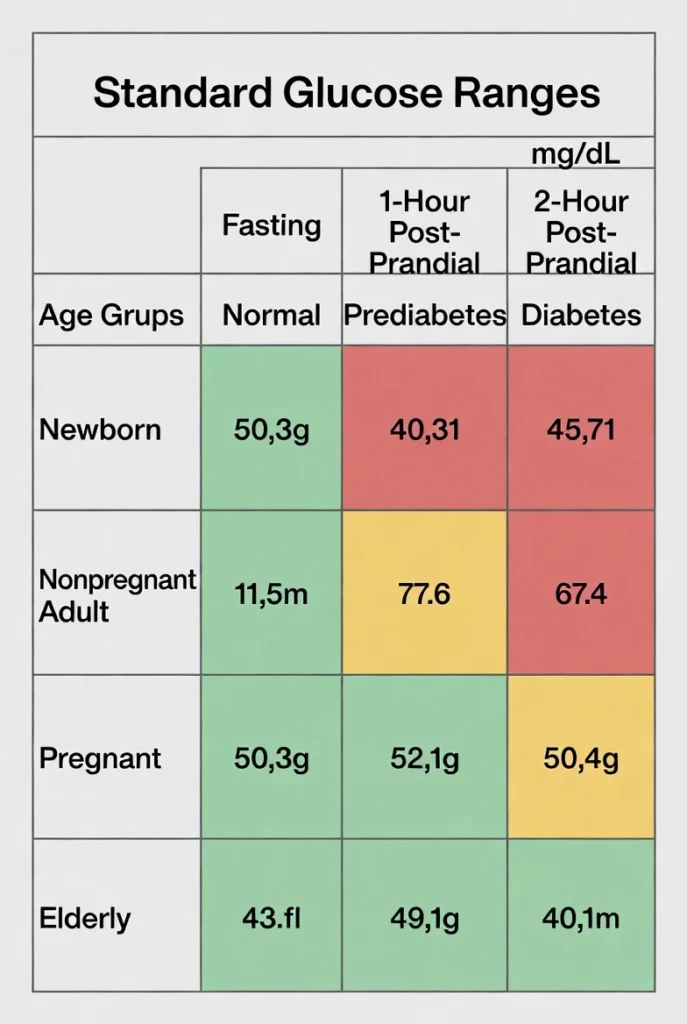
Standard Glucose Ranges
| Status | Fasting Glucose (mg/dL) |
| Normal | 70 – 99 |
| Prediabetes | 100 – 125 |
| Diabetes | 126 or higher |
If your numbers are in the prediabetes range, don’t panic. This is actually a great opportunity. It means you can still make changes to prevent the condition from progressing.
Testing Tips for Accuracy
To get the most accurate reading, test your sugar immediately after waking up. Avoid drinking anything other than water before your test. Also, make sure you had a good night’s sleep, as poor rest can artificially raise your numbers.
Fasting vs Medication: Metformin and HbA1c
Many of my patients take Metformin and want to know how it compares to fasting. They ask, how much does metformin lower fasting blood sugar compared to lifestyle changes? Metformin is an excellent tool that reduces the amount of sugar your liver makes.
The Power of Combination
In many cases, fasting and Metformin work better together. Fasting addresses the “input” side of the equation. Metformin helps with the “output” side from the liver. Together, they can significantly lower your HbA1c over time.
Will Fasting Reduce Your A1C?
Absolutely. Your A1C is an average of your blood sugar over three months. Since fasting lowers your daily averages, your A1C will naturally follow. In fact, many people find they can reduce their medication under a doctor’s guidance after several months of consistent fasting.
Practical Guide: How to Fast to Lower Blood Sugar Safely
Ready to start? Let’s look at how to fast to lower blood sugar without feeling miserable. The key is to be gradual and consistent rather than extreme.
Step 1: Start Slow
Don’t jump into a 24-hour fast on day one. Start by simply stopping all snacks after dinner. If you finish eating at 7 PM and eat breakfast at 7 AM, you have already completed a 12-hour fast.
Step 2: Focus on Hydration
Drink plenty of water. Sometimes, your brain confuses thirst with hunger. Staying hydrated also helps your kidneys process any waste products from fat burning. In addition, black coffee and plain tea are usually fine and won’t break your fast.
Step 3: Prioritize Protein
When you do eat, make sure you get enough protein. This helps preserve your muscle mass while you lose fat. Muscle is your primary “sponge” for glucose. Therefore, the more muscle you keep, the better your blood sugar will be.
Frequently Asked Questions
Does fasting lower blood sugar overnight?
Yes, your body naturally lowers its sugar while you sleep. By extending your morning fast by just two or three hours, you can see even better results. This is the easiest way to start your journey.
Does fasting lower blood sugar in non diabetics?
It certainly does. Even if you don’t have diabetes, fasting improves your metabolic flexibility. This means your body can switch between burning sugar and fat more easily. It also helps prevent future weight gain.
Can short term fasting lower blood sugar?
Yes, even a 12-hour window has benefits. It reduces the constant “insulin spikes” that happen when we snack all day. Over time, these short-term benefits add up to significant long-term health improvements.
Does keto fasting lower blood sugar?
Combining a ketogenic diet with fasting is very effective. Since keto is very low in carbs, your sugar stays low. Adding fasting to this speeds up the process of becoming “fat-adapted.”
Can a diabetic fast for 3 days?
Technically yes, but it must be done with medical supervision. I never recommend extended fasts for diabetics without a clear plan from their doctor. This is to ensure medications are adjusted safely to prevent complications.
Conclusion: Is Fasting Right for Blood Sugar Control?
To wrap things up, does fasting lower blood sugar? The evidence is very clear: it is one of the most powerful natural tools we have. It helps lower insulin, reduces liver fat, and improves your overall energy levels.
However, remember that fasting is not a “one-time” cure. It is a lifestyle tool that works best when you are consistent. You don’t need to be perfect every day to see progress.
If you’re feeling overwhelmed, just start with a 12-hour window. Talk to your medical team at Federa or your local clinic. They can help you monitor your numbers as you go. Your metabolic health is a marathon, not a sprint.
By taking small steps today, you are protecting your health for years to come. You have the power to take control of your numbers. It all starts with that first decision to wait just a little longer before your next meal.
References & High-Quality Sources
- American Diabetes Association. (2026). Standards of Care: Diabetes Technology and Lifestyle Management.
- National Institute of Diabetes and Digestive and Kidney Diseases. (2026). Managing Blood Glucose with Intermittent Fasting.
- PubMed Central. (2025). Meta-analysis of Intermittent Fasting vs. Continuous Calorie Restriction for Type 2 Diabetes.
- The Lancet Diabetes & Endocrinology. (2026). The Role of Time-Restricted Eating in Metabolic Health.
- FDA Consumer Health Information. (2026). Fasting Safety and Medication Interactions.
Related Posts





MORE from Author
Read More As a physician, I regularly see patients who are utterly exhausted from poor sleep. When you are desperately scrolling online…
- Hey, there. Let's talk about something we all want but struggle to achieve: vibrant, long-term health. These days, figuring out…


 Every week in my clinical practice, patients ask me the same desperate question: "Doc, how do I actually prevent a…
 When patients visit my clinic, they frequently ask me, "Doc, what is a healthy lifestyle, really?" They feel completely overwhelmed…