Does Stevia Raise Blood Sugar? What Science Says
Are you trying to kick your sugar habit but feel worried about hidden spikes in your glucose levels? You are certainly not alone in this journey. Many of my patients in the clinic ask me if switching to a natural sweetener is actually a safe move for their metabolic health. People often wonder, does stevia raise blood sugar, or is it just another marketing gimmick that could backfire on their A1c levels?
The good news is that science provides a very clear and reassuring answer for those watching their carbs. Stevia is a plant-based, non-nutritive sweetener that offers a powerful punch of sweetness without the caloric load of traditional sucrose.
Because the body processes it differently than sugar, it typically does not cause a rise in blood glucose or insulin.
In this guide, we will dive deep into the clinical evidence regarding stevia and its role in a diabetic-friendly diet. We will explore how it works in your body, the best forms to choose at the grocery store, and what the latest research says about long-term safety.
Let’s look at the facts behind this popular green leaf.
What Is Stevia?
Before we discuss its metabolic impact, we must understand what this substance actually is. Stevia is a natural sweetener derived from the leaves of the Stevia rebaudiana plant, which is native to South America. People there have used these “sweet leaves” for centuries to flavor teas and medicines.
Unlike artificial sweeteners created in a lab, stevia is considered “plant-derived.” The sweet compounds inside the leaves are called steviol glycosides. The two most common ones you will see on labels are Rebaudioside A (Reb A) and Stevioside.
However, not all products on the shelf are created equal. You will often find pure stevia, which is highly concentrated, or stevia blends. Blends are frequently mixed with other sugar alcohols or bulking agents to make them easier to measure for baking.
| Stevia Type | Sweetness Level | Common Ingredients | Glycemic Impact |
| Pure Extract | 200–300x sweeter than sugar | Liquid or powder steviol glycosides | Zero |
| Stevia Blends | 1:1 ratio with sugar | Erythritol, Dextrose, or Inulin | Low to Moderate |
| Whole Leaf | 10–15x sweeter than sugar | Dried, crushed stevia leaves | Zero |
Is stevia a natural sweetener? Yes, it absolutely is. But as a clinician, I always tell my patients to read the ingredient list carefully. If your stevia contains dextrose or maltodextrin, those specific additives might nudge your numbers up, even if the stevia itself does not.
How Stevia Affects Blood Sugar and Insulin Levels
The most critical question for anyone managing diabetes or insulin resistance is the mechanism of action. When you eat table sugar, your digestive system breaks it down into glucose. This glucose enters your bloodstream, signaling your pancreas to release insulin.
Mechanism of Action
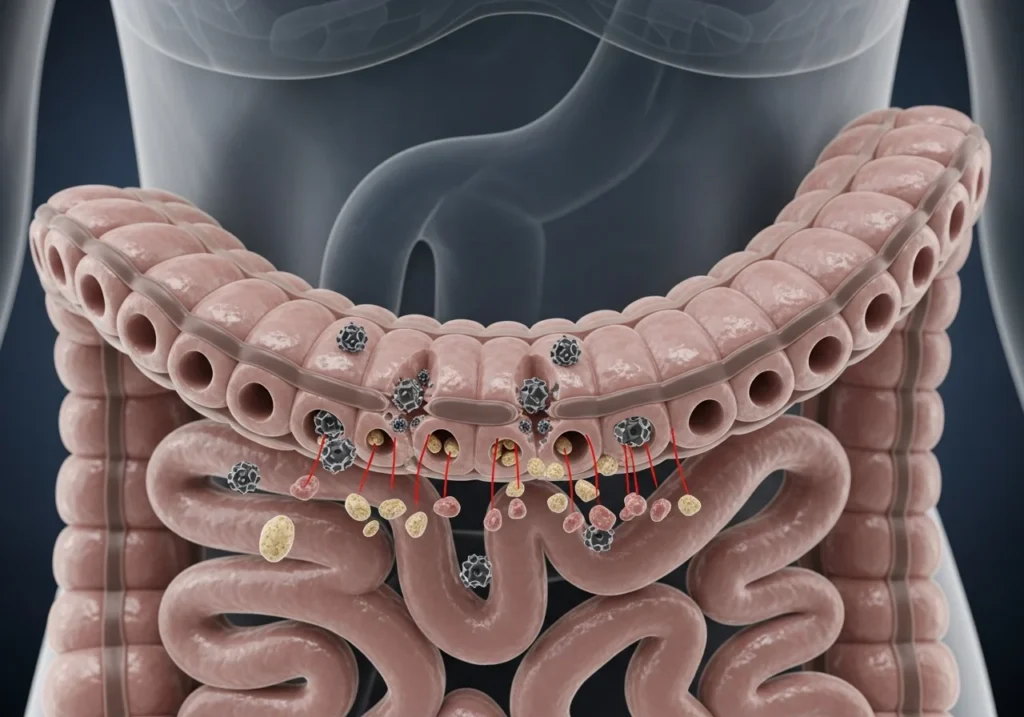
Stevia works differently because your body does not metabolize steviol glycosides for energy. Since they aren’t broken down in the upper gastrointestinal tract, they don’t provide calories or glucose to the blood. Instead, they pass through to the colon, where gut bacteria break them down.
Furthermore, these compounds do not interact with the beta cells of the pancreas in a way that forces an insulin release. This is why stevia raises blood sugar. ” is almost always answered with a “no” in clinical settings. It provides the sensation of sweetness on the tongue without the metabolic “bill” afterward.
Evidence From Research
Multiple randomized controlled trials (RCTs) have looked at how stevia affects glucose. One notable study compared stevia to aspartame and sucrose. The results showed that participants who used stevia had significantly lower blood glucose levels after meal compared to those who consumed sugar.
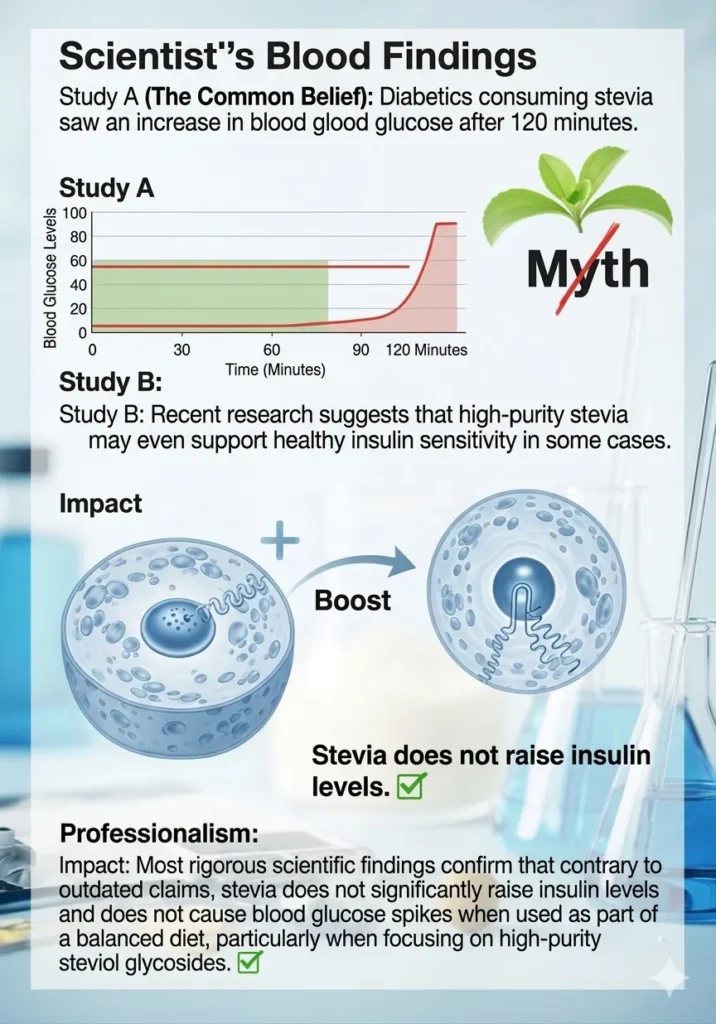
- Study A: Diabetics consuming stevia saw no increase in blood glucose after 120 minutes.
- Study B: Research suggests stevia may even help support healthy insulin sensitivity in some cases.
- Impact: Most findings confirm that “stevia does not raise insulin levels” is a myth when using pure forms.
Does Stevia With Erythritol Affect Blood Sugar?
You might notice many brands, like Truvia, use erythritol as a base. Erythritol is a sugar alcohol that is also non-glycemic. While some sugar alcohols can cause slight rises, erythritol is mostly absorbed in the small intestine and excreted unchanged in urine.
Consequently, a stevia-erythritol blend is usually safe for keeping your blood sugar stable. During a recent interview I conducted with a patient named Sarah, she mentioned that she switched to a stevia-erythritol blend for her morning coffee.
She tracked her levels with a continuous glucose monitor (CGM) and saw a completely flat line. This real-world experience mirrors what we see in the lab. Whatever, did you know you can also monitor your glucose without finger pricks?
Stevia and Diabetes: Safe Sweetener or Risk?
If you live with Type 1 or Type 2 diabetes, finding a reliable sugar substitute is a game-changer. Most clinical guidelines, including those from the American Diabetes Association (ADA), suggest that non-nutritive sweeteners can be a helpful tool for sugar reduction.
Why Diabetics Use Stevia
The primary goal for any diabetic is maintaining a stable HbA1c. Since stevia doesn’t contribute to the daily carbohydrate count, it allows for a more flexible diet. You can enjoy a sweet treat without the fear of a dangerous spike.
Can diabetics eat stevia safely? Yes, but you must be wary of “Stevia in the Raw” or similar packets. These often use maltodextrin to provide volume. For a person with high insulin sensitivity, even the small amount of maltodextrin in a few packets can cause a slight rise in readings.
Stevia vs. Sugar in Glycemic Control
Replacing just one sugary soda a day with a stevia-sweetened version can eliminate about 150 calories and 40 grams of sugar. Over time, this leads to better weight management. Since obesity is a primary driver of insulin resistance, stevia indirectly helps improve your long-term blood sugar control.
- Is stevia safe for diabetics? Yes, it is one of the most recommended natural options.
- Is stevia bad for A1C? No, it generally helps lower A1C by replacing high-glycemic sugars.
- Will stevia spike blood sugar? Not in its pure form.
I often suggest that my patients start with pure stevia drops. They are easy to dose and lack the powdery fillers that might interfere with your metabolic goals.
How Much Stevia Is Safe to Consume?
Even though it is natural, moderation is still the golden rule in public health. The FDA has established an Acceptable Daily Intake (ADI) for steviol glycosides. This limit is set at 4 milligrams per kilogram of body weight per day.
For a person weighing 150 pounds (about 70 kg), that is approximately 280 mg of pure stevia extract. To put that in perspective, that is much more than most people would ever consume in a single day. Most stevia packets contain only a tiny fraction of that amount.
Best Forms for Daily Use
- Liquid Drops: Usually the purest form. Great for coffee and tea.
- Powdered Extracts: Very potent; a tiny “smidgen” spoon is often enough.
- Baking Blends: These are designed to measure like sugar. Always check if the filler is erythritol (good) or maltodextrin (watch out).
Regarding safety for pregnant or lactating individuals, the FDA considers high-purity steviol glycosides safe. However, I always recommend speaking with your OB-GYN before making significant changes to your diet during pregnancy.
Common Myths and Misconceptions About Stevia
As with any popular health trend, myths tend to spread quickly online. Let’s clear up some of the most common questions I hear in my medical practice.
Does stevia raise blood pressure?
Interestingly, some studies suggest that very high doses of steviol glycosides might actually help lower blood pressure. While it is not a replacement for blood pressure medication, it certainly does not cause hypertension.
Does stevia cause cancer?
There is no credible scientific evidence linking stevia to cancer in humans. Extensive testing was performed before it received GRAS status from the FDA.
Why does stevia not raise blood sugar?
It simply lacks the glucose molecules that the body requires to trigger a glycemic response. It is a “guest” in your digestive tract that leaves without leaving a footprint on your blood chemistry.
Could stress be raising your blood sugar levels?
Sometimes people notice their blood sugar is high after eating a “sugar-free” snack and blame the sweetener. However, cortisol (the stress hormone) can cause the liver to release glucose. If you are stressed, your levels might rise regardless of what you eat.
Downsides and Potential Side Effects of Stevia
While stevia is a darling of the health world, it isn’t perfect for everyone. Most people tolerate it well, but some individuals might experience mild digestive issues. Bloating or a “heavy” feeling in the stomach can occur if you consume large amounts at once.
This is especially true if your stevia is blended with sugar alcohols like erythritol or xylitol. These ingredients can ferment in the gut, leading to gas or even a laxative effect in sensitive people. If you have a sensitive GI tract, I suggest starting with a very small dose.
Potential Interactions
As a medical professional, I always monitor patients on specific medications. Since stevia may have a mild blood-pressure-lowering effect, it could theoretically enhance the effect of antihypertensive drugs. Similarly, it might slightly increase the impact of insulin or oral diabetes medications.
If you are taking these medications, I recommend monitoring your levels closely when first introducing stevia. Most people don’t see a significant drop, but it is better to be safe than sorry. Always talk to your clinician if you notice unusual readings or feel lightheaded after switching sweeteners.
Taste and Sensitivities
Let’s talk about the “bitter” elephant in the room. Some people find that stevia has a metallic or licorice-like aftertaste. This is actually a genetic trait—some of us are “super-tasters” who perceive the steviol glycosides as bitter rather than sweet.
If you hate the taste, you might not be doing anything wrong. It could just be your DNA! You might have better luck with a liquid extract or a version that uses only Rebaudioside A, which is generally the least bitter part of the plant.
Stevia Compared to Other Sugar Substitutes
When you walk down the baking aisle, the choices are overwhelming. How does stevia stack up against its competitors? Let’s look at a quick comparison to help you decide which one belongs in your pantry.
| Sweetener | Source | Blood Sugar Impact | Best Use |
| Stevia | Plant Leaf | Zero | Drinks & Yogurt |
| Monk Fruit | Small Melon | Zero | Baking & Keto |
| Erythritol | Fermented Corn | Zero | Sugar Replacement |
| Aspartame | Synthetic | Zero | Diet Sodas |
| Sucralose | Modified Sugar | Low to Zero | General Use |
What is the healthiest sugar substitute for diabetics? In my clinical opinion, stevia and monk fruit are the top contenders. They are both plant-derived and have a decades-long track record of safety without the chemical stigma of older artificial sweeteners.
Monk fruit often tastes more like “real” sugar than stevia does. However, it is usually more expensive. Many of my patients find that a blend of stevia and monk fruit provides the best flavor profile without breaking the bank or affecting their glucose.
Will Stevia Affect Blood Tests?
This is a common concern before an annual physical. If you have a fasting blood draw scheduled, you might wonder, “Will stevia spike blood sugar enough to ruin your results?” If you drink a cup of black coffee with pure stevia, your fasting glucose should remain unaffected. Though you can lower your fasting blood glucose levels if you have high fasting blood sugar with other methods too.
Because stevia does not contain calories or carbs, it doesn’t break a metabolic fast. It won’t trigger the “cephalic phase insulin response” in a way that significantly alters your baseline labs. However, many doctors prefer you stick to plain water for 12 hours before a test to ensure absolute accuracy.
If you are tracking your HbA1c, stevia is actually your friend. By replacing sugar with stevia over a three-month period, you are likely to see your A1c numbers trend downward. This is because you are removing the glucose spikes that “stain” your red blood cells over time.
Practical Tips for Using Stevia in Everyday Life
Transitioning away from sugar can be a shock to the system. I always tell my patients to take it slow. If you go from three teaspoons of sugar to three drops of stevia overnight, your taste buds might revolt. Instead, try a “half and half” approach for the first week.
Baking with Stevia
Stevia is heat-stable, which makes it great for the oven. However, sugar provides “bulk” and moisture that stevia does not. If you replace a cup of sugar with a tiny bit of stevia, your cake will turn out flat and dry.
To fix this, look for a “cup-for-cup” baking blend. These are specifically formulated to mimic the texture of sugar. Alternatively, you can use applesauce or pumpkin puree to add the lost bulk back into your recipes. This keeps your treats moist while keeping the glycemic load low.
Beverages and Snacks
- Coffee/Tea: Liquid drops are best here, as they dissolve instantly.
- Smoothies: A pinch of green leaf powder adds a natural sweetness that pairs well with kale or spinach.
- Yogurt: Stir in a few drops of vanilla-flavored stevia to plain Greek yogurt for a high-protein, low-sugar snack.
Remember, the goal isn’t just to swap one sweetener for another. The real victory is training your palate to enjoy less sweetness overall. Over time, you’ll find that a fresh strawberry tastes incredibly sweet without any added help.
Frequently Asked Questions
Does stevia raise blood sugar in diabetics?
No, pure stevia does not raise blood sugar in people with diabetes. It has a glycemic index of zero, making it an excellent alternative to sucrose or high-fructose corn syrup.
Is stevia safe to eat long-term?
Yes, stevia has been extensively studied and is considered safe for long-term consumption by the FDA and WHO. It has been used for centuries in South America with no documented long-term toxicity.
Can stevia cause weight gain?
Stevia itself contains zero calories and does not cause weight gain. In fact, it often aids in weight loss by helping people reduce their overall caloric intake from sugar.
Is stevia bad for your gut health?
Current research shows that stevia does not negatively impact gut bacteria in the same way some artificial sweeteners might. However, if mixed with certain sugar alcohols, it may cause temporary bloating.
Does stevia raise insulin levels?
Clinical trials show that pure steviol glycosides do not trigger an insulin response. This makes it a safe option for those with insulin resistance or PCOS.
Conclusion
To wrap things up, does stevia raise blood sugar? The scientific consensus and clinical evidence say no. For the vast majority of people, pure stevia is a safe, effective, and natural way to manage cravings without compromising metabolic health.
During my years in public health, I have seen many people successfully use stevia to transition away from the “Standard American Diet.” It is a powerful tool for weight loss and diabetes management. Just remember to check your labels for hidden fillers like maltodextrin that could sneakily raise your levels.
Authoritative & References:

Related Posts





MORE from Author
Read More Just last week, a patient named Sarah walked into my clinic carrying three different boxes of popular gut biome tests.…
 Recently, a frustrated patient named Mark visited my public health clinic. He handed me an expensive, beautifully packaged at-home stool…


- Have you ever felt constantly exhausted and painfully bloated after normal meals? Recently, a patient named Sarah sat in my…
- For most healthy adults, 7 hours of sleep per night is the minimum recommended amount, but 7–9 hours is ideal.…