High Blood Sugar Symptoms: Signs of Hyperglycemia, What It Feels Like & What To Do
High blood sugar, clinically known as hyperglycemia, occurs when there is too much glucose circulating in your bloodstream. It is a primary concern for individuals with diabetes, but it can also affect those with prediabetes or undiagnosed insulin resistance.
Recognizing the symptoms early is crucial for preventing severe health complications. When your body cannot effectively use insulin to guide glucose into your cells for energy, that sugar builds up in your blood. This buildup triggers a cascade of physical and emotional symptoms that should never be ignored.
In my journey sharing wellness strategies, I recently interviewed a community member named Mark. Mark had been experiencing relentless fatigue and extreme thirst, but brushed it off as stress.
It wasn’t until a routine checkup revealed a dangerously high blood sugar level that he realized his body had been flashing warning signs for months. His story is a powerful reminder of why we must listen to our bodies.
Key Takeaways – How to Recognize & Respond to High Blood Sugar
- Listen to the signals: Unquenchable thirst, frequent urination, and profound fatigue are your body’s alarm bells.
- Know your numbers: A fasting sugar over 125 mg/dL indicates diabetes; numbers over 250-300 mg/dL require urgent medical care.
- Act safely: Hydrate immediately and take a light walk, unless ketones are present.
- Understand the difference: High blood sugar feels sluggish and dry; low blood sugar feels shaky, sweaty, and sudden.
- Don’t wait: Chronic high blood sugar quietly destroys major organs. Early intervention is the key to a long, healthy life.
What Is High Blood Sugar (Hyperglycemia)?
Hyperglycemia simply means your blood glucose levels are higher than the healthy target range. For most adults fasting (not eating for at least eight hours), a normal blood sugar level is under 100 mg/dL.
Fasting levels between 100 and 125 mg/dL indicate prediabetes, while 126 mg/dL or higher indicates diabetes.
There is a distinct difference between temporary spikes and chronic hyperglycemia. A temporary spike might happen after eating a carbohydrate-heavy meal or during a period of acute stress. Your body usually regulates this on its own within a few hours.
Chronic hyperglycemia, however, means your blood sugar remains elevated consistently. According to the American Diabetes Association, blood glucose consistently above 130 mg/dL fasting, or above 180 mg/dL two hours after a meal, requires medical attention.
Leaving these levels unchecked can lead to long-term damage to your blood vessels, nerves, and major organs.
What Does High Blood Sugar Feel Like?
Many people wonder, “How do you feel when your blood sugar is too high?” The sensation varies from person to person, but it is often described as a heavy, draining feeling. Because your cells are starving for the energy trapped in your bloodstream, your body feels as though it is running on empty.
Physical Sensations
The physical symptoms of hyperglycemia often feel like severe dehydration combined with exhaustion. You might experience a constant, unquenchable thirst, no matter how much water you drink. This happens because your kidneys are working in overdrive to flush out the excess sugar through your urine.
This process leads to frequent trips to the bathroom, further dehydrating you and leaving your mouth feeling dry and sticky. Additionally, the lack of cellular energy can make your limbs feel incredibly heavy. Many individuals report tension headaches, blurred vision, and a general sense of physical weakness that makes even simple tasks feel monumental.
Emotional and Mental Impact
High blood sugar doesn’t just impact your physical body; it severely affects your brain function. The emotional symptoms of high blood sugar can be highly distressing. You might feel sudden bouts of irritability, anxiety, or unexplained mood swings.
Because the brain relies heavily on a steady supply of glucose, excess sugar in the blood can cause significant cognitive disruptions. Brain fog is incredibly common, making it difficult to concentrate, remember details, or process information. In more severe cases, this can escalate to profound confusion or a feeling of detachment from your surroundings.
10 Warning Signs of High Blood Sugar
If you are experiencing any of these common indicators, it may be time to check your glucose levels or consult a doctor. Here are the top 10 warning signs of hyperglycemia:
- Excessive thirst (Polydipsia): Feeling parched regardless of fluid intake.
- Frequent urination (Polyuria): Waking up multiple times at night to use the bathroom.
- Extreme fatigue: Feeling drained, sluggish, or unable to stay awake after meals.
- Frequent headaches: Throbbing pain often linked to dehydration and blood vessel strain.
- Blurred vision: High sugar levels cause the lenses in your eyes to swell and change shape.
- Dizziness: Feeling lightheaded due to rapid fluid loss and poor energy distribution.
- Nausea and stomach pain: A warning sign that acid levels in your blood might be rising.
- Confusion or brain fog: Difficulty focusing or feeling mentally scattered.
- Dry mouth: A sticky, parched feeling resulting from systemic dehydration.
- Unexplained weakness: Muscles feeling shaky or lacking strength due to cellular starvation.
Early, Mild, Sudden & Severe Hyperglycemia Symptoms
Hyperglycemia does not always present the same way. The severity and onset of your symptoms depend on how quickly your blood sugar rises and how long it stays elevated.
Early Indicators
Early signs of high blood sugar are often subtle and easy to dismiss. You might notice you are reaching for your water bottle more frequently than usual. You may also feel a slight slump in your energy, especially in the mid-afternoon. Occasional blurry vision when trying to read small text is another very early warning sign.
Mild Hyperglycemia Traits
Mild hyperglycemia symptoms occur when your blood sugar is slightly elevated but not yet at a crisis level. At this stage, the frequent urination becomes more noticeable, disrupting your daily routine. You might also start experiencing mild headaches and a persistent dry mouth. These symptoms are your body’s way of asking for intervention before things escalate.
Sudden Spike Reactions
Sudden high blood sugar symptoms happen when glucose levels shoot up rapidly, often after a high-sugar meal or intense stress. You might feel a sudden, intense wave of fatigue, often described as a “sugar crash.” Heart palpitations, sudden sweating, and a feeling of anxiety or jitteriness can also accompany a rapid spike.
Severe Warning Signs
Severe hyperglycemia warning signs are medical red flags that require immediate attention. These include deep, rapid breathing, shortness of breath, and breath that smells fruity or like nail polish remover. Severe nausea, vomiting, and profound confusion indicate that your body is entering a dangerous state called Diabetic Ketoacidosis (DKA).
High Blood Sugar Symptoms by Blood Glucose Level
Understanding how symptoms correlate with specific numbers on your glucose meter can help you gauge the severity of the situation.
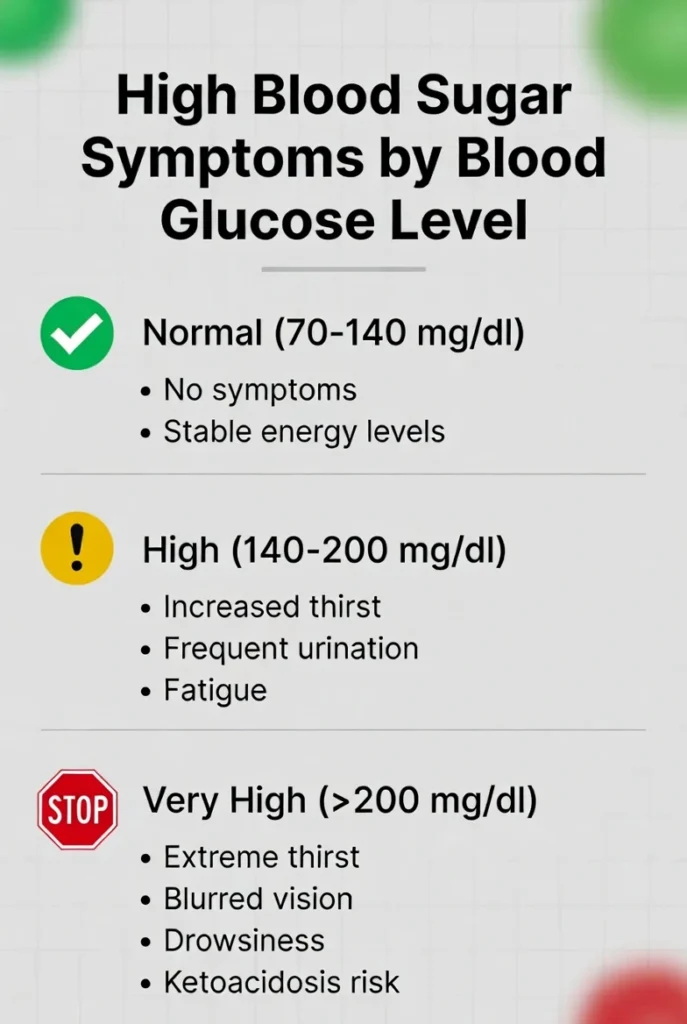
Symptoms When Over 200
When blood sugar levels cross the 200 mg/dL threshold, symptoms become much harder to ignore. The classic signs—excessive thirst and frequent urination—are usually very pronounced at this stage.
You will likely feel a heavy, pervasive fatigue that makes physical activity incredibly difficult. Blurry vision and dry mouth are also highly common when your numbers sit above 200.
Dangers of Levels Over 250
Is a 250 blood sugar level dangerous? Yes, sustained levels above 250 mg/dL are cause for significant concern.
At this stage, your body may begin breaking down fat for fuel, producing toxic acids known as ketones. Symptoms escalate to include stomach pain, nausea, and a noticeable decrease in cognitive function and focus.
Emergency State Over 300
A blood sugar level over 300 mg/dL is widely considered a medical emergency. Symptoms at this level are severe and life-threatening. You may experience extreme confusion, shortness of breath, vomiting, and the hallmark fruity-smelling breath. If you or a loved one hits this number and experiences these symptoms, seek emergency medical care immediately.
Dangerous Levels & When to Go to the ER
Knowing when high blood sugar shifts from a manageable symptom to a medical emergency can save your life. If your blood glucose reading exceeds 300 mg/dL, or if you have ketones in your urine, you are in the danger zone.
Signs your blood sugar is dangerously high include unexplainable vomiting, difficulty breathing, and fruity-smelling breath.
These are hallmarks of Diabetic Ketoacidosis (DKA), a life-threatening condition where your blood becomes highly acidic. Another severe complication is Hyperosmolar Hyperglycemic State (HHS), which causes profound dehydration and altered mental states, mostly in type 2 diabetics.
Do not try to “sleep off” these symptoms. If you experience severe confusion, loss of consciousness, or persistent vomiting, go to the Emergency Room immediately. Urgent care centers are fine for minor illnesses, but a true hyperglycemic crisis requires the IV fluids, insulin drips, and electrolyte management that only a hospital ER can provide.
High Blood Sugar Symptoms in Different People
Hyperglycemia does not discriminate, but its symptoms can manifest differently depending on your gender, age, and overall health status.
Symptoms of High Blood Sugar in Women
For women, high blood sugar often disrupts the delicate balance of hormones and the body’s natural microbiome. Frequent and recurring yeast infections or urinary tract infections (UTIs) are common signs of high blood sugar in women.
Excess glucose in the urine creates a perfect breeding ground for bacteria and yeast. Additionally, high insulin levels associated with hyperglycemia can exacerbate conditions like Polycystic Ovary Syndrome (PCOS).
Signs of High Blood Sugar in Men
Men experiencing chronic hyperglycemia might notice different physical changes. One of the most common, yet rarely discussed, signs of high blood sugar in men is erectile dysfunction, caused by nerve and blood vessel damage.
Unexplained loss of muscle mass and persistent lethargy are also frequent complaints when glucose cannot properly enter muscle cells.
High Blood Sugar Symptoms in Elderly Adults
In older adults, the symptoms of high blood sugar can easily be mistaken for normal signs of aging. Lethargy, dizziness, and cognitive decline or sudden confusion are major red flags.
The elderly are also at a much higher risk for severe dehydration caused by frequent urination, as the natural sense of thirst diminishes with age.
Symptoms of High Blood Sugar in Non-Diabetics
Can you have high blood sugar symptoms without diabetes? Yes. Symptoms of high blood sugar in non-diabetics often occur during periods of severe physical stress, such as trauma, heart attacks, or severe infections.
Certain medications, especially corticosteroids like prednisone, can also trigger temporary but significant spikes in blood glucose levels.
High Blood Sugar at Night, After Eating & During Illness
The timing of your symptoms can provide vital clues about what is driving your blood sugar out of range.
If you experience high blood sugar symptoms at night, you might wake up drenched in sweat or need to use the bathroom multiple times. This nocturnal hyperglycemia severely disrupts sleep, leaving you exhausted the next day.
High blood sugar symptoms after eating usually peak one to two hours post-meal. This often feels like a massive “food coma,” where you experience overwhelming lethargy and brain fog, especially after consuming refined carbohydrates.
During an illness like the flu or COVID-19, your body releases stress hormones to fight the infection. These hormones naturally raise your blood glucose. High blood sugar symptoms during illness require careful monitoring, as the combination of fever, dehydration, and high glucose can escalate quickly.
Why Is My Blood Sugar High When I Haven’t Eaten?
It is incredibly frustrating to wake up fasting, only to see a high number on your glucose monitor. One primary reason for this is the “Dawn Phenomenon.” In the early morning hours, your body releases a surge of hormones—like cortisol and growth hormone—to help you wake up. This signals your liver to release stored glucose, causing a spike.
Stress is another major culprit. When you are under psychological or physical stress, your fight-or-flight response floods your system with adrenaline and cortisol.
Can stress cause high blood sugar symptoms? Absolutely; these hormones make your body resistant to insulin, trapping sugar in your bloodstream even if you haven’t eaten a single carbohydrate.
Finally, dehydration concentrates your blood. If you are lacking fluids, the volume of your blood decreases, meaning the concentration of sugar within that blood becomes artificially higher.
High Blood Sugar vs Low Blood Sugar
It is vital to understand the difference between high and low blood sugar symptoms, as treating one with the protocol for the other can be disastrous. Low blood sugar (hypoglycemia) occurs when your glucose drops below 70 mg/dL.
5 Signs Your Blood Sugar Is Too Low
While high blood sugar makes you feel sluggish and heavy, low blood sugar triggers a panic response. What are 5 signs your blood sugar is too low?
- Sudden, severe trembling or shakiness.
- Intense, rapid sweating (often cold sweats).
- A pounding, racing heart rate.
- Sudden, intense hunger.
- Irritability, anxiety, or panic.
Hyperglycemia vs Hypoglycemia Comparison
| Feature | High Blood Sugar (Hyperglycemia) | Low Blood Sugar (Hypoglycemia) |
| Onset | Gradual (hours to days) | Sudden (minutes) |
| Thirst | Extreme | Normal |
| Urination | Very frequent | Normal |
| Skin | Dry and warm | Pale, cool, and sweaty |
| Mental State | Foggy, lethargic, confused | Anxious, panicky, irritable |
What To Do Immediately When Blood Sugar Is High
If your meter reads high, but you are not in the emergency zone (under 250 mg/dL without ketones), you can take immediate action at home.
What to do immediately when blood sugar is high starts with drinking two large glasses of water. Water helps dilute your blood and assists your kidneys in flushing out the excess glucose through urine.
Next, engage in light physical activity. A brisk 15-minute walk helps your muscles absorb glucose without needing insulin.
However, if your blood sugar is over 250 mg/dL, you must check for ketones first. If ketones are present, do not exercise, as this can actually drive your blood sugar higher and trigger DKA.
If you are prescribed rapid-acting insulin, take your correction dose exactly as your doctor instructed. Never guess your dosage.
How to Lower High Blood Sugar Quickly (Safely)
When searching for how to lower high blood sugar quickly, remember that “quickly” still means hours, not minutes. Rapid drops in blood sugar can cause rebound hypoglycemia, which is just as dangerous.
The safest fast-acting method is taking prescribed insulin. If you do not take insulin, hydration and gentle movement are your only safe immediate tools. Beware of online “quick fixes” or unregulated supplements claiming to instantly drop glucose; they are often ineffective and sometimes dangerous.
Natural Remedies & Lifestyle Support
In my time writing for Healthy Food for Living, I’ve seen how daily habits powerfully influence blood glucose. Natural remedies for high blood sugar symptoms are about long-term support, not acute medical treatment.

Focus heavily on dietary fiber from vegetables, legumes, and whole grains. Fiber slows down the absorption of sugar into your bloodstream, preventing spikes. Additionally, prioritize 7-9 hours of quality sleep. Sleep deprivation directly increases cortisol, leading to higher morning blood sugars.
Stress management is also non-negotiable. Practices like deep breathing, yoga, or simple daily meditation can lower stress hormones, thereby improving your body’s natural insulin sensitivity over time.
How Long Do High Blood Sugar Symptoms Last?
The timeline for relief depends entirely on the cause and your intervention. If the spike is due to a heavy meal, a short walk and hydration can resolve symptoms within 2 to 4 hours.
However, if you are experiencing chronic hyperglycemia due to untreated diabetes or severe illness, symptoms can linger for days or even weeks until medical intervention lowers your baseline glucose levels. If symptoms persist for more than a few days despite dietary changes, consult a doctor immediately.
What Happens If High Blood Sugar Is Untreated?
Ignoring untreated high blood sugar symptoms leads to devastating, irreversible damage. Chronic hyperglycemia acts like tiny shards of glass flowing through your blood vessels, scraping and damaging them over time.
This damage leads to diabetic retinopathy, which can cause blindness. It damages the kidneys (nephropathy), potentially leading to dialysis. Furthermore, it destroys the nerves in your extremities (neuropathy), causing numbness, pain, and eventually leading to foot amputations. Protecting your heart and brain starts with keeping your blood sugar in check today.
Frequently Asked Questions
What does high blood sugar feel like?
High blood sugar feels like profound exhaustion paired with severe dehydration. You may feel sluggish, have a persistent dry mouth, experience blurred vision, and feel a constant, unquenchable thirst.
What are the warning signs of hyperglycemia?
The most common warning signs include excessive thirst, frequent urination (especially at night), extreme fatigue, blurry vision, tension headaches, and unexplained cognitive brain fog.
What to do immediately when blood sugar is high?
Drink two large glasses of water to help flush the sugar through your kidneys, take a 15-minute gentle walk to help muscles absorb glucose, and take any correction insulin as prescribed by your doctor.
Can stress cause high blood sugar symptoms?
Yes. Physical or emotional stress causes your body to release cortisol and adrenaline. These hormones make your cells resistant to insulin, trapping glucose in your bloodstream and causing high blood sugar symptoms even if you haven’t eaten.
Is a 250 blood sugar level dangerous?
Yes, a level of 250 mg/dL is dangerously high. At this level, you should test your urine for ketones. If ketones are present, or if you experience vomiting and confusion, you should seek emergency medical care.
Conclusion: Taking Control of Your Health
Living with high blood sugar symptoms can feel completely overwhelming. However, understanding exactly how your body reacts to hyperglycemia is your absolute best defense. As a medical doctor, I want you to feel deeply empowered, not scared.
Therefore, if you constantly feel exhausted, dizzy, or incredibly thirsty, please do not ignore these clear warning signs. Your body is desperately asking for medical intervention. Listening to these early signals actively prevents major health crises.
Ultimately, taking immediate action today directly prevents irreversible nerve and organ damage tomorrow. You cannot just guess how to lower high blood sugar quickly without medical guidance. You need a proper, evidence-based clinical plan.
Consequently, please schedule a simple fasting glucose test with your primary care physician right away. Taking that one proactive step is the absolute best way to protect your vibrant, long-term health. You deserve to feel energetic again.
Medical Disclaimer: This article is strictly for educational and informational purposes and does not replace professional medical advice, diagnosis, or treatment. Always consult your physician or healthcare provider before altering your diet, exercise routine, or medication protocols, especially regarding diabetes management.
References:
- American Diabetes Association (ADA): Hyperglycemia (High Blood Glucose) Guidelines.
- Centers for Disease Control and Prevention (CDC): Manage Blood Sugar.
- National Institute of Diabetes and Digestive and Kidney Diseases (NIDDK): Symptoms & Causes of Diabetes.
- Mayo Clinic: Diabetic Ketoacidosis – Symptoms and Causes.
- Cleveland Clinic: Hyperglycemia (High Blood Sugar).

MORE from Author
Read More Hey, there. Let's talk about something we all want but struggle to achieve: vibrant, long-term health. These days, figuring out…
 In my clinical practice, patients frequently ask me to interpret the data on their smartwatches. They stare at the numbers…


 Do you wake up exhausted after eight hours in bed? You're probably wondering why you still feel tired. The key…
 Every day, physicians in cardiovascular clinics around the world witness the devastation caused by tobacco use. Many patients understand how…