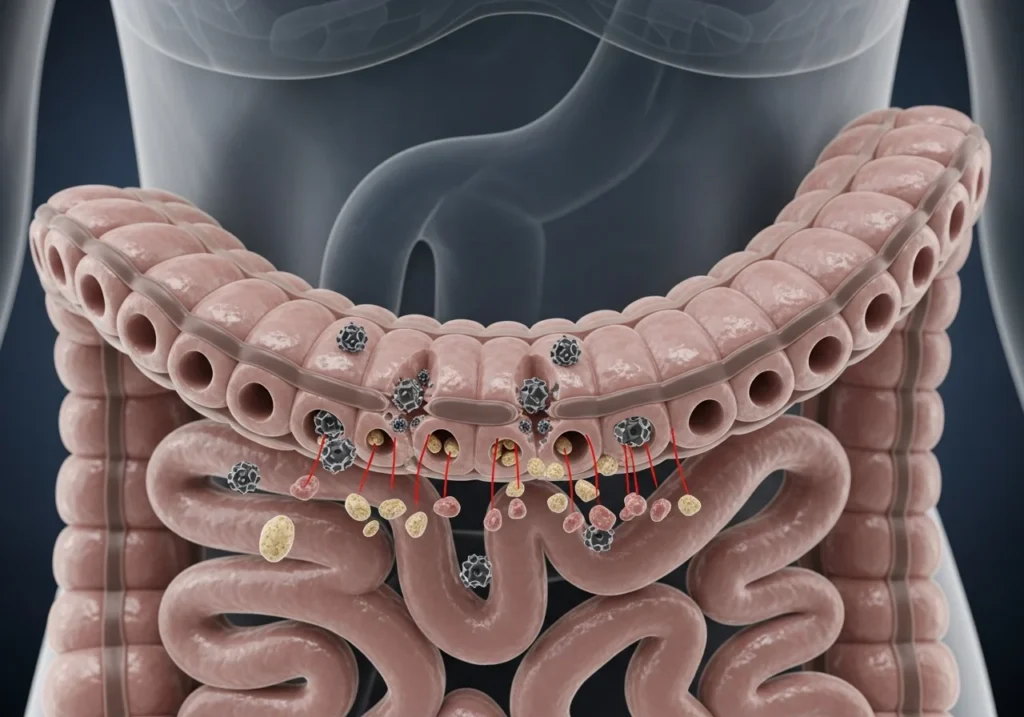
Symptoms of Low Blood Sugar (Hypoglycemia): Signs, Causes, and What to Do

Symptoms of Low blood sugar (hypoglycemia) occurs when blood glucose levels drop below normal, typically under 70 mg/dL. It can cause a range of symptoms from mild shakiness to severe confusion or loss of consciousness.
Recognizing symptoms early is critical to prevent dangerous medical complications. Your brain relies on a steady supply of glucose to function, and when low glucose levels occur, your body immediately sends out warning signals.
Common triggers for these drops include missed meals, certain diabetes medications, excessive exercise, or excessive alcohol intake.
If you or a loved one are experiencing blood sugar too low, acting quickly is essential. Understanding the symptoms of low blood sugar hypoglycemia can empower you to treat the condition before it escalates into a medical emergency.
What Are the Symptoms of Low Blood Sugar?
When your blood sugar levels drop, your body releases adrenaline, the “fight-or-flight” hormone. This hormonal surge is what causes many of the uncomfortable physical reactions associated with low blood sugar levels.
If you are wondering what are the symptoms of low blood sugar, they can vary widely from person to person. However, there are hallmark signs to watch for.
Common symptoms of low blood sugar include:
- Shakiness or trembling
- Sweating
- Dizziness or lightheadedness
- Hunger
- Irritability or anxiety
People frequently report shaky or trembling sensations low blood sugar as their very first warning sign. Additionally, dizziness and lightheadedness low blood sugar can make it difficult to stand or concentrate, signaling that the brain is being deprived of necessary energy.
5 Key Signs and Symptoms of Low Blood Sugar
While the list of possible reactions is long, public health guidelines often highlight the most urgent indicators. If you want to know what are 5 signs and symptoms of low blood sugar that require immediate attention, look for these:
- Shakiness: A noticeable tremor in the hands or legs due to an adrenaline spike.
- Sweating: Sudden, cold sweats that appear even when the body is not physically exerting itself.
- Confusion: Difficulty speaking, focusing, or making simple decisions.
- Rapid Heartbeat: A pounding or racing heart, often accompanied by feelings of panic.
- Weakness: A sudden, overwhelming loss of physical strength or energy.
Mild vs Severe Hypoglycemia Symptoms
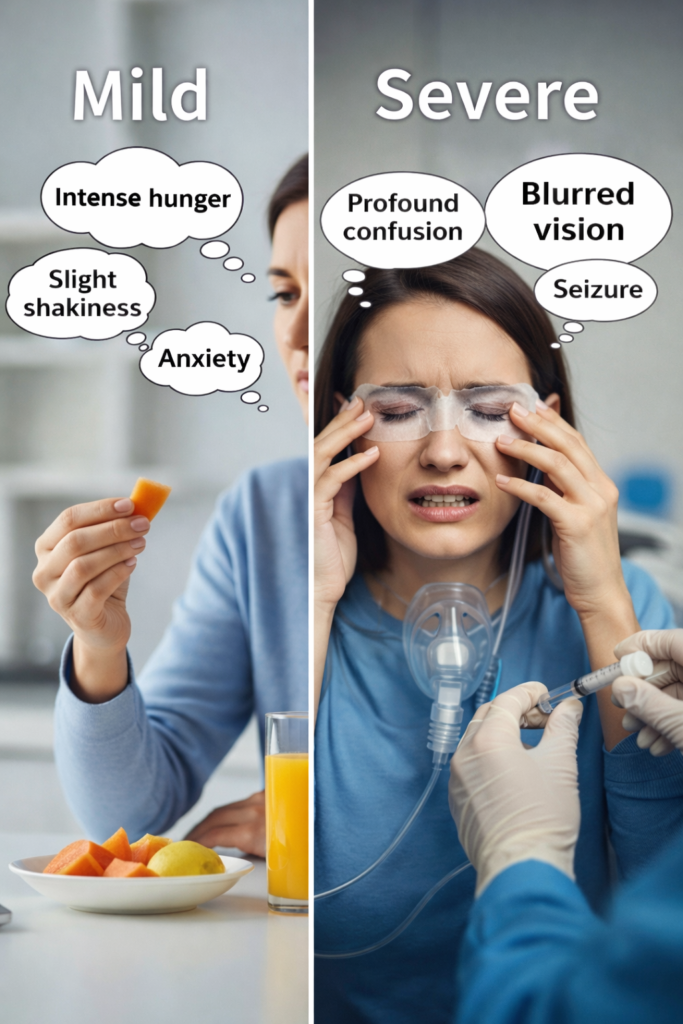
The symptoms of low blood sugar levels exist on a spectrum. Identifying where you or someone else falls on this spectrum helps determine the appropriate treatment approach.
Clinical guidelines and patient reports show that the transition from mild to severe hypoglycemia can happen in a matter of minutes, making early recognition and prompt action essential
Mild Symptoms
Low blood sugar symptoms in adults often start subtly. Mild symptoms generally include intense hunger, slight shakiness, and sudden anxiety.
At this stage, the individual is usually fully conscious and capable of treating themselves by consuming fast-acting carbohydrates.
Severe Symptoms
If left untreated, the brain becomes progressively starved of glucose. Severe symptoms indicate a medical emergency and include profound confusion, blurred vision, seizures, and eventual loss of consciousness.
At this critical stage, the person can no longer treat themselves and requires emergency medical assistance, such as a glucagon injection or IV glucose.
Symptoms of Low Blood Sugar in Different Groups
Hypoglycemia does not look exactly the same for everyone. Different life stages, medical conditions, and even species present unique warning signs.Understanding these nuances is vital for accurate and timely care.
In Diabetics
For those managing diabetes, symptoms of low blood sugar in diabetics are a constant concern. Low blood sugar diabetes episodes are most often triggered by an imbalance between medication (like insulin), food intake, and physical activity.
Taking too much insulin or delaying a meal after taking medication rapidly drives glucose down, triggering the classic signs of sweating, shaking, and rapid heartbeat.
In Non-Diabetics
Many people ask, can you get low blood sugar symptoms without diabetes? The answer is yes. Symptoms of low blood sugar in non diabetics are quite real, though less common.
What causes low blood sugar without diabetes? It is often tied to reactive hypoglycemia (blood sugar crashing a few hours after a high-carbohydrate meal), prolonged fasting, or underlying hormonal imbalances involving the adrenal or pituitary glands.
In Women
Hormones play a significant role in glucose regulation. Symptoms of low blood sugar women experience can sometimes be exacerbated by their menstrual cycles.
Estrogen and progesterone fluctuations can alter insulin sensitivity, meaning some women may experience heightened shakiness or irritability due to low blood sugar during specific phases of their cycle.
In Pregnancy
Pregnancy places immense metabolic demands on the body. Symptoms of low blood sugar in pregnancy often mimic typical pregnancy fatigue but include the sudden onset of dizziness and sweating.
Low blood sugar pregnancy episodes can occur because the fetus continuously draws glucose from the mother’s bloodstream, especially between meals or overnight.
In Newborns
Infants cannot tell you they feel sick, making vigilance crucial. Symptoms of low blood sugar in newborn babies are primarily behavioral.
Low blood sugar in newborns can present as poor feeding, extreme jitteriness, a high-pitched cry, or severe lethargy. If a baby exhibits these signs, pediatric evaluation is needed immediately to prevent developmental complications.
In Dogs and Cats
Pet owners must also be aware of this condition. What are the symptoms of low blood sugar in dogs? Symptoms of low blood sugar in dogs often include profound weakness, uncoordinated walking (like they are drunk), and muscle twitching.
Similarly, symptoms of low blood sugar in cats manifest as severe lethargy, vocalization, seizures, or confusion. If you suspect your pet’s blood sugar has crashed, rub a little syrup on their gums and seek immediate veterinary care.
What Causes Low Blood Sugar?
Understanding what can cause your blood sugar to drop is the best way to prevent future episodes. Many people experience a sudden adrenaline surge during a glucose crash, highlighting how quickly symptoms can develop.
Analysis of endocrinology reports shows a clear pattern: hypoglycemia is almost always the result of a mismatch between food intake, physical activity, and insulin levels.
For many, skipping meals or unintentionally fasting is the primary culprit. When you do not consume enough carbohydrates, your body depletes its stored glucose (glycogen) and struggles to maintain stable energy levels. This often leads to low blood sugar in the morning, especially if dinner was skipped the night before.
Medication effects are another major trigger. For people with diabetes, taking too much insulin or certain oral medications (like sulfonylureas) can force the body to absorb too much glucose from the blood too quickly. Even non-diabetics can experience this if they accidentally take the wrong medication.
Alcohol use is also a significant, yet frequently overlooked, cause. When you drink heavily without eating, your liver prioritizes clearing the alcohol from your system over releasing stored glucose. This can lead to a dangerous drop in blood sugar levels several hours later.
Finally, severe endocrine disorders, such as adrenal insufficiency or pituitary gland tumors, can disrupt the hormones responsible for balancing glucose, leading to chronic hypoglycemia. In rare cases, experiencing low blood sugar in the morning non diabetic individuals can be a sign of an underlying metabolic issue that requires a doctor’s evaluation.
Low Blood Sugar at Night and Morning

Experiencing a glucose crash while sleeping is incredibly common, particularly for those on insulin therapy. Low blood sugar at night (nocturnal hypoglycemia) often happens if you exercise heavily in the evening, skip a bedtime snack, or take too much basal insulin.
This overnight fasting period leaves the body vulnerable. By the time you wake up, you may experience low blood sugar in the morning, waking up feeling drenched in sweat, anxious, or with a severe headache. Adjusting medication timing and ensuring an adequate evening meal are critical preventative steps.
Low Blood Sugar Numbers and Range
When it comes to your health, precision matters. Knowing the exact low blood sugar numbers helps you take the right action at the right time.
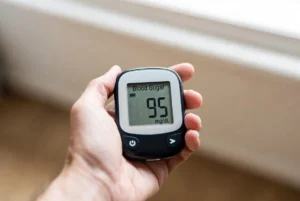
Low blood sugar is typically defined as a blood glucose level below 70 mg/dL. Severe hypoglycemia is often classified as a reading below 54 mg/dL.
If your low blood sugar range dips below 70 mg/dL, your body is officially in a state of alert and requires immediate carbohydrate intake, regardless of whether you feel symptoms yet.
What Level of Low Blood Sugar Is Dangerous?
Many patients ask their doctors, what level of low blood sugar is dangerous? The danger zone typically begins when levels drop below 54 mg/dL.
At this profound level of hypoglycemia, your brain is starved of its primary fuel source. This severe energy deficit can rapidly lead to neurological misfires, triggering seizures or a diabetic coma. In extreme, untreated cases, it can cause irreversible brain damage or even death.
Can You Die from Low Blood Sugar in Your Sleep?
This is a terrifying prospect for many patients and caregivers. Can you die from low blood sugar in your sleep?
While it is rare, it is medically possible, particularly in severe cases of Type 1 diabetes. This phenomenon is sometimes referred to as “dead in bed syndrome.” However, it is vital to emphasize prevention and monitoring; continuous glucose monitors (CGMs) with loud nocturnal alarms are life-saving tools that prevent these tragedies.
What to Eat When Blood Sugar Is Low?
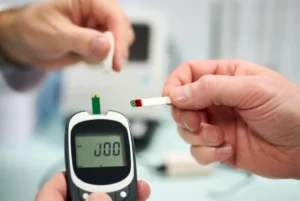
When your glucose monitor reads below 70 mg/dL, you need fast-acting carbohydrates that your body can absorb instantly. Knowing exactly what to eat when blood sugar is low prevents panic.
If you are wondering what are the best snacks for low blood sugar emergencies, you must avoid foods high in fat or protein at this exact moment, as they drastically slow down sugar absorption.
Recommended quick fixes include:
- 3 to 4 glucose tablets
- 4 ounces (1/2 cup) of fruit juice or regular soda (not diet)
- 1 tablespoon of sugar, honey, or corn syrup
- A small handful of hard candy or jelly beans
Once your blood sugar stabilizes back into a safe range, you must eat follow-up foods. A snack containing both protein and complex carbs, such as peanut butter on whole-wheat bread or cheese with crackers, will prevent another sudden crash.
How to Treat Low Blood Sugar?
Endocrinologists recommend a highly specific protocol for treating hypoglycemia to prevent the dangerous “rollercoaster” effect of over-treating and spiking your glucose too high.
This protocol is globally recognized as the “15-15 Rule.” When your blood sugar drops below 70 mg/dL, you should immediately consume 15 grams of fast-acting carbohydrates (like those listed above).
After exactly 15 minutes, recheck your blood sugar. If it is still below 70 mg/dL, consume another 15 grams of carbs. Repeat this process until your blood sugar is safely back in the normal range.
Low Blood Sugar and Anxiety
The physical sensations of a glucose crash are nearly identical to a panic attack. This is why low blood sugar anxiety is a common experience.
When glucose drops, your adrenal glands pump out epinephrine (adrenaline) to force your liver to release stored sugar. This adrenaline rush causes a racing heart, sweating, and intense feelings of doom or anxiety. If you have an anxiety disorder, always check your glucose levels during an attack to ensure it isn’t actually a metabolic crash.
Blood Sugar Comparison – Hypoglycemia vs Hyperglycemia
It is easy to confuse a drop in glucose with a spike, as both cause profound fatigue and illness. Here is a quick comparison table to help you distinguish between the two.
Whether you are looking for the symptoms of high blood sugar men experience or symptoms of high blood sugar in women, the presentation is generally the same.
| Low Blood Sugar (Hypoglycemia) | High Blood Sugar (Hyperglycemia) |
| Shakiness and trembling | Extreme thirst |
| Sweating and chills | Frequent urination |
| Sudden, intense hunger | Dry mouth and skin |
| Confusion and fast heartbeat | Deep fatigue and blurred vision |
When to Seek Medical Help
Most mild episodes can be easily managed at home with the 15-15 rule. However, you must know when to call emergency services.
Seek immediate medical help if the person is experiencing seizures, loses consciousness, or cannot safely swallow food or liquids. Furthermore, if you administer emergency glucagon to an unconscious patient, you must still call 911, as the glucagon effects are temporary and they will require professional monitoring.
FAQ Section
What are the symptoms of low blood sugar?
Shakiness, sweating, dizziness, sudden intense hunger, and confusion are the most common early warning signs.
Can you get low blood sugar without diabetes?
Yes, it can occur due to reactive hypoglycemia after eating, prolonged fasting, alcohol consumption, or underlying hormonal conditions.
What are the best snacks for low blood sugar?
Fast-acting carbs like 4 ounces of juice, hard candy, or glucose tablets are recommended to raise levels quickly.
What causes low blood sugar?
Skipping meals, taking too much insulin or diabetes medication, heavy exercise, and excessive alcohol intake are the primary causes.
Conclusion
In summary, recognizing the symptoms of low blood sugar early is the most effective way to prevent a minor dip from becoming a major medical emergency. Whether you manage diabetes or experience reactive hypoglycemia, tuning into your body’s warning signs—like shakiness, sweating, and sudden confusion—allows you to act swiftly.
The most consistent guidance across global health protocols emphasizes the importance of preparation. Always keep fast-acting carbohydrates, such as glucose tablets or juice, within reach. By mastering the 15-15 rule, you can safely bring your blood sugar levels back into the normal range without overcorrecting.
Remember that while mild episodes can usually be managed at home, severe symptoms requiring assistance should never be ignored. If you find your glucose dropping frequently, consult with a healthcare professional to adjust your medication, diet, or routine. Proactive management is key to maintaining your energy and protecting your long-term health.
Authoritative References

Related Posts


MORE from Author
Read More Just last week, a patient named Sarah walked into my clinic carrying three different boxes of popular gut biome tests.…
 Recently, a frustrated patient named Mark visited my public health clinic. He handed me an expensive, beautifully packaged at-home stool…


- Have you ever felt constantly exhausted and painfully bloated after normal meals? Recently, a patient named Sarah sat in my…
- For most healthy adults, 7 hours of sleep per night is the minimum recommended amount, but 7–9 hours is ideal.…