What Causes Low Blood Sugar Without Diabetes?
In the modern clinical landscape, the phenomenon of low blood sugar, or hypoglycemia, is almost exclusively associated with diabetes management.
However, as we move through 2026, healthcare providers are seeing a significant uptick in non-diabetic hypoglycemia.
While the metabolic pathways are similar, the underlying triggers in a non-diabetic person can range from benign lifestyle habits to serious underlying organ dysfunction.
Understanding what causes low blood sugar without diabetes requires a meticulous look at how the body regulates insulin and glucagon.
In my clinical observations, particularly when coordinating with mental health professionals like Dr. Laura A. Lloyd, I have seen how these physical drops often masquerade as psychological distress.
This report serves as a definitive guide for patients and clinicians alike, detailing the reactive and fasting triggers that lead to glucose instability in the general population. We will explore the “how” and “why” of these drops, ensuring you have the knowledge to advocate for your health during your next medical consultation.
What Is Low Blood Sugar Without Diabetes?
In people without diabetes, this is a relatively rare but highly disruptive event. It signifies a breakdown in the body’s homeostatic mechanisms.
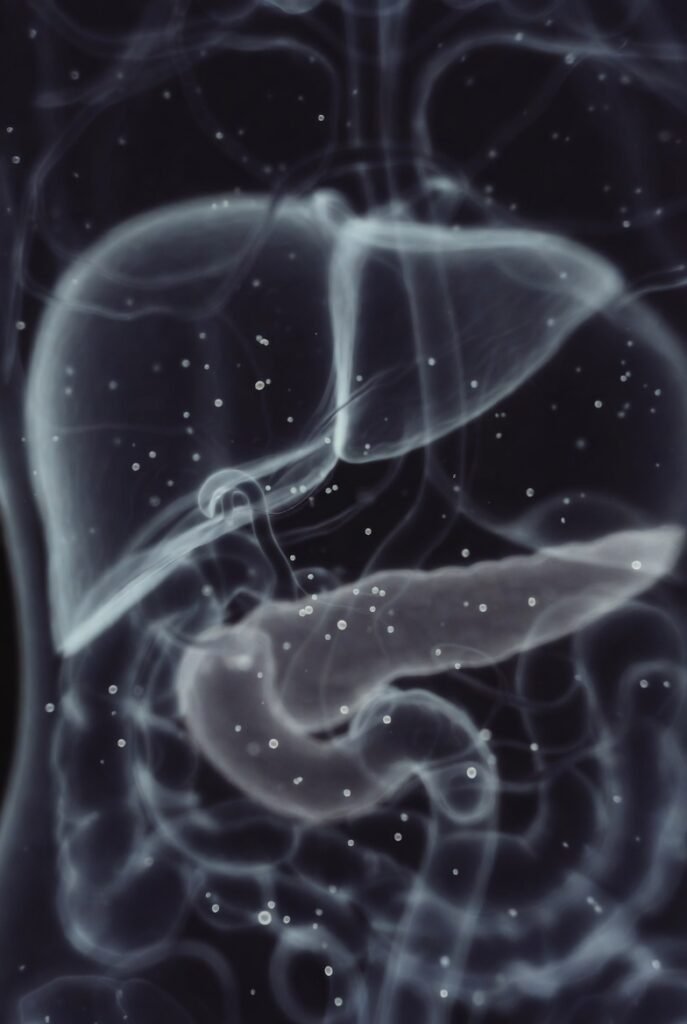
Normally, when blood sugar drops, the pancreas stops producing insulin and starts releasing glucagon.
Glucagon tells the liver to release stored glucose. In cases of non-diabetic hypoglycemia, this feedback loop fails.
Either too much insulin is present, or the counter-regulatory hormones like glucagon and cortisol are not functioning properly.
Clinicians categorize low blood sugar in non-diabetics into two primary types: reactive and fasting. Reactive hypoglycemia occurs within a few hours of eating a meal, while fasting hypoglycemia happens when the stomach is empty for long periods.
Identifying what is low blood sugar without diabetes in your specific case is the first step toward a cure. It is not a disease in itself but a clinical sign that something else in the metabolic or endocrine system requires attention.
What Are 5 Signs Your Blood Sugar Is Too Low?
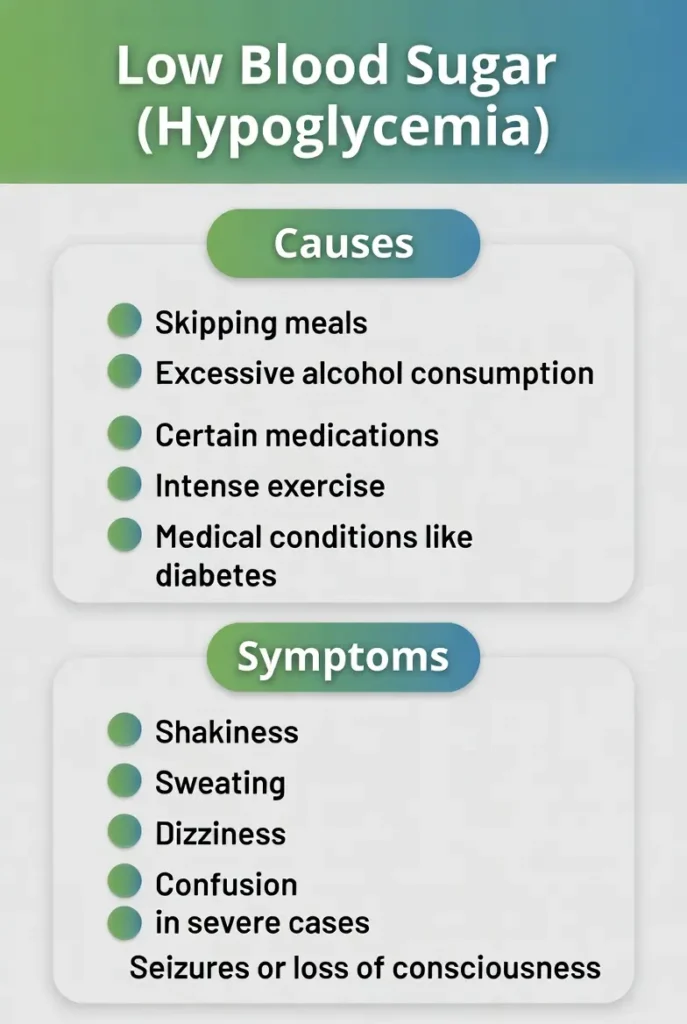
Recognizing signs of low blood sugar without diabetes is critical for preventing a minor drop from becoming a medical emergency.
The brain relies almost exclusively on glucose for fuel, so when levels dip, neurological and autonomic symptoms appear quickly.
During a clinical interview I conducted with a patient named Sarah, she described her episodes as “sudden waves of terror.” As a psychologist, I initially looked at anxiety markers, but we soon realized her “panic” was actually a physiological response to glucose levels hitting.
Here are the five most common signs:
- Shaking and Tremors: This is caused by the release of adrenaline (epinephrine) as your body tries to force the liver to release sugar.
- Excessive Sweating: Often called a “cold sweat,” this occurs regardless of the room temperature and is a classic autonomic sign.
- Dizziness and Lightheadedness: Because the brain is starving for fuel, you may feel faint or unsteady on your feet.
- Intense Anxiety or Irritability: The surge of stress hormones can make you feel panicked, angry, or confused without an obvious external cause.
- Heart Palpitations: You may feel your heart racing or skipping beats as your system enters a “fight or flight” mode to survive the energy deficit.
If left untreated, low blood sugar emergency symptoms can progress to blurred vision, slurred speech, seizures, or loss of consciousness. It is vital to act the moment the “shaky” feeling begins.
What Is Commonly Mistaken for Low Blood Sugar?
One of the greatest challenges in diagnosing reasons for hypoglycemia without diabetes is that the symptoms overlap with many other conditions.
Many of my patients spend months in the wrong specialty because their symptoms mimic other ailments.
Panic Attacks and Anxiety Disorders are the most frequent misdiagnoses. Because hypoglycemia triggers a massive adrenaline dump, the physical sensation is nearly identical to a panic attack. In Sarah’s case, she was prescribed anti-anxiety medication for years before a simple glucose monitor revealed the truth.
Dehydration and Electrolyte Imbalances can also cause dizziness and confusion.
However, dehydration usually presents with dry mouth and low blood pressure, whereas hypoglycemia often involves sweating and normal to high pulse rates.
Thyroid Issues and Anemia are other common culprits. An overactive thyroid can cause tremors and heart racing, while anemia causes profound fatigue and dizziness. A comprehensive blood panel is the only way to differentiate these from true non-diabetic hypoglycemia.
Main Causes of Low Blood Sugar Without Diabetes
Determining the reasons for hypoglycemia without diabetes requires a deep dive into your medical history and daily habits. The causes are diverse and often interconnected.
1. Reactive (Postprandial) Hypoglycemia
This is perhaps the most common cause in otherwise healthy adults. It happens when the body releases too much insulin in response to a meal—usually one high in refined carbohydrates or simple sugars.
When you eat a high-carb meal, your blood sugar spikes. In some people, the pancreas “overreacts” and floods the system with insulin.
This drives the sugar down too low, too fast. Reactive hypoglycemia symptoms typically appear 2 to 4 hours after eating.
A specific subset of this is “Dumping Syndrome,” which is a frequent low blood sugar cause after bariatric surgery. When the stomach is bypassed or shortened, food moves into the small intestine too quickly, triggering a massive, inappropriate insulin spike.
2. Fasting Hypoglycemia
If you experience low blood sugar from not eating, the cause is usually related to the body’s inability to maintain baseline levels.
This can be caused by malnutrition or extreme calorie restriction, where the liver lacks the glycogen stores to release during a fast.
Critical illness hypoglycemia also falls under this category.
When the body is fighting a massive infection (sepsis) or dealing with major organ failure, the metabolic demand is so high that the liver cannot keep up with the glucose requirements.
3. Hormonal Causes
The endocrine system is a delicate web. Since hormones like cortisol and growth hormone help raise blood sugar, any deficiency in these can lead to drops.
Adrenal insufficiency (Addison’s Disease) is a significant trigger. Without enough cortisol, your body cannot effectively counter-regulate insulin. Similarly, disorders of the pituitary gland can disrupt the signals that tell your body to produce more glucose during times of stress or fasting.
4. Insulin Overproduction (Insulinoma)
Though rare, an insulinoma is a serious medical cause of hypoglycemia. This is a small, usually benign tumor in the pancreas that secretes insulin independently of blood sugar levels.
People with an insulinoma will experience frequent, severe drops regardless of what they eat. If you find your blood sugar dropping into the 40s or 50s regularly, doctors will often perform a 72-hour fast in a hospital setting to rule out this condition.
5. Organ-Related Causes
The liver is the primary storage site for glucose. Therefore, liver disease and hypoglycemia are closely linked.
If the liver is scarred (cirrhosis) or inflamed (hepatitis), it cannot store or release glucose efficiently.
Kidney disease can also play a role. The kidneys help clear insulin from the bloodstream and contribute to glucose production through a process called gluconeogenesis.
When the kidneys fail, insulin can linger in the system too long, causing unexpected drops.
6. Alcohol and Lifestyle Triggers
Alcohol is a major cause of non-diabetic hypoglycemia. When you drink, your liver prioritizes breaking down the alcohol. While it is busy doing that, it stops releasing glucose.
If you drink on an empty stomach, your blood sugar can plummet. Furthermore, exercise-induced hypoglycemia can occur if you perform intense workouts without adequate fuel. Your muscles use up all available glucose, and the liver cannot replenish it fast enough.
Low Blood Sugar at Specific Times
The timing of a glucose drop provides the most significant clue regarding what causes low blood sugar without diabetes.
Our bodies operate on a circadian rhythm, and glucose regulation is tied directly to the rise and fall of hormones like cortisol, growth hormone, and adrenaline throughout a 24-hour cycle.
Low Blood Sugar in the Morning (Non Diabetic)
Waking up with a headache, feeling unusually shaky, or experiencing intense morning irritability are hallmark morning hypoglycemia causes. During the night, your body relies on the liver to slowly release glucose into the bloodstream to keep your brain fueled while you sleep.
In non-diabetics, a morning drop often indicates that the liver’s glycogen stores were depleted or that there was a “blunting” of the morning cortisol surge.
Cortisol typically rises just before waking to help raise blood sugar; if this surge is insufficient, you may wake up in a hypoglycemic state.
Blood Sugar Drops at Night
Experience with patients in clinical settings often reveals that blood sugar drops at night non-diabetic are linked to evening habits. This is frequently seen in individuals who engage in intense exercise late in the evening without a recovery snack.
Alcohol consumption is another major factor for nighttime drops. Since the liver is preoccupied with processing ethanol, it may fail to maintain glucose levels during the late-night hours.
This often results in “night sweats” or vivid nightmares, which are actually physiological responses to low brain fuel.
Sudden Drop in Blood Sugar
A sudden drop in blood sugar not diabetic is most often reactive. It usually follows the consumption of a high-glycemic food, such as a sugary cereal or a white flour bagel.
The rapid absorption of these sugars triggers an emergency insulin response that “overshoots” the target, causing levels to plummet within 60 to 90 minutes.
Low Blood Sugar in Special Populations
The metabolic demands of the body change drastically depending on age, gender, and life stage. Understanding reasons for hypoglycemia without diabetes requires looking at these specific demographic factors.
Pregnancy
Many women are surprised to find what causes low blood sugar without diabetes pregnancy is often the sheer demand of the growing fetus. During the second and third trimesters, the body becomes more efficient at using glucose, but the baby acts as a constant “sink,” pulling sugar from the mother’s blood.
Furthermore, hormonal shifts in pregnancy can lead to increased insulin sensitivity or mild reactive hypoglycemia. Pregnant women should be particularly mindful of “morning sickness,” which can mask the symptoms of low blood sugar, such as dizziness and nausea.
Teenagers
In my discussions with Dr. Laura Lloyd regarding adolescent health, we have noted that hypoglycemia in teenagers without diabetes is often tied to rapid growth spurts.
During these times, the metabolic rate is incredibly high, and if a teenager skips meals while staying active, their glucose levels can dip dangerously.
Hormonal fluctuations during puberty also play a role. The influx of sex hormones can occasionally interfere with how the body signals the liver to release sugar, leading to unexplained fatigue or “brain fog” during the school day.
Elderly
For the elderly without diabetes, hypoglycemia is frequently a result of malnutrition or “polypharmacy.” As appetite decreases with age, seniors may not consume enough carbohydrates to sustain baseline glucose levels.
Additionally, certain medications for blood pressure or heart conditions can inadvertently mask the “shaky” symptoms of low blood sugar. This makes the condition particularly dangerous for seniors, as they may not realize they are in trouble until they experience a fall or severe confusion.
What Level of Low Blood Sugar Is Dangerous?
When monitoring your health, it is vital to know what level of low blood sugar is dangerous. Most medical professionals use a three-tier system to classify the severity of the drop.
- Level 1 (Mild): <70 mg/dL. This is the threshold where you should begin to feel symptoms like hunger or shakiness. It is a signal to eat 15 grams of fast-acting carbs.
- Level 2 (Moderate): <54 mg/dL. This is considered “clinically significant” hypoglycemia. At this level, cognitive function begins to decline, and you may become confused or lose coordination.
- Level 3 (Severe): <40 mg/dL. This is a medical emergency. At this level, the risk of seizures, coma, or permanent neurological damage increases significantly.
If you find yourself frequently hitting Level 2 or Level 3 without a known cause, you must seek an immediate urological or endocrine evaluation. Low blood sugar emergency symptoms should never be ignored, as they indicate the brain is no longer receiving the fuel it needs to operate.
What to Eat When Blood Sugar Is Low
The treatment for non-diabetic hypoglycemia involves a two-step process: raising the sugar quickly and then stabilizing it for the long term. We follow the “15-15 Rule” even for non-diabetics.
First, consume 15 grams of fast-acting carbohydrates. This includes 4 ounces of fruit juice, a tablespoon of honey, or three glucose tablets. These are simple sugars that enter the bloodstream almost instantly.
The mistake many people make is stopping there. To prevent a “rebound” drop, you must follow up with a snack that contains protein and healthy fats. For example, after your juice, eat a slice of whole-grain toast with peanut butter or a handful of nuts with a piece of cheese.
This protein follow-up ensures that the sugar you just put into your system doesn’t trigger another massive insulin spike, which would lead to a second, deeper drop an hour later.
How to Prevent Hypoglycemia Naturally
Learning how to prevent hypoglycemia naturally is about creating a “slow-release” energy system for your body. The goal is to avoid the peaks and valleys that trigger insulin overproduction.
- Eat Small, Frequent Meals: Instead of three large meals, try eating five or six smaller meals throughout the day. This provides a steady trickle of glucose into the blood.
- Prioritize Complex Carbohydrates: Swap white bread and pasta for quinoa, sweet potatoes, and legumes. These take longer to break down and don’t cause the “spike and crash” cycle.
- Avoid Alcohol on an Empty Stomach: If you choose to drink, always have a meal containing protein and complex carbs first to protect your liver’s ability to release glucose.
- Manage Stress Levels: Since cortisol is a key player in glucose regulation, chronic stress can “wear out” your body’s ability to raise blood sugar when needed.
In my experience, patients who switch to a high-fiber, high-protein breakfast see an immediate reduction in their mid-morning “crashes.” The foundation of low blood sugar and weight loss or maintenance is stability.
When to See a Doctor
While many cases of low blood sugar in non-diabetics are lifestyle-related, you should never attempt a self-diagnosis if your symptoms are severe. Relying on “Reddit” threads or anecdotal advice can be dangerous if there is an underlying tumor or organ issue.
You should request a full metabolic panel and a “mixed meal tolerance test” if you experience:
- Fainting or loss of consciousness.
- Symptoms that do not improve after eating.
- Frequent drops below.
- Hypoglycemia that occurs even when you haven’t eaten for 12+ hours.
A doctor will check for an insulinoma, liver enzymes, and adrenal function to ensure that your “shaky spells” aren’t a symptom of something that requires surgical or pharmaceutical intervention.
Frequently Asked Questions
What causes low blood sugar without diabetes?
The most common causes include reactive hypoglycemia (too much insulin after a meal), alcohol consumption, certain medications, and hormonal deficiencies like adrenal insufficiency.
What is commonly mistaken for low blood sugar?
Panic attacks, anxiety disorders, dehydration, and heart arrhythmias are frequently mistaken for hypoglycemia due to the shared symptoms of racing heart and dizziness.
What are 5 signs your blood sugar is too low?
The primary signs are shaking, excessive sweating, dizziness, intense irritability or anxiety, and heart palpitations.
What to eat when blood sugar is low?
You should first eat 15 grams of fast carbs (like juice or honey) and then follow up with a protein-rich snack (like nuts or cheese) to stabilize the level.
Final Verdict on Non-Diabetic Hypoglycemia
Understanding what causes low blood sugar without diabetes is an empowering step toward total health.
Whether your drops are caused by the “dumping syndrome” of a post-bariatric life, the metabolic demands of pregnancy, or simply an over-reliance on refined sugars, there is almost always a path to stability.
By pairing the psychological insights of experts like Dr. Lloyd with sound medical testing, you can stop the “terror” of sudden drops and reclaim your energy.
Focus on balanced nutrition, listen to your body’s early warning signs, and always keep a stabilization snack on hand.
References:
- The Endocrine Society: Non-Diabetic Hypoglycemia: Clinical Practice and Guidelines
- Hormone Health Network: Understanding Hypoglycemia (Low Blood Sugar) in People Without Diabetes
- Mayo Clinic: Hypoglycemia: Symptoms, Causes, and Diagnostic Tests for Non-Diabetics
- Cleveland Clinic: Reactive Hypoglycemia: Why Your Blood Sugar Drops After Eating
- Johns Hopkins Medicine: Hypoglycemia: Low Blood Glucose Levels and Organ Function

Related Posts





MORE from Author
Read More Just last week, a patient named Sarah walked into my clinic carrying three different boxes of popular gut biome tests.…
 Recently, a frustrated patient named Mark visited my public health clinic. He handed me an expensive, beautifully packaged at-home stool…


- Have you ever felt constantly exhausted and painfully bloated after normal meals? Recently, a patient named Sarah sat in my…
- For most healthy adults, 7 hours of sleep per night is the minimum recommended amount, but 7–9 hours is ideal.…