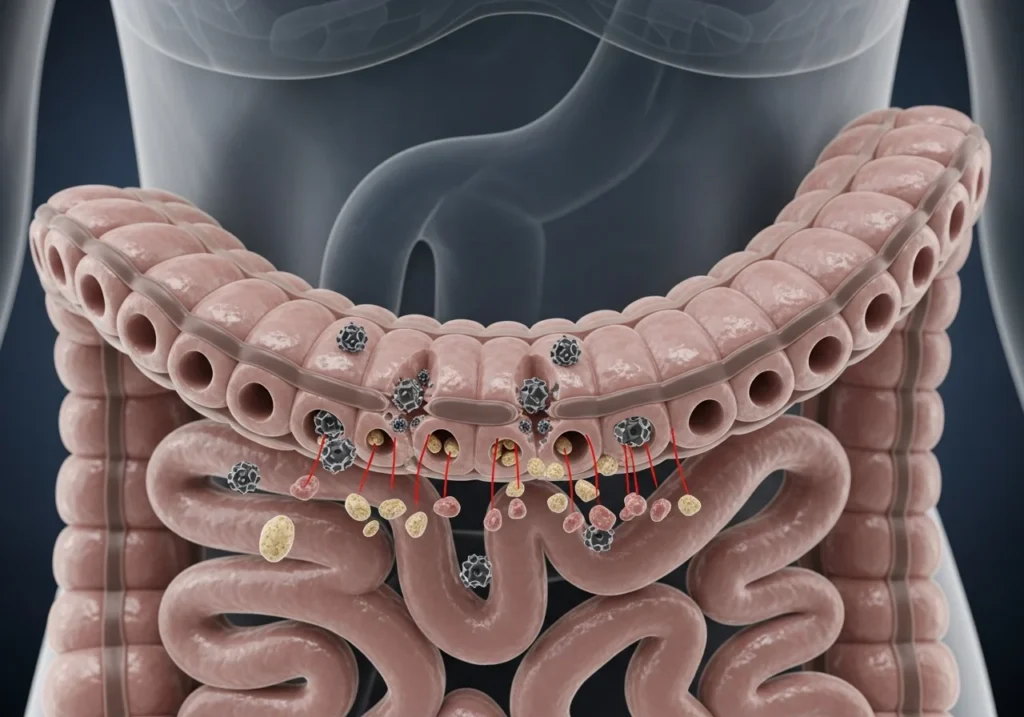
What Is High Blood Sugar? Levels, Symptoms, Causes, and What to Do (MD Guide)
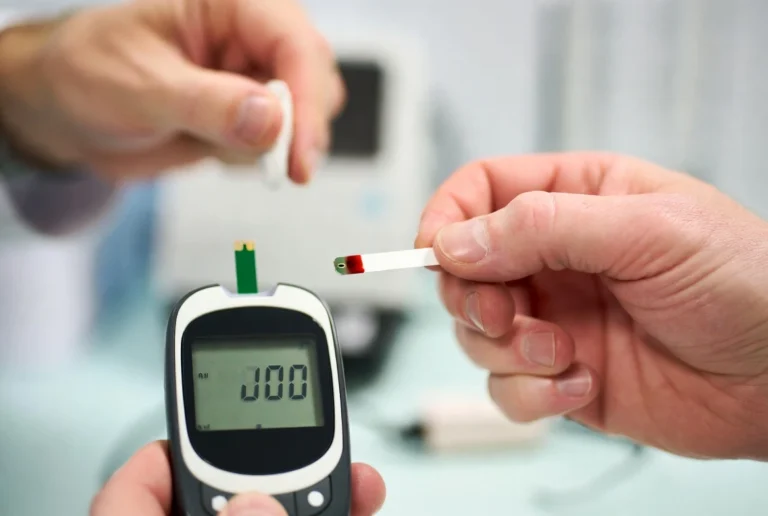
Have you ever felt a strange, sluggish “fog” after eating a heavy meal? Maybe you noticed you are suddenly thirstier than usual. These small signs often lead people to ask, “What is high blood sugar, and how does it affect the body?”
In my medical practice, I see many patients who feel overwhelmed by glucose numbers. High blood sugar, which doctors call hyperglycemia, occurs when too much glucose stays in your bloodstream. This happens because your body either lacks insulin or cannot use it correctly.
In this guide, we will explore what is considered high blood sugar and the common symptoms you should watch for. We will also discuss what hyperglycemia is in detail. Finally, you will learn the exact steps to take if your levels spike unexpectedly.
High Blood Sugar
High blood sugar (hyperglycemia) happens when blood glucose rises above healthy limits. Therefore, knowing your numbers is the first step toward safety.
| Condition | Fasting Blood Sugar Level | Post-Meal Blood Sugar Level |
| Normal | 70–99 mg/dL | Under 140 mg/dL |
| Prediabetes | 100–125 mg/dL | 140–199 mg/dL |
| Diabetes | 126 mg/dL or higher | 200 mg/dL or higher |
| Hyperglycemia | Over 130 mg/dL | Over 180 mg/dL |
| Emergency | Over 300 mg/dL | Over 300 mg/dL |
What Is High Blood Sugar Called?
Medical professionals use specific terms to describe glucose imbalances. Most importantly, you should know that high blood sugar is called hyperglycemia.
The word itself tells a story. “Hyper” means high, “glyc” refers to glucose, and “emia” means in the blood. Consequently, the term describes an excess of fuel that your cells cannot absorb.
In contrast, low blood sugar is called hypoglycemia. It is vital to distinguish between the two because their treatments differ. For example, hyperglycemia often requires hydration or insulin, while hypoglycemia requires fast-acting sugars.
During a recent patient interview, a man named Mark asked me why his “sugar” mattered so much. I explained that glucose is like fuel for a car. However, if you flood the engine with too much fuel, it stops running smoothly. Understanding what hyperglycemia is helps you protect your long-term health.
What Blood Sugar Level Is Considered High?
Determining what a high blood sugar level is depends heavily on when you last ate. Your body naturally processes sugar throughout the day. Because of this, “high” is a relative term.
Normal Blood Sugar Levels
For most healthy adults, a normal fasting level is between 70 and 99 mg/dL. After you eat a meal, your sugar should stay below 140 mg/dL. These levels show that your insulin is working effectively.
High Blood Sugar Levels
You might wonder, at what level is blood sugar considered high? Generally, doctors consider a fasting level of 126 mg/dL or higher as a sign of diabetes.
If you test your sugar two hours after a meal, a reading over 180 mg/dL is considered high. Additionally, any random reading over 200 mg/dL usually indicates hyperglycemia.
People often ask about different measurement units. For instance, is 8.2 blood sugar high? In the US, we use mg/dL, but other countries use mmol/L. An 8.2 mmol/L reading equals roughly 148 mg/dL. This is slightly elevated if you are fasting, but it may be normal after a meal.
High Blood Sugar Levels Chart
Using a high blood sugar level chart can help you track your health at home. It provides a visual guide for what the high blood sugar range is in different scenarios.
| Reading (mg/dL) | Clinical Meaning | Action Required |
| 70–99 | Optimal / Normal | Maintain healthy habits. |
| 100–125 | Prediabetes | Consult a doctor for lifestyle changes. |
| 126–180 | High / Elevated | Monitor closely and follow your care plan. |
| 181–300 | Hyperglycemia | Take prescribed meds; drink water. |
| 300+ | Severe / Danger | Contact your medical team immediately. |
Many patients ask what a high blood sugar number is for a crisis. If you see a number over 300 mg/dL, you are in a high-risk zone. Consequently, you must watch for signs of confusion or nausea.
What Happens When Blood Sugar Is Too High?
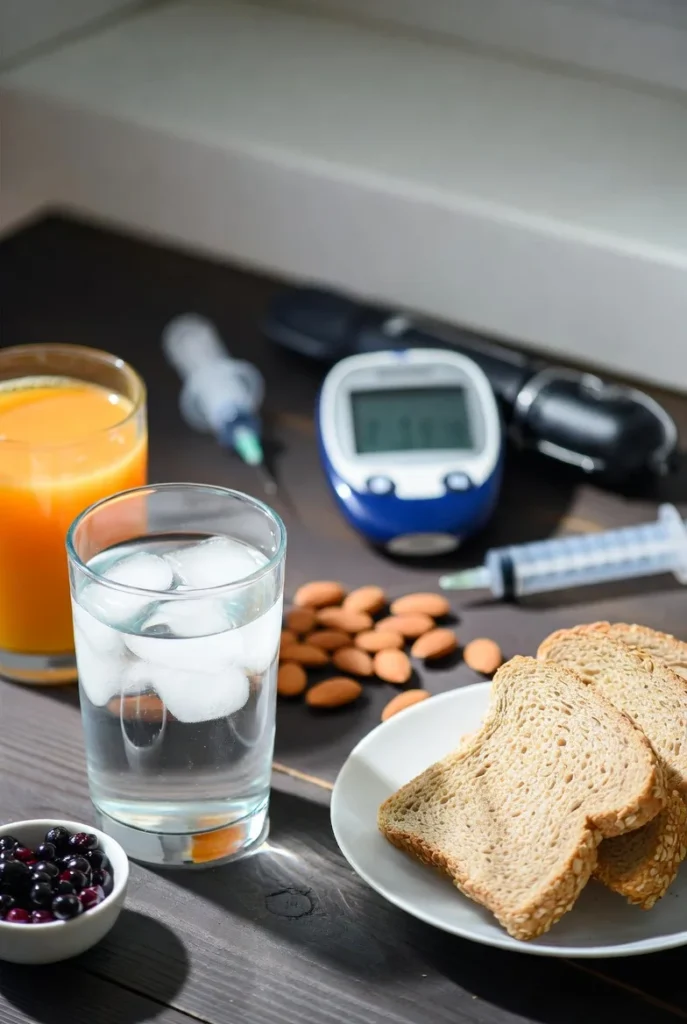
When your glucose stays elevated, your physiology begins to change. First of all, your blood becomes “thick” with sugar. This creates an osmotic effect that pulls water out of your cells.
As a result, you become severely dehydrated. Your kidneys then work overtime to filter the excess glucose. This is why you feel the urge to urinate more often.
In my clinical experience, I have seen how high sugar causes systemic inflammation. Over time, these high levels damage the small blood vessels in your eyes and kidneys. Furthermore, it can harm the nerves in your feet, leading to numbness.
Short-term effects include blurry vision and extreme fatigue. However, long-term complications are more serious. These include heart disease, stroke, and permanent vision loss. Therefore, managing what happens when your blood sugar is high is essential for longevity.
What Are 5 Signs Your Blood Sugar Is Too High?
Identifying high blood sugar symptoms early can prevent a trip to the emergency room. While everyone feels different, five classic signs usually appear first.
1. Excessive Thirst (Polydipsia)
Do you feel like you can’t drink enough water? This happens because your body is trying to dilute the sugar in your blood. It is often the very first sign people notice.
2. Frequent Urination (Polyuria) a)
If you are waking up multiple times a night to use the bathroom, take note. Your kidneys are trying to flush out the excess glucose. This symptom often goes hand-in-hand with thirst.
3. Unexplained Fatigue
You might feel exhausted even after a full night of sleep. Since the sugar stays in your blood instead of entering your cells, your body lacks energy. Essentially, you have fuel, but you can’t use it.
4. Blurred Vision
High sugar levels can cause the lenses in your eyes to swell. This changes your ability to focus correctly. Fortunately, this is usually temporary if you lower your levels.
5. Persistent Headaches
Fluctuating glucose levels often trigger headaches or “brain fog.” Many patients describe this as a dull pressure that won’t go away.
Besides these five, you might also experience dry mouth or slow-healing sores. If you find yourself asking, “How do you feel when blood sugar is high?” look for these clusters of symptoms.
What Causes High Blood Sugar Levels?
Understanding what causes high blood sugar is the key to preventing it. While diabetes is the most common reason, other factors can trigger a spike.
Diabetes-Related Causes
In Type 1 diabetes, the body stops making insulin. In Type 2, the body becomes resistant to it. Consequently, sugar builds up in the blood. Missing a dose of medication or eating too many carbohydrates can also cause a spike.
Non-Diabetic Causes
Can you have hyperglycemia without diabetes? Yes, you certainly can. Physical stress from an illness or infection can raise glucose. Another common cause is the use of steroid medications like prednisone.
Lifestyle Factors
Surprisingly, poor sleep can raise your sugar levels the next morning. High stress levels also trigger the release of cortisol. This hormone tells your liver to release more glucose into the blood.
I once treated a patient who had perfect “clean” meals but very high sugar. We discovered his high-stress job was the primary culprit. Therefore, managing stress is just as important as managing your diet.
What Is High Blood Sugar for Different Groups?
Not everyone has the same target range. Doctors often customize these goals based on age and health status. Therefore, what is high blood sugar for a diabetic might look different from what it is for a pregnant woman.
High Blood Sugar for Diabetics
For those living with diabetes, the American Diabetes Association (ADA) sets specific targets. Generally, you want your fasting sugar to stay between 80 and 130 mg/dL. Two hours after a meal, the goal is usually under 180 mg/dL. If you consistently stay above these numbers, your treatment plan may need an update.
Type 1 vs. Type 2 Diabetes
In Type 1 diabetes, the pancreas makes no insulin. Because of this, blood sugar can spike very rapidly. In Type 2, the body’s cells don’t respond well to insulin. This often leads to a slower, more gradual rise in glucose. Both conditions require careful monitoring to avoid complications.
High Blood Sugar in Pregnancy
Pregnancy changes how your body uses insulin. This can lead to gestational diabetes. For pregnant women, doctors use stricter limits. A fasting level over 95 mg/dL is often considered high. Similarly, a reading over 120 mg/dL two hours after eating may require intervention.
High Blood Sugar in Children
Children and teens often have higher targets than adults. This is because their bodies are growing and their activity levels change. However, persistent thirst and bedwetting in children are major red flags. If you notice these, consult a pediatrician to check for what is high blood sugar in children.
What Is High Blood Sugar in the Morning?
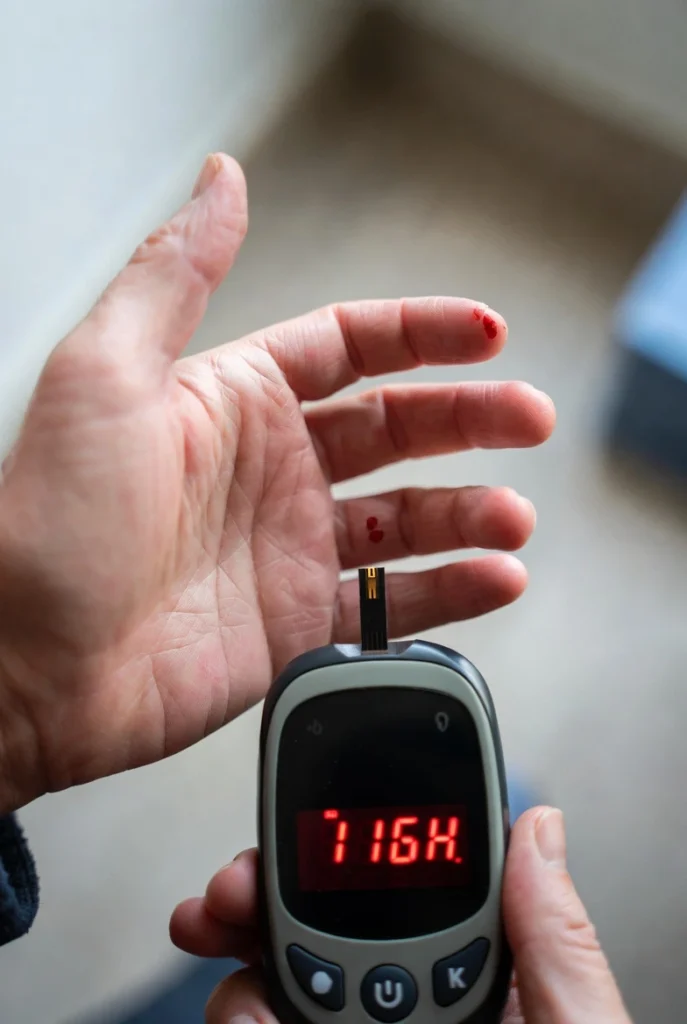
Many people are surprised to see high numbers right after they wake up. This is a common issue known as “high blood sugar in the morning.” “Even if you didn’t eat late at night, your glucose can still rise.
Usually, this happens because of the “Dawn Phenomenon.” Between 4:00 AM and 8:00 AM, your body releases hormones like cortisol and growth hormone. These hormones tell your liver to release glucose for energy. Most people produce enough insulin to handle this. However, if you have insulin resistance, your sugar levels will climb.
Another cause is the Somogyi effect. This occurs when your blood sugar drops too low during the night. In response, your body panics and releases stored sugar. This creates a “rebound” high in the morning.
I recently worked with a patient who struggled with high fasting numbers. We discovered he was having “silent” lows at 2:00 AM. By adjusting his evening snack, we leveled his morning readings. Understanding these patterns is a vital part of knowing what high blood sugar is for your specific body.
What Is Dangerously High Blood Sugar?
At a certain point, high sugar moves from a “concern” to a “crisis.” You must know what dangerously high blood sugar is to stay safe.
A reading over 300 mg/dL is generally considered a medical danger zone. At this level, your body may start burning fat for fuel instead of sugar. This process creates acids called ketones.
DKA and HHS
If ketones build up, you can develop diabetic ketoacidosis (DKA). This is a life-threatening emergency. It is more common in Type 1 diabetes. On the other hand, Type 2 patients may face Hyperosmolar Hyperglycemic State (HHS). In HHS, sugar levels can exceed 600 mg/dL, leading to extreme dehydration.
Symptoms of a medical emergency include:
- Fruity-smelling breath
- Nausea and vomiting
- Confusion or extreme drowsiness
- Shortness of breath
If you experience these, do not wait. Seek emergency care immediately. Knowing what is high blood sugar emergency levels are can quite literally save a life.
What To Eat When Blood Sugar Is High
When your levels are elevated, your food choices matter. You want foods that provide stable energy without causing further spikes. Knowing what to eat when blood sugar is high can help you stabilize faster.
Focus on these glucose-friendly options:
- Leafy Greens: Spinach and kale are very low in carbohydrates.
- Lean Protein: Chicken, fish, or eggs help you feel full.
- Healthy Fats: Avocado and nuts provide energy without the sugar rush.
- Non-Starchy Veggies: Broccoli, cucumbers, and peppers are excellent choices.
Avoid “white” foods like white rice, white bread, and potatoes. These foods break down quickly into sugar, which will only worsen your hyperglycemia.
Frequently Asked Questions
What is considered high blood sugar?
Blood sugar is generally considered high if it is over 130 mg/dL while fasting. After a meal, anything over 180 mg/dL is considered hyperglycemia.
How do you feel when blood sugar is high?
Most people feel very thirsty and tired. You might also notice you need to urinate more often or that your vision is slightly blurry.
Is an 8.2 blood sugar high?
An 8.2 mmol/L reading translates to about 148 mg/dL. This is slightly high for a fasting measurement, but it may be normal after a meal.
What blood sugar level is dangerous?
Any reading over 300 mg/dL is considered dangerous. You should contact your healthcare provider immediately if your levels stay this high.
Can stress cause high blood sugar?
Yes, stress releases hormones like cortisol. This causes your liver to release extra glucose, which can raise your blood sugar even if you haven’t eaten.
Conclusion
Understanding what high blood sugar is is a vital skill for your health. We have covered the levels, symptoms, and causes that every person should know. Whether you are managing diabetes or just watching your health, knowledge is your best defense.
Remember that what is hyperglycemia for one person might be different for another. Always track your numbers and share them with your medical team. By catching high levels early, you can prevent serious long-term damage to your heart, kidneys, and eyes.
I encourage you to stay hydrated, stay active, and keep a close eye on those numbers. If you ever feel confused or overwhelmed, reach out to a healthcare professional. We are here to help you navigate your health journey with confidence.
References

Related Posts



MORE from Author
Read More Just last week, a patient named Sarah walked into my clinic carrying three different boxes of popular gut biome tests.…
 Recently, a frustrated patient named Mark visited my public health clinic. He handed me an expensive, beautifully packaged at-home stool…


- Have you ever felt constantly exhausted and painfully bloated after normal meals? Recently, a patient named Sarah sat in my…
 It's scary to wake up in the middle of the night and not be able to move or talk. People…