What Level of Blood Sugar Is Dangerous? High, Low, Emergency Ranges Explained
Maintaining a healthy glucose balance is often a balancing act that feels like a full-time job. Whether you are living with diabetes or caring for a loved one, knowing what level of blood sugar is dangerous remains the most critical piece of knowledge you can have.
Standard glucose levels fluctuate throughout the day based on your last meal, physical activity, and even stress levels. However, when those numbers drift too far from the median, they become a medical emergency.
In my clinical experience, I have seen patients walk into the clinic feeling “fine” with a blood sugar of 400. Conversely, I have seen others lose consciousness when their levels dipped just below 60.
This guide breaks down exactly what level of blood sugar is dangerous. We will look at the thresholds for hyperglycemia and hypoglycemia. Furthermore, you will learn when it is time to stop monitoring at home and head to the emergency room.
What Is Considered a Dangerous Blood Sugar Level?
A dangerous blood sugar level is any reading that puts your internal organs or neurological function at immediate risk. Generally, we categorize these into two extremes: the “highs” and the “lows.”
For most non-pregnant adults, a blood sugar level is dangerously high when it consistently stays above 240 mg/dL. At this point, the risk of metabolic acidosis increases significantly.
On the flip side, a blood sugar level is dangerously low when it drops below 55 mg/dL. This is often referred to as “severely low” glucose. It can lead to seizures or a loss of consciousness if not treated immediately.
Normal vs. Unsafe vs. Emergency Levels
Understanding the spectrum of glucose is vital for your safety. A “normal” fasting blood sugar for someone without diabetes is typically between 70 and 99 mg/dL.
Once your numbers cross the 200 mg/dL mark after a meal, you are entering an unsafe zone. However, a blood glucose level emergency room visit is usually triggered when levels exceed 300 mg/dL accompanied by symptoms.
| Category | Range (mg/dL) | Action Level |
| Normal (Fasting) | 70–99 | Safe |
| Normal (Post-Meal) | Under 140 | Safe |
| High (Hyperglycemia) | 180–240 | Monitor Closely |
| Dangerously High | 240–300 | Call Doctor |
| Emergency High | 300+ with symptoms | ER Visit |
| Dangerously Low | Under 55 | Immediate Sugar |
Why the Same Number Can Be Dangerous for One Person but Not Another
Individual health history plays a massive role in glucose tolerance. For example, a person with “hypoglycemia unawareness” might not feel a drop until they are at 40 mg/dL.
I recently consulted with a patient, Sarah, who had lived with Type 2 diabetes for twenty years. She felt perfectly normal at 250 mg/dL because her body had adapted to chronic high sugar.
However, her internal organs were still suffering “silent” damage. This is why you must rely on your glucometer rather than just your “feelings” to determine if a level is dangerous.
Normal Blood Sugar Levels (Reference Section)
To know what is dangerous, we must first define what is healthy. Normal levels vary slightly depending on your age and when you last ate.
Normal Blood Sugar Levels for Adults
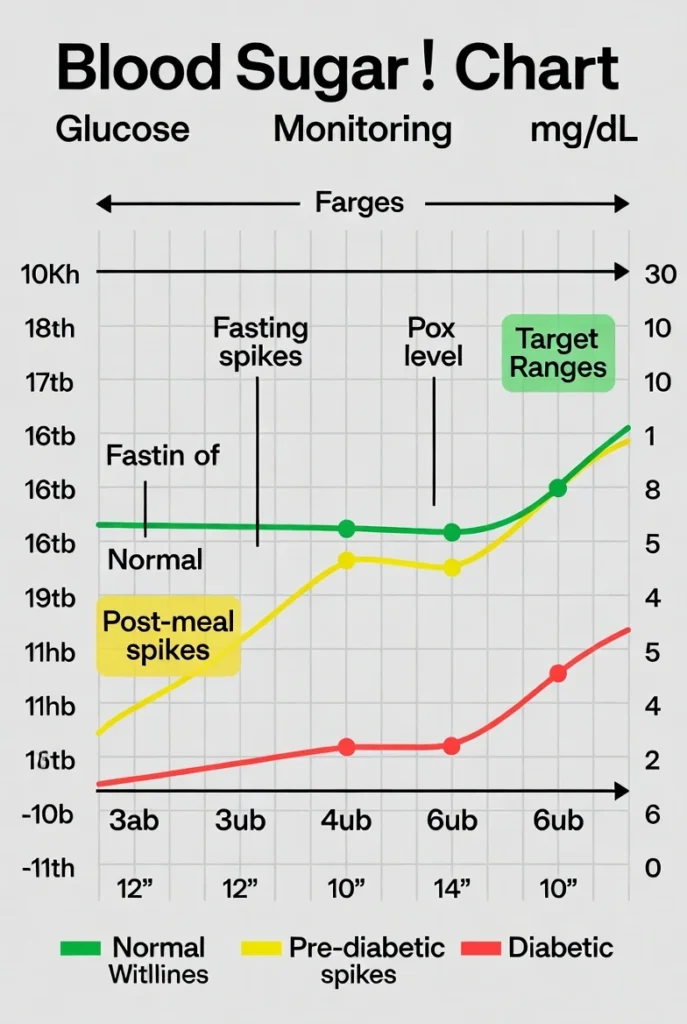
For the average adult, the body tightly regulates glucose. After fasting for eight hours, you should ideally see a number under 100 mg/dL.
Two hours after a meal, a healthy response is a reading under 140 mg/dL. If you are consistently seeing 160 or higher after meals, it is worth discussing with a provider.
Normal Blood Sugar Levels by Age
Age influences how our bodies process insulin and glucose. Children often have slightly different target ranges compared to the elderly.
A blood sugar level age 50 to 60 might be managed more strictly than a patient in their 80s. In older adults, we sometimes allow a slightly higher range to prevent the risk of dangerous falls from low sugar.
- Children (0-6): 100–180 mg/dL (fasting).
- Adults: 70–130 mg/dL (before meals).
- Elderly (65+): 80–150 mg/dL (depending on comorbidities).
Dangerous High Blood Sugar Levels (Hyperglycemia)
Hyperglycemia occurs when the body lacks enough insulin or cannot use it effectively. But at what level of high blood sugar is dangerous exactly?
Specific High Blood Sugar Scenarios
If you see a reading of 200 mg/dL, it is a sign that your management plan needs adjustment. However, once you hit the 300 mark, the situation changes.
Is blood sugar 300 dangerous? Yes, especially if it stays there. This level can lead to dehydration and the beginning of ketone production.
When blood sugar is 400 or over 500, you are in the “red zone.” These levels can lead to a condition called DKA (Diabetic Ketoacidosis) or HHS (Hyperosmolar Hyperglycemic State).
How High Can Blood Sugar Go Before Death?
This is a heavy question, but an important one for emergency preparedness. The human body is resilient, but it has limits.
A blood sugar level 600 survival rate depends entirely on how quickly medical intervention occurs. At these levels, the blood becomes “syrupy” and thick.
This leads to massive fluid loss and brain swelling. A diabetic coma blood sugar level usually starts around 600 mg/dL, though some people may lapse into a coma at lower levels if they are severely dehydrated.
Dangerous Low Blood Sugar Levels (Hypoglycemia)
Low blood sugar, or hypoglycemia, is often more immediately life-threatening than high blood sugar. It can happen in minutes.
What Level of Low Blood Sugar Is Dangerous?
The clinical definition of hypoglycemia is a reading below 70 mg/dL. While 70 is the “alert” zone, the “danger” zone starts at 54 mg/dL.
If your blood sugar level is 50, it is an emergency. At this stage, your brain is not receiving enough fuel to function correctly.
Low Blood Sugar Emergency Levels
When blood sugar is under 40, the risk of permanent neurological damage or death increases. You may experience “confusion,” “slurred speech,” or “seizures.”
How low can blood sugar go before death? While every body is different, levels below 20 mg/dL are often fatal without immediate intravenous glucose or a glucagon injection.
Dangerous Blood Sugar Levels by Condition
Your specific diagnosis changes the definition of a “critical” level. A Type 1 diabetic faces different risks than someone with gestational diabetes.
Type 2 Diabetes Dangerous Sugar Levels
In Type 2 diabetes, the body is resistant to insulin. Dangerous levels often creep up slowly over days or weeks.
Uncontrolled diabetes dangerous levels usually involve fasting numbers consistently over 200 mg/dL. This chronic elevation leads to kidney failure and vision loss over time.
Type 1 Diabetes Critical Blood Sugar Levels
Type 1 patients are at a higher risk for DKA. For these individuals, a blood sugar over 250 mg/dL with the presence of ketones is a major emergency.
Pregnancy Dangerous Blood Sugar Levels
During pregnancy, the stakes are higher for both the mother and the baby. Doctors use much stricter targets.
A fasting level over 95 mg/dL or a post-meal level over 140 mg/dL is often considered dangerous. High sugar can lead to preeclampsia or macrosomia (an extra-large baby).
Dangerous Blood Sugar by Timing
The timing of your glucose test is just as important as the number on the screen. A high reading after a heavy holiday meal is concerning, but the same number on an empty stomach is often a crisis.
Fasting Blood Sugar Dangerous Levels
Fasting blood sugar is measured after you have not eaten for at least eight hours. For most people, this happens first thing in the morning.
What level of fasting blood sugar is dangerous? If your morning reading is consistently over 130 mg/dL, you are in the zone for a diabetes diagnosis. However, if that number hits 250 mg/dL before you have even had a bite to eat, your body is struggling significantly with insulin production.
Post-Meal Blood Sugar Dangerous Levels
It is normal for sugar to rise after eating. Most doctors want to see your sugar stay below 180 mg/dL two hours after a meal.
A blood sugar spike how high is dangerous? If you see a jump to 300 mg/dL or higher after eating, your medication or carb-to-insulin ratio is likely off. These spikes can cause “glucose variability,” which is hard on your blood vessels.
Nighttime Blood Sugar Dangerous Levels
Nighttime is a vulnerable period because you are asleep and cannot easily monitor symptoms. A nighttime blood sugar level below 70 mg/dL is dangerous because it can lead to “dead-in-bed” syndrome—a rare but terrifying outcome of severe nocturnal hypoglycemia.
Blood Sugar Danger Levels Charts
Visualizing these numbers helps you make quick decisions. Use these charts to identify where your current reading falls.
Normal vs. Dangerous Blood Sugar Levels (Non-Pregnant Adults)
| Timing | Normal Range | Dangerous (High) | Emergency (High) |
| Fasting | 70–99 mg/dL | 130–240 mg/dL | 250+ mg/dL |
| 2 Hours Post-Meal | < 140 mg/dL | 200–300 mg/dL | 350+ mg/dL |
| Random/Anytime | < 140 mg/dL | 250+ mg/dL | 400+ mg/dL |
Blood Sugar Level Chart by Age (Dangerous Range)
| Age Group | Low Danger | High Danger (Seek Advice) | Emergency (Call 911/ER) |
| Children (0–12) | < 70 mg/dL | 200+ mg/dL | 300+ mg/dL |
| Adults (18–64) | < 55 mg/dL | 250+ mg/dL | 350+ mg/dL |
| *Elderly (65+) ** | < 70 mg/dL | 200+ mg/dL | 300+ mg/dL |
Symptoms of Dangerous Blood Sugar Levels
Your body usually sends out warning flares when glucose is out of whack. Learning to recognize these five signs can save your life.
Symptoms of Dangerously High Blood Sugar
Hyperglycemia usually develops over hours or days. You might feel “foggy” or “lethargic” as your sugar climbs.
- Extreme Thirst (Polydipsia): You feel like you cannot drink enough water.
- Frequent Urination: Your kidneys are working overtime to flush out the excess sugar.
- Blurred Vision: High sugar levels cause the lenses in your eyes to swell.
- Shortness of Breath: This can be a sign of DKA, a life-threatening complication.
- Fruity-Smelling Breath: This occurs when your body burns fat for fuel, creating ketones.
Symptoms of Dangerously Low Blood Sugar
Hypoglycemia is much faster and often feels like a sudden “crash.” In my practice, I have had patients describe it as an “out-of-body” experience.
- Shakiness or Tremors: Your nervous system is reacting to the lack of fuel.
- Intense Hunger: Also known as “wolfish” hunger.
- Irritability or Sudden Anxiety: You may feel “hangry” or irrationally angry.
- Cold Sweats: Clammy skin is a classic sign of a drop.
- Dizziness: You may feel like the room is spinning.
When Blood Sugar Is a Medical Emergency
Knowing when to go to the hospital for high blood sugar is the difference between a quick IV treatment and a multi-day stay in the ICU.
When to Go to the Hospital for High Blood Sugar
If your blood sugar is above 350 and you cannot bring it down with your usual protocol, call your doctor. However, go straight to the ER if you have:
- Vomiting and inability to keep fluids down.
- Confusion or extreme sleepiness.
- Moderate to high ketones in your urine.
When to Call 911 for Low Blood Sugar
Low sugar is an immediate emergency if the person is:
- Unable to swallow.
- Unconscious or having a seizure.
- Combative or severely confused.
If you are using the “Rule of 15” (eat 15g of carbs, wait 15 minutes) and the sugar does not rise after two attempts, seek help.
How to Bring Blood Sugar Down Quickly (Safe Guidance)
If you find yourself in the “High” but not “Emergency” category, you need to act. But remember, “quickly” in medicine is a relative term.
Immediate Steps for High Blood Sugar
First, take any missed doses of your prescribed medication or insulin as directed by your physician. Second, drink plenty of water to help your kidneys filter the glucose.
Third, consider light activity, such as a 15-minute walk. However, do not exercise if your sugar is over 250 mg/dL and you have ketones, as this can actually make the situation worse.
Immediate Treatment for Dangerous Blood Sugar Levels (Low)
For a drop, you need “fast-acting” glucose. Think 4 ounces of juice, 5–6 pieces of hard candy, or glucose tabs. Avoid chocolates or fatty foods during a crash, because the fat slows down the sugar absorption.
A1C Levels Considered Dangerous
While daily numbers tell us about the “now,” the A1C tells us about the “last three months.” An A1C level considered dangerous is typically anything above 9%.
At this level, your risk for permanent nerve damage (neuropathy) and kidney disease (nephropathy) skyrockets. If your A1C is over 10%, most clinicians will recommend an aggressive change in your treatment plan.
Frequently Asked Questions
What number is dangerously high blood sugar?
For most adults, a reading over 240 mg/dL is dangerous and requires medical consultation. Anything over 300 mg/dL with symptoms like vomiting or confusion is a medical emergency.
What number is dangerously low blood sugar?
A blood sugar level below 70 mg/dL is the alert level. However, a reading below 54 mg/dL is clinically significant hypoglycemia and requires immediate treatment to prevent loss of consciousness.
What blood sugar level requires hospitalization?
Hospitalization is typically required when sugar exceeds 400 mg/dL or when a patient shows signs of DKA or HHS. Severe lows that cause seizures also require a hospital stay.
What happens if blood sugar is over 700?
A blood sugar level over 700 puts you at extreme risk for a hyperosmolar hyperglycemic state (HHS). This can lead to severe brain dehydration, coma, and organ failure without immediate ICU care.
Can you survive blood sugar over 600?
Yes, you can survive, but it is a critical medical crisis. Survival depends on rapid rehydration and a controlled insulin drip to lower levels safely without causing brain swelling.
Medical Disclaimer
The information provided is for educational purposes and is not a substitute for professional medical advice. Always consult your healthcare provider before making changes to your diabetes management. If you are experiencing a medical emergency, call 911 immediately.
References
- American Diabetes Association – Checking Your Blood Sugar
- CDC – Manage Blood Sugar
- NIH National Institute of Diabetes and Digestive and Kidney Diseases – Hypoglycemia
- PubMed: Management of Hyperglycemic Crises
- Mayo Clinic – Hyperglycemia in Diabetes
Meta Title
Meta Description

Related Posts






MORE from Author
Read More Just last week, a patient named Sarah walked into my clinic carrying three different boxes of popular gut biome tests.…
 Recently, a frustrated patient named Mark visited my public health clinic. He handed me an expensive, beautifully packaged at-home stool…


- Have you ever felt constantly exhausted and painfully bloated after normal meals? Recently, a patient named Sarah sat in my…
- For most healthy adults, 7 hours of sleep per night is the minimum recommended amount, but 7–9 hours is ideal.…