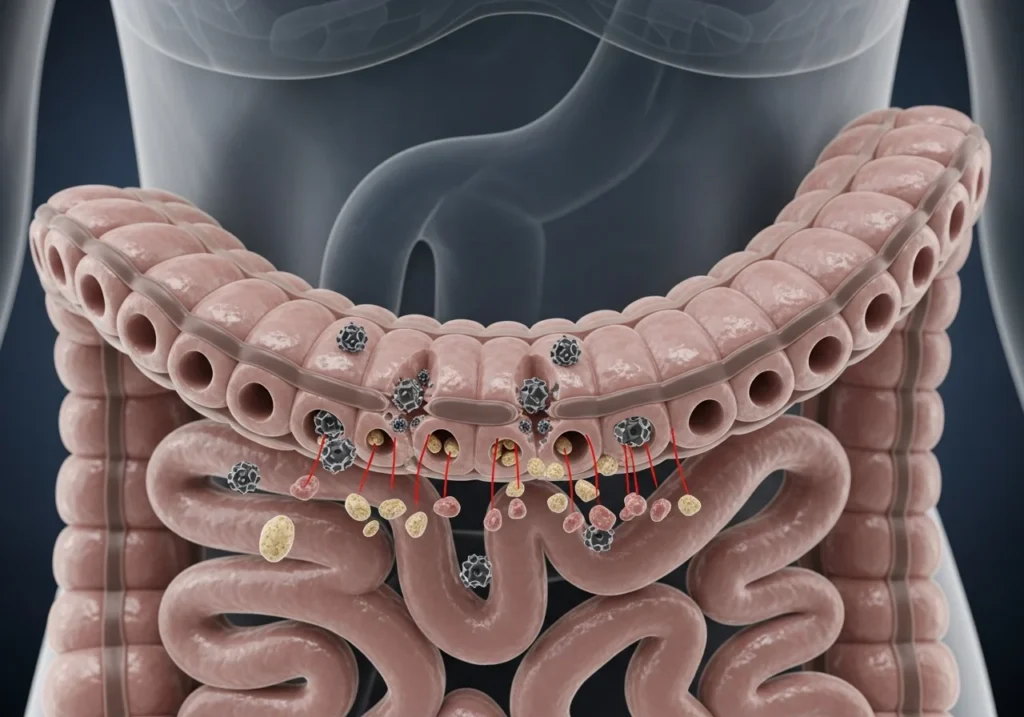
What To Do When Blood Sugar Is High: Immediate Steps, Causes, and Safe Ways to Lower It (MD Guide)

Finding out your glucose levels are spiked can be quite a scary moment. You might feel a rush of heat, a dry mouth, or just a sense of deep exhaustion. Many of my patients come to me asking what to do when blood sugar is high, especially when they feel ‘off’ but aren’t sure if it is an emergency.
High blood sugar, medically known as hyperglycemia, happens when your body cannot effectively move sugar from the blood into the cells. This can affect people with Type 1 or Type 2 diabetes. However, it also occurs during times of high stress or illness.
In this guide, we will break down what to do when your blood sugar is high using a clear, step-by-step approach. You will learn how to reduce your blood sugar level immediately through hydration and movement. We will also explore the diet choices and emergency signs every person should know.
How to Know When Levels Are Too High
Before you can decide what to do when blood sugar is high, you must recognize the warning signs. Your body has a very specific way of telling you that it is “spilling” sugar.
In my years of clinical practice, I have interviewed hundreds of patients about their first symptoms. One patient, Sarah, told me she thought she was just tired from work. Later, she realized her constant thirst was actually a cry for help from her kidneys.
Top 5 Signs Blood Sugar Is Too High
- Extreme Thirst: You feel like you cannot drink enough water.
- Frequent Urination: You are visiting the restroom much more than usual.
- Sudden Fatigue: You feel heavy, sluggish, or “drained” of all energy.
- Blurred Vision: Things look fuzzy because high sugar causes the eye lenses to swell.
- Headaches: A persistent, dull ache often accompanies a glucose spike.
Beyond these five, you might experience dry mouth or difficulty concentrating. If these symptoms of high blood sugar appear, it is time to grab your glucose monitor. Knowing what to do when blood sugar is high and symptoms start appearing is the first line of defense.
Blood Sugar Levels Chart: When Is Blood Sugar Considered High?
Understanding what to do if my blood sugar is high starts with knowing my numbers. A “high” number for a person with long-term diabetes might be different from that of someone without it.
| Blood Sugar Level | Clinical Meaning | Action Required |
| 70–99 mg/dL | Normal Fasting | No action needed. |
| 100–125 mg/dL | Prediabetes | Focus on long-term lifestyle. |
| 126–180 mg/dL | Elevated | Monitor and drink water. |
| 180–300 mg/dL | High (Hyperglycemia) | Use “sick day” or correction protocol. |
| 300+ mg/dL | Dangerous Level | Contact your medical provider. |
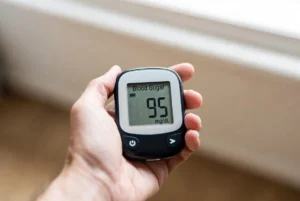
Is a 130 blood sugar level normal after eating? Yes, for many people, a reading of 130 mg/dL one to two hours after a meal is perfectly healthy. However, if that 130 reading happens after you have fasted for eight hours, it is considered high. Always look at the context of your last meal.
What To Do Immediately When Blood Sugar Is High

If you see a high number on your screen, you need an action plan. You are likely wondering how to bring blood sugar down quickly without causing a “crash.”
Drink water.
This is the simplest thing you can do. Water helps dilute the sugar in your bloodstream. Most importantly, it supports your kidneys as they filter out the excess glucose. Avoid juice or soda, as these will only drive the numbers higher.
Take Prescribed Medication
If you have a “correction factor” or a sliding scale for insulin, now is the time to use it. Never take extra medication without a prior plan from your doctor. If you are on oral meds, ensure you haven’t missed a dose.
Light Exercise
I often tell patients to take a “glucose walk.” Walking for 15 minutes makes your muscles more sensitive to insulin. This allows your cells to soak up the sugar for fuel. However, skip the gym if you feel dizzy or short of breath.
Check Blood Sugar Again
Patience is key. It takes time for water and movement to work. Recheck your levels in one to two hours. This tells you if your levels are trending down or if you need more help. Knowing what to do immediately when blood sugar is high can prevent a minor spike from becoming a crisis.
What To Do When Blood Sugar Is High in Diabetes
Diabetes management is not a one-size-fits-all approach. Your steps will change depending on which type of diabetes you have.
Type 1 Diabetes
In Type 1, the main concern is a lack of insulin. If you are asking what to do when blood sugar is high in type 1, your first step is usually a correction dose. You should also test your urine for ketones if your sugar stays over 240 mg/dL. High ketones can lead to a medical emergency.
Type 2 Diabetes
For those with Type 2, insulin resistance is the primary hurdle. When considering what to do when blood sugar is high, type 2, focus on movement and hydration. Since your body still makes some insulin, a brisk walk is often very effective at bringing the numbers down.
What To Do When Blood Sugar Is High Before or After Surgery
Surgery is a major stressor on the body. This stress triggers hormones that naturally raise your glucose.
If you are looking for what to do when blood sugar is high before surgery, contact your surgical team immediately. High sugar can increase the risk of infection and slow your healing. Usually, the hospital will have a specific insulin protocol to keep you in a safe range during the procedure.
After surgery, keep a close eye on your levels. Your body is working hard to repair itself, and stable sugar is the “glue” that helps wounds heal correctly.
Emergency Blood Sugar Levels: When to Seek Medical Help
In my clinical experience, the most dangerous part of a glucose spike is not knowing when to call for help. While mild elevations are manageable, you must recognize the threshold for what is a dangerous level of blood sugar.
A single high reading is concerning, but a reading over 300 mg/dL that stays high despite taking medication is a red flag. If you are asking yourself, My blood sugar is over 300. What should I do? The answer is to contact your medical team immediately.
| Blood Sugar Reading | Risk Category | Recommended Action |
| 250 mg/dL | Caution | Monitor for ketones; drink water. |
| 300 mg/dL | High Risk | Call your doctor; follow “sick day” rules. |
| 400 mg/dL | Severe Risk | Urgent care evaluation is recommended. |
| 500+ mg/dL | Critical | Seek emergency room care immediately. |
When your sugar is this high, you are at risk for diabetic ketoacidosis (DKA) or hyperosmolar hyperglycemic syndrome (HHS). These conditions can lead to a coma if ignored. If you feel confused, start vomiting, or notice your breath smells fruity, do not wait—seek help now.
How To Lower Blood Sugar Quickly With Food
If you are not in an emergency range, you can use nutrition to help stabilize your levels. Many patients ask me, “What should I eat if my blood sugar is high?” The goal is to eat foods that have a minimal impact on insulin.
Focus on the Glycemic Index (GI). High-GI foods like white bread cause a rapid spike. Low-GI foods provide slow, steady energy. By choosing the right snacks, you can help your body recover from a spike.
- Leafy Greens: Spinach and arugula contain magnesium, which helps insulin work better.
- Nuts and Seeds: Almonds and chia seeds are rich in fiber and healthy fats.
- Lean Proteins: Eggs or grilled chicken keep you full without raising glucose.
- Avocados: These are packed with monounsaturated fats that stabilize the blood.
Avoid any “white” carbohydrates during a spike. This includes rice, potatoes, and crackers. By sticking to protein and fiber, you give your pancreas a much-needed break.
What Causes High Blood Sugar Levels?
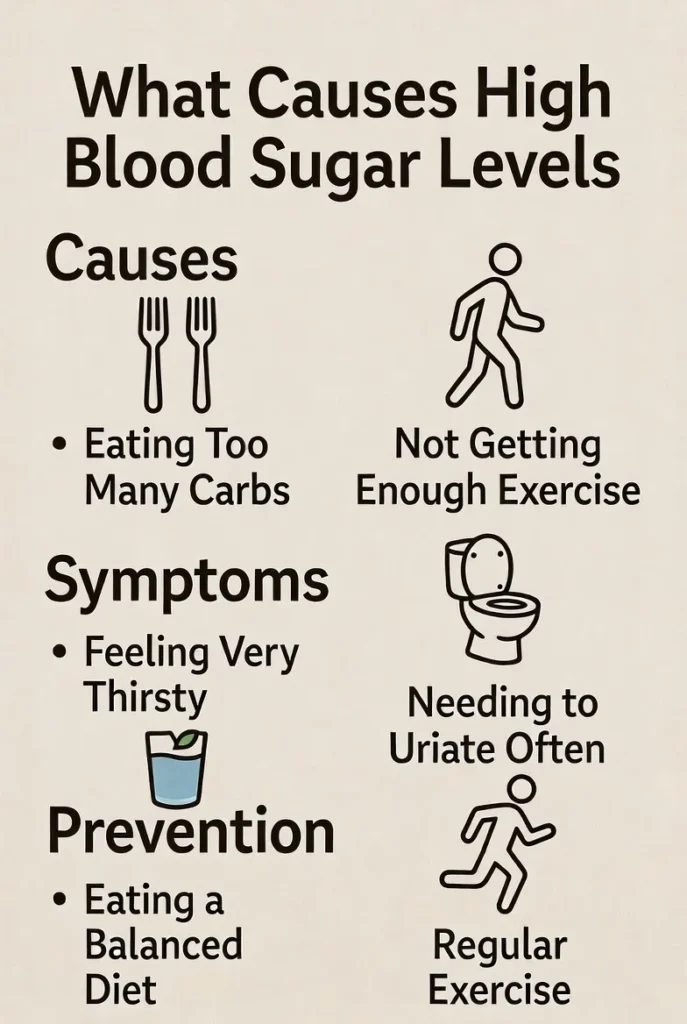
Sometimes a spike happens even when you think you did everything right. Understanding what causes high blood sugar levels can help you avoid future surprises.
The most common cause is a high-carbohydrate meal. However, your body is sensitive to many other factors. For example, an underlying infection—like a cold or a UTI—can send your numbers soaring as your immune system fights back.
Surprising Causes of Hyperglycemia
- Poor Sleep: Even one night of tossing and turning can increase insulin resistance.
- Stress: High cortisol levels tell your liver to dump extra sugar into the blood.
- Dehydration: Less water in your body means a higher concentration of blood sugar.
- Steroids: Medications like prednisone are notorious for causing massive glucose spikes.
In my practice, I once treated a patient whose sugar was high every Tuesday. We eventually realized it was his high-stress weekly meeting at work. Once he started taking a short walk after that meeting, his numbers leveled out.
Normal Blood Sugar Levels by Age
As we age, our bodies process glucose differently. Therefore, a “normal” range for a child might be slightly different from that of a senior. It is important to look at normal blood sugar levels by age to get a clear picture of your health.
| Age Group | Fasting Range (mg/dL) | 2 Hours After Meal (mg/dL) |
| Children (Under 12) | 70–150 | Under 180 |
| Adults (20–60) | 70–130 | Under 140 |
| Older Adults (65+) | 80–140 | Under 150 |
Please remember that these are general guidelines. Your doctor might set a higher target for you if you are prone to frequent “lows” or have other health conditions.
What To Do If Blood Sugar Is Too Low
While we are focusing on highs, it is equally important to know what to do if blood sugar is too low. Hypoglycemia (under 70 mg/dL) can be just as dangerous.
If you feel shaky, sweaty, or dizzy, follow the Rule of 15:
- Eat 15 g of fast carbs: This could be 4 glucose tablets or 4 ounces of juice.
- Wait 15 minutes: Give your body time to absorb the sugar.
- Recheck: If you are still under 70 mg/dL, repeat the process.
Knowing what to do when blood sugar is low is a vital part of the “balancing act” that comes with diabetes management.
Frequently Asked Questions
My blood sugar is 250. What should I do?
At 250 mg/dL, you should drink a large glass of water and take a 15-minute walk. Recheck your levels in one hour. If you have Type 1 diabetes, check for ketones.
What should I eat if my blood sugar is high?
Choose foods high in fiber and protein. Good options include a handful of almonds, a hard-boiled egg, or a bowl of steamed broccoli with olive oil.
What drink lowers blood sugar quickly?
Plain water is the best choice. It helps the kidneys remove glucose. Unsweetened herbal tea is also a safe, hydrating option.
How to reduce blood sugar immediately naturally?
While medication is fastest, you can support your body by drinking water and doing light aerobic exercise, like walking or stretching.
What is high blood sugar for a non-diabetic?
For someone without diabetes, a fasting level over 100 mg/dL is elevated, and a post-meal level consistently over 140 mg/dL may indicate prediabetes.
Conclusion
Managing your health means knowing what to do when blood sugar is high before the spike happens. We have discussed the importance of hydration, the power of light movement, and the specific foods that help you stabilize.
Whether you are dealing with a minor elevation or a more serious spike, staying calm is your best tool. Monitor your numbers, follow your doctor’s plan, and never ignore the warning signs of an emergency.
I recommend keeping a “high sugar kit” at home with extra water, ketone strips, and a list of emergency contacts. By being prepared, you can take control of your health and live a vibrant, balanced life.
Authoritative & References

Related Posts

MORE from Author
Read More Just last week, a patient named Sarah walked into my clinic carrying three different boxes of popular gut biome tests.…
 Recently, a frustrated patient named Mark visited my public health clinic. He handed me an expensive, beautifully packaged at-home stool…


- Have you ever felt constantly exhausted and painfully bloated after normal meals? Recently, a patient named Sarah sat in my…
 It's scary to wake up in the middle of the night and not be able to move or talk. People…