Are Pickles Good for Gut Health? Benefits, Risks, and Best Types Explained
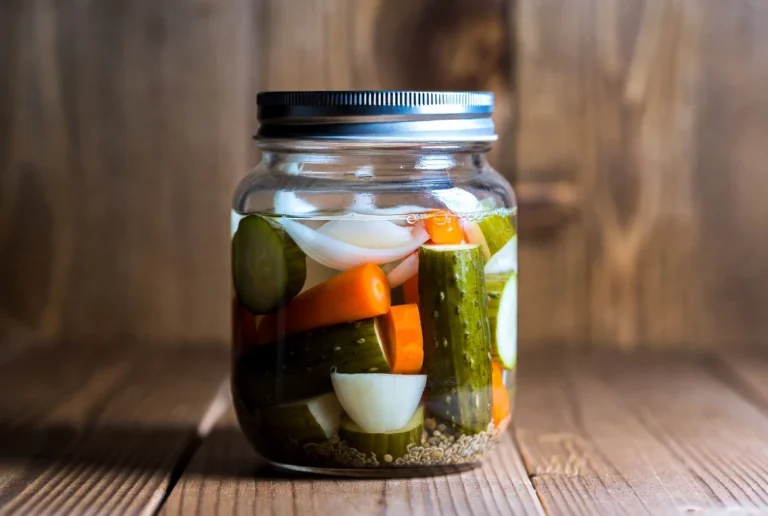
Whether they are sliced on a burger or eaten straight from the jar, pickles are a staple in the American diet. But as a medical professional focusing on public health and nutrition, I often get asked: are pickles good for gut health? The answer isn’t a simple yes or no. It depends entirely on how the pickle was made. While some pickles are probiotic powerhouses that can transform your microbiome, others are little more than salty cucumbers soaked in acetic acid.
In this guide, we will dive deep into the science of fermentation, the impact of sodium on your digestive lining, and how to choose the best pickles to support a flourishing gut.
What Makes Pickles Good (or Bad) for Your Gut?
To understand the health benefits of pickles for gut health, we have to look at the preservation process. The primary factor is whether the pickle underwent “lacto-fermentation” or was simply preserved in a vinegar brine.
When pickles are naturally fermented, they become a source of live, beneficial bacteria. These pickles and gut bacteria benefits stem from Lactobacillus, a genus of bacteria known to support the intestinal barrier and outcompete harmful pathogens.
However, there are both pros and cons of pickles. On the “con” side, pickles are notoriously high in sodium. Excessive salt intake can sometimes irritate the stomach lining or alter the balance of the mucus layer in the gut.
Furthermore, many people wonder, are pickles bad for gut health if they contain preservatives? Yes—shelf-stable jars often contain yellow dye #5 or polysorbate 80, which some studies suggest may trigger low-grade inflammation in sensitive individuals.
Fermented Pickles vs Vinegar Pickles — Which Is Better for Gut Health?
The debate over fermented pickles vs vinegar pickles is the most important distinction for your digestive system. If you are eating pickles specifically for probiotics, the “shelf-stable” aisle is likely not your friend.
Lacto-fermented pickles are made using only salt and water. This environment allows natural bacteria on the cucumber skin to convert sugars into lactic acid. These lacto-fermented pickles are good for gut health because they contain “live and active cultures.”
On the other hand, vinegar pickles are made by pouring hot vinegar and spices over cucumbers. This process—known as “pickling”—effectively kills off most bacteria, meaning these vinegar pickles usually lack probiotics.
While vinegar itself (acetic acid) has some mild antimicrobial properties, are vinegar pickles good for you in the same way? Generally, no. They offer the crunch and the fiber, but they won’t repopulate your microbiome like their fermented cousins.
Do Pickles Contain Probiotics?
A common point of confusion for my patients is the assumption that all fermented-tasting foods are probiotic. So, do pickles contain probiotics for gut health? Only if they are unpasteurized and fermented.
To be considered “high in probiotics,” the product must skip the high-heat canning process. Heat kills the very bacteria we are trying to consume. When I speak with patients about probiotic pickles, I advise looking for “raw” or “unpasteurized” labels.
If you see bubbles in the jar or the brine looks slightly cloudy, that’s often a sign of life. These probiotic pickles are good for gut health because they deliver billions of Colony Forming Units (CFUs) directly to your lower GI tract.
Best Pickles for Gut Health (What to Choose)
If you’re standing in the grocery store wondering what pickles are good for gut health, follow the “Rule of the Perimeter.” Most of the healthiest pickles on the market are found in the refrigerated section, not the center aisles.
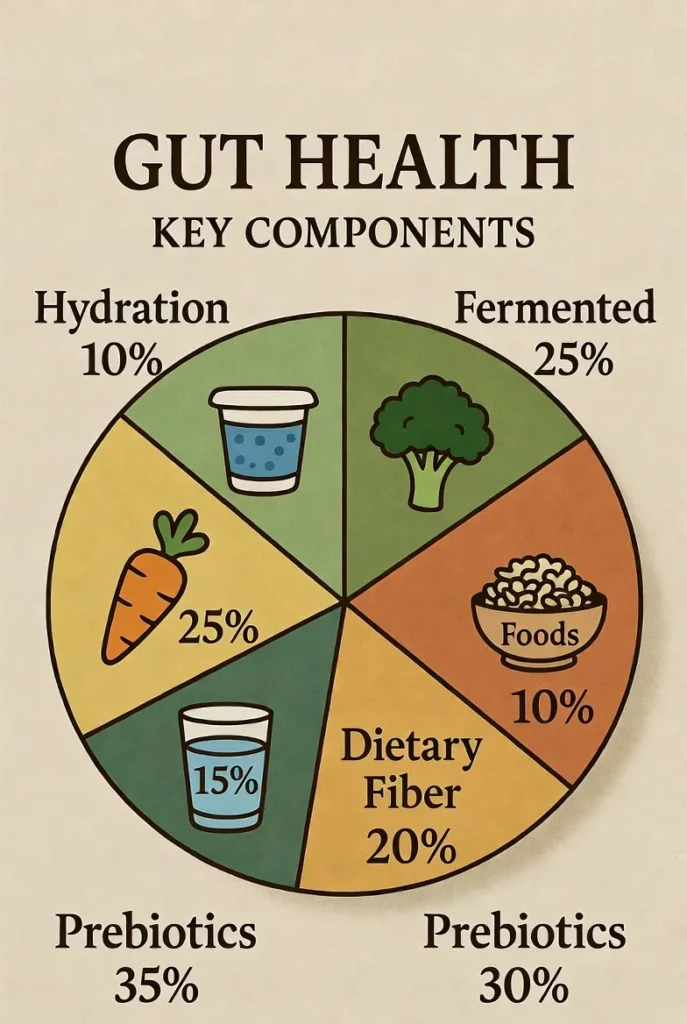
The best pickles for gut health typically meet these four criteria:
- Naturally Fermented: The label should mention fermentation, not just “pickled.”
- Refrigerated: Live bacteria cannot survive indefinitely at room temperature on a shelf.
- Organic: This ensures no pesticide residue (like glyphosate) that could harm your native gut flora.
- Minimal Ingredients: Look for just cucumbers, water, salt, and spices (garlic, dill, peppercorns).
I recently interviewed a patient, “Sarah,” who was struggling with post-antibiotic bloating. She switched from standard shelf-stable slices to a refrigerated, naturally fermented kosher dill. Within two weeks, she noted a significant reduction in gas—a testament to the power of live cultures.
Worst Pickles for Gut Health (What to Avoid)
The worst pickles for gut health are those that contain “antagonists” to a healthy microbiome. This includes pickles with added sugars, artificial dyes, and chemical preservatives like sodium benzoate.
Specifically, shelf-stable pickles are often pasteurized at high temperatures. This makes them safe for long-term storage but strips away any bacterial benefit. If the ingredient list includes “Yellow 5” or “Polysorbate 80,” move on.
Furthermore, are pickles bad for gut health if they are “Bread and Butter” style? Often, yes. These are packed with sugar (sometimes high-fructose corn syrup), which can actually feed “bad” bacteria and yeast in the gut, leading to dysbiosis.
Types of Pickles and Gut Health Impact
Not all cucumbers are created equal. Let’s look at how specific varieties impact your digestion:
Dill Pickles and Gut Health
Most dill pickles are vinegar-based. However, “refrigerated dills” are often fermented. If they are fermented, they are excellent for the microbiome; if vinegar-based, they are just a low-calorie snack.
Kosher Pickles and Digestion
The term “Kosher” usually refers to the addition of garlic. Garlic is a powerful prebiotic, meaning it feeds the good bacteria already in your gut. This makes kosher pickles good for gut health from two angles: probiotics and prebiotics.
Bread and Butter Pickles
As mentioned, these are high in sugar. I generally recommend avoiding these if you have IBS or are trying to manage blood sugar, as the sugar content can trigger fermentation in the small intestine, leading to bloating.
Spicy Pickles
For most, spicy pickles are good for digestion because capsaicin can stimulate gastric juices. However, if you have gastritis or a sensitive stomach lining, the combination of acid and heat may cause discomfort.
Raw and Homemade Pickles
Raw pickles are superior because they haven’t been heat-treated. Homemade pickles are the “Gold Standard” because you control the salt levels and ensure the fermentation time is sufficient to develop a robust bacterial profile.
Pickles and Common Digestive Issues
Many of my clinical consultations involve whether certain foods help or hurt specific symptoms.
Are pickles hard to digest? Generally, no. The fermentation process actually “pre-digests” some of the cellulose in the cucumber, making them easy to digest for most people.
However, can pickles cause stomach problems? Yes, if eaten in excess. The high acidity and sodium can lead to water retention (bloating) or “salt-induced” diarrhea in sensitive individuals.
- For Constipation: The fiber and high water content in pickles can provide mild constipation relief.
- For Acid Reflux: Use caution. While some people swear by a sip of pickle juice for heartburn, the high acid content can actually worsen acid reflux for others.
- Anti-inflammatory Effects: Fermented pickles contain antioxidants like beta-carotene, which may act as anti-inflammatory agents for the gut lining.
Pickles for Specific Gut Health Conditions
Irritable Bowel Syndrome (IBS)
Are pickles good for IBS? This is tricky. Pickles are generally Low FODMAP, making them safe for many IBS sufferers. However, if you are sensitive to “histamines,” fermented pickles might trigger a flare-up.
Leaky Gut and After Antibiotics
Fermented pickles are good for leaky gut because the Lactobacillus helps strengthen the “tight junctions” in the intestinal wall. Similarly, they can help restore gut health after antibiotics by reintroducing the bacterial diversity that medication often wipes out.
Gut Flora Balance
Regularly consuming small amounts of fermented foods is the best way to maintain gut flora balance. Pickles offer a savory alternative to yogurt or kefir for those who are dairy-free.
Pickles, Weight Loss, and Metabolic Health
As an MD, I frequently consult with patients on medical weight loss. One of the biggest hurdles is managing hunger and “flavor fatigue.” This is where pickles for weight loss become a secret weapon. At roughly 5–10 calories per spear, they are a high-volume, low-calorie snack that provides a satisfying crunch.
But the benefits go beyond just calorie counting. The acetic acid in vinegar (and the lactic acid in fermented versions) may help improve insulin sensitivity. This makes pickles good for weight loss and gut health simultaneously, as a stable blood sugar level prevents the insulin spikes that lead to fat storage.
For those on specialized diets, pickles are keto-friendly because they are very low in carbohydrates. However, for my patients with type 2 diabetes, I always offer a word of caution. While pickles are good for diabetics’ gut health, you must check the label for “added sugars.”
Clinical Sidebar: What level of blood sugar is dangerous?
In the context of metabolic health, a fasting blood sugar above 126 mg/dL is generally classified as diabetes. If you experience sudden spikes after eating sugary “Bread and Butter” pickles, it could signal insulin resistance. Always opt for dill or sour varieties to keep glucose levels stable.
Pickle Juice & Gut Health — Helpful or Harmful?
There is a growing trend of drinking “pickle shots,” but does pickle juice clean your gut? Not exactly. Your liver and kidneys handle detoxification, but pickle juice can act as a mild metabolic stimulant.
The primary pickle juice benefits for gut health come from its electrolyte content. If you are experiencing mild digestive upset due to an electrolyte imbalance, the sodium and potassium in the brine can help.
Furthermore, some wonder: does pickle juice kill bacteria? The high acidity can inhibit the growth of certain food-borne pathogens, but it does not act as a broad-spectrum internal “cleanser.” Think of it more as a digestive aid that can help prime the stomach for protein breakdown by increasing gastric acidity.
Special Populations — Are Pickles Safe?
Pregnancy and Gut Health
Many women crave pickles during pregnancy, and usually, this is perfectly safe. In fact, pickles are good for pregnancy gut health because they can help manage the nausea associated with morning sickness. However, because pregnancy increases the risk of high blood pressure (preeclampsia), the high sodium content must be monitored closely.
Children’s Digestive Health
Are pickles good for children’s gut health? Yes, provided they are the fermented variety. Introducing fermented foods early in life helps “train” the developing immune system. Just ensure they are cut into safe, bite-sized pieces to avoid choking hazards and limit intake to one spear a day to avoid excessive salt.
Pickles vs Other Fermented Foods
When building a “gut-healthy” plate, variety is key. So how do pickles compare to sauerkraut or kimchi?
| Feature | Fermented Pickles | Sauerkraut | Kimchi |
| Probiotic Diversity | Moderate (Lactobacillus) | High | Very High |
| Prebiotic Fiber | Low (Cucumbers) | High (Cabbage) | High (Cabbage/Garlic) |
| Vitamin C Content | Moderate | High | High |
| Best For | Picky eaters / Kids | Digestion / Vitamin C | Metabolism / Spice lovers |
While fermented foods like pickles are excellent, sauerkraut and kimchi typically offer more “prebiotic” fiber because cabbage is a heartier vegetable than a cucumber. If you find pickles easier to digest, they are a great “gateway” into the world of fermented living.
Side Effects, Risks & How Many Pickles to Eat
Like any therapeutic food, there is a “sweet spot” for consumption. The most common side effects of pickles on gut health involve the high salt content. Excessive sodium can cause:
- Water Retention: Leading to temporary bloating and weight gain.
- Stomach Irritation: In those with existing ulcers or gastritis.
- Kidney Strain: For those with pre-existing renal issues.
So, how many pickles for gut health should you eat? In my clinical experience, one to two spears per day of naturally fermented pickles is the therapeutic dose. This provides enough probiotics to influence the microbiome without overshooting the recommended daily limit for sodium (which is 2,300mg for most healthy adults).
Why Gastroenterologists Like Pickles (When They Do)
You might wonder, why do gastroenterologists like pickles? Generally, specialists appreciate them as a “whole food” alternative to probiotic supplements.
Supplements often contain only one or two strains of bacteria, whereas a naturally fermented pickle contains a complex ecosystem of microbes that are more likely to survive the journey through the stomach’s acid. Gastroenterologists often recommend them for patients with dysbiosis (an imbalance of gut bacteria) because they are a cost-effective way to improve microbial diversity.
Scientific Evidence — What Research Says
The scientific studies on pickles and gut health are compelling. A meta-analysis published in the journal Nutrients highlighted that Lactobacillus strains derived from fermented vegetables can survive the harsh acidic environment of the human stomach better than many dairy-derived strains.
Furthermore, research into the “Gut-Brain Axis” suggests that the probiotics found in traditional pickles may help reduce symptoms of social anxiety and stress, as 90% of your body’s serotonin is produced in the gut.
Final Verdict — Are Pickles Good or Bad for Your Gut?
So, are pickles good or bad for your stomach? The verdict is clear: Fermented, refrigerated pickles are a goldmine for gut health. They provide live probiotics, help regulate blood sugar, and offer a low-calorie way to satisfy cravings. However, vinegar-based, shelf-stable pickles are essentially “dead” food—delicious, but lacking the biological benefits your microbiome craves.
If you want to support your digestion, skip the center aisle and head to the refrigerated section. Your gut bacteria will thank you.
Frequently Asked Questions (FAQ)
Are pickles high in probiotics?
Only if they are naturally fermented and unpasteurized. Look for labels that say “Live and Active Cultures” or “Naturally Fermented.”
Will pickles help an upset stomach?
For some, the acidity helps with low-acid indigestion. However, if your upset stomach is due to an ulcer or gastritis, the acid in pickles may make it worse.
Are pickles anti-inflammatory for the gut?
Yes, fermented pickles contain antioxidants and beneficial bacteria that can help lower markers of intestinal inflammation.
Can pickles cause gut problems?
In excess, the high salt content can cause bloating, gas, or diarrhea. Stick to 1–2 spears a day.
Are pickles good for acid reflux?
This varies by individual. While the vinegar can occasionally trigger a reflux event, some find that the probiotics in fermented pickles improve overall digestion enough to reduce reflux over time.
References & Medical Sources
- National Institutes of Health (NIH): Probiotics: What You Need To Know
- PubMed Central (PMC): Lactobacillus plantarum in Fermented Vegetables
- Harvard Health: The Gut-Brain Connection and Fermented Foods
- Journal of Physiological Anthropology: Fermented foods, microbiota, and mental health
- USDA FoodData Central: Nutritional Profile of Pickled Cucumbers
MORE from Author
Read More In my clinical practice, patients frequently ask me to interpret the data on their smartwatches. They stare at the numbers…
 Do you wake up exhausted after eight hours in bed? You're probably wondering why you still feel tired. The key…


 Every day, physicians in cardiovascular clinics around the world witness the devastation caused by tobacco use. Many patients understand how…
- Have you ever woken up from a wild, vivid dream and immediately wondered, exactly what is REM sleep? You are…