Gut Microbiome: What It Is, Why It Matters & How to Improve It (Science-Based Guide)
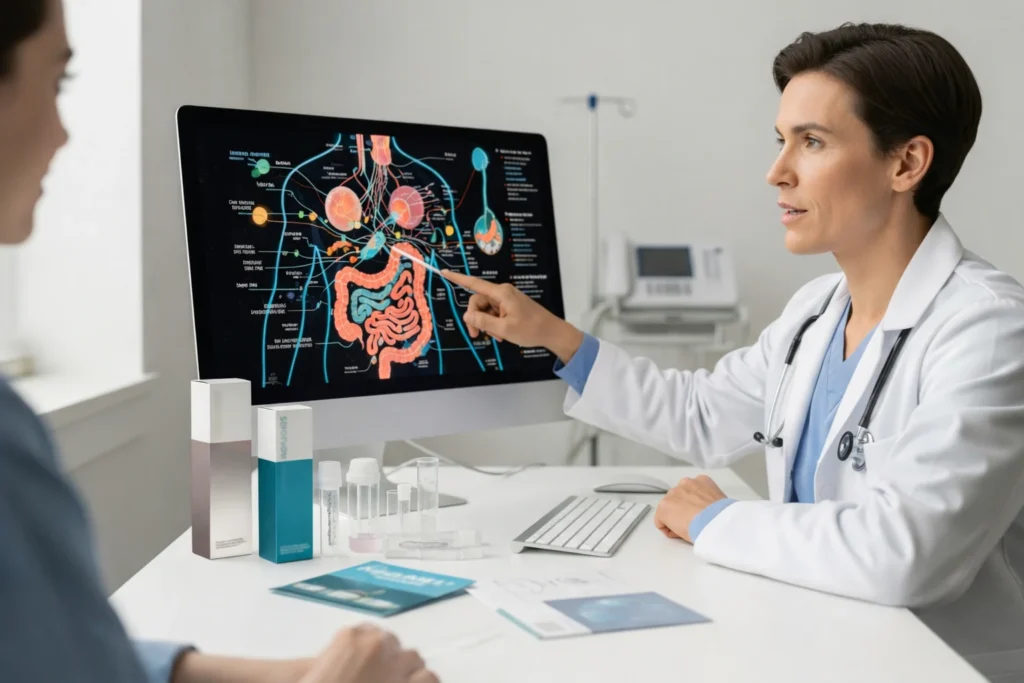
Recently, a frustrated patient named Mark visited my public health clinic. He handed me an expensive, beautifully packaged at-home stool test. Looking completely overwhelmed, he asked, “Dr. Sato, what is the gut microbiome, and how do I actually fix mine?”
As a medical doctor, I have these exact conversations daily. The internet is flooded with dangerous misinformation promising to “reset” your stomach overnight. However, your internal digestive system simply does not work like a computer.
Therefore, I explained the genuine clinical science to Mark. Consequently, I designed this comprehensive guide to help you deeply understand your own body. Let us explore the real, evidence-based methods for achieving true, long-lasting digestive wellness.
TL;DR: The Quick Facts
- Definition: The gut microbiome is a complex ecosystem of trillions of bacteria living inside your digestive tract.
- Function: It actively supports food digestion, immune system regulation, and even brain health.
- Imbalance Symptoms: Common signs include painful bloating, chronic fatigue, and unexpected food intolerances.
- How to Improve: Strictly prioritize a high-fiber diet, manage daily stress, and consume fermented foods.
- Testing Reality: Commercial testing exists, but its clinical usefulness remains highly limited and often misleading.
What Is the Gut Microbiome?
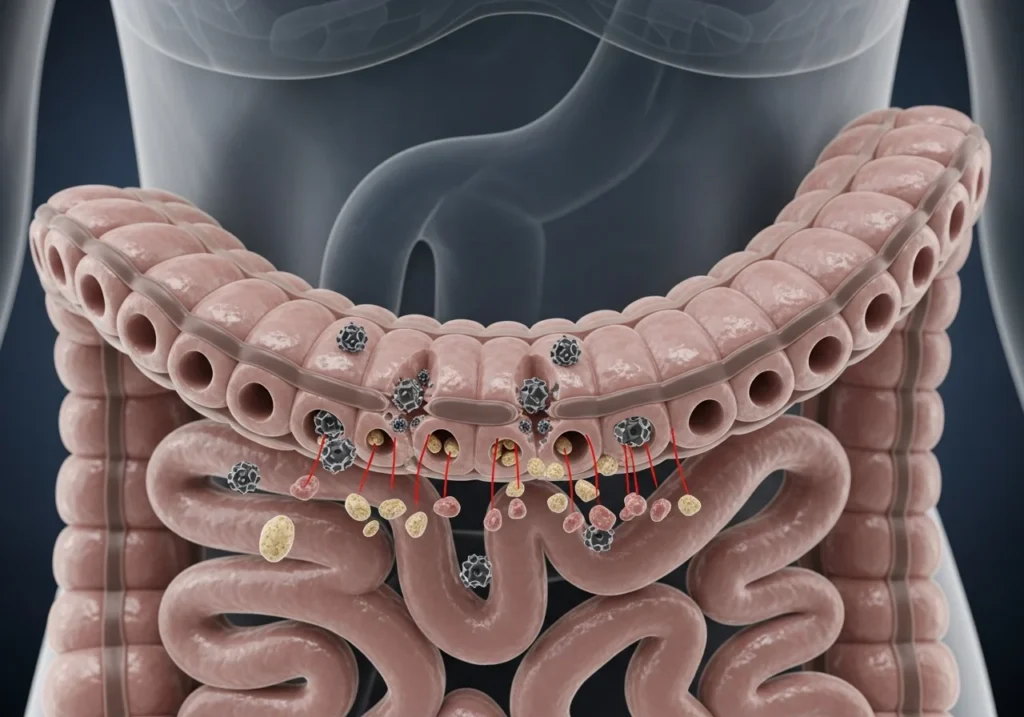
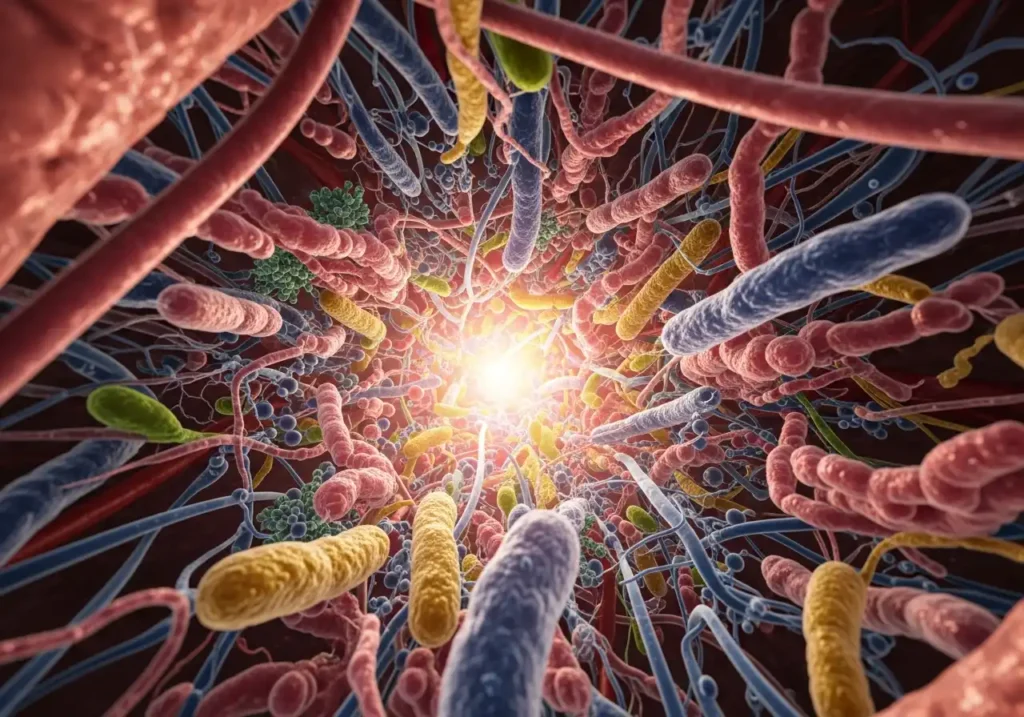
So, what is the gut microbiome exactly? Medically speaking, the gut microbiota definition refers to the massive community of microorganisms residing in your intestines. Most of all, this ecosystem primarily consists of bacteria, fungi, and viruses.
First of all, you are not entirely human. Trillions of these microscopic organisms live together inside your large intestine. Consequently, they function almost like a completely separate, highly intelligent organ within your body.
In brief, what is a gut microbiome? It is your body’s personal, highly customized biological factory. Therefore, keeping this internal factory running smoothly is absolutely critical for your overall survival.
Why Is the Gut Microbiome Important?
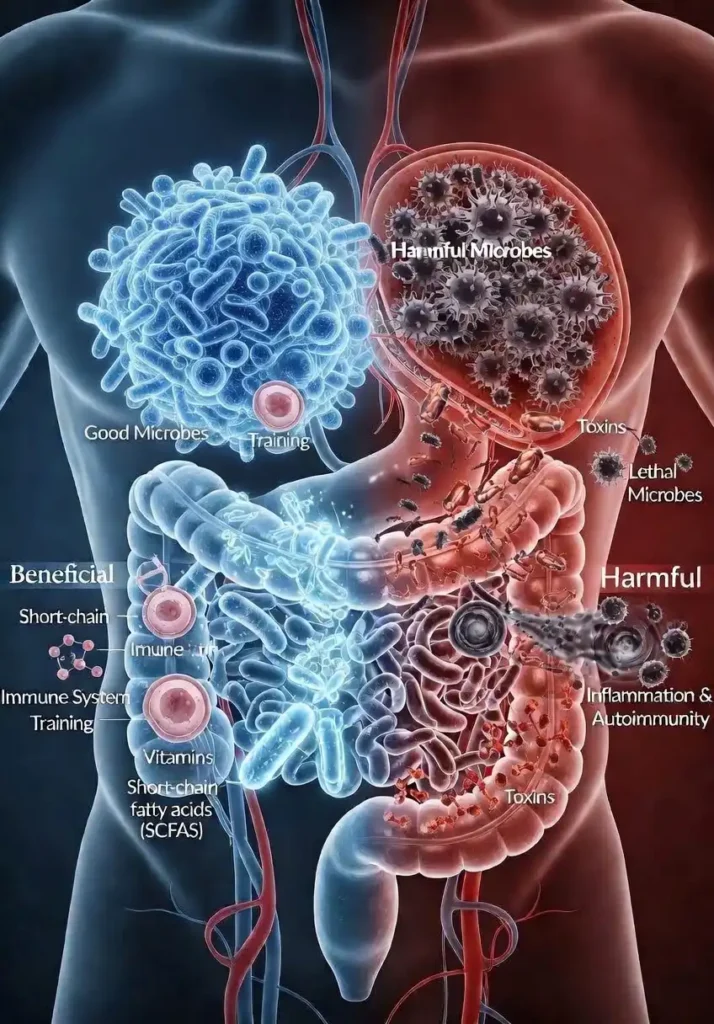
Patients frequently wonder why the gut microbiome is important for their daily health. Your stomach bacteria do not just passively sit there. Instead, they actively communicate with your entire biological system 24/7.
Beneficial Functions
What do bacteria do in a healthy gut microbiome? First, beneficial bacteria efficiently digest complex plant fibers that your body simply cannot break down alone. Consequently, they produce highly beneficial short-chain fatty acids (SCFAs) like butyrate.
Furthermore, these specific good microbes actively train your entire immune system. They teach your immune cells exactly how to distinguish between friendly nutrients and dangerous foreign pathogens. Additionally, they literally manufacture essential vitamins, such as Vitamin K and several B vitamins.
Harmful Functions
Conversely, what do harmful bacteria do in the gut microbiome when they multiply? Pathogenic bacteria actively produce dangerous metabolic toxins. Therefore, they directly trigger severe systemic inflammation throughout your entire body.
Most noteworthy, an overgrowth of these bad microbes actively damages your delicate intestinal barrier. As a result, this disruption creates the perfect environment for complex autoimmune conditions and severe daily discomfort.
Signs of an Unhealthy Gut Microbiome
How do I know if my gut microbiome is unhealthy? Many patients suffer silently, completely ignoring the clear physical warning signs. Your body actively signals a severe gut microbiome imbalance through very specific, daily symptoms.
Common Warning Signs:
- Severe Bloating: Painful abdominal swelling immediately after eating normal meals.
- Trapped Gas: Frequent, highly uncomfortable flatulence throughout the day.
- Irregular Bowel Movements: Constantly alternating between urgent diarrhea and stubborn constipation.
- Chronic Fatigue: Waking up feeling completely exhausted, even after eight hours of sleep.
- Sudden Food Intolerances: Suddenly reacting poorly to foods you have safely eaten for years.
What Affects Your Gut Microbiome?
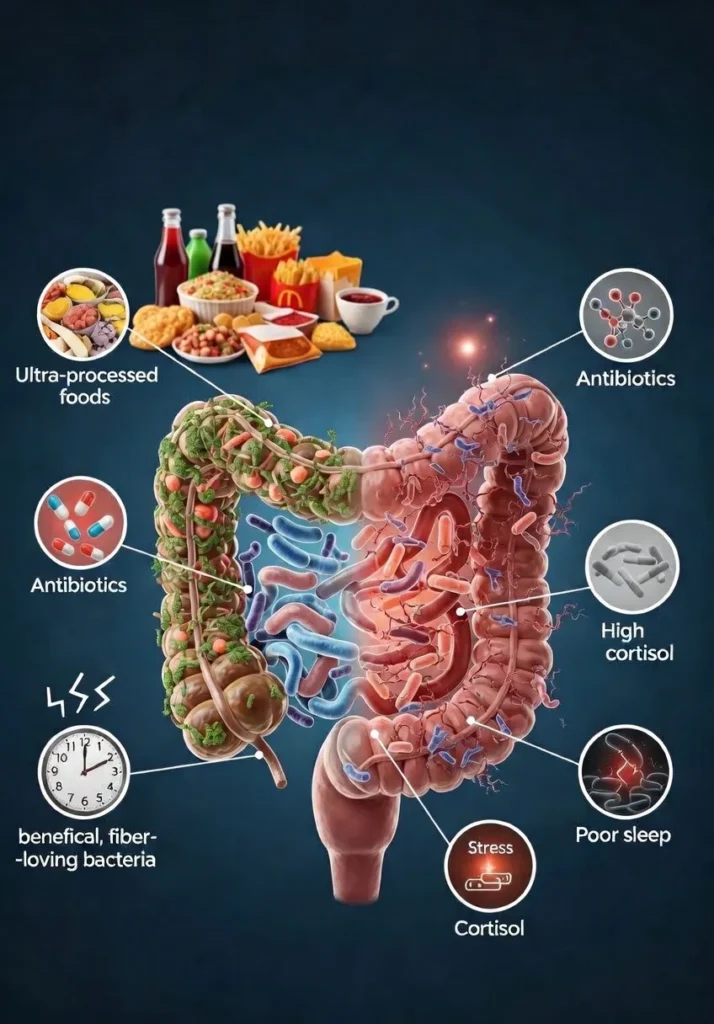
If you want to heal, you must deeply understand exactly what ruins your gut microbiome. Your daily lifestyle choices completely dictate which specific bacteria survive and multiply. Therefore, you are in total control of this internal environment.
First, eating an ultra-processed diet heavily starves your beneficial, fiber-loving bacteria. Furthermore, frequent, unnecessary antibiotic use violently wipes out entire communities of your good microbes.
Additionally, chronic daily stress and poor sleep physically alter the composition of your stomach bacteria. High systemic cortisol levels create an incredibly hostile environment for beneficial microbes.
Artificial Sweeteners and the Gut Microbiome
The connection between artificial sweeteners and the gut microbiome is highly controversial. Many patients heavily consume diet sodas, believing they are making a healthier choice. However, clinical research strongly suggests otherwise.
Recent studies indicate that specific zero-calorie sweeteners violently disrupt your normal bacterial balance. Consequently, this severe disruption can paradoxically trigger severe glucose intolerance. Therefore, I strongly advise my patients to limit these artificial chemicals.
Gut Microbiome and Mental Health
The link between the gut microbiome and mental health is completely revolutionizing modern medicine. We call this vital biological connection the gut-brain axis. Your stomach and your brain constantly communicate via the vagus nerve.
Most importantly, your gut bacteria actually produce massive amounts of neurotransmitters. For example, your stomach manufactures roughly 90% of your body’s serotonin. Consequently, a severe microbiome imbalance frequently manifests as severe daily anxiety or deep depression.
Gut Microbiome and Alzheimer’s Disease
Fascinating new research exploring the gut microbiome and Alzheimer’s disease is rapidly emerging. Scientists currently believe that severe chronic gut inflammation heavily impacts long-term brain health.
However, we must strictly avoid making any unproven, dangerous causal claims. While the preliminary scientific link is incredibly strong, researchers still need massive clinical trials. Therefore, eating for gut health is simply an excellent preventative strategy for overall brain aging.
How to Improve Your Gut Microbiome (Step-by-Step)
When patients ask me how to improve gut microbiome health, they usually expect a complex medical prescription. However, learning how to fix gut microbiome dysfunction strictly requires basic, consistent daily habits. Here is my exact, evidence-based clinical protocol.
1. Increase Daily Fiber Intake
The absolute most important step is aggressively increasing your daily prebiotic fiber. Prebiotics are simply tough plant fibers that specifically feed your good bacteria. Consequently, aiming for 30 grams of diverse daily fiber is completely non-negotiable.
2. Maximize Bacterial Diversity
Patients always ask how to increase gut microbiome diversity safely. The scientific answer is incredibly simple: eat a massive variety of different plants. Specifically, aim to consume thirty different types of plants, nuts, and seeds every single week.
3. Consume Live Fermented Foods
Furthermore, you must actively introduce live beneficial bacteria daily. High-quality fermented foods naturally provide these vital microbial reinforcements. Therefore, add unsweetened kefir, tangy kimchi, and raw sauerkraut to your daily meals.
4. Eliminate Toxic Inputs
Simultaneously, you must strictly reduce the foods that actively feed dangerous pathogens. Refined sugars and highly processed seed oils cause massive internal inflammation. As a result, heavily limiting these items starves the bad bacteria entirely.
5. Optimize Daily Lifestyle
Finally, you simply cannot heal your stomach while remaining highly stressed and deeply sleep-deprived. Your beneficial bacteria strictly require a calm, well-rested biological host to thrive. Therefore, strict sleep hygiene is a powerful medical intervention.
How to Reset or Heal Your Gut Microbiome
Patients constantly search online for secret ways to “reset” their digestion overnight. “How to reset your gut microbiome quickly” is the most common question I hear. Unfortunately, a massive biological ecosystem simply cannot heal in three days.
Instead, learning how to heal your gut microbiome strictly requires long-term consistency. First of all, you must completely stop consuming highly inflammatory, ultra-processed foods. Consequently, your stomach lining finally gets a genuine chance to rest and recover.
Therefore, how to balance gut microbiome health effectively comes down to daily dietary habits. You must actively feed the good bacteria and ruthlessly starve the bad ones. Ultimately, true biological healing takes several consecutive months, not merely a few days.
Best Diet for a Healthy Gut Microbiome
In my medical practice, nutrition is always the first line of defense. A dedicated gut microbiome diet drastically reduces systemic bodily inflammation. So, what does a gut microbiome want you to eat every day?
Most of all, your beneficial microbes desperately crave immense dietary diversity. Eating a massive variety of colorful plant foods directly fuels this internal ecosystem. Furthermore, emphasizing specific gut microbiome foods actively builds a highly resilient mucosal barrier.
Conversely, you must strictly avoid highly refined sugars and artificial chemical additives. These toxic ingredients completely destroy your delicate internal balance. Therefore, strict adherence to whole foods is absolutely non-negotiable for lasting recovery.
Optimal Foods Table
| Food Type | Best Dietary Examples | Primary Biological Benefit |
| Prebiotic Fiber | Oats, asparagus, garlic, onions | Directly feeds and rapidly multiplies beneficial bacteria |
| Fermented Foods | Raw sauerkraut, unsweetened kefir | Adds massive amounts of live, beneficial probiotic cultures |
| Polyphenols | Dark berries, green tea, pecans | Provides highly potent anti-inflammatory compounds to the stomach |
Gut Microbiome Supplements (What Works?)
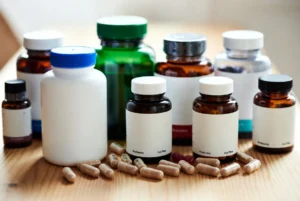
Many patients eagerly bring bags of expensive pills into my clinic. They frequently want the perfect gut microbiome supplement to fix everything instantly. However, dietary supplements never replace a highly nutritious, whole-food diet.
Furthermore, the supplement industry remains largely unregulated in the United States. Consequently, many commercial products contain completely dead bacterial strains upon arrival. Therefore, you must select clinically researched, specific bacterial strains very carefully.
For instance, certain targeted probiotics effectively reduce severe antibiotic-associated diarrhea. Similarly, high-quality prebiotic powders help patients who severely struggle to eat enough daily vegetables. Always consult your primary physician before starting any new functional supplement protocol.
Supplement Evidence Table
| Supplement Category | Clinical Evidence Strength | Important Medical Notes |
| Probiotics (Live Bacteria) | Moderate to Strong | Must be highly strain-specific for your exact symptoms |
| Prebiotics (Fiber Fuel) | Strong | Start very slowly to heavily prevent painful gas |
| Synbiotics (Combo Pills) | Emerging | Combines live bacteria with fiber for maximum internal survival |
Gut Microbiome Testing: Is It Worth It?
Remember my overwhelmed patient, Mark, from the introduction? He spent hundreds of dollars trying to find the best gut microbiome test online. Like many others, he desperately wanted a simple, crystal-clear medical answer.
How to Test Gut Microbiome
Currently, commercial companies sell expensive at-home stool tests directly to consumers. They sequence the DNA of your stool to map your internal bacteria. Consequently, they claim to tell you exactly how to test gut microbiome health perfectly.
Unfortunately, these popular commercial tests have massive clinical limitations. The exact composition of a “perfect” microbiome remains completely unknown to modern science. Therefore, the highly restrictive dietary advice these companies provide is often medically unproven.
Instead, board-certified gastroenterologists rarely use these specific commercial kits for routine diagnosis. If you experience severe, highly persistent digestive bleeding or pain, you need conventional medical testing. Ultimately, an actual colonoscopy or clinical endoscopy provides far more accurate diagnostic data.
Gut Microbiome Transit Time (Advanced Topic)
Recently, advanced researchers started intensely studying gut microbiome transit time. This specific medical term simply means how fast food travels through your entire digestive tract. Surprisingly, this speed completely dictates which specific bacteria thrive inside you.
If your digestion moves too slowly, highly toxic bacterial fermentation frequently occurs. Conversely, extremely fast transit time flushes out vital nutrients before your body absorbs them. Therefore, achieving a perfectly balanced daily bowel movement is medically critical.
Latest Gut Microbiome Research & News
The scientific community is aggressively expanding its knowledge every single day. If you follow daily gut microbiome research news, the medical breakthroughs are genuinely astounding. For example, recent clinical trials heavily link bacterial health directly to stubborn weight loss.
Furthermore, reading gut microbiome study news today reveals incredible connections to our immune systems. Scientists currently study how specific stomach bacteria completely alter cancer treatment efficacy. While we cannot cure diseases with probiotics yet, the future of microbiome medicine is incredibly bright.
Frequently Asked Questions
How can I improve my gut microbiome?
You must strictly consume a highly diverse, high-fiber plant diet every single day. Furthermore, actively managing your daily stress and completely avoiding unnecessary antibiotics drastically protects your beneficial bacteria.
What does a gut microbiome want you to eat every day?
Your internal bacteria desperately crave tough, fibrous prebiotics found in beans, oats, and vegetables. Additionally, they heavily thrive when you consistently consume live fermented foods like plain yogurt and kimchi.
How do I know if my gut is unhealthy?
Your body actively signals severe internal imbalances through highly painful daily bloating and unpredictable bowel movements. Furthermore, chronic physical fatigue and sudden, severe food intolerances strongly indicate deep microbial dysfunction.
What ruins your gut microbiome?
First of all, consuming an ultra-processed American diet heavily starves your good bacteria. Moreover, high daily cortisol levels from chronic stress and the heavy overuse of artificial sweeteners destroy your mucosal barrier.
Are microbiome tests accurate?
While commercial stool tests accurately sequence the specific bacteria present, their clinical usefulness remains incredibly limited. Modern medicine still does not know exactly what a “perfect” microbiome looks like for every individual.
Conclusion: Taking Control of Your Gut Microbiome
In conclusion, healing your gut microbiome requires immense daily patience and strict dietary consistency. You simply cannot take a magic probiotic pill to reverse years of deep internal damage. Instead, you must fundamentally change your daily lifestyle habits.
Therefore, start by aggressively removing ultra-processed foods and actively managing your chronic daily stress. Consequently, your delicate internal ecosystem will finally begin to naturally repair itself. Furthermore, adding targeted prebiotic fibers heavily accelerates this specific biological healing process.
Finally, always consult your physician before starting any new, highly restrictive dietary protocol. As a result, you can safely navigate your physical symptoms and completely rule out dangerous underlying conditions. Ultimately, repairing your gut microbiome is the absolute best investment for your lifelong medical wellness.
Medical studies and authoritative references:
- BMJ Gut: Role of the gut microbiota in nutrition and health
- Cell: Personalized microbiome-driven effects of non-nutritive sweeteners on human glucose tolerance
- Integrative Medicine: A Clinician’s Journal: The Gut-Brain Axis: Influence of Microbiota on Mood and Mental Health
- Gut Microbes: Dietary Fiber and Prebiotics and the Gastrointestinal Microbiota
Related Posts


MORE from Author
Read More Just last week, a patient named Sarah walked into my clinic carrying three different boxes of popular gut biome tests.…
 Recently, a frustrated patient named Mark visited my public health clinic. He handed me an expensive, beautifully packaged at-home stool…
- Have you ever felt constantly exhausted and painfully bloated after normal meals? Recently, a patient named Sarah sat in my…
 It's scary to wake up in the middle of the night and not be able to move or talk. People…