How to Improve Gut Health Naturally (Doctor’s Guide)
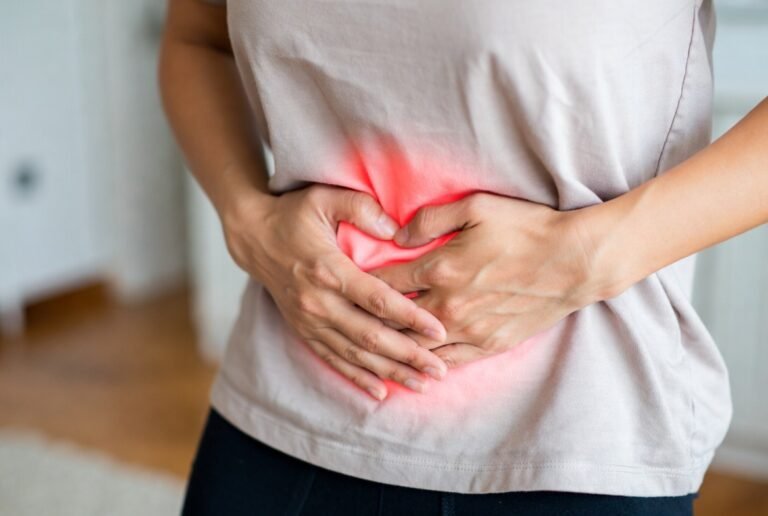
Do you ever feel like your stomach is constantly at war with you? Maybe it’s that annoying post-lunch bloat or a sudden energy crash that hits every afternoon. You aren’t alone in this struggle.
As a doctor, I see patients daily who feel exhausted by digestive issues. Many people wonder how to improve gut health without relying on expensive pills or restrictive diets.
The truth is that your microbiome is incredibly resilient and responds fast to the right changes. My goal today is to show you a science-backed path to feeling better.
We will explore how small shifts in your daily routine can transform your digestion and mood. Are you ready to reclaim your energy and fix your gut for good? Let’s dive into this guide.
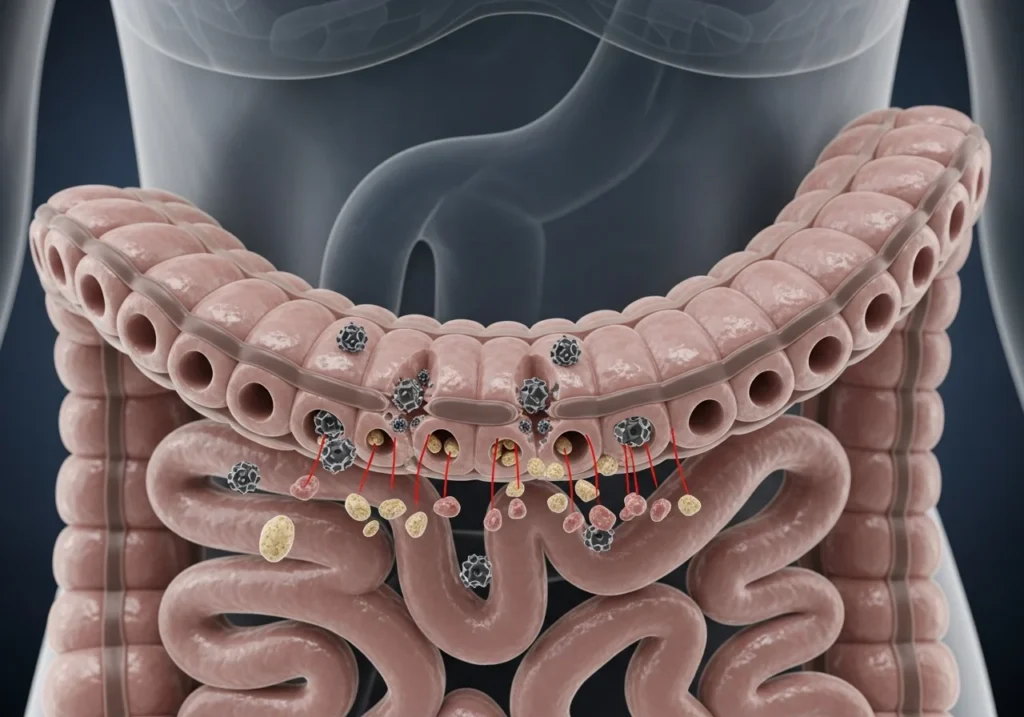
Gut health refers to the balance and diversity of bacteria in your digestive tract. This ecosystem is known as the gut microbiome. It influences everything from your digestion and immunity to your mood, skin, and metabolism.
10 Signs of an Unhealthy Gut
How do you know if your microbiome is out of balance? In my clinical experience, the signs are often more than just a stomach ache.
I remember a patient who came to me with chronic fatigue and skin breakouts. She never suspected her gut was the culprit. However, once we addressed her diet, her skin cleared up immediately.
Here are the most common signs of poor gut health:
- Chronic bloating: Feeling “puffy” or tight after every meal.
- Constipation or diarrhea: Irregular bathroom habits are a major red flag.
- Food intolerances: Difficulty digesting specific foods like gluten or dairy.
- Fatigue: Feeling tired even after a full night of sleep.
- Brain fog: Difficulty concentrating or feeling mentally “cloudy.”
- Anxiety and depression: Your gut produces most of your serotonin (the “happy” hormone).
- Eczema or acne: Skin inflammation often starts in the digestive tract.
- Frequent infections: A weak gut leads to a weak immune system.
- Sugar cravings: Bad bacteria thrive on sugar and make you crave it more.
- Unintentional weight changes: Malabsorption can cause weight loss or gain.
How to Improve Gut Health Naturally (Step-by-Step Plan)
If you want to know how to improve gut health naturally, you must start with the basics. You don’t need fancy “cleanses” to see results. Instead, focus on these three foundational steps.
Step 1 – Eat More Fiber (Foundation Strategy)
Fiber is the primary food source for your beneficial bacteria. Most Americans only eat about 15 grams of fiber per day. That is not enough for a thriving microbiome. You should aim for the US dietary guideline of 25g for women and 38g for men.
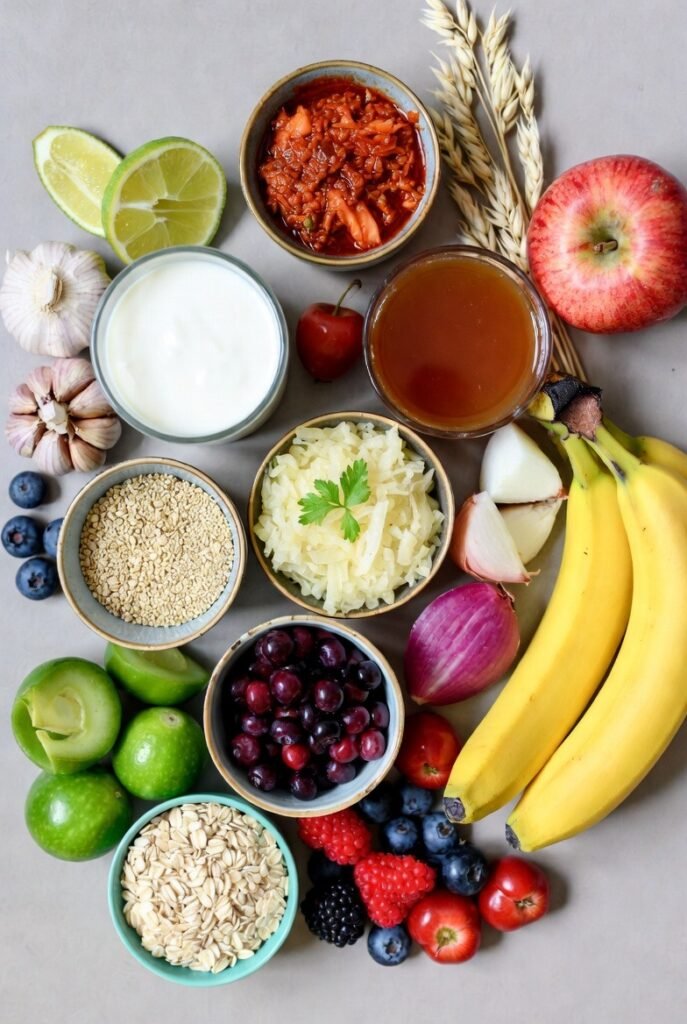
Furthermore, you need to eat a variety of fiber types. Soluble fiber helps with stool consistency. Prebiotic fiber specifically feeds the “good guys” in your gut.
| Food | Fiber Type | Benefit |
| Oats | Beta-glucan | Feeds good bacteria and lowers cholesterol |
| Lentils | Soluble | Improves stool consistency and keeps you full |
| Chia seeds | Prebiotic | Reduces inflammation and adds Omega-3s |
| Berries | Insoluble | Adds antioxidants and prevents constipation |
Step 2 – Add Fermented Foods Daily
Fermented foods act as natural probiotics. They introduce live, beneficial bacteria directly into your system. I often suggest my patients keep a jar of sauerkraut in the fridge. Adding just one spoonful to your lunch can make a big difference.
Try adding these to your daily diet:
- Kefir: A fermented milk drink that is more potent than yogurt.
- Greek Yogurt: Look for “live and active cultures” on the label.
- Kimchi: A spicy fermented cabbage that boosts metabolic health.
- Miso: Great for soups and adds a savory “umami” flavor.
Step 3 – Remove Worst Foods for Gut Health
You cannot out-supplement a poor diet. Some foods act like “kryptonite” for your microbiome. For example, artificial sweeteners like aspartame can actually change your bacterial composition. Also, excess alcohol can irritate the gut lining.
Specifically, try to avoid:
- Ultra-processed foods: These lack fiber and contain harmful emulsifiers.
- High-sugar diets: Sugar feeds pathogenic yeast and bacteria.
- Fried foods: These can slow down digestion and cause inflammation.
What Is the Fastest Way to Improve Gut Health?
Many people want to know how to improve gut health quickly. If you have a big event coming up, you can see changes fast. The fastest way is increasing fiber intake to 25–38g daily and adding fermented foods. Simultaneously, you must eliminate processed sugar.
Most of my patients notice reduced bloating within 3 to 7 days. Your bacteria reproduce very quickly. Therefore, your microbiome can shift in as little as 24 hours based on what you eat.
7-Day Gut Health Reset Plan
You don’t need an extreme detox to reset your system. Your liver and kidneys already detox your body naturally. Instead, follow this simple framework to support your organs.
- Day 1–2: Remove processed foods. Focus on whole, single-ingredient foods. Drink plenty of water to flush your system.
- Day 3–4: Add fiber diversity. Try to eat five different colored vegetables today. This provides different types of phytonutrients.
- Day 5–6: Introduce fermented foods. Start with a small serving of yogurt or kombucha. This introduces new “probiotic” friends to your gut.
- Day 7: Stress and sleep reset. High cortisol levels can damage your gut lining. Take today to rest and practice deep breathing.
30 Day Gut Health Challenge (Advanced)
If you are ready for a deeper transformation, try a 30-day challenge. This allows your gut lining to actually begin the repair process. I have seen this program help people with long-term digestive issues.
First, set a food diversity goal. Aim to eat 30 different plants every week. This includes fruits, veggies, nuts, seeds, and grains. Second, focus on sleep hygiene. Try to get 8 hours of sleep to allow for cellular repair. Finally, incorporate 150 minutes of moderate exercise per week. Movement helps keep your digestion regular.
Best Diet for Gut Health
The Mediterranean diet is the “gold standard” for microbiome health. It is rich in healthy fats, fiber, and lean proteins. This diet also focuses on polyphenols. These are compounds found in colorful plants that act as “superfoods” for your bacteria.
Eat more of these:
- Olive oil: Contains polyphenols that reduce gut inflammation.
- Wild-caught fish: Provides Omega-3 fats for a healthy gut lining.
- Walnuts: These have been shown to increase probiotic bacteria in the gut.
Supplements to Improve Gut Health (Evidence-Based)
Sometimes, diet alone isn’t enough to fix your digestion. You might need extra support from gut health supplements. However, not all supplements are created equal.
I always tell my patients to look for clinical evidence first. Many products on the market make big promises without proof. You should focus on three main categories: probiotics, prebiotics, and enzymes.
Probiotics are live bacteria that you swallow. These help crowd out the “bad” bacteria in your system. Meanwhile, prebiotics act as fertilizer for the bacteria you already have. Lastly, digestive enzymes help break down your food into smaller pieces. This can reduce the load on your stomach.
| Supplement | Evidence Grade | Best For | Notes |
| Probiotics | Moderate | IBS, bloating | Use strain-specific brands |
| Prebiotics | Strong | Constipation | Start with a low dose |
| Digestive Enzymes | Limited | Heavy meals | Not for long-term use |
| L-Glutamine | Emerging | Leaky gut | Supports the gut lining |
Keep in mind that supplements are not FDA-approved to treat diseases. You should always talk to your doctor before starting something new. This is especially true if you are pregnant or have a weak immune system.
How to Restore Gut Flora After Antibiotics
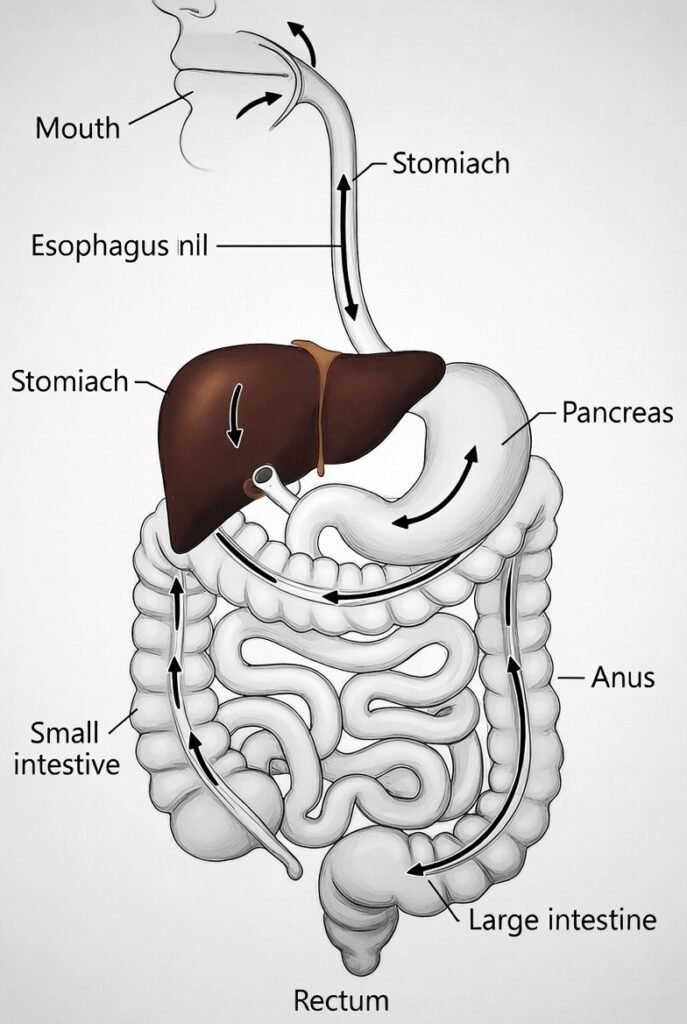
Antibiotics are life-saving medications. Unfortunately, they can also act like a “bomb” in your gut. They kill the bad bacteria, but they kill the good ones too. Many people ask me how to restore gut flora after antibiotics safely. The timing of your recovery is very important.
I recently consulted with a patient who finished a heavy dose of penicillin. She felt sluggish and bloated for weeks. I recommended she start a probiotic containing Saccharomyces boulardii. This is a beneficial yeast that isn’t killed by antibiotics. Consequently, her energy returned within ten days.
Specifically, you should:
- Wait two hours after your antibiotic dose before taking a probiotic.
- Focus on fermented foods like kefir immediately after finishing your meds.
- Eat plenty of prebiotic fiber to help the new bacteria grow.
Gut Health for Specific Goals
Your microbiome affects more than just your stomach. It is connected to your brain, skin, and even your waistline. Understanding these connections helps you stay motivated.
Mental Health and the Gut-Brain Axis
Did you know your gut is often called your “second brain”? This is because of the gut-brain axis. Your gut bacteria produce neurotransmitters like serotonin and dopamine.
Therefore, learning how to improve gut health for anxiety can actually improve your mood. When your gut is happy, your mind often feels clearer.
Clearer Skin and the Gut-Skin Axis
I see many patients with adult acne or eczema. Often, the root cause is “leaky gut” or inflammation. Improving your gut health for skin issues involves reducing sugar.
Sugar triggers insulin spikes that cause breakouts. By healing your gut, you can achieve a natural glow from the inside out.
Weight Loss and Metabolism
Research shows that lean people have different gut bacteria than people with obesity. Some bacteria are better at extracting calories from food.
Thus, learning how to improve gut health for weight loss is a smart strategy. A diverse microbiome can help regulate your appetite and reduce fat storage.
Gut Health for Women, Pregnancy, and Kids
Women often face unique digestive challenges. Hormonal shifts during the menstrual cycle can cause bloating or constipation.
Furthermore, how to improve gut health during pregnancy is a common concern. A mother’s microbiome actually helps shape the baby’s immune system.
For children, a healthy gut starts early. I often advise parents to let their kids play in the dirt. This exposes them to “old friend” bacteria that train their immune systems. Avoid over-sanitizing everything. Also, focus on whole fruits instead of sugary juices for your little ones.
Testing Your Gut Health
Are you curious about what is living inside you? You can now use a gut health test at home. These kits usually require a small stool sample. They provide a map of your specific bacterial strains.
However, you should use these tests with caution. They are great for curiosity, but they aren’t diagnostic tools. A clinical stool test from your doctor is different. It looks for parasites, pathogens, or signs of inflammation. If you have severe pain or blood in your stool, skip the home kit. See a professional immediately instead.
Gut Health for Dogs
We can’t forget our furry friends! Many owners ask me how to improve dog gut health naturally. Just like humans, dogs need fiber and probiotics. You can add a spoonful of plain canned pumpkin to their food. This provides excellent fiber. Also, ask your vet about canine-specific probiotics. These can help with “garbage gut” or sensitive stomachs.
Daily Habits for Better Gut Health
Small daily habits lead to big long-term changes. You don’t need a complete lifestyle overhaul. Instead, try these simple morning and evening routines.
- Start with water: Drink a glass of water before your morning coffee. This hydrates your digestive tract.
- Walk after meals: A 10-minute walk helps move food through your system.
- Chew your food: Aim for 20 chews per bite. This makes digestion much easier for your stomach.
- Manage stress: Stress shuts down digestion. Practice deep breathing for two minutes before you eat.
Frequently Asked Questions
What is the fastest way to improve gut health?
The fastest way is to increase fiber and fermented foods while cutting sugar. Most people notice a decrease in bloating within 3 to 7 days. Your microbiome can begin to shift in as little as 24 hours.
What is a 7-day gut reset?
A 7-day reset is a plan to remove processed foods and add fiber. It focuses on whole foods, hydration, and stress management. It is not a “juice cleanse” or a starvation diet.
How long does it take to heal your gut?
Minor issues like bloating can improve in a week. However, healing the gut lining or fixing chronic issues takes longer. You should expect to see major changes within 3 to 6 months of consistency.
Are gut detoxes real?
No, most commercial “detox” products are unnecessary. Your liver and kidneys handle detoxification. A “gut detox” should simply mean eating clean, high-fiber foods that support your organs.
What are the worst foods for gut health?
Ultra-processed foods and artificial sweeteners are the worst. Excess alcohol and high-sugar diets also damage the microbiome. These foods promote the growth of harmful bacteria and cause inflammation.
Conclusion
Taking charge of your digestion is one of the best things you can do for your body.
As we have seen, small changes in fiber and fermented foods can yield fast results. Whether you want to fix bloating or boost your mood, the path is clear. Start with the 7-day reset and listen to your body.
Remember that every meal is an opportunity to feed your microbiome. If you stay consistent, you will finally understand how to improve gut health for a lifetime of wellness.
Disclosure: This article is for educational purposes only. It does not replace professional medical advice. Supplements are not intended to cure or treat any disease. Always consult your clinician before making health changes.
References
Related Posts

MORE from Author
Read More Just last week, a patient named Sarah walked into my clinic carrying three different boxes of popular gut biome tests.…
 Recently, a frustrated patient named Mark visited my public health clinic. He handed me an expensive, beautifully packaged at-home stool…

- Have you ever felt constantly exhausted and painfully bloated after normal meals? Recently, a patient named Sarah sat in my…
- For most healthy adults, 7 hours of sleep per night is the minimum recommended amount, but 7–9 hours is ideal.…