How to Improve Gut Health Naturally (Complete 2025 Guide)
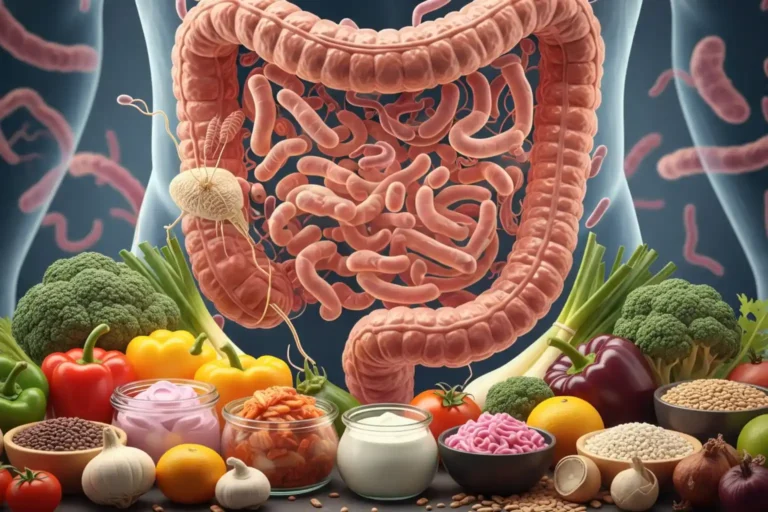
Welcome to the ultimate guide on how to improve gut health naturally in 2025. Over the last decade, science has revealed that your digestive system is the foundation of your overall well-being.
When people ask how to improve my gut health naturally, they are usually dealing with frustrating, chronic symptoms. These range from daily bloating and unpredictable digestion to stubborn skin issues and severe fatigue.
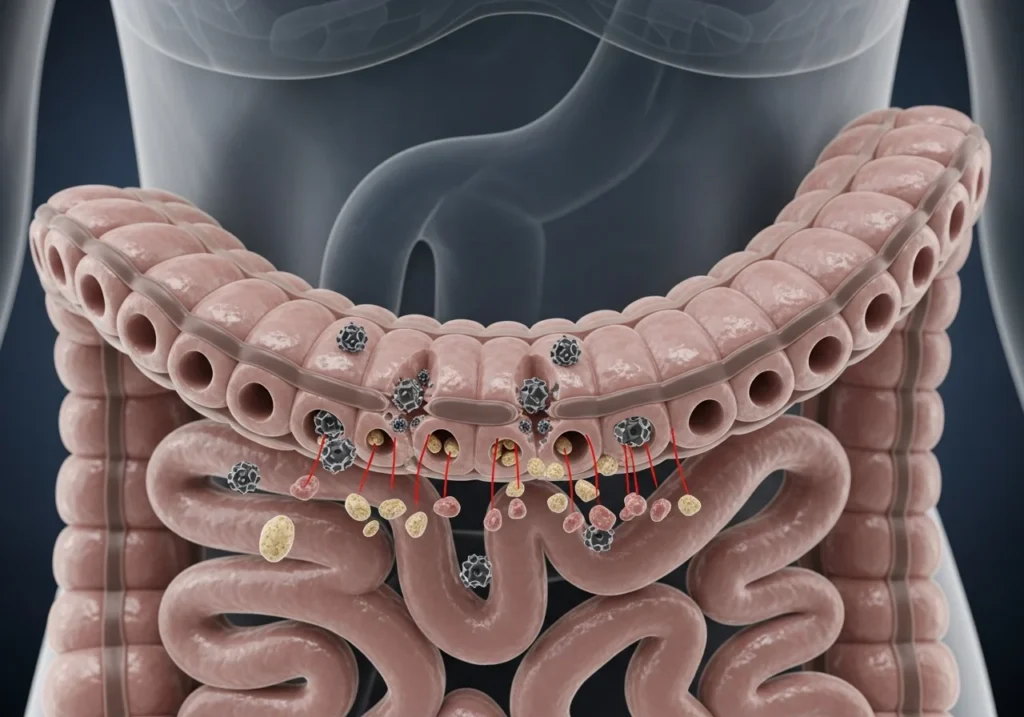
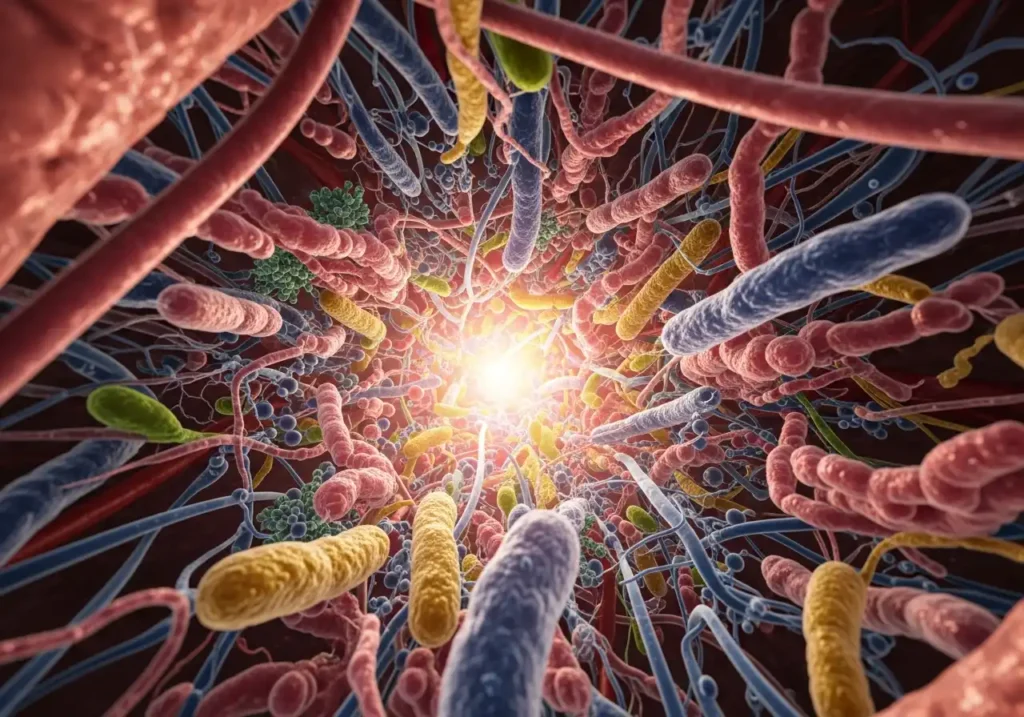
Your gut microbiome is a complex ecosystem of trillions of bacteria, viruses, and fungi living in your digestive tract. When this delicate environment is balanced, it protects your immunity and regulates your mood.
If you are searching for how to improve your gut health naturally, you do not need extreme diets or expensive detoxes. By making strategic, science-backed lifestyle and dietary changes, you can restore your microbiome effectively.
What Is Gut Health and Why It Matters
Gut health refers to the optimal functioning of your entire gastrointestinal tract, specifically focusing on the balance of your microbiome.
These microscopic organisms dictate how your body extracts nutrients, fights off infections, and even produces neurotransmitters like serotonin.
Understanding how gut health affects your health requires looking at the gut-brain axis, a direct communication line between your stomach and mind.
An inflamed digestive tract can send distress signals to your brain, directly contributing to anxiety, brain fog, and chronic stress.
mic inflammation and chronic fatigue.She had tried countless remedies, but her symptoms persisted until we focused entirely on how to restore gut balance.
In my clinical practice, I often witness the link between gut health and overall well-being. Recently, a patient with chronic fatigue and systemic inflammation found relief after we prioritized restoring her gut balance.
Within weeks of starting a microbiome recovery protocol, her energy levels improved, demonstrating the body’s interconnectedness.
How to Improve Gut Health Naturally (Step-by-Step Plan)
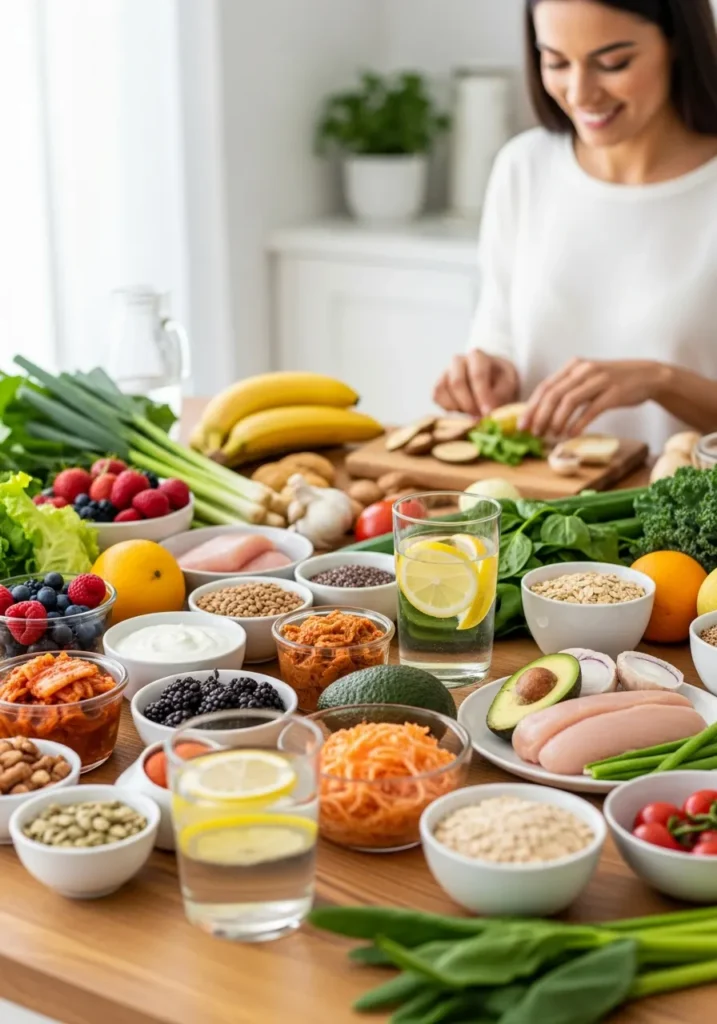
Healing your digestive system is not about quick fixes; it requires a structured, multi-phase approach to see lasting results.You cannot simply take a supplement and expect years of dietary stress to magically disappear overnight.
The most effective strategy involves removing toxic triggers, introducing soothing nutrients, and actively repopulating your beneficial bacteria.
Step 1 — Remove Foods That Damage Gut Health
The very first step in healing is to stop actively harming your intestinal lining and microbiome.If you do not eliminate the worst foods for gut health, any positive changes you make will be constantly undermined by new inflammation.
Ultra-processed foods are the primary culprits behind the modern epidemic of digestive issues.These items are packed with chemical emulsifiers and artificial preservatives that literally strip away the protective mucus layer of your intestines.
Refined sugar and artificial sweeteners are equally destructive, feeding harmful yeast and bad bacteria while starving your beneficial microbes.You must also strictly limit fried foods, industrial seed oils, and excessive alcohol consumption during your healing phase.
Alcohol acts as a harsh solvent, damaging the delicate cellular walls of your gut and increasing intestinal permeability, known as leaky gut. By removing these 7 worst foods for gut health, you create a calm, clean environment where true cellular repair can finally begin.
Step 2 — Eat Gut-Healing Foods
Once you have cleared out the inflammatory triggers, you must flood your system with nutrients specifically designed to repair your GI tract.Knowing exactly what foods are good for gut health allows you to use your daily meals as powerful, targeted medicine.
Incorporating the top 10 foods for gut health is essential for reducing internal swelling and rebuilding your microbiome diversity.
Bone Broth: This should be a staple in your healing protocol. Bone broth is incredibly rich in collagen, gelatin, and amino acids like L-glutamine.These compounds act as the literal building blocks for your intestinal wall, helping to seal up the tight junctions damaged by poor diet.
Fermented Dairy (Yogurt and Kefir): High-quality, unsweetened yogurt and kefir are naturally packed with living probiotics. Kefir, in particular, contains up to 50 different strains of beneficial bacteria and yeast, making it a powerhouse for microbiome repopulation.
Fermented Vegetables (Sauerkraut and Kimchi): Unpasteurized sauerkraut and kimchi offer a robust dose of Lactobacillus bacteria. The natural fermentation process also creates organic acids that help balance the pH of your stomach, naturally improving digestion.
Garlic and Onions: These are essential prebiotic foods. They contain inulin, a type of fiber that your body cannot digest, but your good bacteria thrive on.
Oats and Apples: Both are fantastic sources of soluble fiber, particularly beta-glucan and pectin. This type of fiber forms a soothing gel in your digestive tract, helping to sweep away toxins and regulate your bowel movements gently.
Bananas: Green or slightly underripe bananas are rich in resistant starch, another highly effective fuel source for your microbiome.
Leafy Greens: Spinach, kale, and Swiss chard contain a specific type of sugar called sulfoquinovose, which directly feeds healthy gut bacteria.
By consistently prioritizing these foods that heal gut inflammation, you provide your body with the exact tools it needs to achieve long-term digestive harmony.
Step 3 — Increase Good Bacteria Naturally
Repopulating your microbiome is essential after a prolonged period of poor diet, stress, or antibiotic use.
If you want to know how to increase good bacteria in gut naturally, you must focus on both introducing new microbes and feeding the ones you have.Eating fermented foods daily is the most natural way to improve gut flora without relying solely on expensive supplements.
However, adding probiotics is useless if you do not simultaneously consume prebiotic fiber from vegetables to keep those bacteria alive and thriving.
Step 4 — Improve Digestion Naturally
Your gut cannot heal if your stomach and intestines are constantly overworked by poorly broken-down food.
Learning how to improve digestion naturally at home starts before the food even hits your stomach.You must chew your food thoroughly—at least 20 to 30 times per bite—to mix it with salivary enzymes that begin the breakdown process.
To make digestion strong, avoid drinking massive amounts of ice-cold water during meals, as this can dilute your natural stomach acid.
How to Restore Gut Balance Naturally
Understanding how to restore gut balance naturally requires looking at what caused the disruption in the first place.
Most microbiome imbalances, known medically as dysbiosis, stem from prolonged chronic stress or a poor modern diet.A single round of broad-spectrum antibiotics can wipe out your beneficial bacteria, leaving opportunistic pathogens to multiply.
If you are wondering how to treat gut imbalance, you must aggressively repopulate your system with diverse, living microbes.Focusing on a wide variety of plant fibers and avoiding unnecessary medications is the most effective long-term strategy.
How to Improve Gut Health Naturally for Kids
Children are highly susceptible to microbiome disruptions, especially after frequent courses of childhood antibiotics.
If you want to know how to improve gut health naturally in kids, focus on crowding out sugary snacks with whole, colorful foods.Offer kid-safe, gut-friendly options like mashed bananas, unsweetened yogurt, and mild kefir blended into fruit smoothies.
Ensuring they drink plenty of water and get enough daily fiber is the foundation of how to improve gut health naturally for kids.Always consult with your pediatrician before giving young children potent, multi-strain probiotic supplements.
How to Improve Digestion and Gut Health Naturally at Home
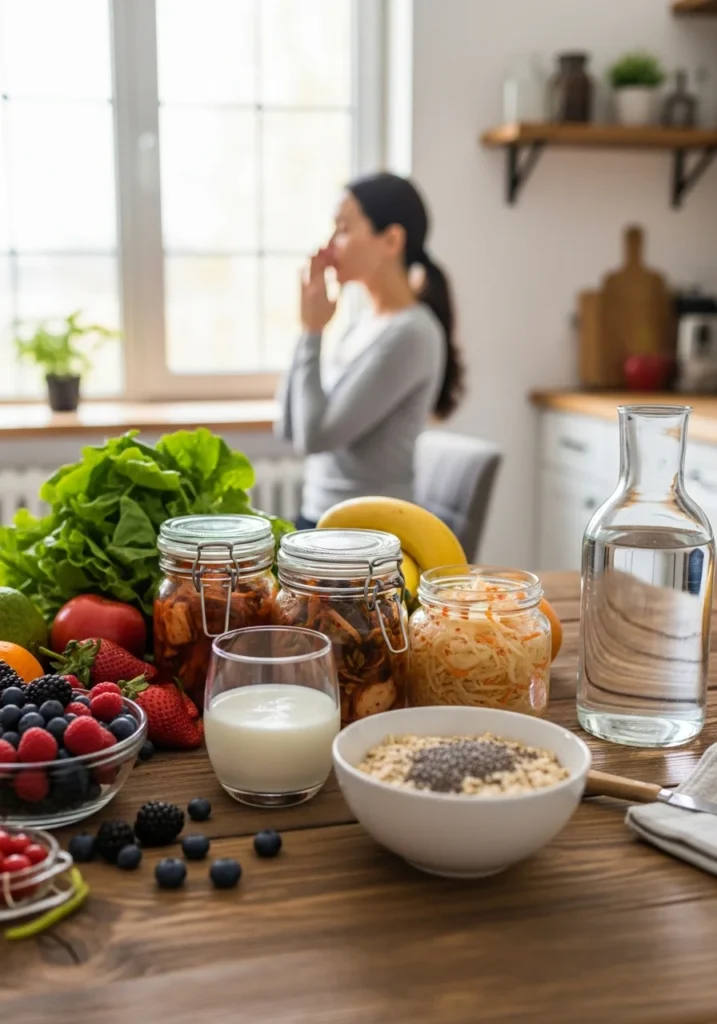
You have immense control over your microbiome right in your own kitchen and living room.
Learning how to improve digestion system function starts with establishing a consistent morning routine.Drinking a large glass of warm room-temperature water first thing in the morning naturally stimulates a healthy bowel movement.
To understand how to improve digestion naturally at home, try spacing your meals at least three to four hours apart.This allows your migrating motor complex to sweep leftover food and bacteria cleanly through your digestive tract.
Regional & Cultural Natural Approaches
Ayurvedic Gut Health Practices
Ancient medicinal practices have understood the importance of the microbiome for thousands of years.
If you are researching how to improve gut health naturally with Ayurveda, the focus is always on enhancing your “agni,” or digestive fire.Drinking warm ginger tea before meals and using anti-inflammatory spices like turmeric are foundational Ayurvedic steps.
Taking Triphala, an ancient herbal blend, gently cleanses the colon and naturally promotes regular bowel movements.
Global Practices
Different regions offer unique, effective dietary patterns that naturally support a robust and diverse microbiome.
For example, looking at how to improve gut health naturally in India reveals a diet rich in lentils, diverse spices, and fermented dairy like dahi.Similarly, observing how to improve gut health naturally in Australia highlights a strong emphasis on fresh, coastal produce and outdoor, active lifestyles.
Frequently Asked Questions
How can I improve my gut health naturally?
The most effective way is to completely eliminate ultra-processed foods and refined sugars from your daily diet. Replace them with high-fiber plant foods, fermented vegetables, and bone broth to naturally repopulate your beneficial bacteria.
How do I fix my gut health fast?
While total microbiome restoration takes months, you can drastically reduce bloating in just 7 to 10 days. Simply increase your daily water intake, avoid artificial sweeteners, and introduce a high-quality, multi-strain probiotic supplement.
What foods are good for gut health?
The absolute best foods for your microbiome are fermented dairy (like kefir and plain yogurt) and fiber-rich prebiotics. Incorporating garlic, onions, oats, leafy greens, and unpasteurized sauerkraut will provide the perfect environment for healthy bacteria to thrive.
How long does it take to improve gut health?
Symptom relief, such as reduced gas and better energy, can happen within the first two weeks of dietary changes. However, completely regenerating the intestinal lining and restoring deep bacterial diversity typically requires 30 to 90 days of absolute consistency.
How do I detox my guts naturally?
You do not need harsh chemical laxatives or extreme juice fasts to detoxify your digestive system. Your body detoxes naturally when you provide it with adequate hydration, soluble fiber from oats and apples, and deep, restorative sleep.
Conclusion
Improving your gut health is a deeply rewarding journey that impacts your energy, immunity, and mental clarity. The most critical step is to stop damaging your microbiome by removing ultra-processed foods, alcohol, and refined sugars.
Focus heavily on eating fiber-rich prebiotic foods and introducing diverse, living bacteria through fermented options like kefir and kimchi.
Remember that optimizing your sleep, managing daily stress, and staying properly hydrated are just as important as your diet.
Authoritative & References:

Related Posts

MORE from Author
Read More Just last week, a patient named Sarah walked into my clinic carrying three different boxes of popular gut biome tests.…
 Recently, a frustrated patient named Mark visited my public health clinic. He handed me an expensive, beautifully packaged at-home stool…

- Have you ever felt constantly exhausted and painfully bloated after normal meals? Recently, a patient named Sarah sat in my…
- For most healthy adults, 7 hours of sleep per night is the minimum recommended amount, but 7–9 hours is ideal.…