
Is Kombucha Actually Good for Gut Health?
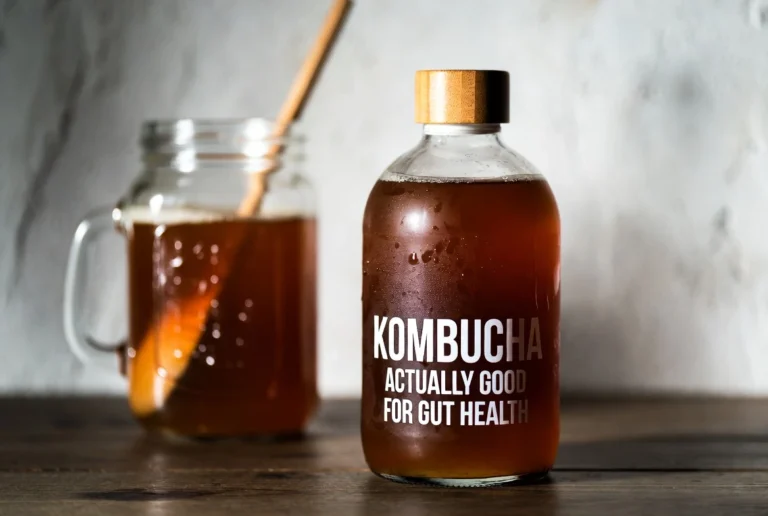
If you walk down the beverage aisle of any modern grocery store, you will see rows of colorful, fizzy kombucha. It is marketed as a miracle elixir for digestion, immunity, and overall wellness.
But as someone who closely studies the intersection of whole foods and human biology, I often get asked: Is kombucha good for gut health, or is it just overpriced tea?
To understand this, we first need to define what kombucha is. It is a fermented beverage made from sweetened black or green tea and a SCOBY (Symbiotic Culture of Bacteria and Yeast). During the fermentation process, the SCOBY consumes the sugar and produces organic acids, gases, and trace amounts of alcohol.
A healthy gut microbiome is crucial because it influences your digestion, immune system, and even your mood. So, does kombucha actually do anything? The clear, balanced truth is that kombucha can definitely support digestive health by providing beneficial acids and antioxidants. However, it is not a magical cure-all, and it is certainly not the right choice for everyone’s stomach.
I frequently work with readers and clients who are trying to transition away from artificial, highly processed diets. Recently, I guided a client who swapped her daily diet soda for a low-sugar kombucha. Initially, she experienced some mild bloating as her body adjusted to the new acids and live cultures.
But within a few weeks, she reported significantly better digestion and more stable afternoon energy levels. Her experience perfectly illustrates that kombucha benefits for digestive health are real, but they require patience and proper dosage.
What Happens to Your Body When You Start Drinking Kombucha?
When you introduce a new fermented food into your diet, your body will react. Many people wonder exactly what happens to your body when you start drinking kombucha. In the first 1 to 7 days, it is incredibly common to experience mild bloating, gas, or changes in your bowel movements.
This happens because you are introducing new acids and yeast into an established gut ecosystem.
The acetic acid in kombucha begins to alter the pH of your stomach, which can cause a temporary die-off of weaker bacteria. This is not a dangerous “detox” reaction, but rather a standard physiological response to new microbes.
If you continue drinking it consistently for 2 to 4 weeks, you may notice potential microbiome shifts.
The kombucha detox and gut health connection is often exaggerated by marketing companies. Your liver and kidneys do the actual detoxifying.
However, kombucha supports a healthy gut flora environment by providing the acidic conditions that beneficial bacteria love, which can lead to smoother digestion over time.
Does Kombucha Really Improve Gut Health? (Science Breakdown)
To determine the kombucha gut health scientific evidence, we have to look past the hype and examine the actual biology of fermentation. When we ask, does kombucha improve gut health, the answer lies in three main components: organic acids, polyphenols, and microbial byproducts.

First, the fermentation process produces high levels of acetic acid (the same acid found in apple cider vinegar). Acetic acid has proven antimicrobial properties. It can actively suppress the growth of harmful, pathogenic bacteria in your digestive tract, allowing your good bacteria to thrive without competition.
Second, because kombucha is brewed from tea, it is rich in polyphenols. Polyphenols are powerful plant-based antioxidants that help neutralize free radicals and reduce cellular inflammation. During fermentation, these polyphenols are broken down into smaller, more bioavailable compounds, making them much easier for your body to absorb and utilize for kombucha fermentation and gut benefits.
Finally, we need to understand the difference between probiotics and postbiotics. While kombucha contains live cultures, its true power often lies in postbiotics.
These are the beneficial compounds (like enzymes and short-chain fatty acids) that the bacteria produce during fermentation. Current kombucha gut health research studies on humans are still limited compared to studies on yogurt.
However, the science strongly suggests that these postbiotic compounds actively nourish the cells lining your intestinal wall.
Does Kombucha Contain Live Probiotics?
One of the biggest areas of confusion is whether kombucha functions like a probiotic pill. Does kombucha contain live probiotics?
The answer is yes, but the concentration and type vary wildly depending on how it was brewed and bottled.
For raw unpasteurized kombucha gut benefits to occur, the drink must be kept cold. If kombucha is pasteurized (heated to kill bad bacteria), the heat also kills the beneficial SCOBY cultures. Therefore, pasteurized kombucha offers antioxidants and acids, but no live kombucha probiotics for gut health.
Furthermore, there is a major labeling issue with store-bought brands. Some commercial companies brew the tea, pasteurize it, and then artificially add a single strain of lab-grown probiotics (like Bacillus coagulans) just to put “probiotic” on the label.
While this store bought kombucha is good for gut health, it lacks the wild, diverse ecosystem of natural fermentation.
Kombucha vs Other Gut Health Options
How does kombucha stack up against the heavyweights of the digestive world? Understanding kombucha vs yogurt for gut health or kefir can help you choose the right functional food for your body.
Is kombucha better than probiotic supplements? Not necessarily. Supplements provide highly concentrated, clinically studied doses of specific bacterial strains. Kombucha, on the other hand, offers a broader, wilder variety of yeast and bacteria, plus the added benefits of hydration and tea polyphenols. They serve different purposes.
When comparing kombucha vs kefir for gut health, kefir is generally superior if you want sheer probiotic volume.
Milk kefir contains billions of lactic acid bacteria and is fantastic for rebuilding the microbiome after antibiotics. Kombucha is lighter, dairy-free, and functions more as a digestive aid and antioxidant boost rather than a massive bacterial reinoculation.
How Much Kombucha Should You Drink a Day for Gut Health?
More is not always better when it comes to fermented foods. Many beginners ask, how much kombucha should you drink a day to see benefits without upsetting their stomach? If you are new to fermented drinks, you must start small to assess your tolerance.
For beginners, the ideal daily range is just 4 to 8 ounces (about half a standard bottle). This introduces the acids and cultures without overwhelming your digestive tract. You can slowly increase this amount as your body adapts over a few weeks.
For regular drinkers, how much kombucha to drink for gut health safely maxes out at about 12 to 16 ounces per day (one standard commercial bottle). Drinking more than this can introduce an excessive acid load to your stomach and teeth.
Furthermore, you must consider the sugar content; drinking three bottles a day could easily push you over your daily recommended sugar limit. Therefore, moderation is the key to ensuring kombucha is safe for daily gut health.
Best Time to Drink Kombucha for Gut Health
Timing matters when you are consuming live cultures and organic acids. Finding the best time to drink kombucha for gut health depends entirely on your personal digestive system.

If you drink it on an empty stomach first thing in the morning, the probiotics have a higher chance of surviving the journey to your intestines. However, the high acidity can cause stomach upset for some people.
Therefore, learning how to drink kombucha for gut health often means pairing it with food. Drinking a small glass with your lunch can actually aid digestion, as the acids help break down heavy proteins and fats.
I generally advise my patients to avoid drinking it late in the evening. Because it is brewed from tea, it contains trace amounts of caffeine. Furthermore, lying down right after consuming a carbonated, acidic beverage can easily trigger nighttime acid reflux.
Is Kombucha High in Sugar? Low-Sugar & Organic Options
One of the most common concerns I hear in my practice is about the sugar content. Is kombucha high in sugar? The answer is complicated. Sugar is an absolute requirement for the fermentation process; the SCOBY must consume sugar to produce beneficial acids.
However, a properly brewed batch will have very little residual sugar left by the time you drink it.
The problem arises with commercial brands that add heavy fruit juices or cane sugar after fermentation to make it taste better. This defeats the purpose of a health drink. Always read the nutrition label and look for low sugar kombucha for gut health, ideally under 6 grams of added sugar per serving.
Additionally, choosing an organic kombucha for gut health ensures you are not ingesting pesticide residues.
Since you are trying to cultivate a healthy microbial environment, avoiding agricultural chemicals that could harm those microbes is a smart strategy.
Best Kombucha for Gut Health (Brands & Types)
With so many options on the shelves, how do you find the best kombucha for gut health? You must look for three specific criteria: raw, refrigerated, and dark-bottled.
The kombucha brands best for gut health will always be found in the refrigerated section. If it is sitting on a warm shelf, it has been pasteurized, meaning the beneficial bacteria are dead.
Furthermore, dark glass bottles protect the live cultures from UV light damage. Look for labels that explicitly state “raw and unpasteurized.”
Many enthusiasts swear by homemade kombucha for gut health. Brewing it yourself allows you to control the exact sugar content and fermentation time. However, home brewing requires strict hygiene.
If your equipment is dirty, you can accidentally cultivate harmful mold alongside the good bacteria.
Whether you choose store-bought or homemade, it remains one of the best probiotic drinks for gut health kombucha lovers can consume, provided it is truly raw.
Kombucha for Specific Gut Issues
Your digestive system is unique, which means fermented drinks affect everyone differently. I frequently have to adjust my recommendations based on a patient’s specific symptoms.
Managing IBS and Bloating
Is kombucha good for IBS gut health? For many patients with Irritable Bowel Syndrome, the answer is no. Kombucha contains carbonation and fermentable carbohydrates (FODMAPs).
These can trigger severe gas and rapid expansion in the intestines. If you are using kombucha for bloating and digestion, but you have IBS, you might actually make your symptoms worse.
Constipation Relief
Conversely, kombucha for constipation relief can be highly effective for the general public.
The hydration, combined with mild caffeine and organic acids, stimulates bowel motility. The live bacteria also help add bulk and moisture to the stool over time.
Acid Reflux Considerations
Using kombucha for acid reflux gut health is a double-edged sword. For a small percentage of people with low stomach acid, the acetic acid helps close the esophageal sphincter, preventing reflux.
However, for the vast majority of people with traditional heartburn, drinking a highly acidic, carbonated beverage will directly irritate the esophagus.
Intestinal Permeability (Leaky Gut)
Many online articles claim you can kombucha heal gut lining. The medical reality is more nuanced.
While using kombucha for leaky gut syndrome won’t cure the condition overnight, the tea polyphenols and short-chain fatty acids do help reduce cellular inflammation.
This creates a better environment for your tight junctions to repair themselves.
Kombucha Dangers, Side Effects & Who Should Avoid It
While fermented tea is safe for most, I must highlight the real kombucha dangers and clinical risks. It is not appropriate for everyone.
The most common kombucha gut health side effects stem from overconsumption. Drinking too much acidic liquid can lead to severe dental enamel erosion.
I always recommend drinking it through a straw and rinsing your mouth with plain water afterward.
Furthermore, because it contains wild yeast, individuals with Candida overgrowth or severe yeast sensitivities may experience symptom flare-ups.
Is kombucha dangerous?
For specific populations, yes. Anyone who is severely immunocompromised (such as patients undergoing chemotherapy) should completely avoid unpasteurized drinks. The risk of opportunistic infection is too high.
Finally, individuals with histamine intolerance often find that can kombucha cause gut problems, as fermented foods are naturally very high in histamines, leading to headaches and rashes.
Ultimately, is kombucha good for everyone? No, it requires a healthy, stable immune system to process safely.
Kombucha for Women, Men & Pregnancy
Gut health is closely tied to our hormones, meaning fermented drinks interact differently with male and female biology.
The benefits of kombucha for females often revolve around the “estrobolome”—a collection of gut bacteria responsible for metabolizing estrogen.
A diverse microbiome helps flush out excess estrogen, which is why kombucha for women gut health can theoretically support hormonal balance. For men, the kombucha for men gut health benefits primarily relate to metabolic health, as the acetic acid helps regulate blood sugar spikes after heavy, carbohydrate-rich meals.
However, a major warning must be issued regarding kombucha during pregnancy gut health.
Because it is unpasteurized, there is a risk of foodborne illness (like Listeria) which can be dangerous to a fetus. Furthermore, all raw kombucha contains trace amounts of alcohol (usually around 0.5%). Medical guidelines strongly advise pregnant women to avoid unpasteurized foods and any level of alcohol.
Weight Loss, Immunity & Gut Inflammation
Beyond digestion, patients constantly ask about metabolic and systemic benefits. Is kombucha good for weight loss? It is not a magic fat-burning potion.
However, using kombucha for weight loss and gut health works indirectly. Swapping a 150-calorie high-sugar soda for a 40-calorie low-sugar kombucha creates a caloric deficit. Additionally, the acetic acid improves insulin sensitivity, meaning your body is less likely to store excess glucose as belly fat.
When it comes to kombucha for immune and gut health, the science is solid. A massive portion of your immune system resides in your gut tissue.
By supporting beneficial bacteria, you crowd out pathogens. Finally, can kombucha reduce gut inflammation? Yes, the potent antioxidants from the green or black tea base actively scavenge free radicals, lowering systemic inflammatory markers in the digestive tract.
Expert Opinions & Medical Perspectives
If you look at the broader medical community, the kombucha gut health expert opinions are generally positive but cautious.
Gastroenterologists appreciate that fermented foods encourage microbiome diversity. However, major health organizations remind us to be realistic.
For instance, determining if is kombucha good for gut health mayo clinic guidelines suggest that while it has benefits, it should not replace established medical treatments. Doctors frequently point out the “evidence gaps,” noting that while we have extensive human trials on yogurt and fiber, most of the specific biochemical studies on kombucha have only been conducted in animal models or test tubes.
Reddit, Myths & Real-World Experiences
If you search is kombucha good for gut health reddit, you will find wildly conflicting stories. Some users claim it cured their chronic illness, while others say it caused severe stomach cramps.
This happens because of confirmation bias and the highly individualized nature of the microbiome. Anecdotes are powerful, but they are not clinical data. The reality is that the people who benefit most are those transitioning from a highly processed diet to a whole-foods diet, where kombucha acts as a catalyst for better overall daily habits.
Frequently Asked Questions
What is the fastest way to improve gut health?
The fastest way is to increase fiber and fermented foods while cutting sugar. Most people notice a decrease in bloating within 3 to 7 days. Your microbiome can begin to shift in as little as 24 hours.
What is a 7-day gut reset?
A 7-day reset is a plan to remove processed foods and add fiber. It focuses on whole foods, hydration, and stress management. It is not a “juice cleanse” or a starvation diet.
How long does it take to heal your gut?
Minor issues like bloating can improve in a week. However, healing the gut lining or fixing chronic issues takes longer. You should expect to see major changes within 3 to 6 months of consistency.
Are gut detoxes real?
No, most commercial “detox” products are unnecessary. Your liver and kidneys handle detoxification. A “gut detox” should simply mean eating clean, high-fiber foods that support your organs.
What are the worst foods for gut health?
Ultra-processed foods and artificial sweeteners are the worst. Excess alcohol and high-sugar diets also damage the microbiome. These foods promote the growth of harmful bacteria and cause inflammation.
Final Verdict: Should You Drink Kombucha for Gut Health?
In conclusion, utilizing daily kombucha for long-term gut health can be an excellent strategy if you choose the right product and listen to your body.
It provides hydration, powerful tea polyphenols, organic acids, and beneficial wild cultures. If you do not have IBS, histamine intolerance, or a compromised immune system, it is a wonderful addition to a balanced diet.
However, if you are wondering if kombucha is good for stomach health, remember that it is just one piece of the puzzle. You cannot out-drink a diet devoid of solid dietary fiber.
Treat it as a functional, healthy beverage rather than a medical cure, keep your daily intake under 12 ounces, and your microbiome will likely thank you.
Medical Disclaimer: This article is for educational and informational purposes only. It does not constitute medical advice. Always consult with your physician, gastroenterologist, or a registered dietitian before introducing new fermented foods or supplements into your diet, especially if you have a pre-existing gastrointestinal condition or are pregnant.
References:
- National Institutes of Health (NIH) – Fermented Foods and Microbiome: https://pmc.ncbi.nlm.nih.gov/articles/PMC9027423/
- Journal of Agricultural and Food Chemistry – Kombucha Composition and Antioxidants: https://pubs.acs.org/doi/10.1021/acs.jafc.0c07051
- Mayo Clinic – What is kombucha tea? Does it have any health benefits?: https://www.mayoclinic.org/healthy-lifestyle/consumer-health/expert-answers/kombucha-tea/faq-20058126
- American College of Gastroenterology – Probiotics and Fermented Foods: https://gi.org/topics/probiotics-for-the-treatment-of-adult-gastrointestinal-disorders/
- Frontiers in Nutrition – Clinical Impacts of Acetic Acid and Fermentation: https://www.frontiersin.org/journals/nutrition/articles/10.3389/fnut.2022.849642/full



MORE from Author
Read More As a physician, I regularly see patients who are utterly exhausted from poor sleep. When you are desperately scrolling online…
- Hey, there. Let's talk about something we all want but struggle to achieve: vibrant, long-term health. These days, figuring out…


 Every week in my clinical practice, patients ask me the same desperate question: "Doc, how do I actually prevent a…
 When patients visit my clinic, they frequently ask me, "Doc, what is a healthy lifestyle, really?" They feel completely overwhelmed…