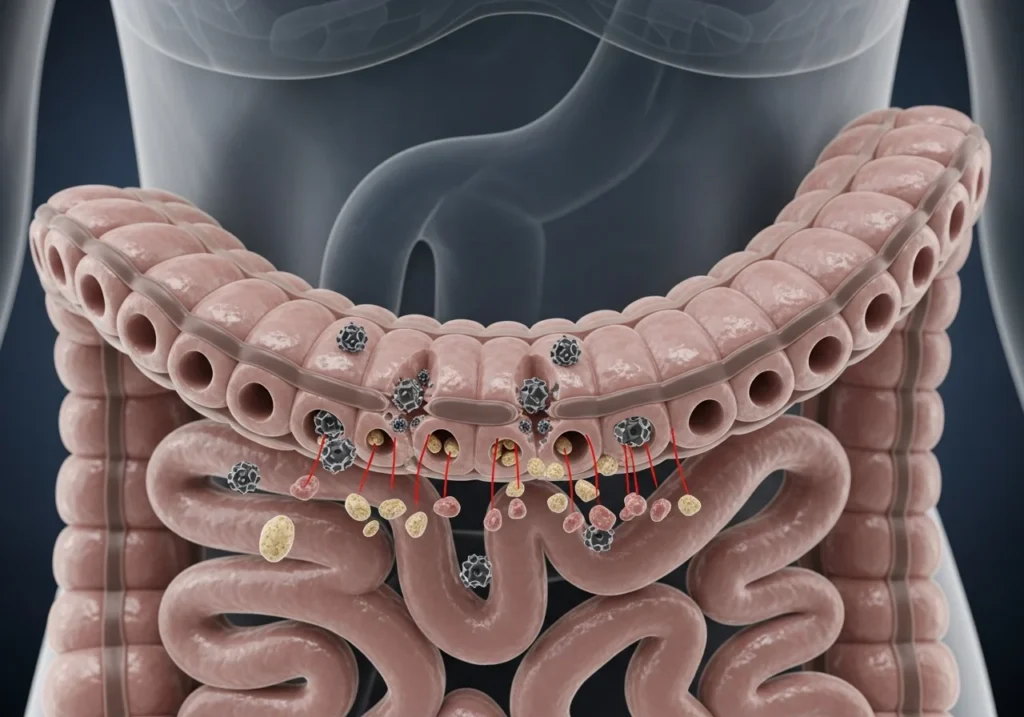
What Are the Best Foods for Gut Health? Fix Bloating Fast
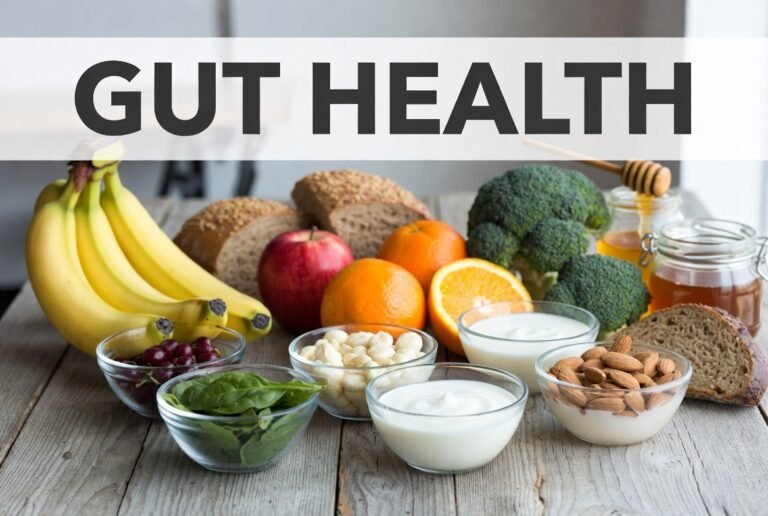
Gut health refers to the balance of bacteria and other microorganisms in your digestive tract (the gut microbiome). A healthy gut supports digestion, immunity, weight regulation, mood, and inflammation control.
I frequently talk to patients who feel overwhelmed by digestive issues like bloating, fatigue, or unpredictable bathroom habits. I completely understand how exhausting it is when your stomach dictates your day.
Years ago, I interviewed a patient—a young teacher—who had spent hundreds of dollars on “miracle” supplements, only to feel worse. When we finally shifted her focus away from pills and toward real, whole foods, her symptoms improved dramatically within weeks.
As a doctor, I want you to know that the secret to a happy digestive system isn’t in a pharmacy aisle; it is in your grocery cart.
Let’s explore exactly what are the best foods for gut health and how to use them to heal your gut fast.
The Super Six Foods for Gut Health
If you want to know what are the super six foods for gut health, you need to focus on variety.
Your microbiome thrives on different types of plant fibers and active bacterial strains.
The “Super Six” is a doctor-approved list designed to provide probiotics, prebiotics, and polyphenols.
These compounds work together to increase the production of short-chain fatty acids (SCFAs), which protect your gut lining.
The “Super Six” Doctor-Approved Gut Foods:
- Fermented dairy: Yogurt and kefir provide potent probiotics.
- Fermented vegetables: Kimchi and sauerkraut offer both fiber and live cultures.
- High-fiber whole grains: Oats and barley act as vital prebiotics.
- Legumes: Lentils and chickpeas feed diverse bacterial species.
- Leafy greens: Spinach and kale deliver essential anti-inflammatory nutrients.
- Berries: Blueberries and raspberries are packed with polyphenols.
Best Probiotic Foods for Gut Health
Probiotics are live, beneficial bacteria that you ingest. Adding the best probiotic foods for gut health to your diet is like sending reinforcements to your digestive tract. They help crowd out harmful bacteria and support your immune system.
| Food | Probiotic Benefit | Best For |
| Yogurt (live cultures) | Lactobacillus | IBS and reducing daily bloating |
| Kefir (fermented milk) | Multi-strain bacteria | Antibiotic recovery and digestion |
| Kimchi (spicy cabbage) | Lactic acid bacteria | Boosting natural immunity |
| Miso (fermented soy) | Aspergillus oryzae | Soothing gut inflammation |
Best Prebiotic Foods for Gut Health
While probiotics are the “good bugs,” prebiotics are their food. You need the best prebiotic foods for gut health to keep those beneficial bacteria alive and multiplying. These foods contain specific types of fiber that your human cells cannot digest, but your gut bacteria love.
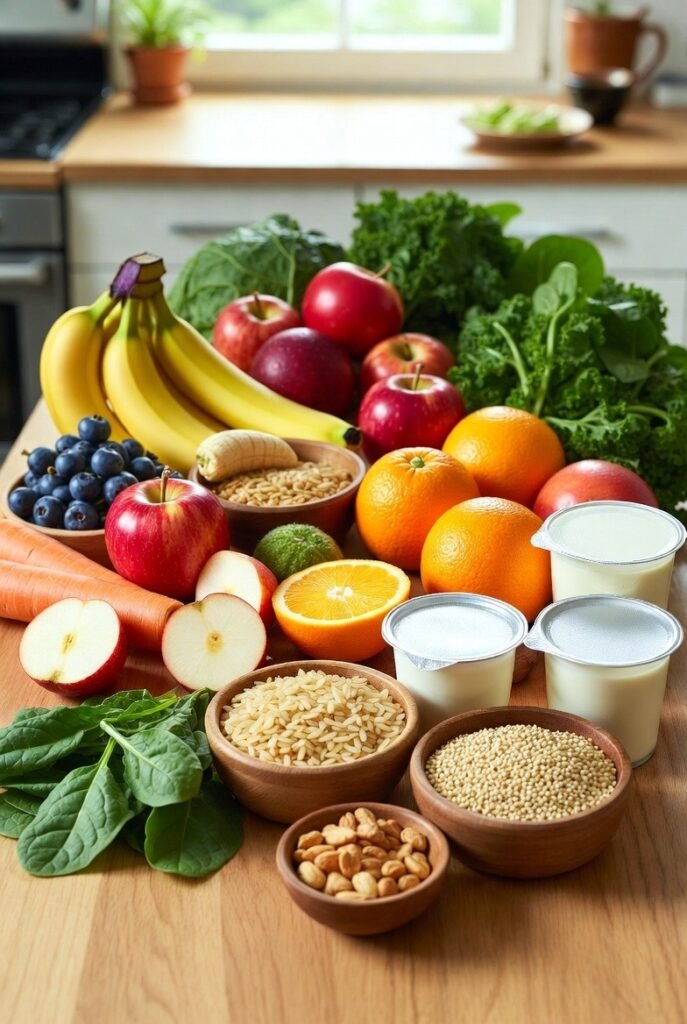
Add these to your grocery list:
- Garlic: Contains inulin, a powerful prebiotic fiber.
- Onions: Rich in antioxidants and compounds that feed good flora.
- Asparagus: Best eaten lightly steamed to preserve its prebiotic value.
- Oats: A fantastic source of beta-glucan fiber.
- Bananas (slightly green): High in resistant starch.
- Chicory root: Often found in gut-friendly coffees or teas.
Best Fruits and Vegetables for Gut Health
To achieve a diverse microbiome, you need a diverse diet. The best fruits and vegetables for gut health are those rich in specific fibers and protective plant compounds.
Best Fruits:
- Blueberries: Packed with polyphenols that feed beneficial bacteria.
- Apples: High in pectin, a soluble fiber that improves digestion.
- Kiwi: Clinically proven to help with constipation relief.
Best Vegetables:
- Artichokes: One of the highest natural sources of prebiotic inulin.
- Broccoli: Contains compounds that protect the gut barrier.
- Spinach: Provides essential folate and anti-inflammatory vitamins.
Foods That Heal Gut Inflammation
Chronic inflammation in the digestive tract can lead to a host of problems, from brain fog to joint pain. When looking for foods that heal gut inflammation, we are talking about foods that support tissue repair and calm the immune response. (Note: In a medical context, “heal” means to support the body’s natural repair mechanisms, not to cure a specific disease.)
Focus on these anti-inflammatory staples:
- Fatty fish: Salmon and sardines are rich in omega-3 fatty acids, which lower inflammatory markers.
- Turmeric: Curcumin, the active compound, is a potent anti-inflammatory agent.
- Extra virgin olive oil: Contains oleocanthal, which mimics the effects of ibuprofen.
- Leafy greens: High in antioxidants that reduce cellular stress.
Foods to Repair Gut Lining Naturally
If you suffer from “leaky gut” (intestinal permeability), your gut barrier has become compromised. You need foods to repair gut lining naturally to help seal those tight junctions between cells.
- Bone broth: An excellent natural source of collagen and amino acids.
- Zinc-rich foods: Pumpkin seeds and oysters help maintain the gut barrier.
- Glutamine-rich foods: Cabbage (especially when made into sauerkraut) provides L-glutamine, the preferred fuel for intestinal cells.
- Fiber: Essential for the production of SCFAs, which physically strengthen the gut wall.
Best Foods for Gut Health and Weight Loss
Many patients ask me if diet can truly change their metabolism. The answer is absolutely yes. If you are searching for the best foods for gut health and weight loss, you must focus on dietary fiber. Because fiber increases satiety, you feel full much longer.
Furthermore, when bacteria ferment fiber, they produce short-chain fatty acids (SCFAs). These SCFAs directly affect how your body burns fat. Additionally, reducing gut inflammation improves your insulin sensitivity. As a result, your body stores less belly fat. Thus, eating foods good for digestion and bloating naturally supports a healthy waistline.
Best Foods for Constipation, Gas & Bloating
Digestive discomfort can ruin a perfectly good day. If you struggle with irregularity, you need the best foods for gut health and constipation. You do not always need harsh laxatives. Instead, you can use targeted whole foods.
For instance, eating two kiwi fruits daily is clinically proven to improve bowel frequency. Also, prunes draw water into your intestines to soften stool. If you need best foods for gut health and gas relief, try fresh ginger tea. Ginger naturally speeds up stomach emptying. Finally, psyllium husk is a gentle, food-based fiber source that promotes healthy digestion.
Best Foods for Gut Health After Antibiotics
Antibiotics are crucial for fighting bacterial infections. However, they also wipe out your beneficial microbes. Therefore, knowing the best foods for gut health after antibiotics is vital for your recovery. You need to strategically rebuild your internal ecosystem.
First of all, eat plenty of fermented foods like yogurt and kefir. These introduce diverse, live cultures back into your system. Next, consume foods that restore gut bacteria, such as cooked and cooled potatoes. These contain resistant starch, which feeds newly forming bacterial colonies. Ultimately, a wide variety of plant foods will balance your gut flora safely.
Best Foods for Gut Health and Immunity
Did you know that 70% of your immune system lives in your gut? This is called the gut-immune axis. Therefore, eating the best whole foods for gut health directly protects you from seasonal bugs.
Specifically, you need foods that support digestive health and mucosal immunity. Garlic and onions contain antimicrobial properties that fight bad pathogens. Furthermore, vitamin C-rich foods like bell peppers strengthen your intestinal barrier. Consequently, eating a colorful, plant-based diet is your best defense against daily illnesses.
Best Foods for Specific Populations
Your microbiome needs to change depending on your age and gender. For example, the best foods for gut health for women often include iron-rich plant fibers. Lentils and spinach are fantastic choices during menstruation. Also, pregnancy-safe fermented foods like pasteurized yogurt support a healthy baby.
Meanwhile, the best foods for gut health for men should include heart-healthy fibers like oats and barley. If you want the best foods for gut health for kids, keep it simple. Child-friendly probiotic foods like mild kefir smoothies or apple slices with peanut butter work perfectly.
7 Worst Foods for Gut Health
Just as some foods heal, others harm. I always advise my patients to avoid the 7 worst foods for gut health. These items feed bad bacteria and trigger severe inflammation.
- Ultra-processed foods: These contain chemical emulsifiers that strip your gut lining.
- Excess sugar: Bad bacteria and yeast thrive on refined sweets.
- Artificial sweeteners: High amounts can alter your microbiome composition.
- Excess alcohol: Heavy drinking damages the intestinal wall and causes leaky gut.
- Refined carbs: White bread and pastries lack the fiber your bacteria need.
- Deep-fried foods: These slow down digestion and promote acid reflux.
- Highly processed meats: Hot dogs and deli meats contain inflammatory preservatives.
The 5 R’s of Gut Health (Functional Medicine Framework)
Many functional medicine doctors use a specific protocol to treat digestion. So, what are the 5 R’s of gut health? It is a step-by-step framework to systematically heal your digestive tract.
- Remove: Eliminate food triggers, pathogens, and the worst foods for gut health.
- Replace: Add digestive enzymes or stomach acid support if needed.
- Reinoculate: Introduce probiotics and the best fermented foods.
- Repair: Eat foods to repair the gut lining naturally, like bone broth.
- Rebalance: Manage your lifestyle through sleep, exercise, and stress reduction.
(Note: While this framework is popular, you should always work with a doctor to address underlying clinical issues.)
What Is the Quickest Way to Heal Your Gut?
What is the quickest way to heal your gut? The fastest method is to increase your daily fiber intake, add fermented foods, and immediately remove ultra-processed foods.
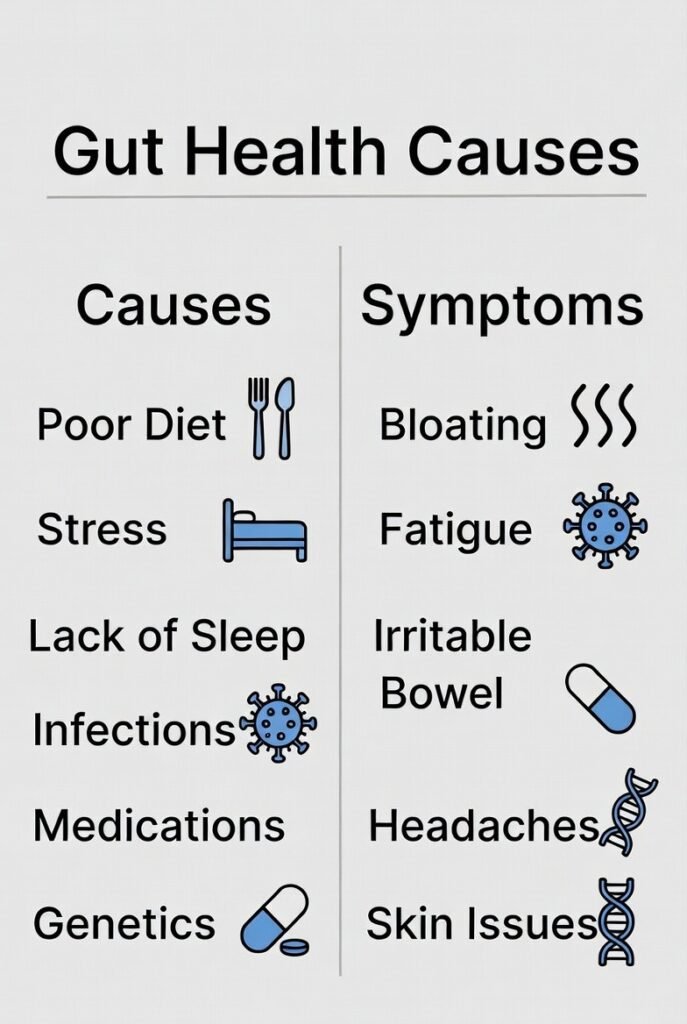
Furthermore, you must prioritize sleep and stress management. By following these steps, you can naturally increase good bacteria in your gut and reduce bloating within just 3 to 7 days.
7-Day Gut Healing Meal Plan
Are you ready to take action? Here is an eating well 7 day meal plan for a healthy gut. This framework focuses on gut-friendly foods for your daily diet.
Sample Day Layout:
- Breakfast: Oatmeal topped with chia seeds, blueberries, and a scoop of Greek yogurt. (Excellent best breakfast foods for gut health).
- Lunch: Mixed greens salad with lentils, artichoke hearts, and olive oil dressing.
- Dinner: Baked salmon with roasted asparagus and a side of quinoa.
Gut Health Food Grocery List:
- Proteins: Wild salmon, plain kefir, eggs, lentils.
- Produce: Blueberries, bananas, spinach, broccoli, garlic.
- Pantry: Rolled oats, chia seeds, extra virgin olive oil, herbal tea.
Best Snacks for Gut Health: Try a small handful of walnuts, green banana slices, or cucumber sticks with hummus.
Gut Detox Foods List (Myth vs Reality)
You will see many articles promising a “magic” gut detox foods list. However, you need to know the medical reality. Your body already detoxes naturally. Your liver and kidneys are incredibly efficient at keeping your stomach healthy and clean.
Therefore, you do not need harsh juice cleanses or expensive detox teas. Instead, true gut cleansing foods naturally support your organs. Drink plenty of water. Eat high-fiber vegetables. As a result, your body will safely sweep away waste and toxins on its own.
Best Foods for Gut Health and IBS
Irritable Bowel Syndrome (IBS) requires a careful approach. The best foods for gut health and IBS are not the same for everyone. For instance, some high-fiber foods can actually trigger terrible gas for IBS patients.
If you have IBS, you might benefit from a temporary Low FODMAP diet. This strategy removes highly fermentable carbs. Also, focus on foods to strengthen gut health naturally, like peppermint tea and easily digested proteins. Always consult a dietitian to find your specific fiber tolerance.
Frequently Asked Questions
What is the best food to eat to heal your gut?
There is no single “best” food. However, kefir, kimchi, bone broth, and high-fiber oats are incredibly powerful. A diverse mix of plants is the best way to heal your gut naturally.
What are the super six foods for gut health?
The super six include fermented dairy (kefir/yogurt), fermented vegetables (kimchi/kraut), whole grains (oats), legumes (lentils), leafy greens (spinach), and berries (blueberries).
What is the quickest way to heal your gut?
The quickest way is to drastically cut refined sugar and alcohol while increasing water, soluble fiber, and probiotic foods. Most people feel relief from bloating within a few days.
How long does it take to restore gut bacteria?
Minor imbalances can improve in 3 to 7 days with diet changes. However, recovering from heavy antibiotic use or chronic illness can take 3 to 6 months of consistent, healthy eating.
Are fermented foods better than probiotics?
Fermented foods are often better because they provide a wider variety of bacterial strains. They also contain the fiber and nutrients the bacteria need to survive in your stomach.
Can diet alone fix gut problems?
Diet is the foundation of gut health. However, chronic stress, lack of sleep, or underlying medical conditions (like Crohn’s disease) require comprehensive medical treatment beyond just food.
Conclusion
Understanding what are the best foods for gut health is your first step toward total body wellness. As we discussed, your microbiome thrives on diversity.
Start small by adding a spoonful of sauerkraut to your lunch or tossing chia seeds into your morning oats.
Because your gut bacteria respond quickly to what you eat, you have the power to change how you feel today. Eat plenty of plants, stay hydrated, and your digestive system will finally thank you.
References
- National Institutes of Health (NIH) – Gut Microbiome Basics
- Centers for Disease Control and Prevention (CDC) – Fiber & Digestion
- American College of Gastroenterology – Probiotics and Prebiotics
- World Health Organization (WHO) – Healthy Diet Guidelines
- PubMed Central – Dietary Fiber and Gut Microbiota
Related Posts
MORE from Author
Read More Just last week, a patient named Sarah walked into my clinic carrying three different boxes of popular gut biome tests.…
 Recently, a frustrated patient named Mark visited my public health clinic. He handed me an expensive, beautifully packaged at-home stool…

- Have you ever felt constantly exhausted and painfully bloated after normal meals? Recently, a patient named Sarah sat in my…
- For most healthy adults, 7 hours of sleep per night is the minimum recommended amount, but 7–9 hours is ideal.…