The Best Diet for Gut Health: A Science-Backed Guide to Healing and Resetting Your Microbiome
Hey there. Ever feel like your stomach is a separate entity? One that decides your mood for the day? Well, you aren’t alone in that feeling.
Dealing with bloating or brain fog is truly exhausting. However, science shows your “second brain” is actually in your belly.
Many patients ask me, “what is the best diet for gut health?” It’s a great question with a complex answer.
My goal today is to give you a clear, science-backed roadmap. We will explore how food acts as medicine for your microbiome. Furthermore, we’ll look at simple shifts to reset your system.
Are you ready to finally feel like yourself again? Let’s start this journey toward a happier, healthier gut together.
The Importance of Gut Health
Your gut microbiome is a vast ecosystem. It contains trillions of bacteria, fungi, and viruses. These live right in your digestive tract. Consequently, they influence almost every aspect of your wellbeing.
First of all, a healthy gut strengthens your immune system. About 70% of your immune cells live in your belly. Moreover, gut health impacts your mood and mental clarity. This is due to the gut-brain axis.
Why Your Microbiome Matters
A science backed diet for gut health is not just about digestion. It helps regulate inflammation throughout your entire body. When your gut flora is balanced, you feel more energetic.
In contrast, an unbalanced gut can lead to chronic issues. These include skin problems and autoimmune responses. Therefore, maintaining a gut friendly diet and lifestyle is your best defense against many modern illnesses.
Defining Gut Health for Beginners
What exactly defines a “healthy gut”? It means having a high diversity of beneficial bacteria. Specifically, you want a wide variety of microbial species.
Diet is the number one factor in this balance. By choosing the right foods, you can shift your microbiome in days. It’s an empowering way to take control of your long-term health.
How Diet Shapes the Gut Microbiome
Everything you eat either feeds or fights your gut bacteria. For instance, fiber acts as a “fertilizer” for good microbes. They ferment this fiber to create short-chain fatty acids (SCFAs).
These SCFAs are vital. They heal your gut lining and reduce inflammation. However, modern diets are often low in these essential nutrients. This is how to fix your microbiome naturally.
The Impact of Modern Food
Processed foods can damage your delicate bacterial balance. They often contain emulsifiers and artificial sweeteners. It seems like these ingredients may disrupt the protective mucus layer in your gut.
As a result, you might experience “leaky gut” or systemic irritation. Choosing a natural diet for healthy gut bacteria is the key. You want to focus on whole, unrefined ingredients.
Role of Polyphenols and Prebiotics
Polyphenols are antioxidants found in colorful plants. They act as prebiotics. This means they specifically feed the beneficial bacteria in your colon.
Think of prebiotics as fuel. Without them, your probiotics cannot thrive. Consequently, you must eat a variety of plant foods. This ensures a best diet to balance gut flora over time.
What Is the Best Diet to Heal Your Gut?
In my work with the clinical team at Federa, I recently met a patient named Sarah. She struggled with chronic bloating and fatigue for years. She felt like she had tried every supplement on the market.
However, her symptoms only improved once we looked at her actual plate. It wasn’t about a magic pill. It was about her daily food choices. Have you ever felt like your “healthy” diet just wasn’t working for you?
The Core of Gut Healing
So, what is the best diet to heal your gut? While every person is unique, certain patterns consistently win. A gut reset diet plan usually begins with removing irritants.
Then, we focus on healing the gut lining naturally. This involves eating foods rich in collagen and amino acids. These nutrients provide the building blocks for a strong intestinal wall.
Customizing Your Approach
There is no single “perfect” diet for everyone. Some people thrive on a high-fiber plant-based approach. Others might need a temporary low-FODMAP plan to manage IBS.
The goal is to find the best diet to improve gut bacteria for your specific body. We often look at your symptoms first. Do you have acid reflux or frequent constipation? These clues help us tailor your nutrition.
Matching Diet to Symptoms
If you struggle with inflammation, an anti-inflammatory model is best. If you have severe gas, we might limit certain fermentable carbs.
Ultimately, the best diet is one you can sustain. It should feel like a lifestyle, not a restriction. This is how you achieve lasting results and a resilient microbiome.
Best Diet Patterns for Gut Health
We have several evidence-based models to choose from. Each offers unique benefits for your digestive system. Let’s compare the most effective patterns used in clinical practice today.
Mediterranean Diet for Gut Health
The Mediterranean diet is often called the gold standard. It is rich in olive oil, nuts, and legumes. These foods provide healthy fats and diverse fibers.
Furthermore, it is a best diet for gut health and immune system support. Research shows it increases the levels of beneficial Bifidobacteria. It also lowers markers of systemic inflammation.
Anti-Inflammatory Diet for Gut Health
This approach focuses on reducing “fire” in the body. It emphasizes fatty fish, berries, and leafy greens. It is the best diet for gut inflammation specifically.
Many people find that their joint pain and skin clear up on this plan. By removing pro-inflammatory oils and sugars, you allow your gut to rest. This is essential for a healthy gut and lifestyle.
Plant-Based and High-Fiber Diets
A high fiber diet for gut health is incredibly effective for many. It involves eating at least 30 different plants per week. This diversity creates a robust ecosystem.
A plant based diet for gut microbiome health provides plenty of prebiotics. However, you must transition slowly. Increasing fiber too fast can cause temporary bloating. Take it one step at a time.
Low FODMAP Diet for IBS
If you have sensitive digestion, you might need the best diet for IBS and gut health. The low FODMAP diet is a temporary elimination plan. It removes specific sugars that ferment in the gut.
This is often the best diet for gut health when you are in a flare-up. It helps calm the nerves in your digestive tract. Afterward, you slowly reintroduce foods to see what your body can handle.
Top Foods That Heal the Gut
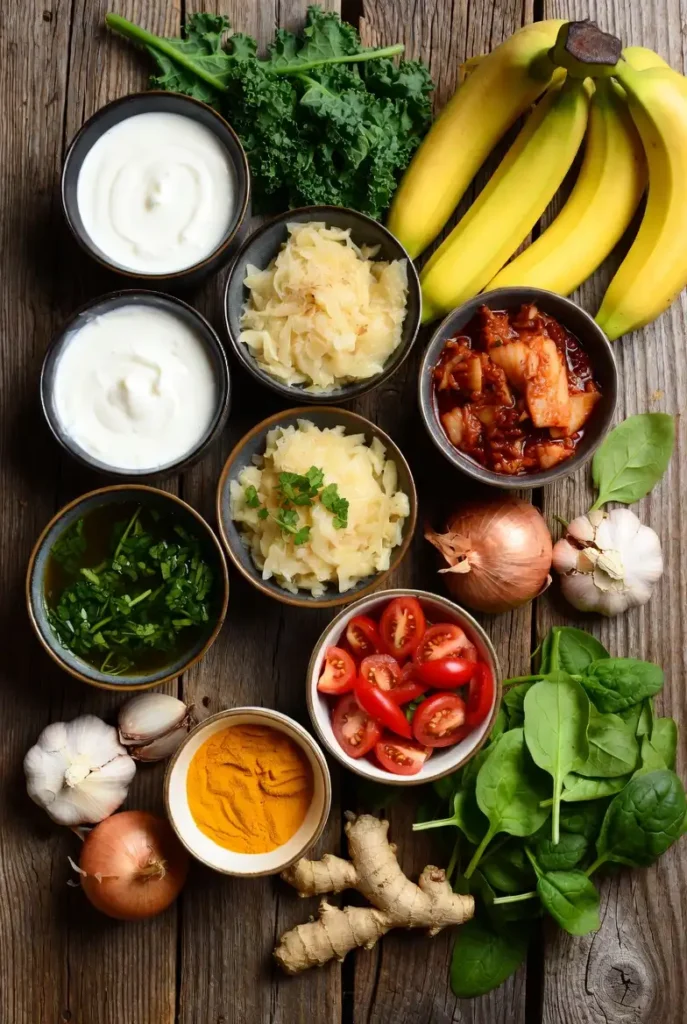
What you put on your plate is the fastest way to change your internal chemistry. Certain foods act as specialized medicine for your intestinal wall. Let’s look at the top 10 foods for gut health that you should consider adding to your weekly grocery list.
Essential Powerhouse Foods
Leafy greens like spinach and kale provide the fiber your microbes crave. Additionally, berries are packed with polyphenols that feed beneficial bacteria. Fatty fish, such as salmon, offers omega-3s to soothe inflammation.
Furthermore, bone broth is rich in glutamine. This amino acid is essential for healing the gut lining naturally. Beans and lentils are also fantastic because they are packed with prebiotic fiber.
Best Fruits and Vegetables for Gut Health
When picking produce, think of the rainbow. The best fruits for gut health include raspberries, apples, and bananas. Apples contain pectin, a fiber that increases healthy bacteria levels.
Similarly, the best vegetables for gut health are Jerusalem artichokes, garlic, and onions. These are high in inulin. Inulin is a powerful prebiotic that helps your good bacteria multiply quickly.
Probiotic and Fermented Foods
To introduce new “good guys” to your system, you need probiotic rich foods for gut health. Yogurt and kefir are classic choices. However, make sure they have “live and active cultures” on the label.
Fermented vegetables like sauerkraut and kimchi are also excellent. They provide a diverse range of bacteria. Consuming fermented foods for gut health daily can significantly improve your digestion and immune response.
Prebiotic Foods List
You need prebiotics to keep your probiotics alive. Without them, your gut bacteria will starve. Here is a gut friendly foods list focused on high-prebiotic options:
- Asparagus: Great for feeding Bifidobacteria.
- Oats: Contains beta-glucan for metabolic health.
- Flaxseeds: High in mucilage to help with regularity.
- Dandelion Greens: One of the densest prebiotic sources.
Worst Foods for Gut Health
Just as some foods heal, others can be quite destructive. The worst foods for gut health are usually highly processed and low in fiber. They can lead to a state of “dysbiosis,” where bad bacteria take over.
Ultra-Processed Ingredients
Foods with long ingredient lists often contain emulsifiers. These chemicals can thin the protective mucus in your gut. As a result, bacteria may leak into your bloodstream. This is a common trigger for systemic inflammation.
Sugar and Artificial Sweeteners
Excess sugar feeds yeast and harmful bacteria. Moreover, artificial sweeteners like aspartame might alter the microbiome negatively. It seems like even “diet” sodas can disrupt your metabolic health.
Alcohol and Refined Oils
Too much alcohol can directly irritate the gut lining. Refined vegetable oils are often pro-inflammatory. For many, these are the 7 worst foods for gut health that lead to chronic bloating and discomfort.
Gut Health Diet Plans
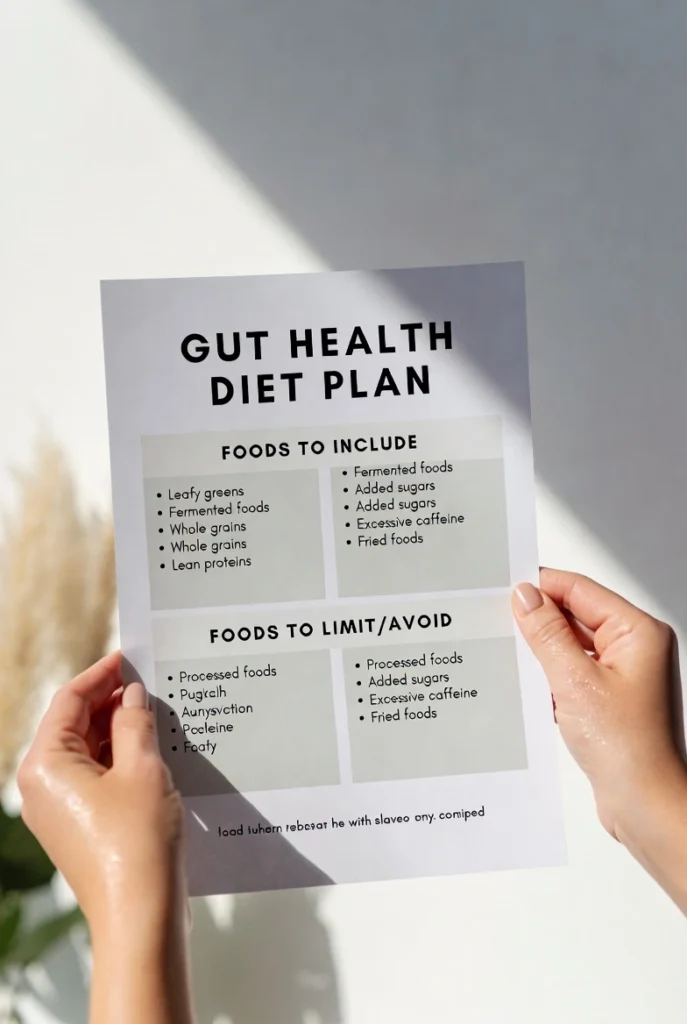
Starting a new routine is easier with a map. Whether you are a beginner or looking for a “reset,” these plans help you stay on track.
Gut Health Diet Plan for Beginners
If you are new to this, don’t overcomplicate things. Start by adding one fermented food and one high-fiber vegetable to every meal. This gut microbiome diet plan is sustainable and less overwhelming than a total overhaul.
7-Day Gut Health Diet Plan
A 7 day gut health diet plan can jumpstart your healing. Focus on “clean” proteins, colorful plants, and plenty of water. By day three, many people report less bloating and better energy. This is a great gut detox diet plan to use after a holiday or a period of poor eating.
Healthy Gut Diet Plan PDF
Many of my patients at Federa find it helpful to have a visual guide. You can download a healthy gut diet plan PDF to keep on your fridge. Having a list of gut healing recipes for beginners makes grocery shopping much more efficient.
Gut-Friendly Meal Ideas
Eating for your microbiome can be delicious. You don’t have to eat bland food to feel better. Let’s look at some of the best breakfast for gut health and dinner options.
Daily Meal Inspiration
For breakfast, try overnight oats with chia seeds and berries. For lunch, a big salad with chickpeas and a lemon-tahini dressing works wonders. The best dinner for gut health might be grilled salmon with asparagus and quinoa.
Snacks and Meal Prep
The best snacks for gut health include walnuts or a small bowl of Greek yogurt. If you are busy, gut health meal prep ideas like batch-cooking roasted veggies can save you. These gut healing recipes for beginners ensure you always have a healthy option ready.
Best Protein Sources for Gut Health
Focus on lean, high-quality proteins. Options like tempeh and lentils provide protein plus fiber. If you eat meat, choose grass-fed beef or organic chicken. These are the best protein sources for gut health because they are easier on your system.
FAQs for Featured Snippets
What is the fastest way to improve gut health?
The fastest way is to increase your fiber intake and add fermented foods. Additionally, staying hydrated and reducing stress can show results within just a few days.
What is the best diet for gut health and digestion?
The Mediterranean diet is generally considered the best. It balances healthy fats, diverse plant fibers, and lean proteins to support a thriving microbiome.
What foods heal the gut lining naturally?
Foods rich in collagen, like bone broth, and amino acids like L-glutamine are best. Probiotic foods like sauerkraut also help maintain a strong intestinal barrier.
Can diet really fix your microbiome?
Yes. Studies show that your bacterial balance changes within 24 to 48 hours of a dietary shift. Consistency is the key to making those changes permanent.
How long does it take to restore gut health?
While initial changes happen quickly, deep healing usually takes 3 to 6 months. This allows the gut lining to repair and the microbial diversity to stabilize.
Conclusion: Take the First Step
Finding what is the best diet for gut health is a personal journey. However, the science is clear: plants, fiber, and fermented foods are your best friends. By listening to your body, you can create a best diet for gut health and digestion that works for you.
Don’t wait until you are in pain to start. Small changes today lead to massive health benefits tomorrow. Your gut is waiting to feel better. Are you ready to feed it what it truly needs?
References & High-Quality Sources
- American Gastroenterological Association (AGA). (2025). The Role of Diet in the Gut Microbiome. Link to AGA
- Cell Host & Microbe Journal. (2024). Diet-Microbe Interactions in Health and Disease. PubMed Link
- World Health Organization (WHO). (2026). Guidelines on Fiber Intake and Chronic Disease Prevention. WHO Official
- Journal of Nutrition. (2025). Fermented Foods and the Human Microbiome: A Systematic Review. Journal Link
Related Posts

MORE from Author
Read More As a physician, I regularly see patients who are utterly exhausted from poor sleep. When you are desperately scrolling online…
- Hey, there. Let's talk about something we all want but struggle to achieve: vibrant, long-term health. These days, figuring out…


 Every week in my clinical practice, patients ask me the same desperate question: "Doc, how do I actually prevent a…
 When patients visit my clinic, they frequently ask me, "Doc, what is a healthy lifestyle, really?" They feel completely overwhelmed…