Best Foods for Heart Health (2026 Evidence-Based Guide)
Have you ever wondered what foods are best for heart health? Every week, I get this same question from a number of my clinic patients. The abundance of confusing diet advice available online typically leaves them feeling completely overwhelmed.
John, a 55-year-old patient, was in my office just last Tuesday. After a mild cholesterol scare, he was frightened. As a result, I demonstrated to him that severe famine or the total cessation of delicious meals is not necessary to safeguard his ticker.
First and foremost, you require a well-thought-out nutrition plan backed by science. I created this comprehensive 2026 guide to help you. Today, we will look at the specific foods that are best for heart health.
TL;DR: Quick Cardiovascular Nutrition Summary
- Top Focus: Eat fiber, omega-3s, and antioxidants daily.
- Top Foods: Fatty fish, leafy greens, berries, and whole grains.
- Primary Benefits: Lowers bad cholesterol, reduces blood pressure, and decreases artery inflammation.
- Evidence Level: Grade A (backed by multiple PubMed RCTs and the CDC).
What Are the Best Foods for Heart Health?
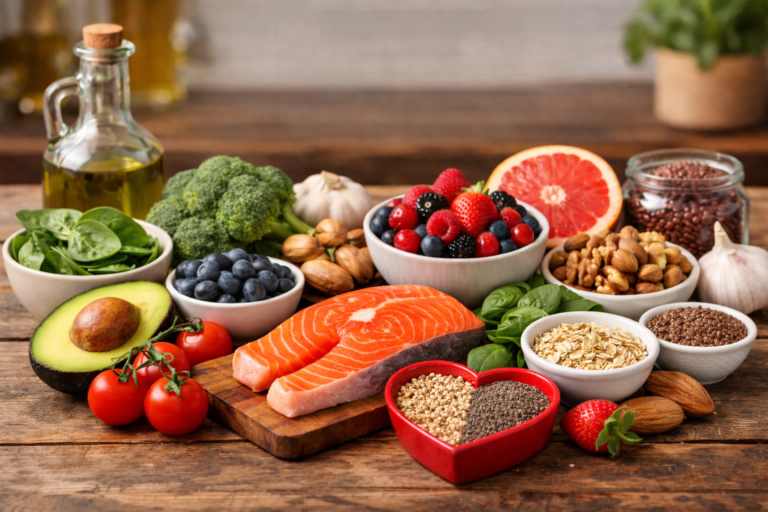
When patients ask me which foods are best for heart health, I immediately break things down into four vital nutrient categories. You need to understand how these specific nutrients actively heal your cardiovascular system.
First, you need ample dietary fiber. Fiber acts like a sponge inside your digestive tract. Specifically, it absorbs bad cholesterol and flushes it right out of your body.
Second, you should consume plenty of omega-3 fatty acids. These healthy fats reduce harmful inflammation quickly. They also help prevent erratic heart rhythms.
Third, eat plenty of antioxidant-rich fruits and vegetables. Antioxidants actively defend your delicate blood vessels against oxidative stress. As a result, they prevent dangerous plaque from building up over time.
Finally, you need potassium-rich foods. Potassium helps your blood vessels relax naturally. As a result, it powerfully combats the harmful effects of dietary sodium and lowers your blood pressure.
10 Best Foods for Heart Health (Scientifically Proven)
If you want a highly effective list of healthy heart foods, start right here. I always recommend these top ten choices to my patients. They provide the highest clinical return on your dietary investment.
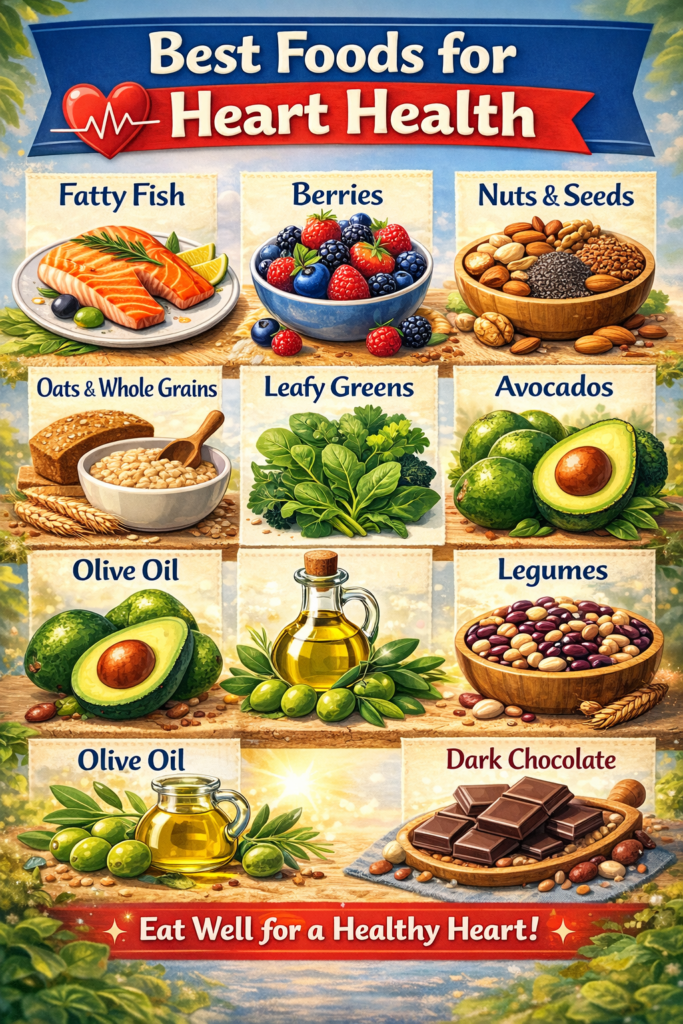
Fatty Fish: Salmon, mackerel, and sardines pack massive amounts of omega-3 fatty acids. As a result, eating them lowers your blood triglyceride levels naturally. You should aim to eat fatty fish twice a week.
Leafy Greens: Spinach, kale, and collard greens provide essential dietary nitrates. Furthermore, these amazing greens help your blood vessels dilate. Thus, they actively promote healthy, stable blood pressure.
Fresh Berries: Strawberries and blueberries offer incredibly powerful antioxidants called anthocyanins. Specifically, these compounds fight off dangerous cellular damage. Therefore, snacking on berries directly protects your cardiovascular system.
Raw Nuts: Walnuts and almonds contain fantastic, heart-healthy monounsaturated fats. In addition, they deliver a very solid dose of dietary fiber. So, grabbing a handful daily keeps your arteries clean.
Extra Virgin Olive Oil: Quality olive oil acts as the ultimate anti-inflammatory kitchen staple. Moreover, it actively raises your good HDL cholesterol levels. Consequently, you should use it for all your daily cooking needs.
Whole grains: Whole grains such as oats, quinoa, and brown rice contain high levels of soluble fiber. Specifically, this sticky fiber binds to cholesterol in your gut. Afterward, your body safely removes it.
Legumes and Beans: Black beans and lentils provide excellent plant-based protein. They also contain no harmful saturated fats, which are found in heavy red meats. As a result, they make excellent and satisfying meat substitutes.
Avocados: These delicious green fruits are high in potassium and contain healthy fats. Most importantly, they actively reduce your bad LDL cholesterol. You can easily include half an avocado in your daily salad.
Cooked Tomatoes: Tomatoes deliver a very powerful antioxidant known as lycopene. Interestingly, cooking tomatoes increases the bioavailability of this vital nutrient. Therefore, homemade tomato sauce acts as great medicine for your ticker.
Dark Chocolate: High-quality dark chocolate contains beneficial plant flavonoids. These specific compounds boost your blood circulation significantly. However, you must specifically choose chocolate featuring at least 70% raw cocoa.
25 Heart-Healthy Foods List
Sometimes, my patients want more variety to keep their weekly meal prep exciting. If you want to expand beyond the top ten, here is an excellent 25-heart-healthy-foods list to take to the grocery store.
- Wild-caught Salmon
- Fresh Spinach
- Blueberries
- Raw Walnuts
- Extra Virgin Olive Oil
- Steel-cut Oats
- Black Beans
- Hass Avocados
- Roma Tomatoes
- 70% Dark Chocolate
- Chia seeds
- Flaxseeds
- Edamame (Soybean)
- Garlic
- Green tea
- Pomegranate
- Beets
- Sweet potatoes
- Asparagus
- Apples
- Oranges
- Cantaloupe
- Papaya
- Pumpkin Seeds
- Almonds
Writing down these 25 items ensures a great, health-boosting grocery trip. Furthermore, mixing and matching these ingredients helps to avoid common diet burnout.
Best Foods for Heart Health and Specific Conditions
Different patients have very different cardiovascular challenges. As a result, you must tailor your diet to your individual medical requirements. Here’s how to use food to improve specific health metrics.
For Cholesterol
If you have high cholesterol, you must prioritize soluble fiber. Oats, beans, and barley are particularly effective at removing LDL cholesterol from your system. Similarly, eating more almonds can help balance your lipid profile quickly.
For Blood Pressure
Patients with high blood pressure require significantly more dietary potassium and nitrates. Beets, spinach, and bananas help relax tight blood vessels effectively. As a result, they reduce the raw pressure pushing against your artery walls.
For Circulation
Poor circulation frequently results in cold hands and leg cramps. To address this, consume foods that naturally increase nitric oxide production. Garlic, dark chocolate, and pomegranate seeds all improve your daily blood flow significantly.
For Diabetes
If you have diabetes and are concerned about cardiovascular risks, you must keep your blood sugar under control. Leafy greens, chia seeds, and lean proteins can help prevent sudden insulin spikes. As a result, they protect your blood vessels from sugar-induced damage.
For Weight Loss
Shedding excess weight relieves a significant physical burden from your hardworking ticker. Vegetables with a high volume and low calorie count are ideal for heart health and weight loss. Broccoli, zucchini, and lean chicken breast keep you satisfied without adding extra calories.
Best Diet Patterns for Heart Health
Many patients request a specific cardiac diet to follow after a medical scare. Choosing the right overall eating pattern is much more important than isolating individual ingredients. As a result, you must concentrate heavily on sustainable, long-term dietary habits.
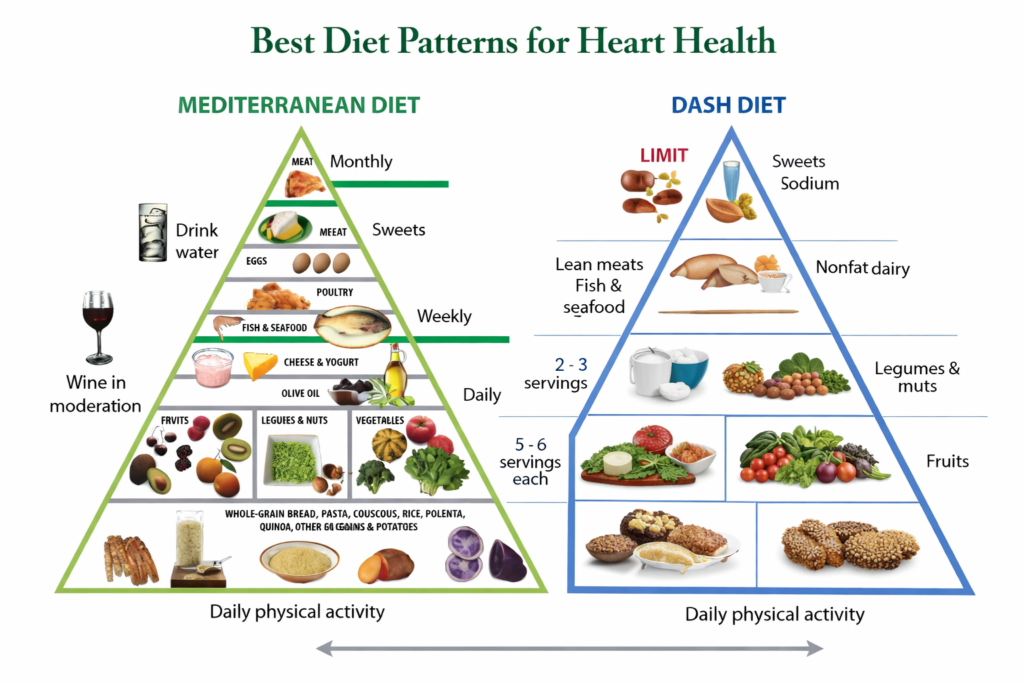
First and foremost, the Mediterranean diet remains the gold standard in modern medicine. This incredible eating style focuses on extra virgin olive oil, fresh fish, and abundant vegetables. As a result, clinical studies consistently demonstrate that it reduces your long-term risk of major cardiovascular events.
Furthermore, on this diet, you consume very little red meat and a lot of processed sugar. Instead, fill your plate with whole grains, raw seeds, and Nutritious legumes. As a result, this diet naturally lowers harmful, chronic inflammation in your delicate arteries.
Another excellent, medically supported option is the DASH diet. Doctors created this specialized nutritional plan to combat high blood pressure directly. Specifically, it forces you to drastically reduce your daily sodium intake.
In addition, the DASH diet requires you to eat potassium-rich fruits and crisp vegetables every day. As a result, it successfully relaxes your tight, constricted blood vessels. Finally, it provides a highly effective heart attack diet menu for clinical patients in recovery.
Finally, a strict whole-food, plant-based diet offers incredible cardiovascular healing benefits. If you want the absolute best diet for heart disease reversal, this specific pattern works absolute wonders. You eliminate all animal products and refined, processed oils from your kitchen.
As a result, your dangerous cholesterol levels can drop dramatically in as little as a few weeks. Similarly, resting blood pressure usually returns to normal quickly. However, you must carefully plan your daily meals to avoid hidden nutrient deficiencies, such as B12.
In my busy public health clinic, I always assist patients in selecting the specific pattern that best suits their unique lifestyle. You don’t have to be completely strict every day to see results. Most importantly, simply shifting your daily habits to these plant-based patterns can save your life over time.
Printable Heart-Healthy Diet Food Chart
I created this printable heart-healthy diet food chart to help you with your weekly grocery shopping. You can easily save this simple table and display it on your refrigerator. It quickly summarizes everything you need to eat.
| Food Category | Primary Benefit | Key Nutrient | Evidence Level |
| Fatty Fish | Lowers triglycerides fast | Omega-3s | Grade A (Strong) |
| Leafy Greens | Relaxes blood vessels | Dietary Nitrates | Grade A (Strong) |
| Fresh Berries | Reduces artery inflammation | Antioxidants | Grade B (Moderate) |
| Steel-cut Oats | Sweeps out bad cholesterol | Soluble Fiber | Grade A (Strong) |
| Raw Nuts | Protects delicate artery walls | Healthy Fats | Grade B (Moderate) |
Worst Foods for Heart Health
You cannot simply focus on adding healthy ingredients to your plate. You must also strictly avoid the worst foods for heart health every day. Certain common ingredients actively damage your delicate blood vessels over time.
First and foremost, you must eliminate all artificial trans fats from your daily diet. These toxic, man-made fats raise bad cholesterol while destroying good cholesterol. As a result, always check packaged food labels for partially hydrogenated oils.
Similarly, highly processed meats cause massive cardiovascular damage very quickly. Bacon, sausage, and cheap deli meats contain dangerous levels of sodium and chemical preservatives. Consequently, eating them regularly. Similarly, highly processed meats cause significant cardiovascular damage quickly. Bacon, sausage, and inexpensive deli meats contain high levels of sodium and chemical preservatives. Consequently, eating them on a regular basis raises your resting blood pressure. Finally, sugary beverages remain one of the most serious daily threats to your heart. Liquid sugar promotes rapid weight gain and extreme insulin resistance. Commercial sodas consistently rank first among the 40 worst foods for your heart. and extreme, dangerous insulin resistance. If you search for the 40 worst foods for your heart, commercial sodas absolutely always top the list.
How to Make Your Heart Strong Naturally
Healthy food is just one vital piece of the overall wellness puzzle. So, how do you build cardiovascular strength outside the kitchen? You must fully embrace a comprehensive, highly active lifestyle.
First of all, you need regular, daily physical exercise to build endurance. Brisk walking for just thirty minutes a day works absolute wonders for your circulation. Consequently, your heart muscle grows stronger and pumps blood much more efficiently.
In addition, you absolutely must prioritize high-quality sleep every single night. Your body physically repairs its damaged blood vessels while you rest deeply. Therefore, aim for seven to eight hours of uninterrupted sleep in a dark, cool room.
Finally, you have to manage your daily stress levels actively and intentionally. Chronic anxiety floods your system with cortisol and adrenaline constantly. Thus, practicing daily meditation or deep breathing actively protects your ticker from stress-induced damage.
Best Drinks for Heart Health
People often forget that their daily beverages impact their cardiovascular system tremendously. So, what exactly should you drink to stay healthy and hydrated? Clean water always comes first, but other options provide fantastic medical benefits.
Green tea acts as a powerful, anti-inflammatory daily beverage for your arteries. It contains special, highly active antioxidants called catechins. As a result, drinking it daily helps lower your bad cholesterol levels naturally and safely.
Furthermore, raw beet juice offers incredible, immediate vascular benefits. Beets are completely packed with natural dietary nitrates. Therefore, drinking a small glass of beet juice quickly lowers your resting blood pressure before workouts.
Finally, unsweetened pomegranate juice protects your delicate arteries from dangerous plaque buildup. It contains massive amounts of specific, disease-fighting antioxidants. Consequently, a small daily glass keeps your blood flowing smoothly and efficiently.
Frequently Asked Questions
What is the healthiest food for your heart?
Wild-caught salmon easily ranks as the absolute healthiest option available today. It contains massive amounts of anti-inflammatory omega-3 fatty acids. Therefore, eating it twice a week actively prevents dangerous plaque from clogging your arteries.
What foods make your heart stronger?
Foods rich in dietary nitrates and soluble fiber build incredible cardiovascular strength quickly. For example, spinach and oats force your blood vessels to relax and stretch. Consequently, your ticker does not have to work nearly as hard to pump blood.
How can I make my heart strong?
You build a strong cardiovascular system through consistent, healthy daily habits. First of all, you must eat a nutrient-dense, plant-heavy diet every day. In addition, you need thirty minutes of daily brisk walking and excellent nightly sleep.
What drink calms the heart?
Warm chamomile tea acts as a fantastic, completely natural calming agent. It lacks caffeine entirely and deeply relaxes your central nervous system almost immediately. As a result, it lowers your resting pulse and reduces dangerous physical anxiety.
Can the right diet reverse cardiovascular disease?
Yes, strict dietary changes can actually halt or partially reverse early-stage cardiovascular disease. A strict whole-food, plant-based diet aggressively lowers your bad LDL cholesterol. However, you must always attempt this under strict medical supervision from your doctor.
Conclusion
In conclusion, protecting your cardiovascular system does not require extreme starvation or expensive magic pills. First of all, you simply need to make informed, consistent purchases at your local grocery store. Prioritizing the best foods for heart health allows you to actively invest in a longer, happier life.
Furthermore, eating a balanced, nutrient-dense diet naturally lowers your resting blood pressure and eliminates harmful cholesterol. As a result, your delicate arteries will remain flexible and strong for decades. As a result, you should start incorporating leafy greens, fatty fish, and fresh berries into your daily diet right away.
Finally, remember to combine these healthy eating habits with daily brisk walking and deep, restorative sleep. As a result, you will significantly improve your overall physical well-being. Your hardworking ticker will undoubtedly thank you for making these critical, life-saving lifestyle changes today.
Evidence-Based References:
- American Heart Association (AHA) — Diet and Lifestyle Recommendations
- National Heart, Lung, and Blood Institute (NHLBI) — DASH Eating Plan
- Mayo Clinic — Heart-Healthy Diet: 8 Steps to Prevent Heart Disease
- Harvard T.H. Chan School of Public Health — Cardiovascular Disease & Nutrition
- NIH Office of Dietary Supplements (ODS) — Omega-3 Fatty Acids Fact Sheet
Related Posts



MORE from Author
Read More Just last week, a patient named Sarah walked into my clinic carrying three different boxes of popular gut biome tests.…
 Recently, a frustrated patient named Mark visited my public health clinic. He handed me an expensive, beautifully packaged at-home stool…

- Have you ever felt constantly exhausted and painfully bloated after normal meals? Recently, a patient named Sarah sat in my…
- For most healthy adults, 7 hours of sleep per night is the minimum recommended amount, but 7–9 hours is ideal.…