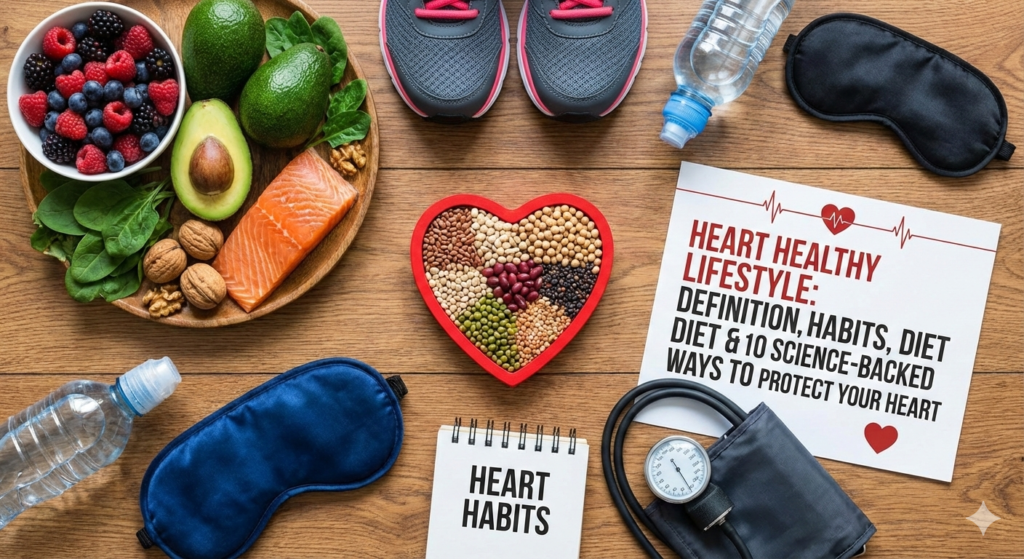
Heart Healthy Lifestyle: Definition, Habits, Diet & 10 Science-Backed Ways to Protect Your Heart
Every week in my clinical practice, patients ask me the same desperate question: “Doc, how do I actually prevent a heart attack?” They sit in my office holding alarming cholesterol lab results or elevated blood pressure readings, feeling completely overwhelmed by conflicting internet advice. They want to know exactly how to have a heart-healthy lifestyle without giving up every single food they love.
The good news is that cardiovascular disease is largely preventable through highly specific, evidence-based daily choices. A true heart-healthy lifestyle is not about extreme, miserable restriction; it is about building sustainable, biological resilience. By simply optimizing your daily nutrition, movement, and stress levels, you can actively reverse dangerous vascular damage.
Therefore, whether you are trying to manage early-stage hypertension or simply want to protect your longevity, this guide is for you. Below, we will clearly define what a heart-healthy lifestyle looks like, break down the top twenty-five cardioprotective foods, and provide a clinical roadmap to drastically lower your risk of cardiovascular events.
TL;DR — Quick Summary
If you need a rapid, actionable plan right now, here is exactly what a heart-healthy lifestyle entails:
- Adopting a DASH or Mediterranean-style eating pattern rich in fiber and omega-3s.
- Completing 150+ minutes per week of moderate cardiovascular exercise.
- Achieving strict clinical control over your blood pressure, cholesterol, and blood glucose.
- Prioritizing 7 to 9 hours of uninterrupted, high-quality sleep every single night.
- Actively reducing daily psychological stress and eliminating all tobacco use.
- Maintaining a healthy metabolic body weight. According to American Heart Association (AHA) data, combining these specific habits can reduce your cardiovascular disease risk by up to an astonishing 80%.
What Is a Heart-Healthy Lifestyle?
Many patients assume that protecting their heart only requires taking a daily statin medication. However, when examining exactly what makes a heart-healthy lifestyle, we must look far beyond the pharmacy. A heart-healthy lifestyle definition encompasses the sum total of your daily behavioral choices that directly impact your vascular system.
Clinically speaking, a heart-healthy lifestyle is a specific set of daily habits—including balanced nutrition, regular physical activity, active stress management, adequate sleep, and the strict avoidance of tobacco. These habits work synergistically to support optimal blood pressure, lipid profiles, and blood sugar levels. Consequently, they drastically reduce the physical wear and tear on your arterial walls.
If you are wondering how to live a heart-healthy lifestyle, you must focus on the American Heart Association’s “Life’s Essential 8” framework. This means managing your weight, eating better, being active, quitting tobacco, sleeping well, and controlling your cholesterol, blood sugar, and blood pressure. It is a comprehensive, whole-body approach to longevity.
Why Is Heart Health Important?
It is impossible to overstate the importance of preventative cardiology in the United States. According to the Centers for Disease Control and Prevention (CDC), cardiovascular disease remains the undisputed number one cause of death for both men and women. Shockingly, one in every five US deaths is directly attributed to heart disease.
However, the most crucial data point I share with my patients is that the vast majority of these cases are entirely preventable. Heart attacks do not happen randomly overnight; they are the result of decades of silent, compounding biological damage. Understanding the mechanisms behind this damage highlights why living a heart-healthy lifestyle is absolutely critical.
The Mechanisms of Cardiovascular Disease
When your lifestyle is poor, your body experiences chronic, low-grade systemic inflammation. This inflammation physically damages the delicate inner lining of your arteries, known as the endothelium. Once damaged, LDL cholesterol easily slips into the arterial wall, creating dangerous, hard plaques—a process called atherosclerosis.
Furthermore, a poor diet heavily loaded with refined sugars causes severe insulin resistance and oxidative stress. This forces your heart to pump much harder against stiff, narrow, and inflamed blood vessels, leading directly to chronic hypertension. By adopting a healthy lifestyle for the heart, you actively reverse this inflammation and keep your arteries soft and pliable.
10 Ways to Keep Your Heart Healthy
Patients frequently ask me for a simple, actionable checklist they can stick on their refrigerator. They want to know, “What are 10 ways to keep your heart healthy right now?” To achieve maximum cardiovascular protection, you must implement these specific, scientifically validated daily practices.
- Follow a Mediterranean or DASH diet: Prioritize high-fiber vegetables, lean proteins, and healthy monounsaturated fats while eliminating ultra-processed foods.
- Exercise 150–300 Minutes Weekly: Engage in brisk walking, cycling, or swimming to physically strengthen your cardiac muscle and improve your VO2 max.
- Maintain Healthy Blood Pressure: Keep your resting blood pressure strictly below 120/80 mmHg through dietary sodium reduction and daily movement.
- Control LDL Cholesterol: Keep your “bad” cholesterol low by severely limiting saturated fats from processed meats and full-fat dairy.
- Manage Blood Sugar: Prevent insulin resistance by avoiding sugary beverages and eating complex, slow-digesting carbohydrates.
- Maintain a Healthy Weight: Lose just 5-10% of your body weight to dramatically reduce the mechanical strain on your heart and lower systemic inflammation.
- Quit Smoking Completely: Tobacco smoke rapidly destroys your arterial lining and aggressively promotes massive blood clot formation.
- Limit Alcohol Consumption: Keep alcohol intake to an absolute minimum, as excessive drinking directly raises blood pressure and damages heart tissue.
- Sleep 7–9 Hours Nightly: Prioritize deep, restorative sleep to allow your cardiovascular system to lower its heart rate and physically repair itself.
- Manage Stress Daily: Utilize deep breathing or meditation to lower your daily cortisol levels and calm your sympathetic nervous system.
While this list provides the ultimate foundation, you can easily expand this into 13 rules for a healthy heart by adding daily hydration, annual physical exams, and prioritizing strong social connections.
Heart-Healthy Lifestyle Habits That Matter Most
To achieve a heart-healthy lifestyle, focus on four foundational pillars: nutrition, daily movement, sleep hygiene, and stress response. Consistent, intentional choices in these areas are essential, and monumental changes are unnecessary. Instead, gradual adjustments will create a solid foundation for true healing.

1. Strategic Nutrition
Your diet significantly influences inflammation and arterial health. Limit sodium intake to under 2,300 mg per day, ideally targeting 1,500 mg. Aim for 25 to 38 grams of fiber daily from whole foods to manage cholesterol.
Your diet significantly influences inflammation and arterial health. Limit sodium intake to under 2,300 mg per day, ideally targeting 1,500 mg. Aim for 25 to 38 grams of fiber daily from whole foods to manage cholesterol.
2. Consistent Exercise and Movement
Exercise is the most effective cardiovascular treatment available. It is essential to combine moderate aerobic activities, such as brisk walking, with resistance training two to three times weekly, as resistance training increases lean muscle mass, which helps to reduce excess glucose in the bloodstream.
Non-Exercise Activity Thermogenesis (NEAT) significantly enhances daily caloric burn through simple actions like taking the stairs, parking farther away, and pacing while on the phone. This constant movement contributes to maintaining pliable and responsive blood vessels.
3. Restorative Sleep
Sleep is critical for cardiovascular health, allowing the system to repair itself. Chronic sleep deprivation raises resting blood pressure and increases C-reactive protein, a significant marker for arterial inflammation. Thus, prioritizing seven to nine hours of quality, uninterrupted sleep each night is essential.
4. Stress and Mental Health Management
Psychological stress increases cortisol and adrenaline levels, which constrict blood vessels and elevate blood pressure. To maintain heart health, daily practices like deep breathing, meditation, or yoga are essential.
25 Heart-Healthy Foods
Many patients visit the renowned heart-healthy diet Mayo Clinic pages to figure out exactly what to put on their grocery lists. If you are wondering what foods one can eat on a cardiac diet, the answer is vibrant, nutrient-dense whole foods. Here is a comprehensive list of 25 heart-healthy foods, highlighting their specific vascular benefits and clinical evidence strength.
| Food Category | Specific Food Item | Cardiovascular Benefit | Evidence Strength |
| Fatty Fish | 1. Salmon, 2. Mackerel, 3. Sardines, 4. Trout | High omega-3s deeply reduce blood triglycerides. | Very Strong |
| Whole Grains | 5. Oats, 6. Quinoa, 7. Brown Rice, 8. Barley | Soluble fiber effectively lowers LDL cholesterol. | Very Strong |
| Berries | 9. Blueberries, 10. Strawberries, 11. Blackberries | Antioxidants strongly reduce arterial inflammation. | Moderate |
| Leafy Greens | 12. Spinach, 13. Kale, 14. Swiss Chard | Dietary nitrates naturally improve vascular function. | Moderate |
| Legumes | 15. Black Beans, 16. Lentils, 17. Chickpeas | High fiber and plant protein stabilize blood sugar. | Strong |
| Healthy Fats | 18. Olive Oil, 19. Avocados, 20. Walnuts | Monounsaturated fats prevent dangerous plaque buildup. | Strong |
| Seeds & Nuts | 21. Chia Seeds, 22. Flaxseeds, 23. Almonds | Magnesium and fiber lower resting blood pressure. | Strong |
| Vegetables | 24. Broccoli, 25. Sweet Potatoes | Potassium safely flushes excess sodium from the body. | Strong |
Heart-Healthy Meals (1-Day Plan)
Transitioning to a new eating pattern can feel highly intimidating at first. However, creating delicious, cardioprotective meals is surprisingly simple once you understand the basic nutritional framework. Here is a fantastic, clinically approved one-day meal plan to jumpstart your healthy habits.
Breakfast: A warm bowl of steel-cut oatmeal topped with fresh blueberries, a tablespoon of crushed walnuts, and a dash of cinnamon.
Lunch: A large quinoa and mixed greens bowl topped with grilled wild-caught salmon, cherry tomatoes, and a light olive oil vinaigrette.
Dinner: A hearty, fiber-rich lentil and vegetable stew served with a massive side salad drizzled with extra virgin olive oil.
Snack: A small serving of plain, unsweetened Greek yogurt mixed with a tablespoon of raw chia seeds.
How to Improve Heart Health Quickly
Patients frequently come to me wanting to know how to improve heart health quickly before an upcoming medical exam. I always clearly explain that there is no magical, instant cure for decades of vascular plaque buildup. Reversing serious cellular damage takes significant, consistent time and biological effort.
However, you can achieve massive, measurable short-term wins within just two to four weeks. First, drastically reducing your daily sodium intake will almost immediately drop your resting blood pressure. Furthermore, increasing your daily step count to roughly eight to ten thousand steps will rapidly improve your insulin sensitivity.
Additionally, completely cutting out sugary sodas and losing just five percent of your total body weight will quickly lower your systemic inflammation. Finally, prioritizing sleep duration instantly reduces your morning cortisol spikes. These immediate actions provide a powerful, motivating jumpstart to your long-term wellness journey.
Heart Healthy Lifestyle Changes for CKD
If you suffer from Chronic Kidney Disease (CKD), your dietary approach requires highly specific, specialized medical modifications. What constitutes a heart-healthy lifestyle for a healthy adult might actually be incredibly dangerous for a compromised kidney. Therefore, you must always coordinate your lifestyle changes directly with your board-certified nephrologist.
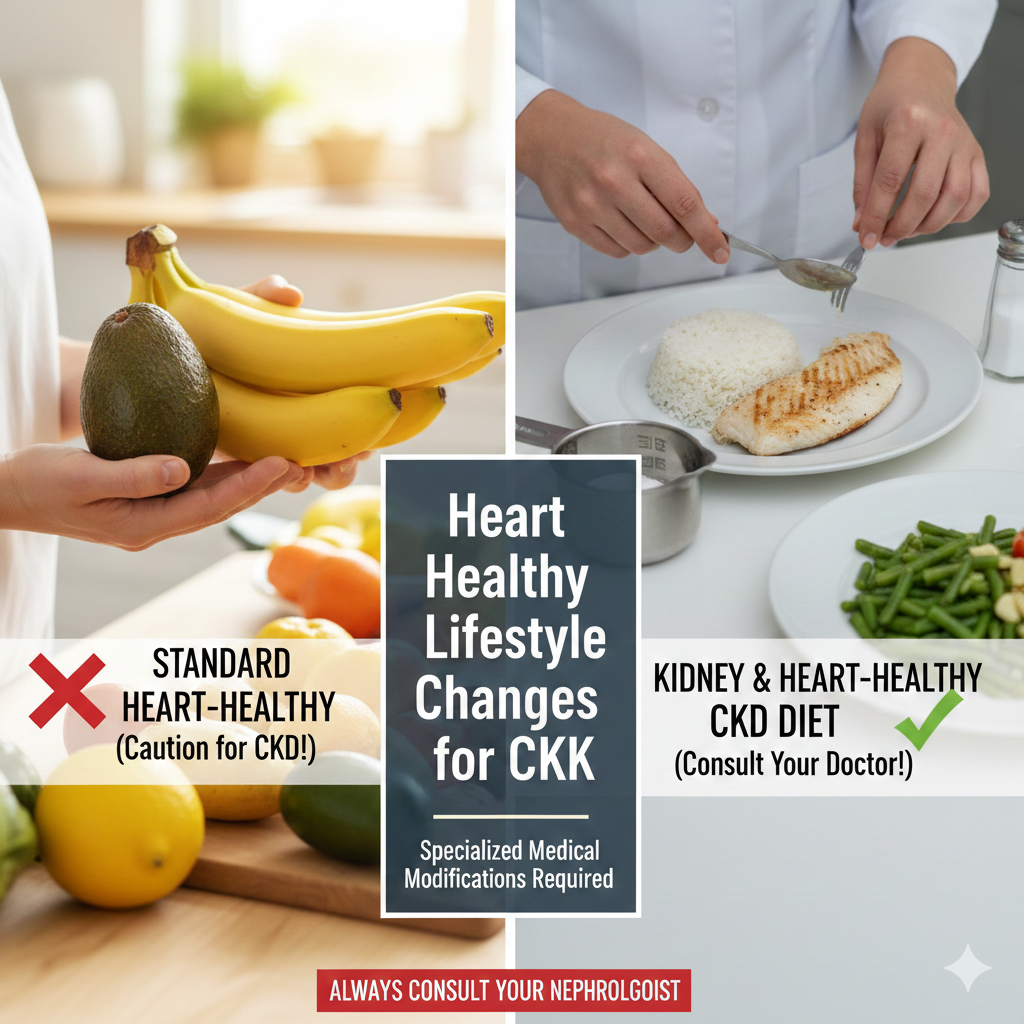
For example, while a standard cardiac diet heavily promotes potassium-rich foods like avocados and bananas to lower blood pressure, CKD patients often cannot process excess potassium. A severe buildup of potassium can trigger a lethal cardiac arrhythmia. Additionally, CKD patients must strictly limit their dietary phosphorus and carefully balance their total protein intake.
However, strict sodium restriction remains universally beneficial for both your heart and your kidneys. Keeping your blood pressure low is the absolute best way to protect your remaining kidney function. Again, please consult your treating physician before adopting any new nutritional protocols if you have stage 1-3 CKD.
What Is a Healthy Lifestyle for the Heart?
To perfectly summarize exactly what a healthy lifestyle is for the heart, I always point my patients to the gold standard. The American Heart Association recently updated its clinical guidelines to a framework called “Life’s Essential 8.” This brilliant model proves that holistic, full-body health is the only way to prevent disease.
This highly effective model focuses on eight core metrics: eating a better diet, being physically active, completely quitting tobacco, and getting healthy sleep. Furthermore, it demands strict clinical management of your body weight, your blood cholesterol, your fasting blood sugar, and your blood pressure. By mastering these eight areas, you actively guarantee a vibrant, energetic, and long life.
Things to Improve Heart Health (Action Checklist)
Knowledge without immediate action is completely useless in preventative medicine. To truly protect your vascular system, you must proactively track your personal health metrics. Here are the absolute most important things to improve heart health that you can schedule right now.
- Schedule an Annual Physical Exam: Never skip your yearly checkup with your primary care physician.
- Order a Comprehensive Lipid Panel: Know your exact LDL, HDL, and triglyceride numbers.
- Buy a Home Blood Pressure Monitor: Track your morning blood pressure weekly to catch silent hypertension early.
- Track Your Waist Circumference: Visceral belly fat is a massive driver of toxic arterial inflammation.
Frequently Asked Questions
What are the 7 habits for a healthy heart?
The seven foundational habits include eating a whole-food diet, exercising daily, quitting smoking, maintaining a healthy weight, and managing your blood pressure, cholesterol, and blood sugar. These specific actions drastically reduce the physical strain on your cardiovascular system.
How can I improve heart health naturally?
You can naturally improve your heart health by transitioning to a Mediterranean-style diet heavily rich in fiber, olive oil, and wild-caught fish. Additionally, committing to 150 minutes of weekly aerobic exercise physically strengthens your heart muscle without the need for immediate pharmaceutical intervention.
What is the best diet for heart health?
Clinically, both the Mediterranean Diet and the DASH (Dietary Approaches to Stop Hypertension) diet are considered the absolute gold standards. Both plans aggressively emphasize vegetables, legumes, lean proteins, and healthy fats while strictly eliminating ultra-processed, high-sodium junk foods.
How long does it take to improve heart health?
While massive arterial plaque reversal takes years, you can significantly drop your blood pressure and improve your resting heart rate in just three to four weeks. Consistently lowering your daily sodium intake and increasing your daily steps provides incredibly fast, measurable clinical benefits.
Conclusion
In conclusion, adopting a heart-healthy lifestyle is the absolute most powerful medical decision you can make for your future. You do not have to become a marathon runner or eat salads for every single meal to see massive benefits. True cardiovascular protection comes directly from making small, consistent, and intentional daily choices over a long period.
Therefore, I strongly encourage you to pick just one or two habits from this guide to implement this week. Whether you decide to swap your afternoon soda for water or take a brisk twenty-minute walk after dinner, simply start somewhere. Furthermore, always remember that absolute perfection is the enemy of sustainable, long-term health progress.
Ultimately, your physical heart is your body’s most valuable engine, and you hold the incredible power to keep it running smoothly. Please discuss these specific lifestyle changes with your primary care physician during your next clinical visit. Finally, download our free healthy lifestyle PDF above to begin your journey toward a vibrant, energetic life today.
Evidence-Based References:
- American Heart Association (AHA) — Life’s Essential 8
- Centers for Disease Control and Prevention (CDC) — Prevent Heart Disease
- National Heart, Lung, and Blood Institute (NHLBI) — DASH Eating Plan
- Mayo Clinic — Heart-Healthy Diet: 8 Steps to Prevent Heart Disease
- World Health Organization (WHO) — Cardiovascular Diseases (CVDs)
Related Posts




MORE from Author
Read More As a physician, I regularly see patients who are utterly exhausted from poor sleep. When you are desperately scrolling online…
- Hey, there. Let's talk about something we all want but struggle to achieve: vibrant, long-term health. These days, figuring out…


 Every week in my clinical practice, patients ask me the same desperate question: "Doc, how do I actually prevent a…
 When patients visit my clinic, they frequently ask me, "Doc, what is a healthy lifestyle, really?" They feel completely overwhelmed…