How Smoking Affects Heart Health: Risks, Damage, and Recovery Explained
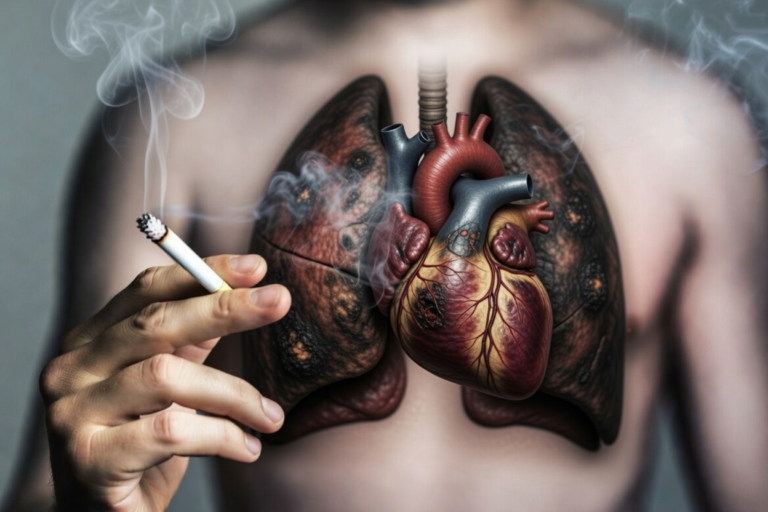
Every day, physicians in cardiovascular clinics around the world witness the devastation caused by tobacco use. Many patients understand how cigarettes harm their lungs, but they greatly underestimate the cardiovascular damage. Learning precisely how smoking affects heart health is frequently the tipping point for those attempting to quit.
When you inhale cigarette smoke, thousands of toxic chemicals enter your bloodstream immediately. These toxins do not simply linger in your respiratory system; they travel directly to your heart. As a result, they begin causing damage to your delicate blood vessels within seconds of your initial puff.
Clinical experience has shown that patient education is the most effective smoking cessation tool. When you truly understand the physical damage being done inside your chest, quitting becomes a medical priority rather than a casual goal. This comprehensive guide explains the exact mechanisms of tobacco-induced heart damage, as well as the incredible recovery timeline.
TL;DR — Key Takeaways
If you are short on time, here are the most critical facts about tobacco and your cardiovascular system:
- Immediate Damage: Smoking damages your blood vessels and spikes your heart rate within minutes.
- Risk Multiplication: Regular smoking more than doubles your overall risk of suffering a fatal heart attack.
- Plaque Buildup: Toxic chemicals in cigarette smoke actively accelerate dangerous plaque formation in your arteries.
- Hope for Healing: Your heart can partially heal, and your cardiovascular risk drops significantly within the first year of quitting.
How Smoking Affects Heart Health
To fully understand the effects of smoking on the cardiovascular system, you must consider the immediate chemical reactions. Cigarette smoke contains more than 7,000 different chemicals, including formaldehyde, arsenic, and cyanide. When these toxins enter your bloodstream, they fundamentally alter the way your circulatory system works.
Cardiologists frequently find that smokers have chronically elevated resting heart rates. This occurs because the chemicals artificially stimulate your nervous system, causing your heart muscle to work overtime. Over several years, this constant overwork causes severe structural fatigue and cardiovascular strain.
Furthermore, smoking drastically reduces the amount of oxygen your blood can carry. When your heart receives less oxygen, it has to pump even faster to supply your vital organs. This dangerous combination of high demand and low oxygen creates the perfect environment for heart failure.
Physiological Changes from Tobacco
Two specific compounds cause the majority of the immediate cardiovascular damage: nicotine and carbon monoxide. Nicotine acts as a powerful stimulant that violently constricts your blood vessels. This sudden narrowing forces your blood pressure to spike dangerously high after every single cigarette.
Simultaneously, carbon monoxide fiercely binds to your red blood cells, actively kicking out vital oxygen molecules. As a result, your heart muscle essentially begins suffocating while being forced to run a marathon. This severe oxidative stress is the primary catalyst for long-term arterial damage.
How Smoking Damages the Heart and Blood Vessels
Patients often ask exactly how smoking affects the heart and blood vessels on a cellular level. The destruction is not just about elevated blood pressure; it is about physical, microscopic trauma. The toxins in smoke act like liquid sandpaper, aggressively tearing at the inner linings of your cardiovascular system.
This internal trauma leads to a cascade of dangerous biological responses. Your body attempts to heal these microscopic tears, but the continuous exposure to smoke disrupts the natural repair process. Over time, this results in severe vascular disease caused by smoking.
To understand the full scope of this physical deterioration, we must examine the three primary stages of vascular damage.
Endothelial Damage
The endothelium is a remarkably thin, delicate layer of cells that lines the inside of your blood vessels. It is responsible for keeping your arteries smooth, flexible, and fully dilated. Unfortunately, the toxic chemicals in cigarette smoke directly poison and inflame these vital endothelial cells.
When the endothelium becomes damaged, your blood vessels physically stiffen and lose their natural elasticity. Medical experts refer to this condition as endothelial dysfunction. It is the absolute first step in the long, dangerous road toward total heart failure.
Plaque Formation and Atherosclerosis
Once the endothelial lining is torn, dangerous fatty deposits easily become trapped inside the artery walls. Your immune system senses this damage and sends white blood cells to fix the area. However, these cells mix with circulating cholesterol, creating thick, hardened plaque.
This rapid plaque accumulation is known as atherosclerosis. Smoking actively accelerates this disease, causing your arteries to narrow at an alarming rate. As the plaque hardens, it severely restricts life-saving blood flow to your brain and heart muscle.
Blood Clot Risk
Beyond damaging the vessel walls, smoking fundamentally changes the physical texture of your blood. Tobacco toxins make your blood platelets incredibly sticky and prone to clumping together. Consequently, your risk of developing a sudden, massive blood clot skyrockets.
If one of these sticky clots forms near a plaque deposit, it can completely seal off the artery. When this happens in the brain, it causes a catastrophic stroke. When it happens in the coronary arteries, it triggers a massive cardiac event.
Does Smoking Cause Heart Disease?
Many people wonder if lifestyle choices can directly trigger chronic illnesses. When patients ask, “Can cigarettes cause heart disease?” the clinical answer is an absolute, undeniable yes. In fact, smoking is considered the leading preventable cause of cardiovascular disease worldwide.
Medical data consistently proves that tobacco use is not just an aggravating factor; it is a primary root cause. It directly triggers the exact biological mechanisms that destroy the heart’s pumping ability. Therefore, understanding how smoking causes coronary heart disease is crucial for prevention.
Coronary Heart Disease Pathways
Coronary Heart Disease (CHD) occurs when the main arteries supplying your heart become chronically narrowed. Smoking accelerates this process by constantly feeding inflammation and oxidized cholesterol into your coronary pathways. Your heart becomes progressively starved of the nutrients it needs to beat efficiently.
Eventually, this continuous starvation leads to chronic chest pain, known as angina. Patients with smoking-induced CHD often find themselves unable to walk up a simple flight of stairs without severe discomfort. At this stage, the cardiovascular system is operating on borrowed time.
Heart Blockages and Ischemia
A common question in the examination room is, does smoking cause heart blockages? Yes, the rapid plaque buildup described earlier eventually leads to total arterial occlusions. When an artery is 100% blocked, the tissue on the other side begins to die rapidly.
This tissue death is clinically referred to as ischemia. Smoking not only builds blockages but also prevents the heart from growing new collateral blood vessels. Therefore, when a blockage finally occurs, the resulting heart damage is significantly more extensive in smokers than in non-smokers.
Can Smoking Cause Heart Attacks?
When patients ask cardiologists if cigarettes can cause a heart attack, the clinical data provide a terrifying answer. Smoking dramatically increases the likelihood of a sudden myocardial infarction. In fact, individuals who smoke are two to four times more likely to suffer a fatal cardiac event compared to non-smokers.
Looking at smoking and heart attack statistics from the CDC, the reality is incredibly stark. Nearly one-third of all deaths from coronary heart disease are directly attributable to smoking and secondhand smoke. Furthermore, does smoking cause heart attacks in young people? Absolutely, as it remains the leading cause of early-onset heart attacks in adults under the age of fifty.
How Smoking Affects Heart Rate and Blood Pressure
Understanding exactly how smoking affects your heart rate reveals the immediate physiological stress placed on your body. Within seconds of inhaling, nicotine triggers a massive, unnatural release of adrenaline. Consequently, your resting heart rate spikes by ten to twenty beats per minute almost instantly.
Over time, does smoking weaken your heart? Yes, this chronic, forced overexertion causes the heart muscle to thicken and stiffen. Because the heart never gets a true, healthy resting period, the structural integrity of the muscle slowly degrades, leading to eventual heart failure.
Long-Term Effects of Smoking on the Heart
The long-term effects of smoking on the heart are strictly cumulative and physically devastating. Year after year, the toxic chemicals relentlessly degrade the elasticity of your major arteries. Therefore, the heart must pump significantly harder just to circulate blood through stiffened, narrow vessels.
Patients frequently ask how many years of smoking cause heart attacks. While there is no exact universal timeline, clinical evidence shows that even smoking for just five years creates irreversible microscopic scarring. However, the risk of a fatal cardiac event compounds heavily after a decade of continuous tobacco use.
Symptoms of Smoking-Related Heart Disease
Recognizing the early smoking heart disease symptoms can literally save your life. Because the damage happens internally over a span of years, many people completely ignore the subtle warning signs. If you experience any of the following, you must consult a physician immediately:

- Chest Pain: A heavy, squeezing pressure in the center of your chest during physical exertion.
- Shortness of Breath: Feeling completely winded after walking up a single flight of stairs.
- Chronic Fatigue: Experiencing profound, unexplained exhaustion throughout the day.
- Irregular Heartbeat: Feeling like your heart is suddenly skipping beats or fluttering rapidly.
Can Your Heart Heal After You Quit Smoking?
The most hopeful question in cardiovascular medicine is, can a heart heal after smoking? The human body is remarkably resilient, and the healing process actually begins just twenty minutes after your last cigarette. First, your elevated heart rate and blood pressure begin returning to normal baseline levels.
Within just one year of quitting, your excess risk of coronary heart disease drops by an astounding fifty percent. Furthermore, after fifteen years of strict abstinence, your risk level practically equals that of someone who has never smoked. Therefore, it is absolutely never too late to stop and allow your cardiovascular system to recover.
Is Chewing Tobacco Bad for Heart Health?
Many people switch to smokeless alternatives, mistakenly believing they are completely safe. However, when asked if chewing tobacco is bad for heart health, cardiologists firmly warn against it. Chewing tobacco delivers massive, highly concentrated doses of nicotine directly into your bloodstream through your gums.
This intense nicotine surge instantly constricts your blood vessels and artificially spikes your blood pressure. Consequently, smokeless tobacco users still face a significantly elevated risk of fatal arrhythmias and sudden cardiac arrest compared to non-tobacco users.
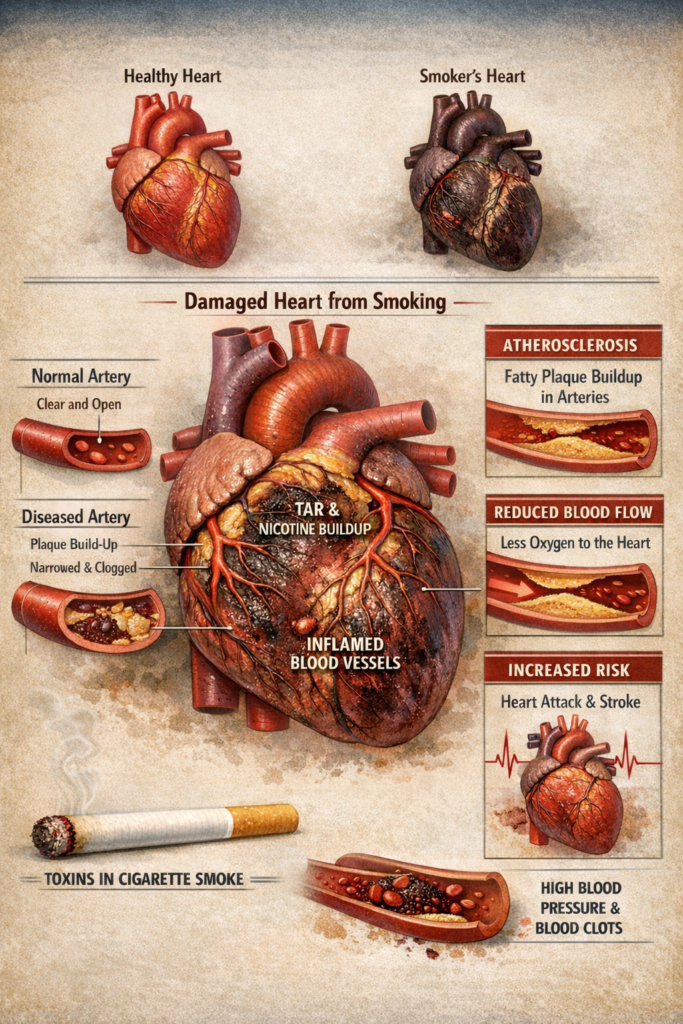
Healthy Heart vs Smoker’s Heart
Visualizing the internal damage often helps patients finally commit to a cessation program. Comparing a healthy heart vs smokers heart reveals shocking, undeniable physical differences.
A healthy heart naturally appears pink, muscular, and surrounded by clean, flexible arteries. Conversely, a smoker’s heart often appears enlarged and chronically overworked. The surrounding coronary arteries are typically rigid, yellowed with plaque, and visibly narrowed.
Here is a clinical breakdown of the physiological differences:
| Feature | Healthy Heart | Smoker’s Heart |
| Resting Heart Rate | 60 to 80 BPM | Chronically elevated (80+ BPM) |
| Arterial Walls | Flexible, smooth, and wide | Stiff, scarred, and narrowed |
| Oxygen Delivery | Highly efficient and abundant | Severely restricted by carbon monoxide |
| Clotting Risk | Normal, healthy platelet function | Extremely high due to sticky blood |
What Is the 3-3-3 Rule for Smoking?
Quitting tobacco is a massive behavioral challenge, which is why experts developed structured psychological coping methods. What is the 3 3 3 rule for smoking exactly? It is a highly effective cognitive technique designed to help you survive intense, sudden nicotine cravings.
The rule states that when a craving hits, you should name three things you can physically see, three things you can hear, and purposely move three different body parts. Consequently, this simple grounding exercise immediately distracts your brain and breaks the obsessive psychological loop of a severe craving.
When to See a Doctor
You should never attempt to push through severe chest discomfort or sudden breathlessness. If you experience a crushing sensation in your chest that radiates to your left arm or jaw, call emergency services immediately. These are the classic, undeniable clinical warning signs of an active heart attack.
Furthermore, if you are currently smoking and desperately want to quit, schedule an appointment with your primary care physician. They can prescribe highly effective cessation medications and customized nicotine replacement therapies. Medical support drastically increases your long-term chances of quitting successfully.
Frequently Asked Questions
Does smoking permanently damage the heart?
While the body actively repairs a massive amount of cellular damage after you quit, some severe arterial scarring remains permanent. However, stopping tobacco use entirely halts the rapid progression of cardiovascular disease. Most importantly, it drastically lowers your overall risk of early mortality.
How quickly does smoking affect your heart?
The negative cardiovascular effects of tobacco are practically instantaneous. Within just ten to twenty seconds of inhaling, nicotine enters your brain and bloodstream. It immediately forces your heart to beat much more rapidly and irregularly while spiking your blood pressure.
Is vaping safer for heart health than smoking?
While vaping lacks the combustible tar found in traditional cigarettes, it still delivers massive amounts of highly addictive nicotine. Therefore, e-cigarettes still constrict your blood vessels. They raise your blood pressure and place dangerous, unnecessary stress on your heart muscle.
Can secondhand smoke cause a heart attack?
Non-smokers exposed to secondhand smoke at home or work increase their risk of developing heart disease by up to thirty percent. The toxic chemicals aggressively damage their delicate blood vessels. This chronic exposure actively triggers heart attacks just like active smoking does.
Is it safe to use nicotine patches to quit smoking?
Clinical evidence strongly shows that using nicotine replacement therapy (NRT) is significantly safer for your heart than smoking combustible cigarettes. NRT delivers a slow, controlled dose of nicotine to ease cravings. It helps you quit without the thousands of toxic, artery-destroying chemicals found in cigarette smoke.
Conclusion
In conclusion, the chemical assault that tobacco wages on your cardiovascular system is brutal and absolutely relentless. By understanding exactly how smoking damages your arteries and starves your heart of vital oxygen, you empower yourself to make a life-saving change. Quitting is undeniably difficult, but it is the single most important medical decision you can ever make.
Furthermore, always remember that your body possesses an incredible, innate ability to heal itself over time. Within just months of quitting, your peripheral circulation improves, and your risk of a fatal heart attack plummets dramatically. Therefore, utilize professional medical support, lean on proven behavioral strategies, and take the first step toward a healthier, much stronger heart today.
Evidence-Based References:
- Centers for Disease Control and Prevention (CDC) — Health Effects of Smoking
- National Heart, Lung, and Blood Institute (NHLBI) — Smoking and Your Heart
- World Health Organization (WHO) — Tobacco Fact Sheet
- American Heart Association (AHA) — Quit Smoking and Tobacco
- American College of Cardiology (ACC) — Smoking and Tobacco Use

Related Posts






MORE from Author
Read More Just last week, a patient named Sarah walked into my clinic carrying three different boxes of popular gut biome tests.…
 Recently, a frustrated patient named Mark visited my public health clinic. He handed me an expensive, beautifully packaged at-home stool…


- Have you ever felt constantly exhausted and painfully bloated after normal meals? Recently, a patient named Sarah sat in my…
- For most healthy adults, 7 hours of sleep per night is the minimum recommended amount, but 7–9 hours is ideal.…