
How to Check Heart Health at Home (Doctor-Reviewed Guide)
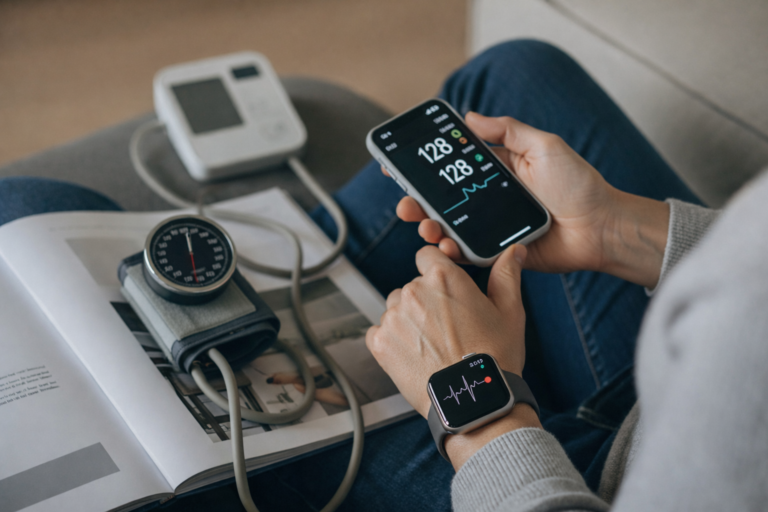
As a board-certified physician, I constantly hear the same anxious question from my patients during their annual physicals. They sit on the exam table and ask, “Doc, is there a simple way to figure out how to check heart health at home?” They want to know if their cardiovascular system is quietly failing them between their yearly checkups.
The incredible news is that modern technology and basic physiological awareness give you immense power to monitor your cardiovascular system. However, you must clearly understand the strict difference between tracking your daily wellness and diagnosing a severe medical emergency. You can definitely monitor your risk factors, but you cannot diagnose complex blockages from your living room.
In this comprehensive, evidence-based medical guide, I will explain exactly how to check your heart health at home safely. We will explore wearable technology, simple physical tests, and the exact vital signs you need to monitor. Let us empower you to take total control of your cardiovascular wellness today.
TL;DR—Quick Home Heart Assessment
If you need the most critical information immediately, here is the clinical summary. You can actively monitor your heart health at home by checking your blood pressure, tracking your resting heart rate, and evaluating your exercise tolerance.
While a simple heart test at home cannot diagnose arterial blockages, it can quickly identify dangerous risk factors. Here is what you should do:
- Measure your blood pressure weekly using a validated home cuff.
- Track your daily resting heart rate (ideally between 60 and 100 bpm).
- Monitor for new chest pain, severe shortness of breath, or sudden palpitations.
- Utilize an Apple Watch or similar device for ECG rhythm tracking if available.
- Perform a basic stair tolerance test to gauge your functional capacity.
- Schedule annual lab work to check your cholesterol and fasting glucose levels.
How Can I Check If My Heart Is Okay?
When patients ask me how they can check if their heart is okay, I always start with the absolute basics. You do not need a million-dollar MRI machine to get a highly accurate baseline of your cardiovascular function. Instead, you just need a few inexpensive tools and a commitment to tracking your vital signs consistently.
Monitoring your heart involves looking at three distinct categories: vital signs, physical symptoms, and your overall exercise capacity. If you learn how to check your heart health at home using these three pillars, you can catch problems early. Below is a quick self-assessment table to help you understand what is normal and when to worry.
Quick At-Home Assessment Table
| Health Marker | Normal Range | When to Seek Medical Care |
| Resting Heart Rate | 60–100 beats per minute | >100 or <50 with dizziness/fatigue |
| Blood Pressure | <120/80 mmHg | >130/80 persistently over several weeks |
| Chest Symptoms | Absolutely none | Pressure, tightness, or pain radiating to the jaw/arm |
| Exercise Tolerance | Mild fatigue, normal breathlessness | Sudden dizziness, chest pain, or severe gasping |
Simple Heart Tests You Can Do at Home
If you want to know how to check the health of your heart at home, you must become familiar with your own baseline metrics. What is completely normal for a marathon runner might be incredibly abnormal for someone who is sedentary. Therefore, establishing your personal baseline is the first crucial step in any home monitoring program.
Here are the most reliable, medically accepted ways to track your cardiovascular function without setting foot inside a clinic.
1. Resting Heart Rate Test
Your resting heart rate is a phenomenal indicator of your autonomic nervous system tone and overall cardiovascular fitness. To check this, simply find your pulse on your wrist or neck first thing in the morning before getting out of bed. Count the beats for exactly sixty seconds to get your baseline number.
Generally, a lower resting heart rate indicates that your heart muscle is highly efficient and does not have to work as hard. Conversely, a consistently high resting heart rate (tachycardia) might suggest dehydration, chronic stress, or an underlying arrhythmia.
2. Blood Pressure Monitoring
High blood pressure is famously called the “silent killer” because it actively destroys your blood vessels without causing any obvious symptoms. Therefore, purchasing a high-quality, upper-arm blood pressure monitor is the best investment you can make for your heart. Wrist monitors are notoriously inaccurate, so always stick to the traditional bicep cuffs.
When checking your blood pressure, sit quietly for five minutes with your feet flat on the floor. Avoid caffeine or smoking for at least thirty minutes prior to taking your reading. If your top number (systolic) consistently stays above 130, you need to schedule a consultation with your physician.
3. Stair Test for Heart Health
Many patients search for a stair test for heart health because it is a fantastic, practical way to measure functional capacity. A healthy cardiovascular system should allow you to briskly climb two to three flights of stairs without stopping. If you can accomplish this without severe gasping or chest pressure, your functional capacity is likely excellent.
However, if climbing just one flight of stairs forces you to stop and catch your breath, this is a major red flag. This disproportionate breathlessness often indicates that your heart is struggling to pump enough oxygenated blood to your muscles.
4. Heart Stress Test at Home (Exercise Tolerance)
People frequently ask me how to perform a heart stress test at home to check for blockages. I must be incredibly clear: you cannot replicate a clinical, medically supervised treadmill stress test in your living room. A clinical test uses continuous, 12-lead ECG monitoring to look for microscopic electrical changes in your heart muscle.
However, monitoring your overall exercise tolerance is still a highly valuable tool. If you previously walked two miles easily but suddenly struggle to walk one block, your heart is signaling a problem. Pay close attention to any sudden, unexplained drop in your physical stamina.
5. Checking Heart Health by Breathing
There is a massive amount of misinformation online regarding how to check heart health by breathing or holding your breath. Let me completely debunk this viral myth right now as a medical professional. Simply holding your breath for twenty seconds does absolutely nothing to diagnose coronary artery disease or blockages.
Instead of holding your breath, doctors look at “heart rate recovery” after vigorous exercise. This measures how quickly your heart rate returns to normal after you stop running or cycling. A rapid drop in your heart rate indicates excellent vagal tone and a highly resilient cardiovascular system.
How to Check Heart Health Using an iPhone or Smartwatch
The explosion of wearable technology has revolutionized preventative cardiology in recent years. Patients constantly ask me how to check heart health in iPhone applications and Apple Watches. These devices are genuinely incredible tools for detecting silent, dangerous arrhythmias like atrial fibrillation (AFib).
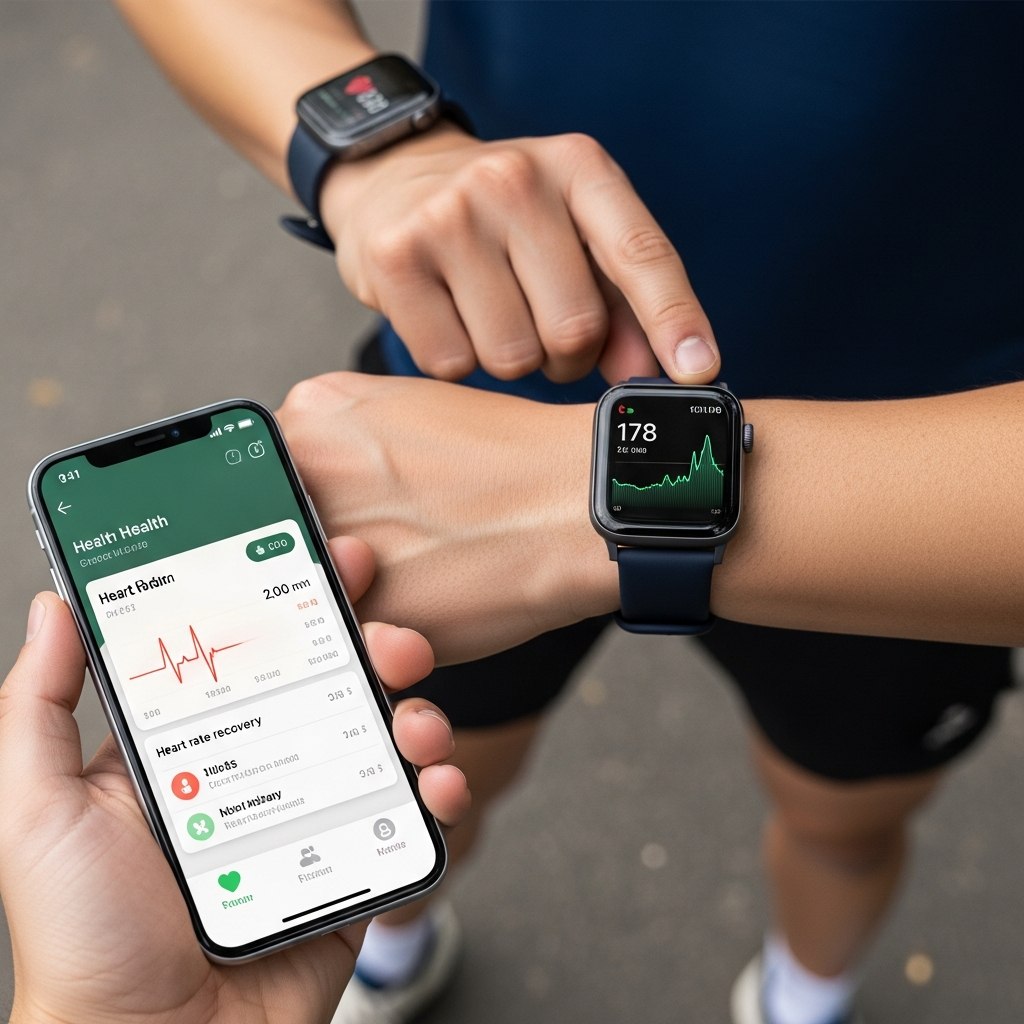
The FDA-cleared ECG feature on modern smartwatches actively monitors the electrical timing of your upper and lower heart chambers. If it detects an irregular rhythm, it will alert you to seek immediate medical attention. Catching AFib early drastically reduces your risk of suffering a catastrophic, debilitating stroke.
However, I must explicitly clarify the absolute limits of this technology. Your Apple Watch cannot detect a heart attack, nor can it tell you if your arteries are clogged with plaque. It is strictly a rhythm monitoring tool, not a replacement for a comprehensive medical evaluation.
How to Check Heart Health by Blood Test
While you cannot run a complex laboratory in your kitchen, ordering routine blood work is vital for cardiovascular screening. Specifically, a standard lipid panel reveals the hidden metabolic risk factors circulating in your bloodstream. You must know your precise cholesterol numbers to accurately assess your long-term arterial health.
Therefore, learning how to check heart health by blood test is a non-negotiable part of modern preventative medicine. Let us look closely at the most important lab markers you need to monitor annually. Here is a clear, medical breakdown of what these numbers actually mean for your physical body:
| Important Blood Test | What It Actually Shows | Healthy Target Range |
| LDL Cholesterol | Your direct risk for dangerous arterial plaque buildup. | <100 mg/dL |
| HDL Cholesterol | The “good” cholesterol that actively protects your arteries. | >40 mg/dL (men), >50 (women) |
| Triglycerides | Your overall metabolic risk and fat circulating in the blood. | <150 mg/dL |
| Hemoglobin A1C | Your long-term average blood sugar and diabetes risk. | <5.7% |
| hs-CRP | The level of systemic inflammation inside your blood vessels. | <2.0 mg/L |
Can You Detect Heart Blockage at Home?
Patients frequently ask me if they can perform a heart blockage test at home to find clogged arteries. I must be brutally honest with you as a physician right now. There is absolutely no reliable, scientifically valid home test to detect a coronary artery blockage.
Consequently, if you want to know how to determine heart blockage accurately, you must visit a clinical cardiologist. Doctors use highly advanced imaging techniques like coronary CT angiography or cardiac catheterization to see inside your vessels. Thus, any website selling a heart blockage test without angiography is completely scamming you.
Furthermore, if you are explicitly searching for a test for blockage in the heart, you need professional medical diagnostics. We also utilize clinical stress tests to see exactly how your heart muscle responds to increased oxygen demand. Therefore, you should never attempt to diagnose a complex, life-threatening cardiovascular issue from your living room sofa.
How Do I Know If My Heart Is Unhealthy?
Recognizing the critical warning signs of a failing cardiovascular system can literally save your life. Many people tragically ignore subtle symptoms, thinking they just have simple indigestion or normal fatigue. However, your body constantly sends you urgent signals when your heart muscle struggles to function properly.
If you are constantly wondering, “How do I know if my heart is unhealthy?” you must memorize these major red flags immediately. Please call 911 right away if you experience any of these dangerous symptoms:
- Severe chest pressure or tightness lasting more than five minutes.
- Crushing pain radiating down your left arm or up into your jaw.
- Sudden, unexplained shortness of breath while simply resting or sitting down.
- Unexplained fainting spells or severe, sudden dizziness.
- Breaking out in a sudden, cold sweat for no obvious reason.
What Is the “7 Second Trick” to Prevent a Heart Attack?
Recently, an incredibly dangerous viral myth claiming there is a 7-second trick to prevent a heart attack flooded the internet. As a board-certified doctor, I must thoroughly debunk this incredibly harmful medical misinformation immediately. There is absolutely no magical, seven-second breathing technique or sudden posture change that cures coronary artery disease.
Preventing a massive heart attack requires dedicated, long-term lifestyle changes and strict medication adherence. Specifically, you must consistently control your blood pressure, radically lower your cholesterol, and stop smoking completely. Therefore, please ignore these dangerous internet fads and focus entirely on evidence-based medical science.
What Are the 7 Habits for a Healthy Heart?
Building a highly resilient, disease-proof cardiovascular system requires intentional, daily action on your part. Based on the American Heart Association’s robust clinical guidelines, there are specific lifestyle pillars you must adopt. What are the 7 habits for a healthy heart that I strongly recommend to every single patient?
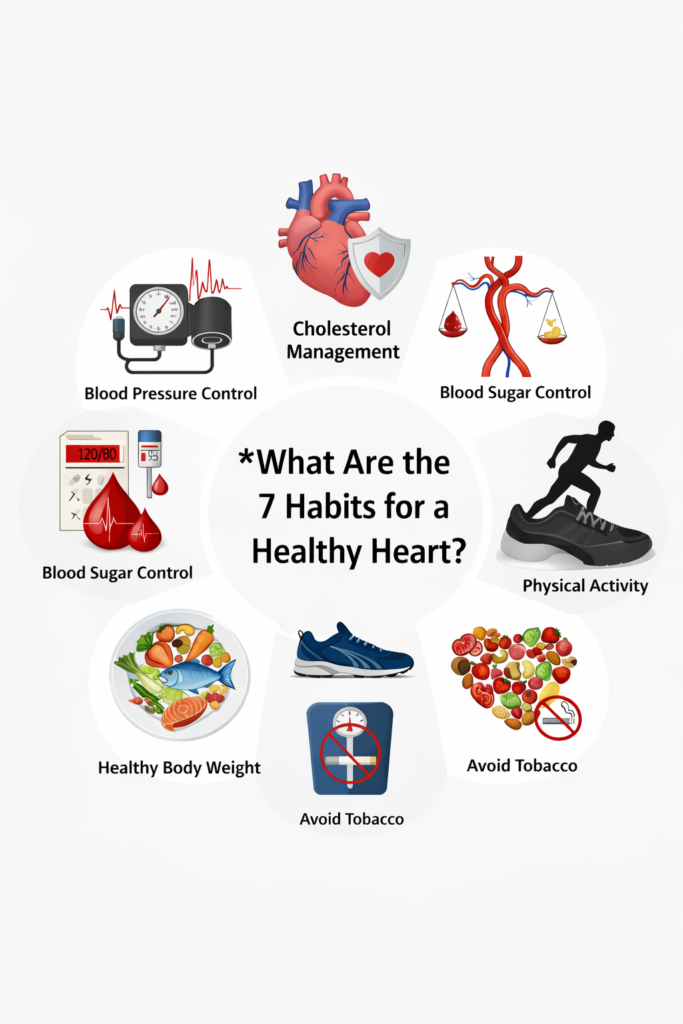
First, fiercely control your resting blood pressure through a clean diet and your prescribed medications. Second, actively manage your circulating cholesterol levels to prevent dangerous, sudden plaque ruptures. Third, strictly control your daily blood sugar levels to prevent severe diabetic vascular damage over time.
Furthermore, stay physically active by performing moderate aerobic exercise most days of the week. Additionally, eat a heart-healthy diet rich in fibrous vegetables, lean proteins, and healthy omega-3 fats. Finally, maintain a highly healthy body weight and avoid all toxic tobacco products completely.
How to Check Heart Health Immediately (Urgent Concerns)
If you feel suddenly unwell and need to know how to check heart health immediately, follow this simple clinical decision tree. First, if you experience severe chest pain or shortness of breath, go straight to the nearest emergency room. Never attempt to drive yourself to the hospital during an active, painful cardiac event.
Alternatively, if you experience mild, fleeting symptoms like occasional palpitations, schedule a same-day visit with your primary care doctor. Finally, if you have absolutely no symptoms but possess major risk factors, simply schedule a routine screening. Always prioritize rapid medical evaluation over internet self-diagnosis when you feel truly unwell.
Full Heart Checkup Near Me—What to Ask For
When you finally schedule that crucial doctor’s appointment, you must know exactly what to request. Simply searching for a full heart checkup near me is a fantastic first step toward total preventative care. However, you must actively advocate for specific, high-yield diagnostic tests during your consultation.
Specifically, ask your physician to order a comprehensive lipid panel and a baseline EKG (electrocardiogram). Furthermore, discuss whether a clinical treadmill stress test is appropriate for your specific age and cardiovascular risk profile. Most importantly, ask your doctor to accurately calculate your 10-year ASCVD (atherosclerotic cardiovascular disease) risk score.
How to Check Heart Health at Home in Hindi
Many of my patients from South Asian communities ask me how to check heart health at home in Hindi for their elderly relatives. Understanding your cardiovascular health is universally important, regardless of the specific language you speak. Here is a brief, medically accurate summary you can easily share with your Hindi-speaking family members.
घर पर अपने हृदय के स्वास्थ्य की जांच करने के लिए, आपको कुछ महत्वपूर्ण बातों का ध्यान रखना चाहिए। सबसे पहले, एक अच्छे ब्लड प्रेशर मॉनिटर का उपयोग करके नियमित रूप से अपना ब्लड प्रेशर नापें। दूसरा, अपनी सुबह की हृदय गति (पल्स) की जांच करें; सामान्य पल्स 60 से 100 बीट्स प्रति मिनट होनी चाहिए।
इसके अलावा, सीढ़ी टेस्ट करें। यदि आप बिना थके दो मंजिल सीढ़ियां आसानी से चढ़ सकते हैं, तो यह एक बहुत अच्छा संकेत है। छाती में तेज दर्द, अचानक सांस फूलना या चक्कर आने जैसे गंभीर लक्षणों पर हमेशा बारीकी से ध्यान दें।
याद रखें, ये घरेलू तरीके केवल सामान्य निगरानी के लिए हैं। दिल की किसी भी गंभीर बीमारी या खतरनाक ब्लॉकेज का पता लगाने के लिए आपको डॉक्टर से मिलकर ब्लड टेस्ट और ईसीजी (ECG) करवाना बहुत जरूरी है। सीने में तेज दर्द होने पर तुरंत नजदीकी अस्पताल जाएं।
Frequently Asked Questions
How to check my heart health at home accurately?
You can accurately monitor your cardiovascular baseline by tracking your resting heart rate and checking your daily blood pressure. Furthermore, you should pay close attention to your exercise tolerance during daily activities like climbing stairs.
How do I know if my heart is unhealthy?
Your heart is likely unhealthy if you constantly experience disproportionate shortness of breath during very mild physical exertion. Additionally, chronic high blood pressure, persistent chest tightness, and sudden dizzy spells strongly indicate poor cardiovascular function.
Can I do a simple heart test at home to find blockages?
No, you absolutely cannot diagnose a coronary artery blockage from the comfort of your living room. A simple heart test at home only tracks basic vital signs, while diagnosing blockages requires advanced clinical imaging.
How to detect heart blockage without a doctor?
It is medically impossible to detect a heart blockage safely and accurately without consulting a medical professional. You must visit a cardiologist for a specialized stress test or a coronary angiogram to see inside your arteries.
What is the stair test for heart health?
The stair test is a simple functional assessment where you briskly walk up two to three flights of stairs. If you can complete this task without stopping, severe gasping, or chest pain, your heart likely possesses healthy functional capacity.
Conclusion
In conclusion, learning how to check heart health at home is one of the most empowering steps you can take. By consistently tracking your blood pressure, resting heart rate, and physical symptoms, you actively protect your life. You hold the incredible power to catch dangerous warning signs long before they become catastrophic medical emergencies.
However, you must always remember the strict limitations of at-home medical monitoring. While your Apple Watch and blood pressure cuff are fantastic tools, they absolutely never replace a board-certified cardiologist. Always listen closely to your body, and never hesitate to seek urgent emergency care when you feel truly unwell.
Therefore, I strongly encourage you to take proactive action today. Write down your baseline vital signs, schedule your annual blood work, and discuss your cardiovascular risk with your doctor. Download our free heart health checklist below to start tracking your vital signs and building a stronger, healthier heart today.
Evidence-Based References:
- American Heart Association (AHA) — Life’s Essential 8 and Heart Health Monitoring
- Centers for Disease Control and Prevention (CDC) — Heart Disease Facts and Prevention
- National Heart, Lung, and Blood Institute (NHLBI) — Blood Tests and Lipid Panels
- American College of Cardiology (ACC) — CardioSmart: Heart Tests and Diagnostics
- U.S. Food and Drug Administration (FDA) — Digital Health Center of Excellence (for smartwatch ECG clearances)
Related Posts



MORE from Author
Read More As a physician, I regularly see patients who are utterly exhausted from poor sleep. When you are desperately scrolling online…
- Hey, there. Let's talk about something we all want but struggle to achieve: vibrant, long-term health. These days, figuring out…


 Every week in my clinical practice, patients ask me the same desperate question: "Doc, how do I actually prevent a…
 When patients visit my clinic, they frequently ask me, "Doc, what is a healthy lifestyle, really?" They feel completely overwhelmed…