How to Improve Heart Health Naturally, Quickly, and Safely (Doctor-Backed Guide)
How can you improve heart health without overhauling your entire life overnight? You are not alone. Just last week, a 45-year-old patient in my exam room asked me this question. He felt overwhelmed by all the conflicting medical advice online.
I told him what I tell all my patients: making your heart stronger does not require magic. It requires consistent, manageable lifestyle changes. If you want to improve heart health effectively, you need a realistic, science-backed plan.
In this guide, we will cover the fastest ways to protect your cardiovascular system. We will explore evidence-based nutrition, daily movement, and stress control. Let’s dive right in.
Why Cardiovascular Health Matters
What exactly does cardiovascular health mean? It simply refers to the optimal functioning of your heart and blood vessels. When your system works well, it efficiently pumps oxygen-rich blood throughout your entire body.
This process directly affects your lifespan, organ function, and daily energy levels. A strong cardiovascular system prevents dangerous plaque buildup inside your arteries.
As a result, you dramatically lower your risk of devastating events like heart attacks and strokes. The key risk factors that damage this system include high blood pressure, elevated LDL cholesterol, chronic stress, physical inactivity, and smoking.
Signs of a Weak Heart
Many patients completely ignore early warning signals until a major medical problem occurs. So, what are the signs of a weak heart? Your body usually gives you clear hints when your heart struggles to pump effectively.
Pay close attention to these common symptoms:
- Unexplained shortness of breath during light daily activities
- Persistent swelling in your lower legs, ankles, or feet
- Chronic fatigue that does not improve with a good night’s sleep
- An irregular heartbeat, sudden palpitations, or a racing chest
Can a weak heart be strengthened? Yes, absolutely. In many cases, heart strength improves significantly with targeted exercise, dietary changes, and proper medical care.
Fastest Ways to Improve Heart Health
Patients frequently ask me how to improve heart health quickly. While true cardiovascular conditioning takes time, you can trigger positive biological changes very fast.
Daily Walking Routine
First, start walking every single day. Walking remains one of the absolute fastest ways to improve cardiovascular health naturally. Just 30 minutes of brisk walking lowers your blood pressure and boosts circulation immediately.
Sodium Reduction
Next, cut back on hidden dietary sodium. High salt intake forces your heart to work much harder than it should. Therefore, reading nutrition labels helps you avoid dangerous, sudden blood pressure spikes.
Sleep Optimization
Also, prioritize high-quality sleep every single night. Your heart actually heals and repairs its tissues during deep sleep cycles. Consequently, aiming for seven to eight hours nightly is crucial for cardiovascular recovery.
Stress Management
Finally, you must actively manage your daily stress. Chronic stress constantly floods your body with cortisol and adrenaline. Over time, this persistent inflammatory state damages your blood vessels and raises your resting heart rate.
Improve Heart Health in 30 Days
Do you want to see measurable progress fast? You can actually improve heart health in 30 days using a structured, step-by-step approach. Here is the exact timeline I give my beginner patients.
Week 1: Dietary Changes Focus entirely on adding whole foods to your plate. Specifically, swap out heavily processed snacks for fresh fruits, vegetables, and lean proteins.
Week 2: Exercise Habit Introduce consistent, daily movement. For example, commit to a brisk 20-minute walk every single morning before work or right after dinner.
Week 3: Stress Control Start practicing daily mindfulness or meditation. Just five minutes of deep breathing exercises can effectively lower your resting heart rate and calm your nervous system.
Week 4: Cardiovascular Conditioning Increase your exercise intensity slightly to push your stamina. Specifically, try adding short bursts of jogging, cycling, or stair climbing to challenge your heart muscle.
Best Exercises to Strengthen Your Heart
When you ask how to improve heart health with exercise, the answer comes down to consistency. Your heart is a muscle. Therefore, it absolutely needs regular, challenging workouts to grow stronger and more efficient.

What are the best exercises to strengthen heart function? I always recommend a balanced mix of aerobic activity and resistance training. This specific combination yields the best long-term clinical outcomes.
| Exercise Type | Primary Benefit | Recommended Frequency |
| Brisk Walking | Lowers blood pressure, builds baseline endurance | 30+ minutes, 5 days/week |
| Cycling / Swimming | Increases heart rate with low joint impact | 30–45 minutes, 3–4 days/week |
| HIIT (Intervals) | Rapidly boosts VO2 max and overall stamina | 15–20 minutes, 1–2 days/week |
| Strength Training | Improves insulin sensitivity and metabolism | 30–40 minutes, 2 days/week |
Aerobic Conditioning
Activities like brisk walking, swimming, and cycling are incredible for your cardiovascular system. Specifically, they train your heart to pump larger volumes of blood with much less effort.
High-Intensity Intervals
High-Intensity Interval Training (HIIT) involves short bursts of intense effort followed by brief periods of rest. Furthermore, research consistently shows this method rapidly improves your VO2 max.
Resistance Training
Lifting weights does much more than just build your biceps. It actually lowers your long-term resting blood pressure. In addition, it dramatically improves your body’s ability to process blood sugar.
How Food Improves Heart Health
Many patients ask me how to improve heart health food choices without feeling completely deprived. Just last month, I reviewed a detailed dietary log with a patient struggling with high cholesterol. He felt incredibly overwhelmed by restrictive, trendy diet plans.

Therefore, I showed him that eating for your heart is actually about adding delicious, nutrient-dense foods to your plate. First of all, you must focus heavily on the Mediterranean eating style. This specific diet dramatically reduces dangerous inflammation inside your delicate blood vessels.
Consequently, it lowers your long-term risk of cardiovascular disease significantly. For instance, you should eat fatty fish like wild-caught salmon or mackerel twice a week. These specific fish contain exceptionally high levels of Omega-3 fatty acids.
As a result, they directly lower harmful triglycerides circulating in your bloodstream. In addition, you must add more whole grains to your daily meals. Oats, quinoa, and brown rice provide essential soluble dietary fiber.
Specifically, this sticky fiber binds to excess cholesterol in your gut and flushes it out of your body. Furthermore, handfuls of raw nuts and seeds make excellent, heart-healthy snacks. Walnuts and almonds provide healthy fats that protect your artery walls from damage.
Similarly, dark leafy greens like spinach and kale are absolutely vital for your cardiovascular system. They contain high amounts of dietary nitrates and vitamin K. Ultimately, these specific nutrients help your blood vessels dilate, relaxing your blood pressure.
On the other hand, you must strictly limit heavily processed foods. Fast food and packaged snacks contain dangerous trans fats and excessive, hidden sodium. In contrast, cooking fresh meals at home gives you total control over your health.
Finally, you must completely avoid sugary drinks and artificial sodas. Liquid sugar spikes your insulin levels rapidly and aggressively. Subsequently, this constant metabolic spiking damages your heart muscle over time.
Supplements for Heart Health
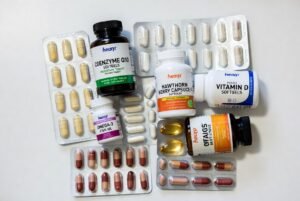
Diet always comes first, but high-quality supplements can certainly offer extra support. I always carefully evaluate my patients’ blood work before recommending any new pills. You must remember that supplements cannot replace a terrible diet or a sedentary lifestyle.
So, what supplements for heart health actually work? Here is a clear breakdown of the most researched, evidence-based options available to consumers today.
| Supplement | Evidence Level | Primary Cardiovascular Benefits |
| Omega-3 Fish Oil | Strong | Lowers triglycerides, reduces arterial plaque buildup |
| Magnesium | Moderate | Relaxes blood vessels, supports a healthy heart rhythm |
| CoQ10 | Moderate | Improves cellular energy in the aging heart muscle |
| Psyllium Fiber | Strong | Binds to LDL cholesterol, improves daily digestion |
Most noteworthy, you must always consult your primary doctor before starting any new regimen. For example, certain supplements can interact dangerously with prescription blood thinners or statins. Therefore, safety and medical supervision are completely non-negotiable.
How to Improve Heart Health Naturally at Home
You do not need an expensive gym membership to protect your cardiovascular system. In fact, learning how to improve heart health at home is incredibly simple. You just need to focus intensely on your daily lifestyle habits.
First, prioritize severe stress management every single day. Chronic anxiety forces your heart to beat much faster and harder than necessary. Consequently, practicing daily mindfulness or deep meditation effectively heals the heart naturally.
In addition, you must fiercely protect your nightly sleep schedule. Poor sleep directly elevates your resting blood pressure the very next morning. Therefore, keep your bedroom cool, dark, and strictly screen-free for optimal recovery.
Furthermore, never underestimate the healing power of strong social connections. Spending quality time with family and friends actually lowers your dangerous stress hormones. Ultimately, happiness and regular laughter are legitimate, powerful cardiovascular medicines.
Special Cardiovascular Situations
Sometimes, patients face unique, specific challenges on their wellness journey. Let’s look at a few distinct scenarios I frequently treat in my preventive cardiology clinic.
Post-COVID Recovery
Many people want to know how to improve heart health after COVID. The virus can, unfortunately, cause lingering cardiovascular inflammation and extreme fatigue. Therefore, you must return to exercise very gradually and monitor your resting heart rate closely.
Life After Smoking
Quitting tobacco is the absolute greatest gift you can give your body. If you are wondering how to improve heart health after smoking, patience is key. Within just one year of quitting, your coronary disease risk drops by an incredible fifty percent.
Post-Heart Attack Rehabilitation
Recovering from a major cardiac event is undeniably scary and stressful. When patients ask how to improve heart health after a heart attack, I immediately prescribe formal cardiac rehab. Furthermore, strict medication adherence is absolutely vital for your long-term survival.
How to Strengthen Heart Muscle Naturally
Your heart is a physical muscle that requires consistent, progressive physical training. If you truly want to know how to strengthen heart muscles naturally, you must combine therapies. Specifically, you need both aerobic conditioning and moderate resistance training.
First of all, cardio workouts train the heart to pump blood efficiently. Meanwhile, lifting weights improves your entire metabolic profile and lowers blood sugar. Together, these two exercise styles build an incredibly resilient, powerful cardiovascular system.
10 Ways to Keep Your Heart Healthy
Are you looking for a quick, highly actionable daily checklist? Here are 10 proven tips to improve heart health starting right now:
- Walk briskly for 30 minutes daily.
- Eat two servings of fatty fish weekly.
- Sleep seven to eight hours nightly.
- Substitute salt with fresh herbs and spices.
- Stop smoking and vaping completely.
- Manage daily stress with deep breathing.
- Lift light weights twice a week.
- Drink plenty of clean, filtered water.
- Avoid heavily processed sugary snacks.
- Schedule an annual medical checkup.
Frequently Asked Questions
Patients constantly ask me these common, pressing questions during their annual physical exams. Here are the clear, doctor-approved answers you need to protect your longevity.
Can you reverse heart disease?
Yes, you can often halt or even partially reverse early-stage heart disease. Strict dietary changes, rigorous daily exercise, and prescribed medications can actually shrink dangerous arterial plaque. However, advanced disease usually requires much more aggressive surgical interventions.
How fast can heart health improve?
You will actually see measurable biological improvements very quickly. For instance, your high blood pressure drops within hours of finishing an exercise session. Furthermore, your cholesterol levels can improve significantly within just 30 to 60 days of strict dietary changes.
How much exercise is needed weekly?
The American Heart Association strongly recommends 150 minutes of moderate aerobic exercise every single week. Alternatively, you can do 75 minutes of highly vigorous, intense activity. In addition, you should always include two days of full-body muscle-strengthening exercises.
What heals the heart naturally?
Your heart heals naturally through a combination of deep sleep, stress reduction, and vital nutrient intake. Furthermore, eliminating toxic habits like smoking allows your blood vessels to repair their delicate endothelial linings.
Are supplements safe for everyone?
No, supplements are not universally safe for every single person. Many natural herbs and vitamins interact negatively with common prescription medications. Therefore, you must always consult your doctor before adding new pills to your daily routine.
The Bottom Line: Your Heart Health Journey Starts Today
Ultimately, improving your heart health does not require a complete overnight overhaul of your entire life. As we have discussed, protecting your cardiovascular system simply comes down to mastering the basics: consistent daily movement, a nutrient-dense diet, high-quality sleep, and rigorous stress management.
Therefore, do not let the fear of a weak heart paralyze you into inaction. Instead, choose just one manageable habit from this guide to change today. Whether that means taking a 20-minute walk after dinner, practicing deep breathing, or swapping processed snacks for a handful of almonds, every single positive choice compounds over time.
Remember, your heart is an incredibly resilient muscle that desperately wants to heal and grow stronger. Take that first step today, stay consistent, and always work closely with your primary doctor to ensure your specific long-term plan is both safe and highly effective.
References for Further Reading:
Related Posts



MORE from Author
Read More Just last week, a patient named Sarah walked into my clinic carrying three different boxes of popular gut biome tests.…
 Recently, a frustrated patient named Mark visited my public health clinic. He handed me an expensive, beautifully packaged at-home stool…

- Have you ever felt constantly exhausted and painfully bloated after normal meals? Recently, a patient named Sarah sat in my…
- For most healthy adults, 7 hours of sleep per night is the minimum recommended amount, but 7–9 hours is ideal.…