
Common Symptoms of Amyloidosis: Early Warning Signs, Red Flags & When to Seek Help
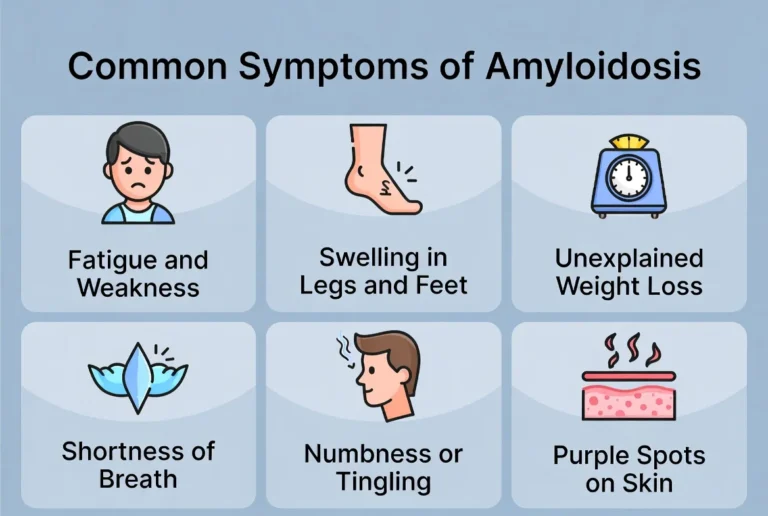
What are the most common symptoms of amyloidosis? This rare disease often presents with fatigue, leg swelling, and shortness of breath. You might also notice numbness or unexplained weight loss.
Early red flags often mimic more common conditions. You should suspect amyloidosis if you have persistent heart failure symptoms or protein in your urine. While it is not cancer, certain types are related to bone marrow disorders.
Left untreated, the disease leads to severe organ failure. Cardiac symptoms like an irregular heartbeat are particularly serious. Understanding what the first symptoms of amyloidosis are is vital for starting life-saving treatment early.
What Is Amyloidosis?
Amyloidosis is a rare disease where abnormal proteins called amyloid build up in your organs. These proteins fold incorrectly and form clumps. These clumps disrupt the normal function of the heart, kidneys, liver, and nerves.
You might wonder, what is amyloidosis, and how does it affect your body? Think of it as a “protein clog” in your internal systems. As the amyloid builds up, your organs stiffen and lose their ability to work.
There are 3 types of amyloidosis that doctors diagnose most often. AL amyloidosis (light-chain) is the most common. ATTR amyloidosis (transthyretin) affects the heart and nerves. AA amyloidosis results from chronic inflammation or infection.
Many people ask, “Is amyloidosis cancer?” The answer is no. However, AL amyloidosis is treated similarly to multiple myeloma. This is because both conditions involve plasma cells in the bone marrow.
What Are the Most Common Symptoms of Amyloidosis?
The common symptoms of amyloidosis are often vague at first. Because the protein can deposit anywhere, the signs vary. Most patients report a combination of systemic and organ-specific issues.
During an interview with a patient named Sarah, she shared her long journey to a diagnosis. She felt exhausted for months. Her doctors initially thought she just had “stress” or a slow thyroid.
Common signs of amyloidosis include:
- Severe and persistent fatigue
- Swelling in the legs, ankles, or feet (edema)
- Shortness of breath with minimal activity
- Numbness or a “pins and needles” feeling in the hands and feet
- Unexplained weight loss of 10 pounds or more
- Purple patches or bruising around the eyes
What are the most common symptoms of amyloidosis? Most clinicians point to the triad of fatigue, swelling, and breathlessness. If these 10 common amyloidosis symptoms appear together, specialized testing is necessary.
10 Early Signs of Amyloidosis
Identifying the first symptoms of amyloidosis can be difficult. The disease is a “great imitator.” However, paying attention to these 10 early signs of amyloidosis can help you find answers faster.
- Persistent fatigue: Feeling drained even after resting.
- Swollen ankles/feet: This is caused by fluid backup or kidney issues.
- Foamy urine: This suggests high levels of protein are leaking through the kidneys.
- Shortness of breath: Feeling winded while performing basic chores.
- Carpal tunnel syndrome: Especially if it happens in both wrists simultaneously.
- Easy bruising: Noticing large bruises from very minor bumps.
- Enlarged tongue: Also known as macroglossia, which can affect speech.
- Numbness in hands/feet: A sign of peripheral neuropathy.
- Irregular heartbeat: Feeling like your heart is skipping beats.
- Unexplained weight loss: Losing weight without changing your diet or exercise.
Amyloidosis’s early symptoms in adults often appear in those over age 50. However, genetic forms can appear much earlier in life.
5 Red Flag Symptoms You Should Not Ignore
Is your health in jeopardy? Learn about these 5 common symptoms of amyloidosis that require immediate attention. These “red flags” suggest that organ damage is already progressing.
Are you at risk? Discover the 5 most common symptoms of amyloidosis that signal a crisis. First, severe fatigue that stops you from working is a major warning. Second, massive swelling in the lower body is a sign of heart or kidney failure.
Third, changes in your heart rhythm can lead to fainting. Fourth, intense nerve pain or weakness can limit your mobility. Finally, finding high protein levels in a urine test is a classic indicator of amyloid deposits.
Is Foot Swelling a Hidden Sign of Amyloidosis?
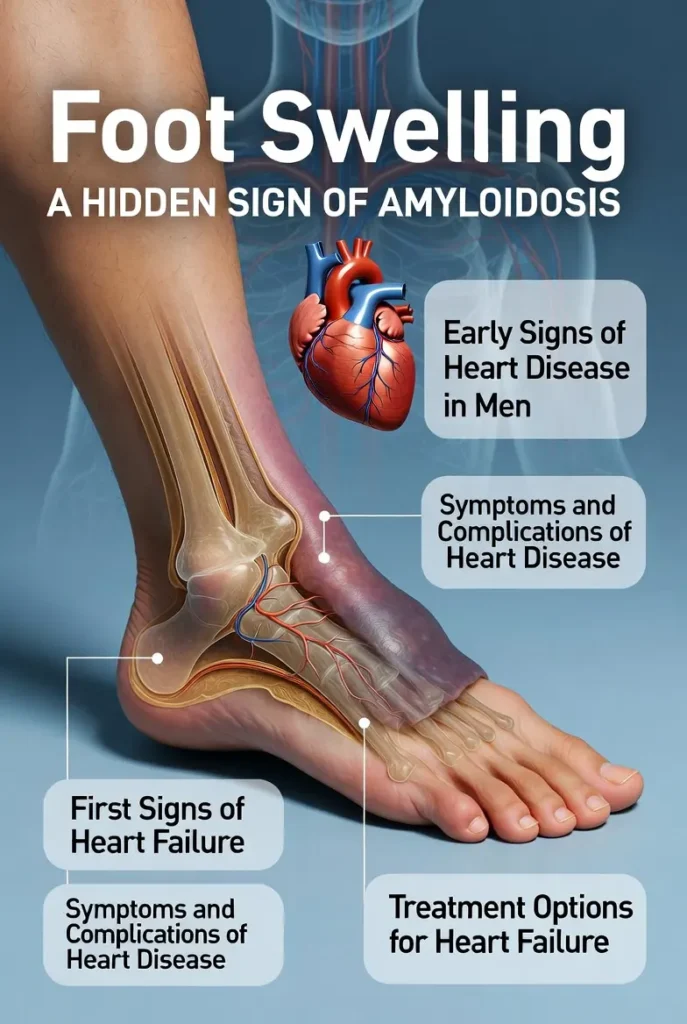
Could your chronic foot swelling be due to undiagnosed amyloidosis? Many people assume their swelling is just “part of getting older.” However, fluid retention is a major diagnostic clue.
Are feet a hidden sign of amyloidosis? What you need to know is that amyloid proteins often target the kidneys. When kidneys fail, they can no longer balance fluids and salts.
This causes gravity to pull fluid down into your feet and ankles. Additionally, if the heart muscle becomes stiff from amyloid, it cannot pump blood efficiently. This also leads to significant edema in the lower extremities.
What Are the Cardiac Symptoms of Amyloidosis?
When amyloid proteins build up in the heart, it is called cardiac amyloidosis. This makes the heart muscle thick and rigid. It cannot relax between beats, leading to “restrictive cardiomyopathy.”
What are the cardiac symptoms of amyloidosis? You will likely experience significant shortness of breath. This happens even when you are just sitting or lying down. You might also feel dizzy or faint suddenly (syncope).
Arrhythmias, such as atrial fibrillation, are very common. Low blood pressure is another surprising sign. Because the heart is stiff, it cannot maintain a high enough pressure to support the body.
Amyloidosis Early Symptoms in Women & Seniors
Amyloidosis often presents differently depending on your age and gender. While the disease is rare, understanding these nuances can lead to a much faster diagnosis.
Symptoms in Women: In women, the early symptoms in women often manifest as severe fatigue. Many women also report bilateral carpal tunnel syndrome years before other symptoms appear. Heart rhythm issues, such as palpitations, are also a frequent early complaint among female patients.
Symptoms in Seniors: For older adults, amyloidosis symptoms in seniors often mimic common aging issues. You might mistake heart failure symptoms or chronic neuropathy for “getting older.” Unexplained weight loss and a sudden drop in blood pressure are major red flags for seniors that require a cardiac checkup.
Amyloidosis Skin Symptoms & Pictures
The skin can provide visible clues to a systemic protein buildup. Amyloidosis skin symptoms often involve changes in texture and color. These signs are particularly common in the AL (light-chain) type of the disease.
You may notice waxy-feeling skin or small, raised bumps. Easy bruising is a classic sign, especially “raccoon eyes.” This is purple bruising around the eyes caused by fragile blood vessels.
When looking for amyloidosis symptoms pictures in medical journals, you will see purple patches called purpura. These often appear on the neck, face, or chest. If you notice these skin changes along with fatigue, consult a specialist immediately.
How Do You Know If You Have Amyloidosis?
How do you know if you have amyloidosis before it becomes an emergency? You should suspect amyloidosis if you have a “cluster” of unexplained symptoms. This is especially true if common treatments for heart failure or neuropathy are not working.
When to suspect amyloidosis is usually when a patient has both heart thickening and protein in their urine. If you have a family history of the disease, you are at a higher risk. Persistent, unexplained symptoms should always be investigated by a hematologist or cardiologist.
Amyloidosis Diagnosis
Getting an accurate amyloidosis diagnosis requires several specialized tests. Doctors start with blood and urine tests to look for abnormal “light chain” proteins. This helps identify the AL type of the disease.
A biopsy remains the gold standard for diagnosis. A small tissue sample, often from fat or an affected organ, is stained with Congo Red dye. If the protein is present, it will glow “apple-green” under a special microscope.
Cardiac imaging, like a technetium pyrophosphate (PYP) scan, is now used to detect the ATTR type without a biopsy. Genetic testing is also vital to see if the condition is hereditary.
What Is the 5-5-5 Rule for Amyloidosis?
Education campaigns often use simple tools to help patients and doctors remember the signs. What is the 5 5 5 rule for amyloidosis? This concept is designed to increase awareness of the ATTR (transthyretin) type.
The rule highlights that if a patient has 5 specific symptoms, doctors should consider amyloidosis. These often include carpal tunnel, spinal stenosis, bicep tendon rupture, heart failure, and neuropathy.
By remembering this rule, primary care doctors can catch the disease earlier. Early detection is the most important factor in improving a patient’s long-term survival.
Stages of Amyloidosis
Doctors use the stages of amyloidosis to determine the severity of the disease. Most staging systems focus on heart health, as cardiac involvement is the biggest factor in prognosis.
In AL amyloidosis, clinicians use blood levels of NT-proBNP and Troponin. These are markers of heart stress and damage. Stage 1 indicates low levels, while Stage 4 indicates significant cardiac involvement.
For the ATTR type, staging is based on kidney function and heart markers. Understanding your stage helps your medical team choose the right chemotherapy or stabilizer medications.
What Happens If Amyloidosis Is Not Treated?
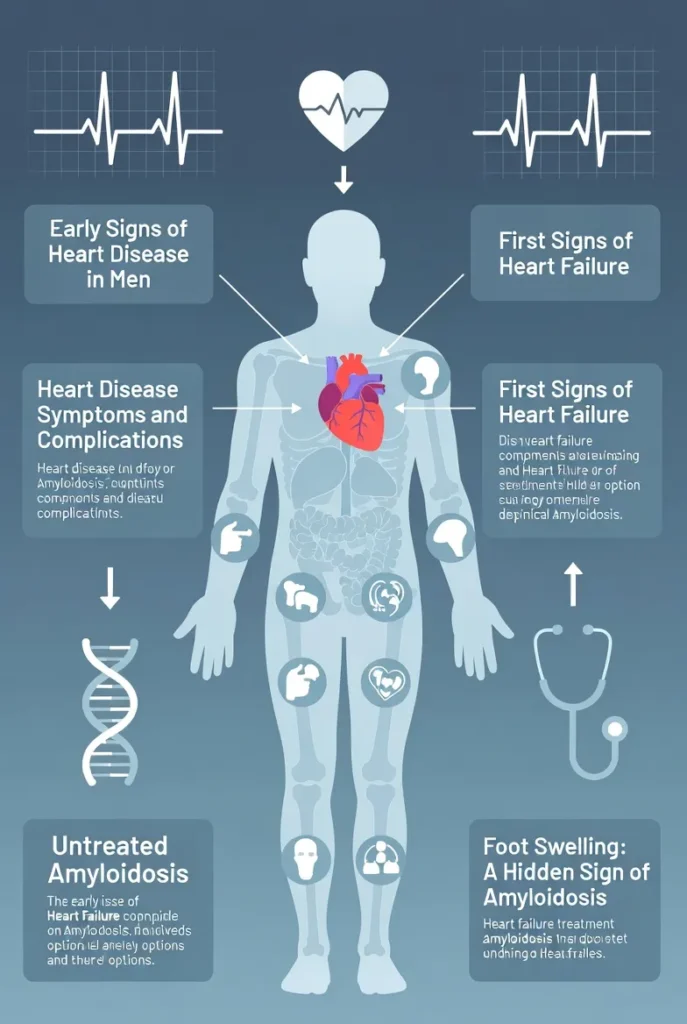
What happens if amyloidosis is not treated? Because the protein buildup is progressive, the damage to your organs is permanent. Without intervention, the disease leads to total organ failure.
Progressive heart failure is the most common result. The heart becomes so stiff that it can no longer pump blood. Kidney failure is another major risk, leading to the need for dialysis.
Nerve damage can also become debilitating. This leads to a loss of mobility and severe, chronic pain. Early treatment “turns off” the protein production and protects your remaining organ function.
Amyloidosis End-of-Life Symptoms
Discussing the final stages of a rare disease requires a compassionate approach. Amyloidosis end-of-life symptoms usually involve advanced heart or kidney failure. Patients may experience extreme breathlessness and severe fluid retention.
During this time, the focus shifts to palliative care. This ensures the patient is comfortable and free from pain. If treatments no longer work, hospice teams help manage fatigue and respiratory distress.
Frequently Asked Questions
What are the most common symptoms of amyloidosis?
The most common symptoms include extreme fatigue, swelling in the legs, and shortness of breath. You may also notice numbness in your hands and foamy urine.
What are the first symptoms of amyloidosis?
First signs are often subtle, like carpal tunnel syndrome in both wrists or mild ankle swelling. Many people also report unexplained weight loss and chronic exhaustion.
Is amyloidosis cancer?
No, amyloidosis is not cancer. However, the AL type is a bone marrow disorder and is often treated with chemotherapy drugs similar to those used for multiple myeloma.
What are the cardiac symptoms of amyloidosis?
Cardiac signs include a thickened heart muscle, irregular heartbeats, and feeling dizzy when standing up. You may also experience severe shortness of breath during light activity.
When should you suspect amyloidosis?
You should suspect the disease if you have heart failure symptoms that do not improve with standard medicine. Red flags include protein in the urine combined with nerve pain or “raccoon eye” bruising.
Conclusion
Recognizing the common symptoms of amyloidosis is a critical step in navigating this complex and rare condition. Because the disease mimics many more common ailments, staying vigilant about “red flag” combinations—like heart trouble paired with nerve pain or foamy urine—can lead to a much faster diagnosis. As we’ve discussed, understanding what the first symptoms of amyloidosis are is the key to preserving organ function and improving your long-term outlook.
While a diagnosis of amyloidosis is life-changing, modern treatments are more effective than ever before. From advanced chemotherapy for AL amyloidosis to breakthrough stabilizers for the ATTR type, there is a clear path forward. By working with a multidisciplinary team of specialists, you can manage the protein buildup and focus on maintaining a high quality of life.
If you are experiencing persistent fatigue, unexplained bruising, or swelling that won’t go away, do not wait for the symptoms to worsen. Reach out to a healthcare professional and ask about specialized testing. Early detection is not just a medical goal; it is your best strategy for a healthier future.
References & High-Quality Sources:
- Amyloidosis Foundation: amyloidosis.org
- National Institutes of Health (NIH): rarediseases.info.nih.gov
- Mayo Clinic – Amyloidosis Overview: mayoclinic.org
- Cleveland Clinic – Cardiac Amyloidosis: my.clevelandclinic.org
- ASCO – AL Amyloidosis Information: cancer.net
Related Posts




MORE from Author
Read More Hey, there. Let's talk about something we all want but struggle to achieve: vibrant, long-term health. These days, figuring out…
 In my clinical practice, patients frequently ask me to interpret the data on their smartwatches. They stare at the numbers…


 Do you wake up exhausted after eight hours in bed? You're probably wondering why you still feel tired. The key…
 Every day, physicians in cardiovascular clinics around the world witness the devastation caused by tobacco use. Many patients understand how…