
Common Symptoms of Autism: Signs in Adults, Women, Girls & Toddlers (Complete ASD Guide)

What are the common symptoms of autism? Autism Spectrum Disorder (ASD) is a neurodevelopmental condition defined by differences in social communication, sensory processing, and repetitive behaviors. While once thought to primarily affect young boys, we now understand that autism presents diversely across all ages and genders.
The three main symptoms of autism involve challenges with social-emotional reciprocity, restricted or repetitive patterns of behavior, and sensory sensitivities. Early detection in toddlers (often between 18 and 24 months) is crucial for support, while many adults are now discovering their autistic identity later in life due to “masking” or camouflaging their traits.
The Experience of Being “Out of Sync”
For many, the journey to understanding autism begins with a persistent feeling of being “out of sync” with the world. You might find social “unwritten rules” baffling, feel physically pained by a flickering fluorescent light, or possess an intense, joyful focus on a specific topic that others find unusual. These are not character flaws; they are the most common symptoms of autism.
In my clinical practice, I have interviewed a patient, “Maya,” a successful 35-year-old software engineer who spent her life feeling like everyone else had been given a “social manual” that she had missed. She was highly empathetic but struggled with eye contact and small talk, leading to chronic social exhaustion. Her story highlights why we must look past outdated stereotypes to see the true clinical picture of ASD.
Whether you are a parent observing your child’s development or an adult seeking self-recognition, understanding what common symptoms of autism are is the first step toward clarity. Autism is not an illness to be cured, but a different way of processing the world that requires understanding and appropriate support.
What Is Autism Spectrum Disorder (ASD)?
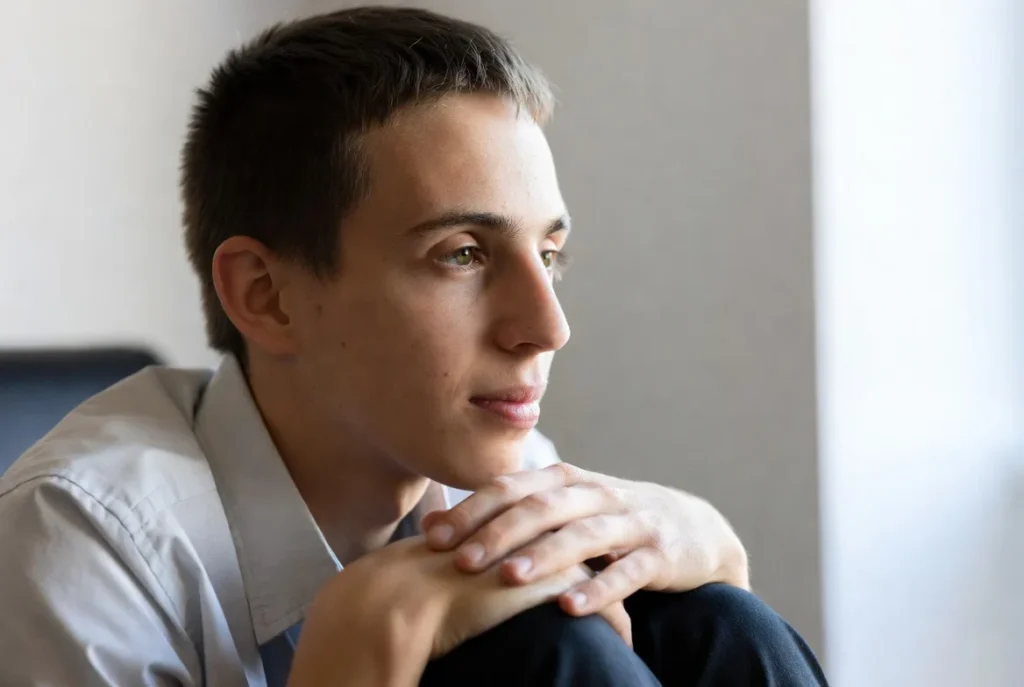
Autism Spectrum Disorder is an umbrella term used to describe a range of neurodevelopmental differences. In the past, clinicians used specific labels like Asperger’s Syndrome or PDD-NOS. However, the current DSM-5 classification has consolidated these into one single spectrum.
This “spectrum” concept is often misunderstood. It does not move in a straight line from “low” to “high” functioning. Instead, it is more like a color wheel where an individual might have high support needs in sensory processing but low support needs in verbal communication. Autism is a lifelong condition that begins in early childhood, even if it isn’t identified until much later.
The 3 Core Areas of Autism Symptoms
When clinicians ask, “What are the 3 main symptoms of autism?” they are looking for specific markers in three diagnostic domains. To receive a formal diagnosis, an individual must show differences in each of these areas.
a. Social Communication and Interaction
This involves how a person shares thoughts, feelings, and social space with others. It includes difficulty reading non-verbal cues (like body language or sarcasm) and challenges in maintaining the back-and-forth flow of typical conversation.
b. Restricted or Repetitive Behaviors
This domain covers the need for “sameness.” It includes repetitive physical movements (stimming), an intense adherence to daily routines, and highly fixed, deep interests in specific subjects that may seem unusual in their intensity.
c. Sensory Processing Differences
Most autistic individuals experience the world’s sensory input differently. This might mean being hypersensitive (over-reactive) to sounds or textures, or hyposensitive (under-reactive), such as having an unusually high pain tolerance or a need for intense physical input like spinning.
Most Common Symptoms of Autism
Beyond the core triad, there is a full list of autism symptoms that shape daily life. While no two autistic people are the same, these 12 behaviors of autism are frequently observed across the spectrum.
Top 7 Signs of Autism Checklist
- Eye Contact Differences: Avoiding eye contact or finding it physically uncomfortable/distracting.
- Stimming: Repetitive movements like hand-flapping, rocking, or spinning objects to regulate the nervous system.
- Literal Thinking: Difficulty understanding idioms (e.g., “break a leg”) or subtle sarcasm.
- Need for Routine: Extreme distress when a planned schedule changes unexpectedly.
- Special Interests: Deep, encyclopedic knowledge and focus on specific topics (trains, space, a specific era of history).
- Sensory Overload: Feeling “flooded” by noisy environments, bright lights, or strong smells.
- Social Fatigue: A desperate need for solitude after spending time in social settings.
These characteristics of autism often coexist with a high level of integrity, a unique eye for detail, and a deep sense of justice. Understanding the “signs and symptoms of the flu” or a cold is temporary; understanding autism is about recognizing a permanent neurological architecture
Common Symptoms of Autism in Children
Recognizing signs of autism in children early can be life-changing, as it opens the door to supportive therapies that respect the child’s neurobiology.
Signs of Autism in Toddlers (Age 2)
By age two, developmental milestones provide significant clues. Common symptoms of autism in toddlers include:
- Limited Pointing: Not pointing at objects to show interest or share an experience.
- Response to Name: Not consistently looking when their name is called, despite having normal hearing.
- Regression: Losing words or social skills they previously had.
- Limited Pretend Play: Preferring to line up toys or spin wheels rather than engaging in “make-believe” play.
Signs of Autism in Toddlers (Age 3)
As children reach age three, social differences become more apparent. You might notice:
- Parallel Play Preference: Wanting to play near other children but not with them.
- Speech Patterns: Using “echolalia” (repeating phrases from movies or others) rather than spontaneous speech.
- Intense Attachments: Carrying a specific, unusual object (like a piece of string or a specific toy) at all times.
At what age can autism be detected? Reliable screening can occur as early as 18 to 24 months. Early intervention doesn’t “change” the child but helps them navigate a world not built for their sensory needs.
Common Symptoms of Autism in Girls
For decades, girls were often left out of the autism conversation. We now know that common symptoms of autism in girls are frequently “internalized.”
Girls are often better at masking, observing, and imitating their peers to fit in. They may have special interests that appear more “socially acceptable,” such as an intense focus on animals, a specific book series, or celebrities, which masks the intensity of the interest. In my work, I see many girls who are “perfectly behaved” at school but experience massive “meltdowns” at home because they have exhausted their energy stores masking all day.
Common Symptoms of Autism in Adults

The rise in adult autism diagnoses has revealed that many people have been “white-knuckling” through life without knowing why. What are the common symptoms of autism in adults?
In adulthood, symptoms often manifest as:
- Workplace Friction: Being seen as “too blunt” or struggling with office politics.
- Executive Functioning Issues: Difficulty with “boring” tasks like paying bills or organizing a kitchen, despite being highly intelligent.
- Burnout: Frequent cycles of total exhaustion and inability to function after periods of high social or sensory demand.
- Social Disconnect: Feeling like an “alien” or an observer in social groups.
Signs of mild autism in adults (historically called high-functioning) often involve a high level of professional success but significant private struggle with sensory and social overwhelm.
Less Common Symptoms of Autism
While most people recognize “stimming” or social avoidance, there are several less common symptoms of autism that are deeply significant to the autistic experience but rarely discussed in general overviews.
- Alexithymia: This is a difficulty in identifying and describing one’s own emotions. An autistic person may feel “bad” or “tight” physically but struggle to know if they are feeling anxious, sad, or angry.
- Gastrointestinal Differences: Chronic GI issues are significantly more common in autistic individuals, likely linked to the gut-brain axis and high levels of systemic stress.
- Sleep Disturbances: Many autistic people have a “delayed sleep phase,” making it difficult to fall asleep before the early hours of the morning.
- Motor Coordination Issues: Sometimes called “clumsiness,” this involves challenges with proprioception (knowing where your body is in space) and fine motor skills like handwriting.
- Hyperlexia: An advanced ability to read at a very young age, often accompanied by a struggle to comprehend the social context of what is being read.
What Is 90% of Autism Caused By?
When parents or newly diagnosed adults ask, “What is 90% of autism caused by?” they are looking for a definitive answer to a complex question. Current research indicates that the vast majority of autism (estimated between 80% and 90%) is caused by genetic factors.
It is important to clarify:
- Not Vaccines: Extensive global studies have debunked any link between vaccines and autism.
- Polygenic Nature: It is rarely a single “autism gene.” Instead, it is a complex combination of hundreds of small genetic variations that affect brain development.
- Environmental Factors: While genetics plays the leading role, researchers are also looking at prenatal factors, such as maternal immune activation or advanced parental age.
How Autism Differs from Other Mental Health Conditions
In my practice, I often see patients who have been misdiagnosed for years. When looking at the common symptoms of mental illness, it is easy to confuse autism with other conditions because the “outward” behavior looks similar.
- Autism vs. Social Anxiety: A person with social anxiety knows the social rules but is afraid of judgment. An autistic person may not know the rules or find them illogical.
- Autism vs. ADHD: There is a 50–70% overlap between these two. Both involve executive dysfunction, but ADHD is primarily about attention regulation, while autism is about social and sensory processing.
- Autism vs. OCD: Both involve repetitive behaviors. However, in OCD, the behaviors are “ego-dystonic” (the person doesn’t want to do them), whereas in autism, stimming is often “ego-syntonic” (it feels good or provides relief).
Diagnosis and Screening: At What Age Can Autism Be Detected?
The path to a diagnosis varies significantly depending on age. At what age can autism be detected? While subtle signs appear in infancy, a reliable diagnosis can usually be made by age two.
Screening for Children
Pediatricians use tools like the M-CHAT-R (Modified Checklist for Autism in Toddlers) during 18- and 24-month checkups. If a child shows “red flags,” they are referred for a full evaluation, which usually involves the ADOS-2 (Autism Diagnostic Observation Schedule), the “gold standard” for observing social communication.
Adult Autism Diagnosis (The Late Diagnosis Trend)
We are currently seeing a massive surge in adults seeking evaluations. This isn’t because autism is “contagious,” but because our diagnostic criteria have finally caught up with the reality of masking.
An adult evaluation is more conversational. It involves a deep dive into your childhood history (did you line up your cars instead of racing them?) and your current sensory needs. For many, a late diagnosis is a “missing puzzle piece” that explains a lifetime of social fatigue and burnout. It allows adults to stop trying to “fix” themselves and start accommodating their neurodivergent needs.
Frequently Asked Questions
What are the 3 main symptoms of autism?
The core symptoms are persistent differences in social communication, restricted or repetitive patterns of behavior (including “stimming”), and atypical sensory processing (over- or under-sensitivity).
What are the 7 signs of autism?
Common signs include avoiding eye contact, repetitive movements, an intense need for routine, delayed speech, deep focus on specific interests, sensory overwhelm, and difficulty interpreting social cues or “unwritten rules.”
At what age can autism be detected?
Autism can be reliably detected by age two (24 months), though many parents notice the first signs—such as a lack of pointing or response to their name—by 18 months.
What are the characteristics of autism?
Autism characteristics include a unique communication style, a preference for sameness, sensory sensitivities, and a bottom-up processing style where the brain focuses on details before seeing the “big picture.”
How do I know if I have autism?
If you have felt socially “different” since childhood, experience sensory overload, and find comfort in intense, specific routines or interests, you may be autistic. A clinical evaluation is the only way to receive a formal diagnosis.
Conclusion
Identifying the common symptoms of autism is an act of self-advocacy and care. Whether you are noticing that your toddler isn’t responding to their name or you are an adult woman wondering why you feel “burnt out” after every social event, these signs are meaningful.
Autism is a diverse, lifelong neurological profile. While it brings challenges in a world designed for neurotypical people, it also brings incredible strengths in focus, pattern recognition, and authenticity. If these descriptions resonate with you, remember that you don’t have to navigate the spectrum alone. Seeking a professional evaluation or connecting with the neurodivergent community can transform “feeling broken” into “being understood.”
References & Authoritative Sources

Related Posts





MORE from Author
Read More As a physician, I regularly see patients who are utterly exhausted from poor sleep. When you are desperately scrolling online…
 Deciding to improve your health is incredibly empowering, but figuring out exactly how to start a healthy lifestyle can quickly…


- Hey, there. Let's talk about something we all want but struggle to achieve: vibrant, long-term health. These days, figuring out…
 Every week in my clinical practice, patients ask me the same desperate question: "Doc, how do I actually prevent a…