
Common Symptoms of Bronchitis in Adults and Children
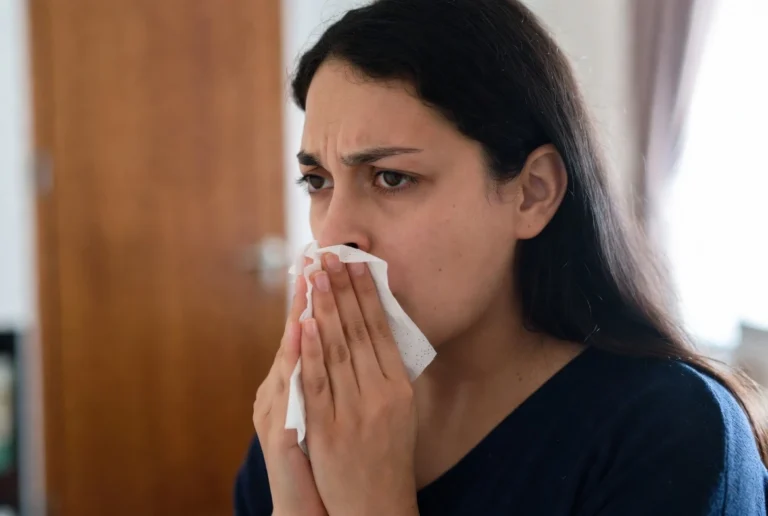
What are the most common symptoms of bronchitis? The primary indicators are a hacking cough, mucus production, and chest soreness. Early signs of bronchitis in adults often mimic a cold, but the hallmark is a persistent “chest cough” that lingers for weeks.
Most cases are viral and resolve with rest and hydration. However, you should seek immediate help for high fever, blood in phlegm, or severe breathlessness. Understanding the stages of bronchitis helps you track recovery and spot complications like pneumonia early.
What Is Bronchitis?
Bronchitis is the inflammation of the bronchial tubes, which are the main airways carrying oxygen to your lungs. When these tubes become irritated, they swell and produce excess mucus, making it harder to breathe.
In my clinical practice, I often encounter patients who mistake this inflammation for a simple upper respiratory infection. However, what is bronchitis in a clinical sense involves a deeper irritation of the lower respiratory tract than a standard cold.
There are two primary forms. Acute bronchitis is a short-term infection, usually following a virus. Chronic bronchitis is a long-term, serious condition often linked to smoking and is a component of Chronic Obstructive Pulmonary Disease (COPD).
What Does Bronchitis Look Like?
To understand what bronchitis looks like, you have to look at the mucus. As the bronchial lining swells, it produces thick phlegm. This mucus can be clear, white, yellowish-gray, or even green.
I once interviewed a patient named James who thought his “smoker’s cough” was just part of his routine. When his mucus turned dark green,n and he felt a “heavy” sensation in his chest, he realized his bronchial tubes were in crisis.
What Are the Symptoms of Bronchitis?
The common symptoms of bronchitis are diverse, affecting your energy levels and respiratory ease. Because the inflammation restricts airflow, your body has to work much harder to obtain oxygen.
Top 5 Bronchitis Symptoms
If you are wondering what common symptoms of bronchitis are, these five are the most frequent:
- Persistent Cough: The most common symptom of bronchitis, often lasting 10 to 20 days.
- Mucus Production: Coughing up clear, yellow, or green phlegm.
- Fatigue: A deep, physical exhaustion caused by the body’s immune response.
- Shortness of Breath: Feeling winded after light exertion or even while resting.
- Chest Discomfort: A feeling of tightness, soreness, or pressure behind the breastbone.
Full List: Common Symptoms of Bronchitis
Beyond the core cluster, there are several other signs that you have bronchitis. These can impact your entire body as the infection peaks.
- Wheezing: A whistling sound when you breathe out.
- Sore Throat: Often caused by the physical irritation of constant coughing.
- Nasal Congestion: Common in viral cases where the infection started in the sinuses.
- Bronchitis Headache: Sinus pressure and coughing fits can lead to a dull, throbbing headache.
- Body Aches: General muscle soreness similar to the flu.
- Weakness and Dizziness: Bronchitis, feeling weak and dizzy,y is often a result of dehydration and the strain of coughing.
What Are the Stages of Bronchitis?
Understanding the stages of bronchitis helps you manage expectations for recovery. Many patients feel frustrated when a cough lingers, but the respiratory lining takes time to heal.
Stage 1: Early Infection
During the first few days, you may have a runny nose, sore throat, and a dry cough. These early signs of bronchitis in adults are indistinguishable from a common cold.
Stage 2: Active Inflammation
This is the “chest” phase. The cough becomes productive, and you may feel chest discomfort. This is when symptoms of acute bronchitis are most severe, often lasting 5 to 7 days.
Stage 3: The Lingering Recovery
While the infection may be gone, the inflammation remains. This is when the post-viral cough persists. How long does an upper respiratory (chest cough) last? In this stage, it can go on for three weeks or more.
How Does Someone Get Bronchitis?
How does someone get bronchitis? In approximately 90% of acute cases, the cause is viral—the same viruses that cause the common cold or the flu.
However, there are other ways how does one can get bronchitis. Bacterial infections can trigger it, though this is less common. Environmental factors like smoking, air pollution, and inhaling chemical fumes are significant triggers.
How does bronchitis develop? It begins when these irritants bypass your nose and throat, reaching the bronchial tubes. The body’s immune system responds with inflammation and mucus to “trap” the invaders, leading to the symptoms we recognize.
Is Bronchitis Contagious?
This is a critical question for families: Is bronchitis contagious? The answer depends on the cause.
If a virus or bacteria causes the illness, yes, it is contagious. You can spread the infection through respiratory droplets when you cough or sneeze. You are typically contagious for as long as you have “cold-like” symptoms.
However, chronic bronchitis is not contagious. Since it is usually caused by long-term lung damage from smoking or pollutants, you cannot spread it to others. Regardless, maintaining good hygiene and handwashing is the best way to prevent the spread of respiratory illness.
Bronchitis vs Pneumonia
It is vital to distinguish between these two, as pneumonia is significantly more dangerous. While bronchitis affects the airways, pneumonia is an infection in the air sacs (alveoli).
| Feature | Bronchitis | Pneumonia |
| Fever | Usually mild | Often high (over 101°F) |
| Chest Pain | Dull soreness/tightness | Sharp or stabbing pain |
| Cough | Productive with mucus | Can be dry or very thick |
| Breathlessness | Mild to moderate | Often severe |
| X-ray | Usually clear | Shows “shadows” or fluid |
If your fever spikes or you feel a sharp pain when taking a deep breath, you may have moved beyond bronchitis. A clinical exam is necessary to rule out fluid in the lungs.
Bronchitis in Adults vs Children
The common symptoms of bronchitis in adults often center on productivity and stamina. However, for children, the experience can be more intense. Their airways are smaller, meaning even minor inflammation can cause significant distress.
What is bronchitis in children? In younger kids, this is often called bronchiolitis. Parents should look for “retractions,” where the skin sucks in around the ribs or neck during breathing. This is a sign that the child is working too hard to get air.
Children also tend to run higher fevers than adults during the early stages. If your child is unusually irritable, refuses to eat, or has a whistling sound in their chest, consult a pediatrician immediately. These are the hallmark signs of pediatric respiratory distress.
Is Bronchitis Deadly?
For a healthy adult, the answer is usually no. However, is bronchitis deadly for vulnerable populations? Yes, it can be. In seniors or those with weakened immune systems, it quickly progresses to pneumonia.
The primary risk involves a “secondary infection.” This happens when bacteria settle into the inflamed bronchial tubes. For patients with COPD, a bout of bronchitis can trigger a life-threatening exacerbation of their chronic condition.
In my clinical work, I’ve seen how the psychological stress of “not being able to breathe” can lead to panic. This panic often makes the shortness of breath worse. Staying calm and following a medical plan is essential for a safe recovery.
How Do You Confirm Bronchitis?
How do you confirm bronchitis? A clinician will start by listening to your lungs with a stethoscope. We listen for “rhonchi”—a low-pitched rattling sound that usually clears after you cough.
If your symptoms are severe, your doctor may order a chest X-ray. This isn’t to diagnose bronchitis, but rather to rule out pneumonia. We may also check your oxygen saturation levels using a small finger clip called a pulse oximeter.
In some cases, a sputum culture is performed. This involves testing a sample of your mucus to see if bacteria are present. This helps us decide if you need a bronchitis medication like an antibiotic.
How Long Does an Upper Respiratory (Chest Cough) Last?
One of the most frustrating parts of this illness is the timeline. Many people ask, how long does an upper respiratory (chest cough) last? While the infection might be gone in a week, the cough often stays much longer.
The bronchial tubes are very sensitive after an infection. Cold air, dust, or even talking can trigger a coughing fit. It is completely normal for a post-bronchitis cough to last for three to four weeks.
If the cough lasts longer than a month, it is no longer considered a simple acute case. At that point, your doctor might look for other causes, such as asthma or acid reflux, which can mimic a lingering chest cold.
What Are Common Causes for Spitting Up Blood?
Seeing red in your tissue can be terrifying. What are common causes for spitting up blood during a bout of bronchitis? Usually, it is a sign of extreme irritation in the airway.
Frequent, hard coughing can break tiny blood vessels in the lining of the bronchial tubes. This usually appears as small streaks of bright red blood in your mucus. While common in severe bronchitis, it should always be reported to your doctor.
If you are coughing up large amounts of blood, or if the blood is dark and “clotted,” this is an emergency. It could indicate a more serious lung infection, a blood clot, or even a tumor. Always play it safe with this symptom.
Bronchitis Treatment & Medication
Since most cases are viral, the goal of bronchitis medication is to manage symptoms while your body heals. There is no magic pill to “cure” the virus itself.
- Rest and Fluids: These are the most important treatments.
- OTC Pain Relievers: Ibuprofen or Acetaminophen can help with body aches and fever.
- Bronchodilators: If you are wheezing, an inhaler can help open your airways.
- Mucolytics: These medications help thin the mucus so you can cough it up more easily.
Antibiotics are only used if a bacterial infection is confirmed. Taking them for a virus won’t help and can cause side effects like nausea or “feeling weak and dizzy.”
Does Bronchitis Cause Body Aches or Weakness?
It is very common to feel “beat up” when you have a chest infection. Does bronchitis cause body aches? Yes, it does. Your body uses a massive amount of energy to fight inflammation.
The constant physical act of coughing also strains the muscles in your chest, back, and abdomen. This leads to a feeling of being “sore all over.” Bronchitis, feeling weak and dizzy, is often caused by a combination of fever and mild dehydration.
When to See a Doctor
Most people recover at home, but you must know when to seek professional help. If your cough lasts longer than three weeks or if your mucus is consistently bloody, call your clinic.
Emergency Red Flags:
- A fever over 102°F.
- Severe difficulty breathing or gasping for air.
- Chest pain that feels like pressure or squeezing.
- Blue or gray tint to your lips.
Frequently Asked Questions
What are the symptoms of bronchitis?
The symptoms include a productive cough, chest soreness, fatigue, and occasional wheezing. You might also feel general body aches and a mild fever.
What is the most common symptom of bronchitis?
The most common symptom is a persistent cough that produces clear, yellow, or green mucus. This cough often lingers long after other symptoms disappear.
How long does bronchitis last?
Acute bronchitis usually lasts 10 to 14 days, though the “post-viral” cough can remain for three weeks or more.
Is bronchitis contagious?
If caused by a virus (which 90% are), it is very contagious. Chronic bronchitis caused by smoking is not contagious.
What are 6 signs and symptoms of chronic bronchitis?
Chronic signs include a daily productive cough, frequent respiratory infections, wheezing, shortness of breath, fatigue, and cyanosis (bluish skin).
Conclusion
Navigating the common symptoms of bronchitis requires patience and an understanding of how your body heals. While the persistent cough and chest discomfort can feel overwhelming, most acute cases resolve with dedicated rest and hydration. By recognizing the signs of bronchitis in adults and the unique warning signs in children, you can ensure your family receives the right care at the right time.
Remember that recovery is a gradual process. It is perfectly normal for a “chest cough” to linger for several weeks as your bronchial tubes repair themselves. However, you should never ignore red flags like high fever or blood in your mucus. By avoiding common mistakes in phlegm removal and staying hydrated, you can support your respiratory system’s natural defense mechanisms.
If you are struggling with a cough that simply won’t go away, or if you feel your breathing is becoming more difficult, do not hesitate to reach out to a healthcare provider. Your lung health is a vital pillar of your overall well-being, and proactive care is the best way to breathe easy again.
References & High-Quality Sources:
- Mayo Clinic – Bronchitis Symptoms: mayoclinic.org
- Centers for Disease Control (CDC): cdc.gov/bronchitis
- National Heart, Lung, and Blood Institute: nhlbi.nih.gov
- American Lung Association: lung.org
Related Posts



MORE from Author
Read More Hey, there. Let's talk about something we all want but struggle to achieve: vibrant, long-term health. These days, figuring out…
 In my clinical practice, patients frequently ask me to interpret the data on their smartwatches. They stare at the numbers…


 Do you wake up exhausted after eight hours in bed? You're probably wondering why you still feel tired. The key…
 Every day, physicians in cardiovascular clinics around the world witness the devastation caused by tobacco use. Many patients understand how…