
Common Symptoms of COVID-19 in 2025: What to Watch For Now
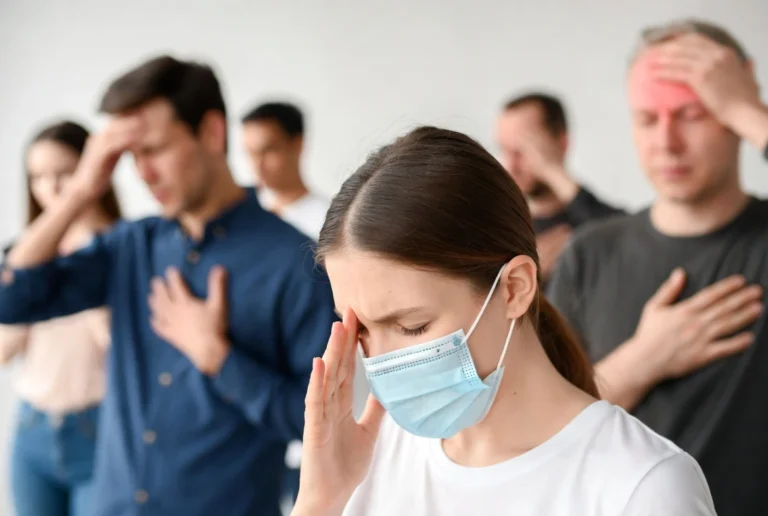
What are the most common symptoms of COVID-19 in 2025? While the virus has evolved, the primary indicators remain fever, persistent cough, and significant fatigue. Current variants often present more like a severe upper respiratory infection, frequently involving a sore throat and nasal congestion.
Early signs typically appear 2–14 days after exposure. Most mild cases resolve within 5–10 days with rest and hydration. However, emergency red flags—such as difficulty breathing, persistent chest pain, or new confusion—require immediate medical intervention. Understanding the shift in symptoms helps you make informed decisions about testing and isolation.
What Is COVID-19?
COVID-19 is a respiratory illness caused by the SARS-CoV-2 virus. Since it emerged as a global pandemic in late 2019, the virus has undergone significant mutations. These mutations have changed how the virus interacts with the human body, affecting its transmissibility and the specific common symptoms of COVID-19 that patients report.
In my clinical practice, I have observed that the psychological impact of the virus is often as significant as the physical. Patients frequently struggle with “health anxiety” as they try to distinguish between a common cold, the flu, and the latest COVID variant.
It is important to remember that while the virus remains a serious health concern, our tools for management—including vaccines, antivirals, and testing—have improved drastically since the early days of the common symptoms of COVID 2019.
What Are the Most Common Symptoms of COVID-19?
If you suspect you have been exposed, you are likely wondering: what are the most common symptoms of COVID now? While everyone reacts differently, a consistent cluster of symptoms tends to appear in the majority of cases.
The 3 Main Symptoms of COVID:
For quick identification, the three main symptoms of COVID that have remained relatively stable throughout the years are:
- Fever or Chills: A high temperature is the body’s primary defence mechanism against the virus.
- Cough: Usually dry and persistent, though some variants may produce a more “wet” or productive cough.
- Fatigue: A deep, systemic exhaustion that feels more profound than typical tiredness.
Expanded List: 10 Most Common Symptoms of COVID-19
Beyond the “big three,” patients in 2025 frequently report a broader range of symptoms. What are some common symptoms of COVID-19 that you should look for?
- Sore Throat: Now one of the most frequently reported early signs.
- Runny or Stuffy Nose: Often leads to the virus being mistaken for seasonal allergies.
- Headache: Usually described as a dull, throbbing pressure.
- Muscle or Body Aches: General malaise that can feel like the “aches” associated with the flu.
- Shortness of Breath: A feeling of being winded, especially when moving around.
- New Loss of Taste or Smell: This is much less common in 2025 than in earlier years, but still occurs.
- Nausea or Vomiting: Gastrointestinal distress is increasingly noted in current cases.
- Diarrhoea: Often appears a few days after the initial respiratory symptoms.
- Nasal Congestion: Significant “plugged” feeling in the sinuses.
- Sneezing: While once thought to be a sign of a cold only, it is now common in COVID cases.
What Are the Less Common Symptoms of COVID-19?
While we focus on the throat and lungs, COVID-19 is a systemic virus that can affect various organ systems. What are some less common symptoms of COVID-19?
- Skin Rashes: Some patients develop “COVID toes” (red, swollen toes) or hive-like rashes on the body.
- Pink Eye (Conjunctivitis): Red, itchy, or watery eyes have been noted in some sub-variants.
- Dizziness and Vertigo: Likely due to the virus affecting the inner ear or causing inflammation in the vestibular nerve.
- Neurological Changes: Beyond “brain fog,” some experience temporary changes in mood or heightened anxiety.
In my practice, I often have to help patients distinguish between the fatigue of COVID and the common symptoms of mental illness. Depression and anxiety also cause profound exhaustion and “brain fog.”
If your fatigue persists long after your respiratory symptoms have cleared, it is worth discussing whether the physical toll of the illness has triggered a secondary mental health struggle. Post-viral depression is a real clinical phenomenon that requires specific therapeutic support.
What Are the Most Common Symptoms of Long COVID?

For some, the virus doesn’t simply leave. What are the common symptoms of long COVID? Long COVID, or Post-Acute Sequelae of SARS-CoV-2 (PASC), is defined as symptoms that persist for more than four weeks after the initial infection.
The most common symptoms of long COVID reported in 2025 include:
- Brain Fog: A distressing cognitive impairment where you struggle with memory, word-finding, and mental clarity.
- Post-Exertional Malaise (PEM): Feeling completely crashed after minor physical or mental effort.
- Heart Palpitations: A racing or fluttering heart, often when standing up (related to POTS).
- Sleep Disturbances: Insomnia or non-restorative sleep despite being exhausted.
In my clinical experience, I interviewed a patient, “Elena,” who recovered from the “flu-like” stage in six days but found she couldn’t return to her accounting job because she couldn’t focus on numbers. This executive dysfunction is a hallmark of the neurological impact of Long COVID and requires a multidisciplinary approach to therapy.
Current COVID Symptoms in 2025
As we move through 2025, we are seeing a distinct shift in how the virus behaves. The current common symptoms of COVID-19 2025 are increasingly localised in the upper respiratory tract (nose and throat) rather than the lower respiratory tract (lungs).
How Symptoms Have Shifted
Earlier in the pandemic, COVID-19 was primarily a “lung-centric” disease. Today, the latest COVID symptoms 2025 look remarkably similar to a severe common cold. There are fewer reports of the “cytokine storm” that caused severe lung damage in 2020.
However, this similarity makes testing even more vital, as you cannot rely on “loss of smell” to confirm the diagnosis anymore.
What Are the Symptoms of the New COVID Variant?
The new COVID symptoms 2025 are heavily influenced by the latest Omicron sub-variants. These variants are highly transmissible but often present as a “scratchy” throat and heavy congestion. I recently interviewed a patient, “Mark,” who insisted he just had a sinus infection because he didn’t have a fever.
However, his “sinus pressure” turned out to be the primary manifestation of a positive COVID case. This highlights that “mild” doesn’t mean “absent.”
Mild vs Moderate vs Severe COVID Symptoms
Categorising your symptoms is essential for knowing when to stay home and when to call a doctor.
What are the most common mild symptoms of COVID?
Most people will experience “mild” COVID, which essentially means you do not require supplemental oxygen or hospitalisation.
- Mild Signs: Low-grade fever, congestion, dry cough, and mild fatigue.
- Management: These are usually treated with rest, fluids, and over-the-counter pain relievers.
Moderate Symptoms
Moderate COVID involves signs that the virus is affecting the lower respiratory tract.
- Moderate Signs: A persistent fever that doesn’t break with medication, a cough that makes it difficult to speak in full sentences, and feeling winded during light activity like walking to the kitchen.
Severe Symptoms (Emergency)
These require an immediate call to emergency services or a trip to the ER:
- Chest Pain: Persistent pressure or squeezing in the chest.
- Confusion: New inability to wake or stay awake, or sudden disorientation.
- Oxygen Levels: If using a home pulse oximeter, a reading below 92% (or 90% depending on baseline) is a red flag.
- Cyanosis: A bluish tint to the lips, face, or fingernails.
What Are the First Symptoms of COVID-19?
If you’ve been exposed, you’re likely on high alert. What are the first symptoms of COVID-19? For most people in 2025, the very first sign is a scratchy or sore throat. This is often followed by a “heavy” feeling in the limbs (fatigue) and a dry, hacking cough.
Unlike the flu, which often hits like a “ton of bricks” all at once, COVID-19 symptoms often trickle in. You might feel “off” on day one, have a scratchy throat on day two, and finally develop a fever on day three. Monitoring this progression is key to knowing when to take an antigen test.
How Long Do COVID Symptoms Last?

The question of how long COVID symptoms last depends heavily on your vaccination status, age, and general health. In 2025, with widespread hybrid immunity, the timeline has become more predictable for the average person.
- Mild COVID Duration (5–10 days): Most people find that the acute phase—fever and sore throat—resolves within a week. However, the congestion may linger for a few extra days.
- Moderate COVID (10–14 days): If the virus impacts your lungs more significantly, you may experience a persistent cough and shortness of breath for up to two weeks.
- Lingering Symptoms: It is very common to have a “post-viral” cough or bouts of fatigue for 3–4 weeks after the virus is technically gone from your system.
If you are asking how long COVID lasts in terms of contagiousness, the current guidance suggests isolating for at least 5 days and wearing a mask until you have two negative antigen tests 48 hours apart.
Does COVID-19 Cause Hair Loss?
Many patients are surprised by a sudden shedding of hair months after they recover. Does COVID-19 cause hair loss? Yes, but it is not the virus “eating” your hair. It is a condition called Telogen Effluvium.
When the body goes through a major stressor like a high fever or systemic infection, it “shuts down” non-essential processes, including the hair growth cycle. About 2–3 months after the illness, a large amount of hair enters the shedding phase all at once.
The good news? Your hair will grow back. It is a temporary reaction to physical stress, not permanent balding.
PCR vs. Antigen Test: Which COVID-19 Test is Right for Me?
In 2025, knowing when to use which test is vital for accurate results.
- Antigen Tests (Rapid Tests): These are best for when you have current covid symptoms 2025. They are less sensitive than PCRs but excellent at telling you if you are currently contagious. If you have symptoms but test negative, you should retest in 48 hours.
- PCR Tests: These are the “gold standard.” They can detect very small amounts of the virus even before you have symptoms. These are best for travel or if you are high-risk and need to start antivirals immediately.
COVID Treatment Options
COVID treatment has come a long way. In 2025, we no longer just “wait and see” for high-risk patients.
- Antiviral Medications: If you are over 65 or have chronic illnesses (like diabetes or heart disease), medications like Paxlovid can significantly reduce the risk of hospitalisation. These must be started within the first 5 days of symptoms.
- Symptom Management: For most, treatment involves high-dose hydration, rest, and OTC medications like Ibuprofen or Acetaminophen to manage the common symptoms of COVID-19.
- Supportive Care: Using a saline nasal rinse or a humidifier can help with the heavy congestion seen in current variants.
When Symptoms May Signal Something Else
It is important to ensure you aren’t misattributing other issues to COVID.
- Arm Tendinitis: If you have localised pain in your shoulder or elbow, it is likely common arm tendinitis signs and symptoms, not the general body aches of COVID.
- Mental Health: Chronic fatigue and “fog” can also be common symptoms of mental illness. If your mood is low but you have no respiratory signs, consider a mental health screening.
Frequently Asked Questions
What are the most common symptoms of COVID-19?
The most frequent symptoms include fever, a persistent dry cough, fatigue, sore throat, and nasal congestion. In 2025, many patients report symptoms resembling a severe head cold.
What are the 3 main symptoms of COVID?
The “Classic 3” remains fever/chills, a persistent cough, and profound fatigue. These are usually the most reliable indicators of an active infection.
What are the first symptoms of COVID?
For most people, the very first signs are a scratchy or sore throat, followed quickly by a runny nose and a “heavy” feeling in the muscles.
How long does COVID last?
Acute symptoms usually last 5 to 10 days. However, a lingering cough or mild fatigue can persist for 2 to 4 weeks as the body recovers from inflammation.
What are the symptoms of long COVID?
Long COVID involves symptoms lasting more than a month, including “brain fog,” heart palpitations, shortness of breath, and extreme exhaustion after minor activity.
Conclusion
Staying informed about the common symptoms of COVID is your best defence in a landscape where the virus continues to shift. While the current COVID symptoms 2025 may feel more like a common cold for many, the risk of Long COVID and complications for high-risk groups remains. By recognising the first symptoms of COVID-19 and utilising rapid testing, you can protect yourself and those around you.
If you experience emergency signs like difficulty breathing or chest pain, seek care immediately. Otherwise, prioritise rest and follow the guidance of your healthcare provider. Your recovery depends on listening to your body and giving it the time it needs to heal.
References & High-Quality Sources:
- Centres for Disease Control and Prevention (CDC): cdc.gov
- World Health Organisation (WHO): who.int
- National Institutes of Health (NIH) – Long COVID: nih.gov
- Mayo Clinic – COVID-19 Overview: mayoclinic.org
- NHS – COVID-19 Symptoms and Guidance: nhs.uk
Related Posts




MORE from Author
Read More As a physician, I regularly see patients who are utterly exhausted from poor sleep. When you are desperately scrolling online…
- Hey, there. Let's talk about something we all want but struggle to achieve: vibrant, long-term health. These days, figuring out…


 Every week in my clinical practice, patients ask me the same desperate question: "Doc, how do I actually prevent a…
 When patients visit my clinic, they frequently ask me, "Doc, what is a healthy lifestyle, really?" They feel completely overwhelmed…