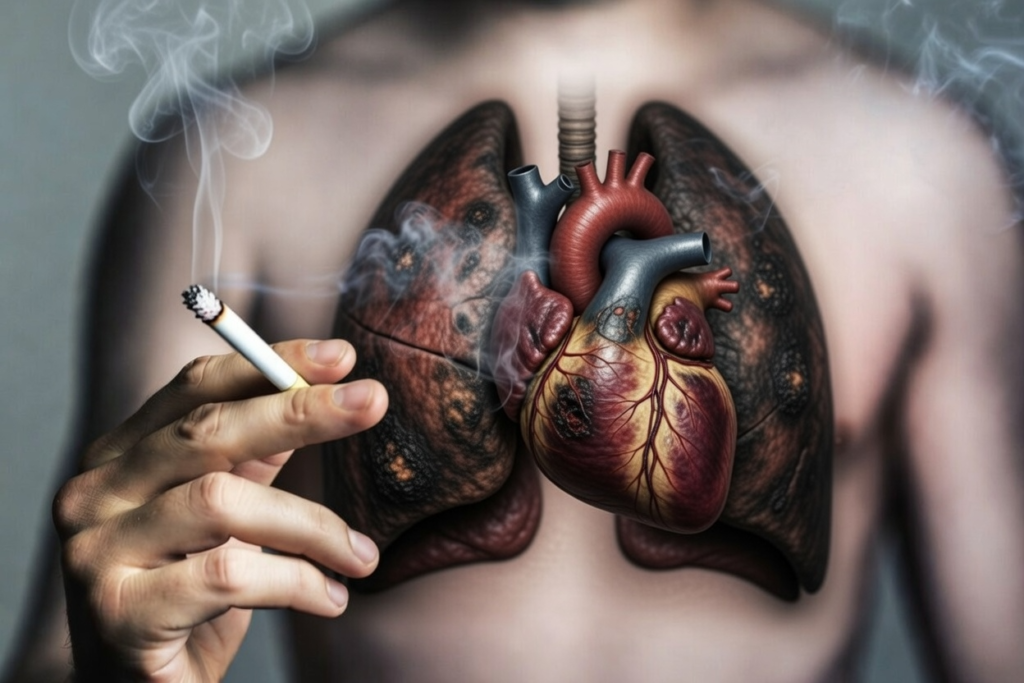
Common Symptoms of Depression: Signs, Types & When to Get Help

What are the most common symptoms of depression? Clinical depression is characterized by a persistent low mood, loss of interest in activities (anhedonia), fatigue, sleep disturbances, and significant changes in appetite or weight.
According to the DSM-5 criteria, an individual must experience at least five symptoms for a minimum of two weeks to be diagnosed with Major Depressive Disorder. Early warning signs often include irritability, withdrawal, and difficulty concentrating. If you or a loved one experiences thoughts of self-harm or severe functional impairment, seek immediate help via the 988 Lifeline.
Understanding Clinical Depression
Depression is far more than a “bad mood” or a temporary reaction to life’s challenges. While sadness is a natural human emotion, clinical depression—or Major Depressive Disorder—is a pervasive medical condition that affects the chemistry of the brain. The World Health Organization (WHO) currently recognizes depression as a leading cause of disability worldwide, impacting over 280 million people.
In my clinical practice, I often explain to patients that depression is like an invisible fog that alters how they think, feel, and handle daily activities. It is not a sign of weakness or a character flaw. It is a biological and psychological state that requires evidence-based intervention.
To distinguish between sadness and clinical depression, we look for “duration” and “intensity.” If your low mood lasts most of the day, nearly every day, for at least two weeks, it likely meets the threshold for a depressive disorder.
What Are the Most Common Symptoms of Depression?
When people ask, “What are the common symptoms of depression?” they are often looking for a baseline to compare their own feelings. While every individual’s experience is unique, there are specific “anchor” symptoms that appear across most cases of Major Depressive Disorder.
5 Common Symptoms of Depression
If you are assessing your mental health, consider these five primary markers:
- Persistent Low Mood: Feeling sad, empty, or hopeless for the majority of the day.
- Anhedonia: A marked loss of interest or pleasure in all, or almost all, activities you used to enjoy.
- Fatigue: A near-constant state of low energy or “heaviness” that makes small tasks feel insurmountable.
- Sleep Disturbances: This can include insomnia (difficulty sleeping) or hypersomnia (sleeping too much).
- Appetite or Weight Changes: Significant weight loss or gain unrelated to dieting, or a daily change in appetite.
What are two common symptoms of major depression? In almost all clinical settings, the first two listed—depressed mood and anhedonia—are considered the essential “gateway” symptoms for a diagnosis.
The Symptoms of Depression (DSM-5 Criteria Breakdown)
The Diagnostic and Statistical Manual of Mental Disorders, 5th Edition (DSM-5), provides the gold standard for clinical diagnosis. While many people search for “the 17 symptoms of depression,” the DSM-5 specifically highlights nine core categories. However, these categories often branch into sub-symptoms, creating a broader list of signs.
These are the symptoms of major depression according to clinicians:
- Depressed mood: Indicated by subjective report (feeling sad) or observation by others.
- Diminished interest: Losing the “spark” for hobbies, sex, or social interaction.
- Significant weight/appetite change: A change of more than 5% of body weight in a month.
- Psychomotor agitation or retardation: Feeling “on edge” or moving and speaking so slowly that it’s noticeable to others.
- Fatigue or loss of energy: Feeling physically drained without physical exertion.
- Feelings of worthlessness: Excessive or inappropriate guilt, which may be delusional.
- Diminished ability to think: Indecisiveness or inability to concentrate.
- Recurrent thoughts of death: Suicidal ideation with or without a specific plan.
To meet the criteria for Major Depressive Disorder, a person must exhibit at least five of these symptoms concurrently for two weeks, and at least one of the symptoms must be either depressed mood or loss of interest.
Common Signs and Symptoms of Depression by Population

Depression does not look the same in everyone. Biological sex, age, and developmental stage play massive roles in how symptoms manifest. In my experience, missing these nuances is the primary reason depression goes undiagnosed in specific groups.
Common Symptoms of Depression in Teens
What are common symptoms of depression in teens? Unlike adults, adolescents often exhibit irritability rather than overt sadness. A depressed teen might be hostile, grumpier than usual, or prone to sudden outbursts.
I recently worked with a teen named “Alex” whose parents thought he was just being “difficult.” Alex wasn’t crying in his room; he was failing classes he used to love and getting into arguments at the dinner table. When we looked closer, his irritability was a mask for deep-seated feelings of worthlessness.
Other signs in teens include social withdrawal (spending excessive time online instead of with friends) and extreme sensitivity to criticism.
Symptoms of Depression in Women
Women are nearly twice as likely as men to be diagnosed with depression. Symptoms of depression in women are often influenced by hormonal shifts. This includes Premenstrual Dysphoric Disorder (PMDD) and postpartum depression.
What are common symptoms of postpartum depression? Beyond the “baby blues,” women may feel a lack of connection to their baby, severe anxiety, or intrusive thoughts about harm. In general, women also tend to experience “anxiety overlap” more frequently, manifesting as rumination—looping negative thoughts that are difficult to stop.
Symptoms of Depression in Men
Men are frequently underdiagnosed because they are socially conditioned to hide “vulnerability.” Instead of reporting sadness, symptoms of depression in men often manifest as:
- Anger and Escapism: Burying themselves in work or sports.
- Substance Misuse: Using alcohol or drugs to self-medicate the internal “numbness.”
- Risk-taking: Engaging in reckless driving or unsafe behavior.
- Physical Pain: Reporting backaches or digestive issues rather than emotional distress.
Common Symptoms of Depression in Older Adults
In seniors, depression is often misattributed to aging or cognitive decline. Common symptoms of depression in older adults include memory problems, personality changes, and physical aches. They may complain of “fatigue” rather than “sadness.” It is vital to screen for depression in seniors who have recently lost a spouse or are dealing with chronic illness.
Common Symptoms of Depression and Anxiety
It is rare to see depression in a vacuum. Approximately 60% of people with depression also experience symptoms of an anxiety disorder. Common symptoms of depression and anxiety overlap in several key areas:
| Symptom | Depression Manifestation | Anxiety Manifestation |
| Sleep | Staying in bed, unable to wake | Lying awake, racing thoughts |
| Concentration | “Brain fog,” lack of care | Over-focusing on threats |
| Irritability | Low frustration tolerance | Nervous tension/agitation |
| Physical | Slowed movements, heaviness | Heart racing, sweating |
The primary difference lies in the “energy” of the emotion. Anxiety is a high-energy state (dread, fear), while depression is typically a low-energy state (despair, numbness).
Less Common Symptoms of Depression
Sometimes, depression hides in the body. Less common symptoms of depression include chronic physical pain, such as headaches or digestive upset, that does not respond to medical treatment.
Could Sleep Problems Be an Overlooked Symptom?
Many people view sleep as a byproduct of mood, but it is actually a core component. Chronic insomnia can trigger neurochemical changes that lead to depression. Conversely, “hypersomnia”—sleeping 10 or more hours but still feeling exhausted—is a hallmark of atypical depression.
Somatic Complaints: The “Top of Head” Headache
I often have patients ask, “What is causing the headache at the top of my head?” While this should always be checked by a physician, tension-type headaches centered at the vertex (top) of the head are frequently associated with extreme psychological stress and suppressed depressive affect.
How Do I Know If I Have Depression?
Many individuals struggle for months before asking, “How do I know if I have depression?” because they wait for a “rock bottom” moment that may never come. Clinical depression often manifests as a slow erosion of your functional capacity.
In my practice, I suggest looking for these 5 signs you are depressed in your daily routine:
- The “Lead-Heavy” Feeling: Your limbs feel physically weighted down, making simple tasks like showering feel like a marathon.
- Social Friction: You find yourself canceling plans not because you are busy, but because the thought of “performing” a happy version of yourself is exhausting.
- Executive Dysfunction: You struggle to make simple decisions, like what to eat for dinner or which email to answer first.
- Altered Perception: You view your past with regret, your present with boredom, and your future with hopelessness.
- Functional Impairment: Your work performance is slipping, or your home environment is becoming neglected.
If you recognize these symptoms of being depressed, it is time to move beyond self-screening. While tools like the PHQ-9 (Patient Health Questionnaire) are excellent for identifying trends, they do not replace a clinical interview with a psychologist or psychiatrist.
What Causes Depression?
Understanding what causes depression is vital for removing the stigma of “weakness.” Depression is a multi-factorial condition involving a complex interplay of biology and environment.
- Genetic Vulnerability: Having a first-degree relative with depression triples your risk, suggesting a hereditary component in brain chemistry regulation.
- Neurobiology: Issues with neurotransmitters like serotonin, dopamine, and norepinephrine disrupt the brain’s “reward” and “mood” circuits.
- Neuroplasticity and Trauma: Chronic stress or early life trauma can actually shrink the hippocampus—the part of the brain responsible for memory and emotion—making it harder to regulate mood.
- Medical Illness: Chronic pain, thyroid disease, or heart disease can trigger depressive episodes through both physiological stress and lifestyle limitations.
What does it mean if you have a major depressive disorder? It means your brain’s “thermostat” for mood is stuck in the cold position. It requires external “recalibration” through therapy, medication, or lifestyle changes.
What Are the Different Types of Depressive Disorders?
Not all depression looks the same. Identifying the specific type is crucial because the treatment for one may not work for another.
Major Depressive Disorder (MDD)
This is the “classic” form of depression. It involves intense episodes that last at least two weeks and significantly interfere with work, sleep, and eating.
Persistent Depressive Disorder (Dysthymia)
This is a chronic, lower-grade depression that lasts for two years or more. While the symptoms are less severe than MDD, their long-term nature can be just as debilitating.
Seasonal Affective Disorder (SAD)
This type is triggered by the change in seasons, usually beginning in late fall. It is closely linked to circadian rhythms and the lack of sunlight, which disrupts melatonin and serotonin production.
Bipolar Depression
It is critical to distinguish bipolar depression from MDD. In bipolar disorder, the individual cycles between deep “lows” and manic “highs.” Treating bipolar depression with standard antidepressants alone can sometimes trigger a manic episode.
Major Depressive Disorder Symptoms Explained

When we deep dive into major depressive disorder symptoms, we look for a specific threshold. Unlike “situational depression”, which might occur after a breakup, MDD often persists even when life circumstances are objectively “good.”
The hallmark is the duration (nearly every day) and intensity (prevents normal functioning). For example, a person with MDD doesn’t just “feel blue” about a mistake at work; they may become convinced they are a total failure who deserves to be fired, leading to a paralyzing inability to even show up for their shift.
Antidepressant Side Effects: A Safety Overview
If you and your doctor decide on medication, it is important to understand the main side effects of antidepressants. Most side effects are temporary and occur during the first two weeks as your brain adjusts to the new chemical levels.
| Common Side Effect | Description | Management |
| Nausea | Mild stomach upset after the first few doses | Take medication with food |
| Sleep Disturbance | Difficulty falling asleep or feeling drowsy | Adjust the time of day you take the pill |
| Sexual Dysfunction | Decreased libido or difficulty reaching orgasm | Discuss “dosage adjustment” with your doctor |
| Weight Changes | Slight increase or decrease in appetite | Monitor diet and stay active |
Frequently Asked Questions
What are 5 common symptoms of depression?
The five most frequent signs are persistent sadness, loss of interest in hobbies (anhedonia), chronic fatigue, changes in sleep patterns (insomnia or oversleeping), and appetite fluctuations.
How do I know if I have depression?
You may have depression if your symptoms last for more than two weeks and interfere with your ability to work, socialize, or care for yourself. A clinical evaluation is the only way to be sure.
What are common symptoms of depression in teens?
In adolescents, depression often looks like irritability, hostility, or extreme sensitivity to criticism rather than just sadness. Academic decline and social withdrawal are also major red flags.
What are two common symptoms of major depression?
The two essential diagnostic symptoms are a depressed mood for most of the day and a significant loss of interest or pleasure in almost all activities.
What causes depression?
Depression is caused by a combination of genetic factors, brain chemistry imbalances, hormonal changes, and life stressors or trauma that affect how the brain regulates emotion.
Conclusion
Understanding the common symptoms of depression is the first step toward reclaiming your life from the “invisible fog.” As we have explored, depression is a complex, multi-faceted condition that transcends simple sadness, affecting everything from your executive function to your physical energy levels. Whether you are identifying signs of depression in teens or navigating the unique manifestations in women and seniors, recognizing these patterns early is essential for effective intervention.
In my clinical experience, the most powerful tool against depression is the move from isolation to connection. Identifying with the DSM-5 criteria or recognizing the 5 signs you are depressed is not meant to label you, but to provide a roadmap for recovery. Depression is a treatable medical condition, and with the right combination of therapy, lifestyle adjustments, and—when necessary—medication, the brain’s neuroplasticity allows for profound healing.
If you find that the weight of these symptoms is making daily life feel insurmountable, do not wait for the “perfect time” to seek support. Reach out to a mental health professional today. Your symptoms do not define your character, and they certainly do not have to define your future.
References & Authoritative Sources:
- American Psychiatric Association (APA) – DSM-5-TR: psychiatry.org
- National Institute of Mental Health (NIMH): nimh.nih.gov
- World Health Organization (WHO) – Depression Fact Sheet: who.int
- Mayo Clinic – Depression (Major Depressive Disorder): mayoclinic.org
- NAMI – Depression Support & Education: nami.org
Related Posts



MORE from Author
Read More Hey, there. Let's talk about something we all want but struggle to achieve: vibrant, long-term health. These days, figuring out…
 In my clinical practice, patients frequently ask me to interpret the data on their smartwatches. They stare at the numbers…


 Do you wake up exhausted after eight hours in bed? You're probably wondering why you still feel tired. The key…
 Every day, physicians in cardiovascular clinics around the world witness the devastation caused by tobacco use. Many patients understand how…