Heart Disease Common Symptoms: Early Warning Signs, Causes & When to Seek Help
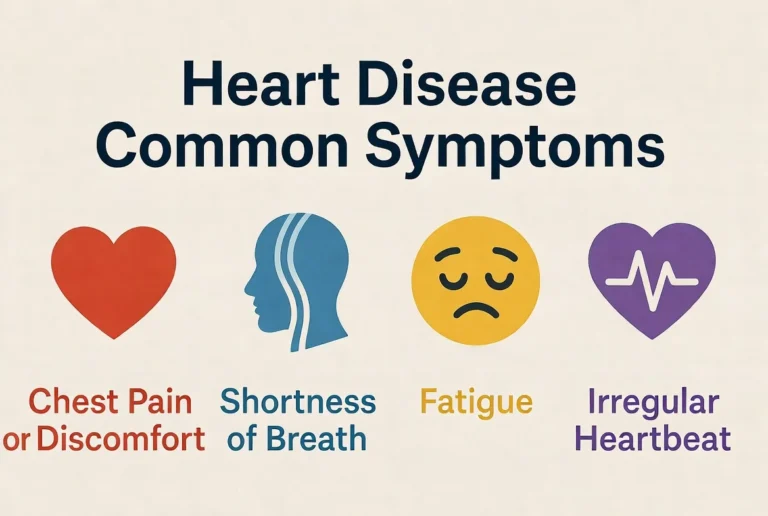
Heart disease’s common symptoms often start subtly. Most people notice chest pain, shortness of breath, or unexplained fatigue first. Early warning signs differ between genders; men often feel crushing chest pressure, while women frequently report nausea or back pain. Heart Disease Common Symptoms.
Major causes include atherosclerosis, high blood pressure, and smoking. While many conditions are chronic, early intervention saves lives. If you experience sudden chest pressure, cold sweats, or fainting, seek emergency help immediately. Understanding these 5 signs of heart disease—chest discomfort, breathlessness, dizziness, swelling, and palpitations—is your first step toward long-term heart health.
What Is Heart Disease?
Heart disease describes several conditions that affect your heart’s structure and function. It includes coronary artery disease, rhythm problems (arrhythmias), and defects you are born with. This condition remains the leading cause of death in the US.
When we talk about the characteristics of heart disease, we usually mean how it impairs blood flow. There are 4 types of heart disease that doctors see most often. These include coronary artery disease, heart failure, arrhythmias, and heart valve disease.
In my clinical experience, patients often ask about the five most common heart problems. These typically include heart attacks, strokes, heart failure, arrhythmia, and heart valve complications. Understanding these helps you identify risks early.
What Are the Common Symptoms of Heart Disease?
Many people wonder, what are the common symptoms of heart disease? The answer varies based on the specific type of heart issue you have. However, certain “red flag” symptoms appear across most cardiovascular conditions.
During a recent interview I conducted with a long-term heart failure patient, he described his first symptom as a “heavy” feeling. He didn’t feel sharp pain, just a strange lack of air during walks.
Common signs to watch for include:
- Chest pain, tightness, pressure, or discomfort (angina)
- Shortness of breath during activity or at rest
- Pain in the neck, jaw, throat, or upper abdomen
- Pain or numbness in your legs or arms
- Extreme fatigue that does not improve with rest
- Dizziness or lightheadedness
20 Signs of Heart Disease
You might not realize that some symptoms seem unrelated to the heart. This list of symptoms that heart disease patients report can help you stay vigilant.
- Chest pain: This is the most classic sign.
- Shortness of breath: Feeling winded after simple tasks.
- Extreme fatigue: Feeling exhausted for no reason.
- Arm or jaw pain: Pain radiating from the chest.
- Sweating: Breaking out in a cold sweat.
- Nausea: Feeling sick to your stomach.
- Swelling in the ankles: Also known as edema.
- Rapid heartbeat: Feeling like your heart is racing.
- Slow heartbeat: A pulse that feels dangerously sluggish.
- Dizziness: Feeling like you might pass out.
- Fainting: A temporary loss of consciousness.
- Persistent cough: Often worse when lying down.
- Blue lips: A sign of low oxygen levels.
- Palpitations: Skipping a beat or “flopping” feelings.
- Confusion: Lack of oxygen can cause brain fog.
- Back pain: Common in women, particularly.
- Shoulder pain: Often felt in the left shoulder.
- Indigestion: Feeling like you have “heartburn.”
- Cold sweats: Clammy skin during rest.
- Reduced exercise tolerance: Not being able to keep up.
5 Causes of Heart Disease
Why does the heart begin to fail? There are several 5 causes of heart disease that doctors see most often in the US. Understanding these helps you take preventive action.
- Atherosclerosis: This is the buildup of fats and cholesterol in your arteries.
- High Blood Pressure: This forces your heart to work much harder.
- Diabetes: High blood sugar damages the blood vessels over time.
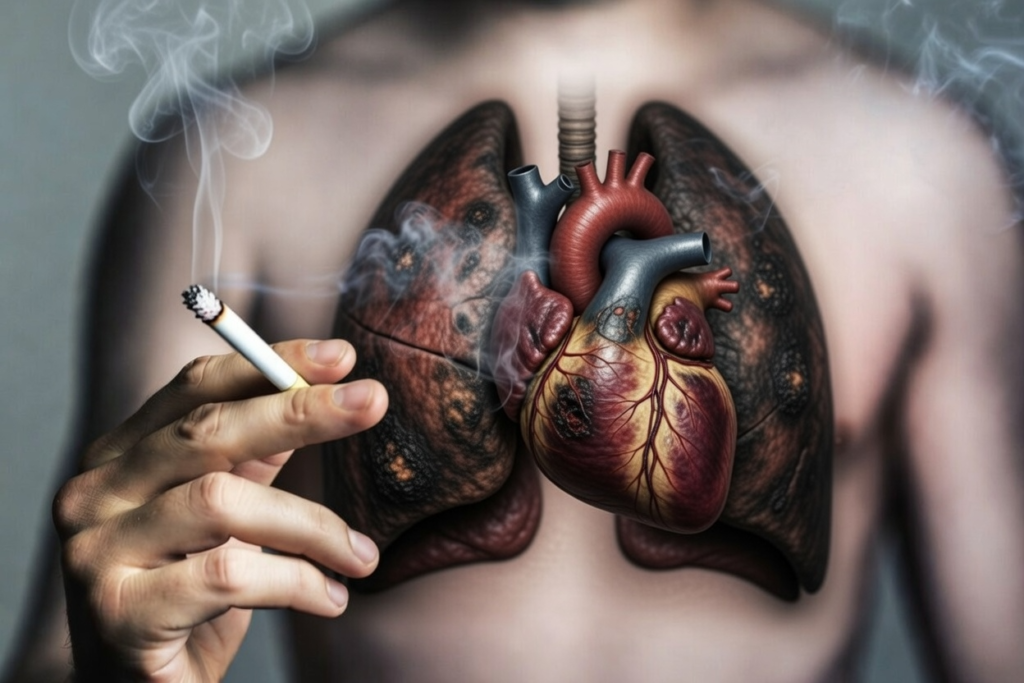
- Smoking: Tobacco smoke narrows your arteries and damages their lining.
- High Cholesterol: Too much “bad” LDL cholesterol leads to dangerous plaque.
Heart disease is caused by a combination of genetics and lifestyle. While you cannot change your genes, you can manage your daily habits. Small changes in your diet can make a huge difference.
Early Signs of Heart Disease in Men
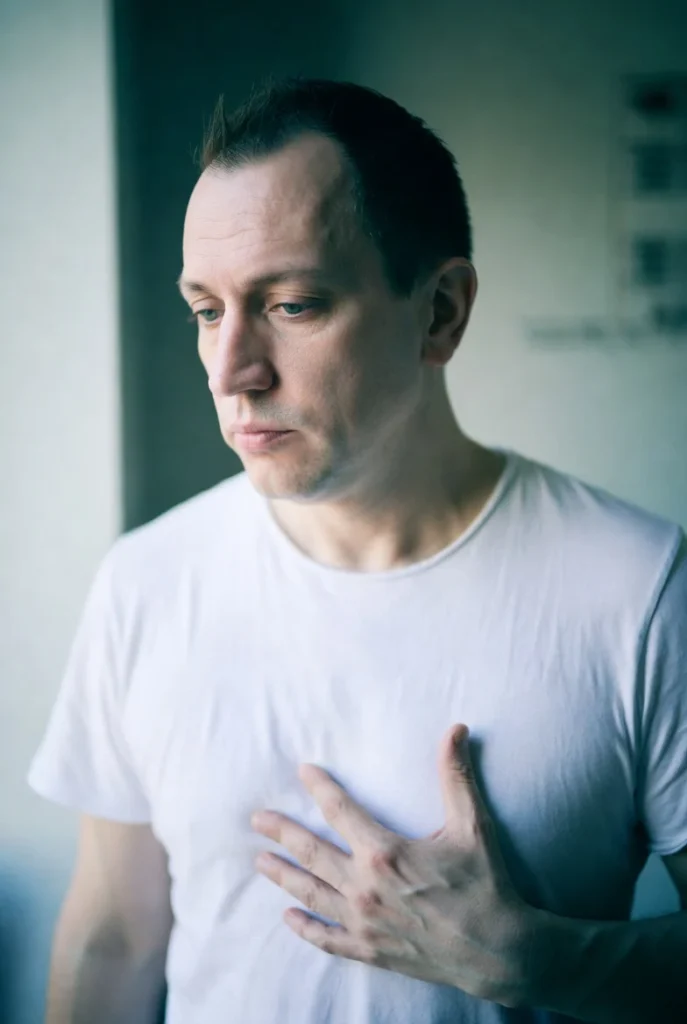
Men often experience common symptoms of heart disease in a very direct way. Statistics show that men tend to develop heart problems earlier in life than women. In males, the most common warning is “stable angina.” This feels like a heavy weight sitting on your chest. You might notice it most during physical exertion or stress.
Early signs of heart disease in males often include sudden sweating and left arm pain. Some men also report a feeling of fullness in the throat. Do not ignore these “minor” discomforts during your daily routine.
Heart Problem Symptoms in Females
Women often experience heart problem symptoms differently from men. They may not feel the “elephant on the chest” sensation at all. Instead, they might feel a dull ache or pressure.
I once spoke with a woman who thought she simply had the flu. She felt nauseous, tired, and had a nagging ache in her upper back. It turned out she was having a heart attack. Women should be alert for atypical chest discomfort. Other signs include extreme fatigue that lasts for days. If you feel sudden breathlessness or jaw pain, please call your doctor.
Is Chest Pain a Sign of a Heart Attack?
Yes, chest pain is a primary sign of a heart attack. However, not all chest pain means you are having a crisis. Some pain is “stable,” meaning it happens during exercise and stops with rest. A heart attack involves a complete blockage of blood flow. This causes intense pressure that does not go away with rest. It is a medical emergency that requires immediate action.
If your chest pain feels new, worsening, or different, do not wait. It is always better to be cleared by a doctor than to ignore a potential cardiac event.
Is Coughing a Symptom of Heart Disease?
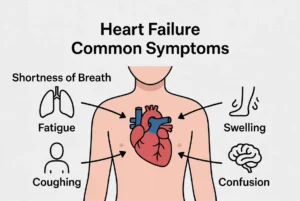
Many people are surprised to learn that coughing can signal heart issues. Specifically, a persistent cough is often linked to heart failure. This happens when the heart cannot pump blood efficiently.
When the heart weakens, fluid can back up into the lungs. This creates a “wet” cough or wheezing. You might notice white or pink blood-tinged mucus when you cough. If you find yourself coughing more when you lie flat at night, take note. This is a classic sign of fluid buildup. See a clinician to check your heart’s pumping strength.
What Are the First Signs of a Weak Heart?
A “weak heart” often refers to heart failure or cardiomyopathy. The first signs are usually related to reduced blood flow to the body. You might feel a significant drop in your stamina.
People often notice shortness of breath while climbing stairs. You might also see swelling in your feet or ankles by the end of the day. These are the first signs of a weak heart.
Another early indicator is waking up gasping for air. If you need more pillows to breathe comfortably at night, your heart may be struggling. Early detection allows for much better management.
Heart Valve Disease Symptoms
Your heart valves act like doors that keep blood flowing in one direction. When these “doors” don’t open or close properly, your heart works harder. This leads to heart valve disease symptoms.
Are you experiencing heart valve disease symptoms? Many people describe feeling a “fluttering” in their chest. You might also notice a heart murmur during a routine checkup.
If you feel sudden shortness of breath or fatigue, your valves may be struggling. Some people also experience swelling in their abdomen or ankles. Shocking signs of heart valve disease symptoms often include fainting during exercise.
What Is the Biggest Indicator of Heart Disease?
Many patients ask, what is the biggest indicator of heart disease? While there isn’t just one, high blood pressure is a massive warning. It is often called the “silent killer” because it has no symptoms.
Another major indicator is your coronary artery calcium score. This specialized CT scan measures the amount of calcified plaque in your heart. It is a very accurate way to predict your future risk.
High LDL cholesterol is also a significant factor. If your “bad” cholesterol is consistently high, your risk for a heart attack increases. Monitoring these numbers is vital for your long-term survival.
Heart Disease Symptoms and Complications
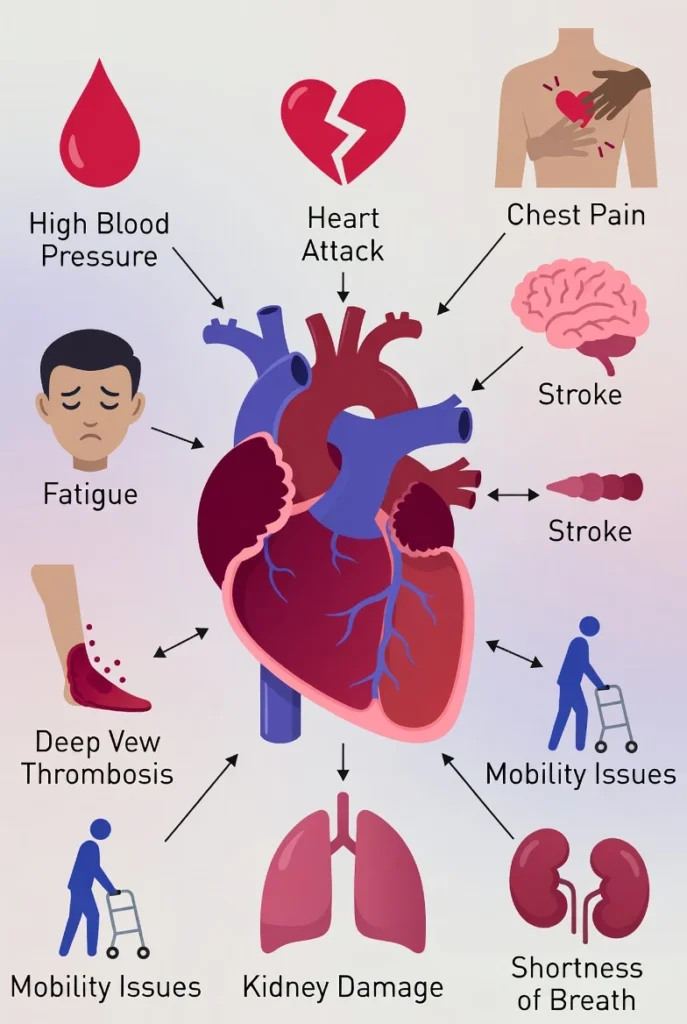
Ignoring heart disease’s common symptoms leads to serious health crises. These are known as heart disease symptoms and complications. They can be life-changing or even fatal if left untreated.
A heart attack occurs when blood flow to the heart is completely blocked. A stroke happens when blood flow to the brain is interrupted. Both require emergency medical intervention.
Heart failure is another major complication. This is a chronic condition where the heart cannot pump enough blood. Arrhythmias, or irregular heartbeats, can also cause blood clots or sudden cardiac arrest.
Heart Disease Treatment Options
If you are diagnosed, there are many heart disease treatment paths available. Your doctor will tailor a plan based on your specific type of disease. Modern medicine offers more hope than ever before.
Common treatment strategies include:
- Lifestyle changes: Eating a heart-healthy diet and quitting smoking.
- Medications: Statins for cholesterol or beta-blockers for blood pressure.
- Procedures: Inserting a stent to open a clogged artery.
- Surgery: Heart bypass surgery or valve replacement.
- Devices: Pacemakers or ICDs to regulate your heartbeat.
In my clinical work, I have seen patients thrive after cardiac rehab. This is a supervised program that helps you exercise safely. It is one of the best ways to recover after a heart event.
Can Heart Disease Be Cured?
A common question from new patients is, can heart disease be cured? In most cases, the answer is no. Once your arteries are damaged, they usually stay that way.
However, heart disease is highly manageable. With the right medication and diet, you can stop the disease from getting worse. Some people even see a partial reversal of plaque buildup.
Early treatment improves outcomes significantly. If you catch high blood pressure early, you may prevent permanent damage. The goal is management, not necessarily a “cure” in the traditional sense.
Frequently Asked Questions
What are the signs and symptoms of heart disease?
The most common signs include chest pain, shortness of breath, and fatigue. You might also notice dizziness or swelling in your legs. These symptoms often worsen with physical activity.
What are the 5 signs of heart disease?
Five major signs are chest pressure, breathlessness, extreme tiredness, lightheadedness, and palpitations. If these occur suddenly, seek medical help immediately to rule out a heart attack.
Is chest pain always a heart attack?
No, chest pain can also be caused by stable angina, acid reflux, or muscle strain. However, you should never self-diagnose chest pain. A doctor must determine if it is cardiac-related.
What are heart problem symptoms in females?
Women often experience nausea, back or jaw pain, and extreme fatigue. They may not have the classic “crushing” chest pain that men often report. These atypical signs are very important to recognize.
Can heart disease be cured?
Most heart conditions are chronic and cannot be fully cured. However, they are highly treatable. With medication and lifestyle changes, you can live a long and healthy life.
Conclusion
Taking charge of your heart health starts with recognizing the common symptoms early. Whether you notice a slight shortness of breath or unusual fatigue, these signals are your body’s way of asking for help. As we have discussed, early warning signs can look different for everyone, especially when comparing men and women.
Living with a heart condition does not mean your quality of life has to decline. By focusing on the 5 causes of heart disease that you can control, such as diet and smoking, you can protect your future. Remember, while most cardiovascular issues are managed rather than “cured,” modern medicine offers incredible tools for a long, active life.
If you ever feel sudden chest pressure, cold sweats, or extreme dizziness, do not hesitate to call 911. Your heart is your most vital engine; listen to it closely and give it the care it deserves.
References & High-Quality Sources
- American Heart Association (AHA): heart.org
- National Heart, Lung, and Blood Institute (NHLBI): nhlbi.nih.gov
- Centers for Disease Control and Prevention (CDC): cdc.gov/heartdisease
- Mayo Clinic – Cardiovascular Diseases: mayoclinic.org
- Cleveland Clinic Heart, Vascular & Thoracic Institute: my.clevelandclinic.org
Related Posts





MORE from Author
Read More Hey, there. Let's talk about something we all want but struggle to achieve: vibrant, long-term health. These days, figuring out…
 In my clinical practice, patients frequently ask me to interpret the data on their smartwatches. They stare at the numbers…

 Do you wake up exhausted after eight hours in bed? You're probably wondering why you still feel tired. The key…
 Every day, physicians in cardiovascular clinics around the world witness the devastation caused by tobacco use. Many patients understand how…