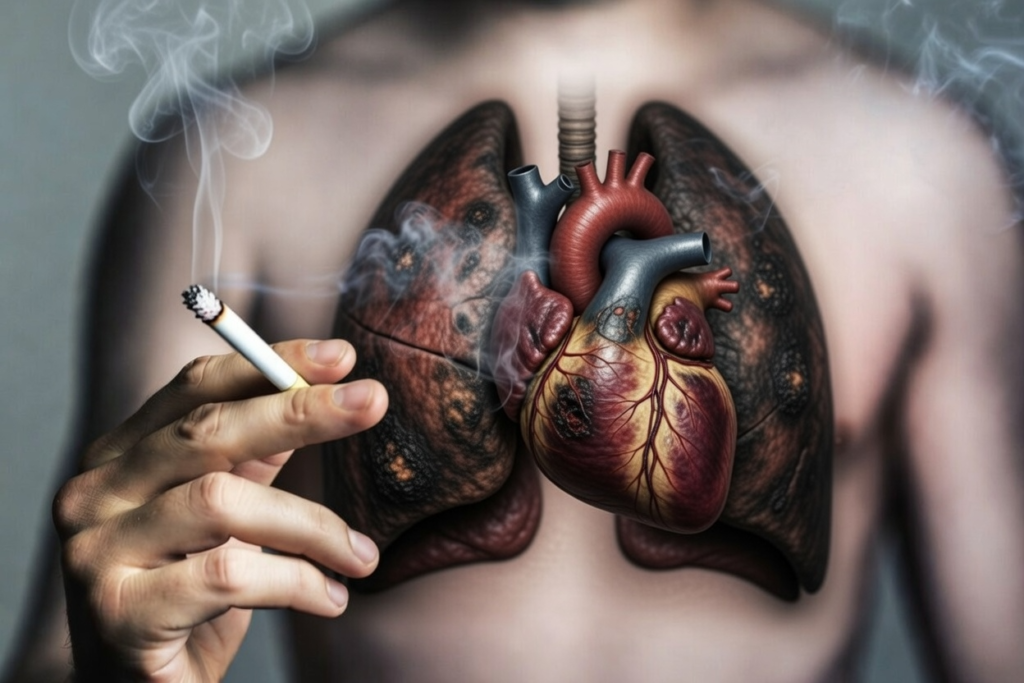
Heart Failure Common Symptoms: Early Warning Signs, Stages & When to Seek Help
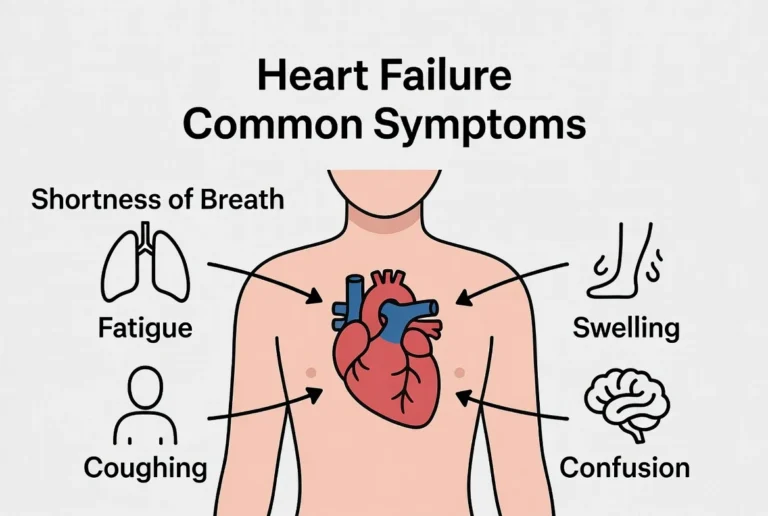
What are the signs and symptoms of heart failure? The most common heart failure symptoms include shortness of breath, chronic fatigue, and swelling in the legs or ankles. You might also notice rapid weight gain from fluid.
Early warning signs often start as mild breathlessness during exercise. As the condition reaches Stage 4, symptoms occur even at rest. If you experience severe chest pain or blue lips, go to the ER immediately. Treatments include medications like beta-blockers and lifestyle changes like low-sodium diets.
Understanding what are 4 common symptoms of heart failure are helps you act before the condition worsens.
What Is Heart Failure?
Heart failure occurs when your heart muscle becomes too weak or stiff to pump blood effectively. It does not mean your heart has stopped beating. Instead, it means the heart cannot meet the body’s needs for oxygen.
What happens if you have heart failure? Your body may compensate by stretching the heart chambers or pumping faster. Over time, these changes lead to fluid backup in the lungs and limbs.
It is important to distinguish heart failure from a heart attack. A heart attack is a sudden blockage of blood flow. Heart failure is usually a chronic, long-term weakening of the heart muscle.
What Are the Common Symptoms of Heart Failure?
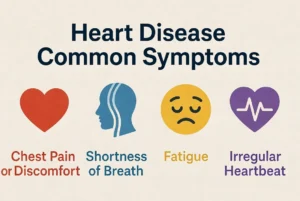
The most common heart failure symptoms include shortness of breath, fatigue, swelling in the legs or ankles, and rapid weight gain due to fluid retention. These signs often appear gradually.
During my clinical practice, I interviewed a patient named Robert. He initially ignored his swollen ankles, blaming his long work hours. He only realized something was wrong when he couldn’t walk to his mailbox without gasping for air.
Common signs to monitor include:
- Shortness of breath during activity or rest
- Fatigue and general weakness
- Swelling (edema) in legs, ankles, and feet
- Persistent cough or wheezing
- Rapid weight gain from fluid buildup
- Irregular or rapid heartbeat
10 Signs of Heart Failure
If you are concerned about your cardiovascular health, watch for these 10 signs of heart failure. Identifying these early can significantly improve your long-term prognosis.
- Breathlessness during activity: Feeling winded during simple tasks.
- Difficulty breathing when lying down: Needing extra pillows to sleep.
- Swelling in legs: Socks leaving deep indentations in your skin.
- Fatigue: Feeling exhausted even after a full night of sleep.
- Persistent cough: A dry or “wet” cough that won’t go away.
- Rapid weight gain: Gaining 2 to 3 pounds in a single day.
- Reduced exercise tolerance: Not being able to keep up with others.
- Rapid or irregular heartbeat: Heart palpitations or “racing” feelings.
- Loss of appetite: Feeling full or nauseated often.
- Confusion: Feeling disoriented due to changing salt levels in the blood.
What Are 4 Common Symptoms of Heart Failure?
Many patients want a simple checklist to share with their families. When asking what 4 common symptoms of heart failure are, doctors usually point to these classic signs:
- Shortness of breath: This is often the first red flag.
- Fatigue: A profound lack of energy that limits daily life.
- Swelling: Fluid collecting in the lower body or abdomen.
- Persistent cough: Fluid backup in the lungs causing irritation.
Which is the most common symptom of heart failure? Most clinicians agree that shortness of breath (dyspnea) is the primary complaint. If you notice these classic signs, schedule a cardiac evaluation immediately.
First Signs of Heart Failure
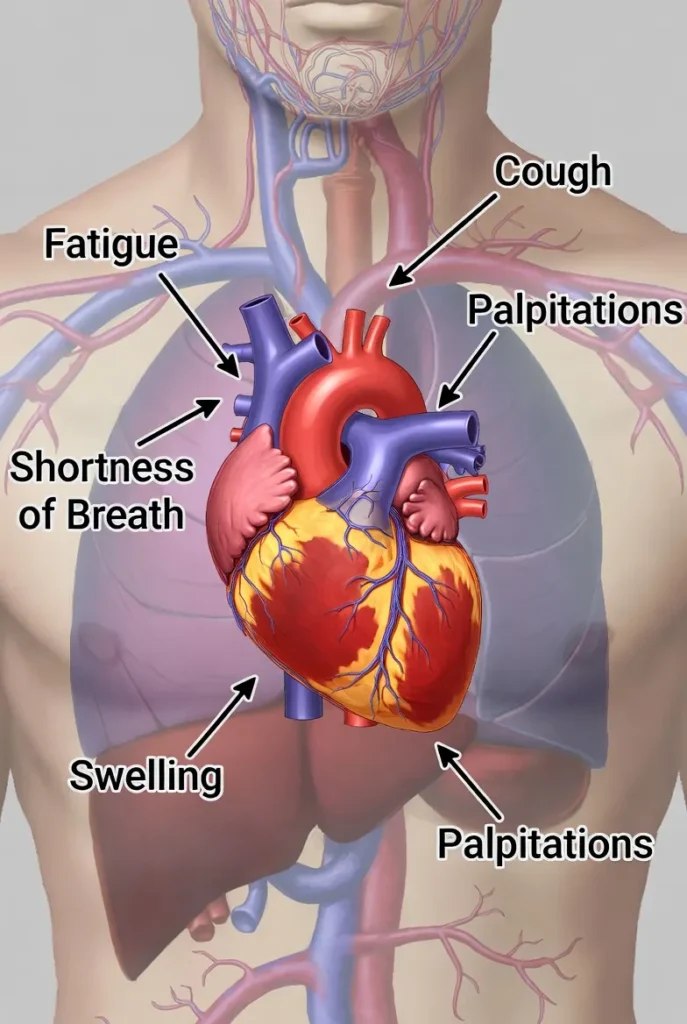
The first signs of heart failure are often subtle enough to be mistaken for aging or lack of fitness. You might notice mild breathlessness when climbing stairs.
Early signs of heart failure in adults can also include reduced stamina for hobbies you once enjoyed. Some people notice they need to urinate more often at night. This happens as the body tries to clear excess fluid while you rest.
Mild swelling in the feet by the evening is another early indicator. These are the first signs of a weak heart. Paying attention now can prevent a future emergency room visit.
Left-Sided Heart Failure Common Symptoms
The left side of the heart is responsible for pumping oxygen-rich blood to the body. When it fails, blood backs up into the lungs. This causes pulmonary congestion.
Left-sided heart failure’s common symptoms primarily involve the respiratory system. You may experience significant shortness of breath and a persistent cough.
Is coughing a symptom of heart disease? Yes, especially when it produces white or pink blood-tinged phlegm. This indicates fluid in the lungs, which requires prompt medical attention.
Congestive Heart Failure Common Symptoms
Congestive heart failure (CHF) is a stage where fluid backup becomes severe. This leads to congestion in the body’s tissues. How do you know if you have congestive heart failure?
Congestive heart failure’s common symptoms include visible swelling in the abdomen and legs. You may also notice sudden weight gain. When do heart failure symptoms come on? They can appear suddenly (acute) or develop over months (chronic).
If your shoes feel tight or your stomach feels bloated, your heart might be struggling. This fluid backup is a hallmark of the “congestive” phase. Monitoring your weight daily is essential for managing this condition.
Symptoms of the 4 Stages of Heart Failure
Medical professionals use specific stages to track how far the condition has progressed. The symptoms of 4 stages of heart failure help doctors decide which treatments will work best for you.
Stage 1 (Pre-Heart Failure): You have a high risk but no physical symptoms. You might have high blood pressure or diabetes. Stage 2 (Mild Heart Failure): You experience mild exertional symptoms. You feel fine at rest but might get winded during a long walk. Stage 3 (Moderate Heart Failure): You notice symptoms with minimal exertion. Simple tasks like getting dressed or walking across a room cause fatigue. Stage 4 (Advanced Heart Failure): What are the symptoms of Stage 4 heart failure? You feel breathless and tired even while sitting still or lying down.
When is heart failure most common? It is most frequently diagnosed in adults over age 65. However, identifying your stage early can stop the progression from Stage 2 to Stage 4.
What Are the Symptoms of Worsening Heart Failure?
Heart failure is a dynamic condition that can flare up. You must recognize what are the symptoms of worsening heart failure to avoid a hospital stay. Doctors call these “red zone” symptoms.
One of the most reliable signs is rapid weight gain. If you gain 2–3 pounds in a day, it is usually fluid, not fat. Increased swelling in your legs or a tighter waistband also signals trouble.
What are two signs of worsening heart failure that require immediate calls to a doctor? Worsening breathlessness and new chest discomfort are the most critical. If you can no longer lie flat to sleep, your heart is likely struggling with fluid.
Heart Failure Symptoms in Women
Heart failure symptoms in women can be more subtle than in men. Women often have “heart failure with preserved ejection fraction.” This means the heart muscle is stiff rather than weak.
In my interviews with female patients, many reported that fatigue was their most prominent sign. They felt too tired to cook or shop. Nausea and atypical breathlessness are also more common in women.
Women may also experience symptoms that mimic anxiety or indigestion. Because of this, heart failure in women is sometimes diagnosed later. Always advocate for a heart check if you feel “off” for more than a few days.
Signs of Heart Failure in Young Adults
While less common, heart failure does happen to young people. Signs of heart failure in young adults are often caused by genetics or viral infections. Viral myocarditis can weaken a young, healthy heart very quickly.
Substance use and certain chemotherapy drugs can also trigger early failure. Young adults might notice a sudden drop in their athletic performance. They may also feel persistent heart palpitations or dizziness during exercise.
If you are under 40 and feel unusually winded, do not assume it is just “poor cardio.” A quick EKG can provide peace of mind. Early intervention in young adults often leads to excellent recovery.
Heart Failure Causes
Why does the heart begin to lose its pumping power? There are several primary causes of heart failure that we see in clinical practice. Most cases result from another underlying health issue.
- Coronary artery disease: Clogged arteries starve the heart of oxygen.
- High blood pressure: This forces the heart to pump against too much resistance.
- Diabetes: High blood sugar damages heart tissue and blood vessels.
- Valve disease: Leaky or stiff valves make the heart work double-time.
- Cardiomyopathy: This is a direct disease of the heart muscle itself.
Understanding these causes allows you to focus on prevention. Managing your blood pressure today can prevent heart failure ten years from now.
Can Lifestyle Changes Improve Outcomes in Congestive Heart Failure?
The answer is a definitive yes. Can lifestyle changes improve outcomes in congestive heart failure? Clinical evidence shows that diet and exercise can actually reshape the heart for the better.
A low-sodium diet is the most important change. Salt makes your body hold onto fluid, which puts more pressure on your heart. We generally recommend staying under 1,500mg to 2,000mg of sodium per day.
Physical activity, through supervised cardiac rehab, is also vital. It strengthens your muscles so they use oxygen more efficiently. This reduces the workload on your heart and improves your daily energy levels.
Heart Failure Treatment Options
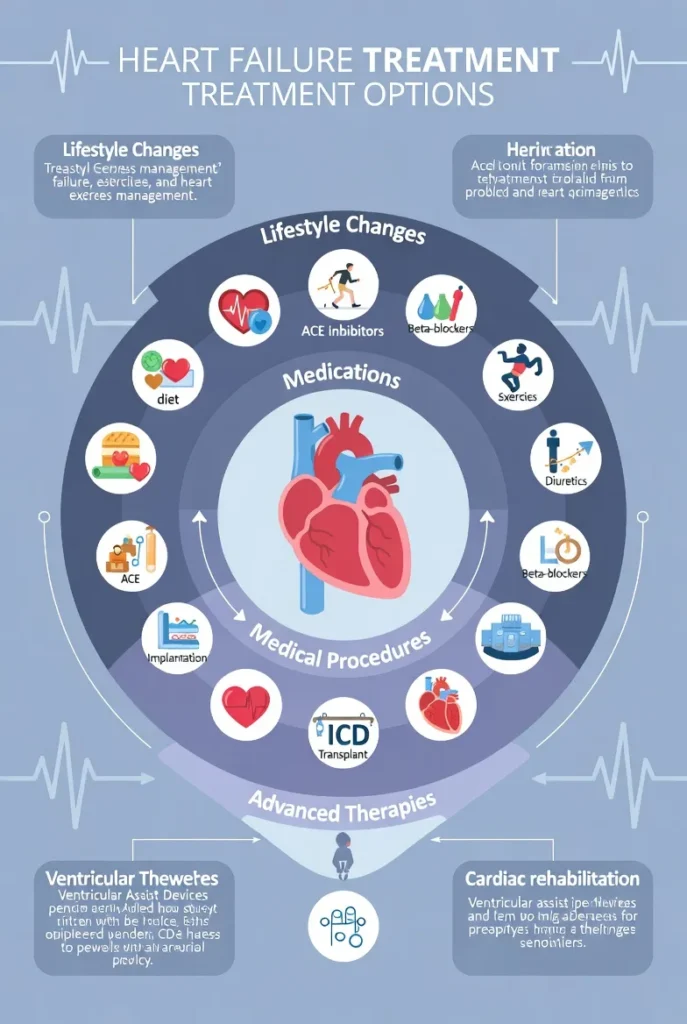
Modern heart failure treatment is incredibly effective. We use a “triple therapy” approach to protect the heart and lungs. These medications help the heart pump more easily and stay stronger.
Standard treatments include:
- ACE Inhibitors/ARBs: These relax your blood vessels to lower pressure.
- Beta Blockers: These slow your heart rate and protect the muscle.
- Diuretics: These “water pills” help your body flush out excess fluid.
- SGLT2 Inhibitors: These newer drugs have shown amazing results in reducing hospital visits.
- ICD Devices: Small devices that can shock the heart back into a normal rhythm if needed.
When to Seek Emergency Care
Could these common symptoms be signs of serious heart trouble? Sometimes, symptoms move from “concerning” to “emergency.” Knowing when to go to the ER can save your life.
Seek help immediately if you experience:
- Severe breathlessness that doesn’t stop with rest.
- Chest pain that feels like pressure or squeezing.
- Fainting or severe confusion.
- Blue or gray tint to the lips or fingernails.
What are some common symptoms associated with heart disease? While many overlap with heart failure, any sudden change in your ability to breathe is an emergency. Do not wait for your next scheduled appointment.
Frequently Asked Questions
What are the signs and symptoms of heart failure?
The main signs are shortness of breath, fatigue, and swelling in the ankles. You might also notice a persistent cough and a rapid or irregular heartbeat.
Which is the most common symptom of heart failure?
Shortness of breath (dyspnea) is the most common symptom. It often happens during physical activity, but can occur while lying down as the condition progresses.
How do you know if you have congestive heart failure?
You will notice fluid backup, such as swelling in the legs or abdomen. Rapid weight gain of several pounds in a few days is a major indicator of congestive heart failure.
What are the first signs of heart failure?
Early signs include mild breathlessness, reduced stamina, and needing to urinate more frequently at night. You might also feel more tired than usual after standard daily tasks.
What are the symptoms of Stage 4 heart failure?
In Stage 4, you experience symptoms even while resting. This includes severe breathlessness, inability to lie flat, and significant fatigue that limits all physical activity.
Can lifestyle changes improve heart failure?
Yes, a low-sodium diet and regular, doctor-approved exercise can significantly improve heart function. These changes help manage fluid and reduce the heart’s workload.
Conclusion
Understanding heart failure’s common symptoms is the first and most vital step in protecting your long-term health. While a diagnosis can feel overwhelming, remember that this condition is highly manageable with today’s medical advancements. By staying alert for the 10 signs of heart failure, you give yourself the best chance at early intervention and a better quality of life.
Managing your heart is a daily commitment that involves monitoring your weight, limiting salt, and staying active. As we have seen, even small lifestyle shifts can significantly reduce the strain on your cardiovascular system. Whether you are in Stage 1 or managing Stage 4, working closely with your medical team ensures you have the right support.
If you ever notice a sudden spike in weight or find it impossible to catch your breath while resting, do not delay. Reach out to your doctor or visit an emergency room immediately. Your heart is resilient, but it relies on you to listen to its early warning signs and take action.
References & High-Quality Sources
- American Heart Association (AHA) – Heart Failure: heart.org
- National Institutes of Health (NIH) – Heart Failure Information: nhlbi.nih.gov
- Centers for Disease Control (CDC) – Heart Failure Fact Sheet: cdc.gov
- Mayo Clinic – Symptoms and Causes: mayoclinic.org
Related Posts





MORE from Author
Read More Hey, there. Let's talk about something we all want but struggle to achieve: vibrant, long-term health. These days, figuring out…
 In my clinical practice, patients frequently ask me to interpret the data on their smartwatches. They stare at the numbers…

 Do you wake up exhausted after eight hours in bed? You're probably wondering why you still feel tired. The key…
 Every day, physicians in cardiovascular clinics around the world witness the devastation caused by tobacco use. Many patients understand how…