Is Living Alone Healthy? Pros, Cons, Mental Health & Long-Term Effects
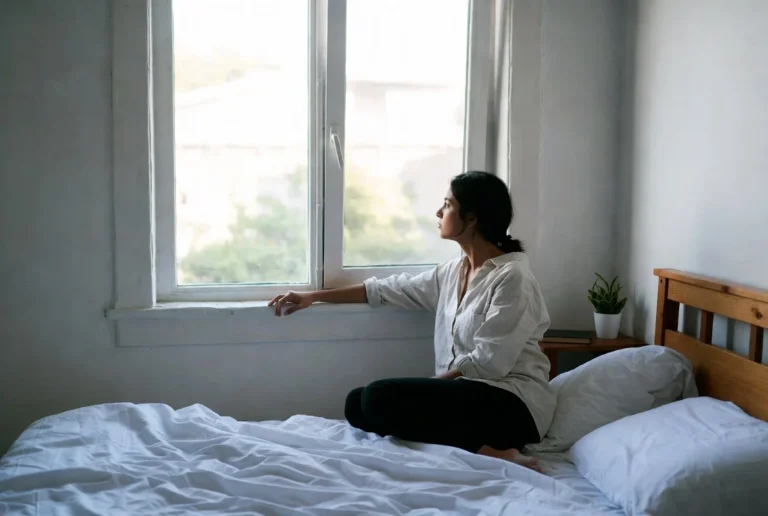
The number of people choosing to live solo is at an all-time high in 2026. Whether driven by career shifts, personal preference, or the natural progression of life, many are asking the same fundamental question: Is living alone healthy? For some, the idea of a quiet home represents the ultimate freedom; for others, it raises fears of isolation and a decline in well-being.
Living alone is a complex lifestyle choice that impacts your psychology, your physical safety, and even your financial health. It is rarely a “black and white” situation. In this guide, we will explore the positive effects of living alone, the potential risks, and the long-term psychological shifts that occur when you become your own primary companion.
Is Living Alone Healthy?
“Living alone in the modern era is a nuanced psychological journey that offers both profound liberation and significant challenges. While it fosters a unique sense of self-reliance and provides a sanctuary for deep reflection, its health outcomes are largely dependent on the individual’s ability to balance solitude with social engagement.
When chosen intentionally, solo living can lead to increased emotional maturity and a refined sense of identity. However, without a proactive effort to maintain community ties, the risk of social atrophy and loneliness becomes a clinical concern. Ultimately, the health of a solo lifestyle is not determined by the absence of others, but by the presence of a strong, self-sustaining inner life and a reliable external support system.”
Living alone can be healthy for many people, especially when it is a choice and social connections are maintained. It supports independence and self-growth, but may increase loneliness or safety risks if social isolation develops. Your personality and social habits determine the ultimate health outcome.
What Does It Mean to Live Alone?
Before we evaluate the health impact, we must ask: What does it mean to live alone? On the surface, it is the absence of housemates, spouses, or family. However, psychologically, it is the transition into total domestic autonomy.
Living alone means you are the sole architect of your environment. You decide when to eat, how to clean, and how to spend your evenings without the need for compromise. It is important to distinguish between “social isolation” (a lack of contact with others) and “chosen solitude.” One can live alone and be deeply connected to a vibrant community, just as one can live with others and feel entirely isolated.
Positive Effects of Living Alone
Numerous benefits of living alone contribute to a person’s maturation and mental resilience. In a clinical setting, I often see patients gain a newfound sense of “self-concept” once they are no longer reacting to the moods or needs of a roommate or partner.
a. Greater Independence and Autonomy
The most immediate effect is the development of self-reliance. You become responsible for everything from financial budgeting to household repairs. This builds a “self-efficacy” that can spill over into your professional life and personal confidence.
b. Emotional Regulation Growth
When you live alone, you must learn to soothe your own anxieties and manage your own boredom. You cannot rely on someone else to “fix the vibe” of the house. This often leads to a more stable emotional baseline over time.
c. Identity Development
Without the “mirror” of another person constantly reflecting an image of who you are, you have the space to discover who you are when no one is watching. This is a primary benefit of living alone as a woman or a man in their formative adult years.
d. Reduced Interpersonal Conflict
Living with others inherently involves compromise and, occasionally, friction. Living solo eliminates domestic conflict, which can lead to lower daily cortisol levels for those who are particularly sensitive to their environment.
Living Alone Pros and Cons
To decide if this lifestyle fits you, it helps to see a direct comparison. Here is a breakdown of the primary factors involved in solo residency.
Living Alone Pros and Cons Table
| Feature | Pros (The Benefits) | Cons (The Risks) |
| Personal Space | Total freedom and quiet. | Can feel “too quiet” or empty. |
| Growth | Rapid increase in self-reliance. | Decision fatigue from handling everything alone. |
| Social Life | You choose when to be social. | Requires more effort to avoid isolation. |
| Finance | Full control over spending. | Higher per-person cost for rent and utilities. |
| Safety | No one to disturb your sleep. | No one to help in an immediate medical emergency. |
How Does Living Alone Affect Mental Health?

The question is, is it mentally healthy to live alone? depends largely on the “why” and the “how.” If a person lives alone due to a painful divorce or a bereavement, the initial mental health impact may be negative. However, if it is a proactive choice, it can be a period of significant flourishing.
Loneliness vs. Solitude
Solitude is a state of being alone without being lonely. It is a positive, constructive state that allows for deep focus and reflection. Loneliness, however, is a perceived gap between the social connection you have and the connection you want. Is living alone good for mental health? It is if you treat your home as a sanctuary for solitude rather than a cage of loneliness.
Vulnerability to Depression
For those predisposed to depression, living alone can be “hard” because there is no one to witness a decline in hygiene, eating habits, or mood. Without an external “anchor” to pull you out of a slump, it is easier for a bad day to turn into a bad week. This is why I emphasize the importance of “external accountability” for solo dwellers.
Disadvantages and Dangers of Living Alone
While there are many pros, we must be candid about the disadvantages of living alone. In my experience, the “dangers” are rarely about intruders, but rather about the slow erosion of social habits and physical safety.
- Emergency Response Delays: If you slip in the shower or experience a sudden medical event, there is no one there to call 911. This is a primary concern for seniors.
- Financial Pressure: You bear the full burden of the “singles tax”—paying 100% of the internet, rent, and insurance that a couple would split.
- The “Echo Chamber” Effect: Without another person to challenge your thoughts, you may find yourself spiraling into negative thought patterns or becoming overly set in your ways.
- Safety Concerns: Especially for those in high-crime areas, the lack of a “second set of eyes” can lead to increased hyper-vigilance and anxiety.
Should You Live Alone?
If you are currently debating this move, ask yourself the following: Should you live alone? Consider this checklist:
- Financial Stability: Can you afford the “buffer” needed for emergencies?
- Social Network: Do you have friends or family within a 20-minute radius?
- Internal Dialogue: Do you generally enjoy your own company, or do you find silence uncomfortable?
- Maintenance Skills: Are you prepared to handle the logistics of a home by yourself?
What Happens When You Live Alone for a Long Time?
When you live alone for years, your brain undergoes a subtle shift in how it processes social information and the environment. What happens when you live alone for a long time? You develop what I call “radical autonomy.”
a. Habitual Rigidity
Without the “friction” of another person, your habits can become deeply ingrained. While this is efficient, it can make it harder to adapt if your circumstances change (e.g., if a partner moves in later). You might find yourself more easily annoyed by small disruptions to your “system.”
b. Social Skill Drift
Socializing is like a muscle. If you aren’t using those “muscles” daily in a shared home, you might find that your social stamina decreases. You may become more selective about who you spend time with, which can be a double-edged sword: you avoid “toxic” people, but you might also shrink your support network too much.
c. The Strengthening of the “Self.”
On the positive side, is it okay to live alone forever? For many, the answer is a resounding yes. Long-term solo living often results in a profound level of self-knowledge and a lack of fear regarding solitude. These individuals often exhibit higher levels of creativity and emotional independence than those who have always lived with others.
Disadvantages of Living Alone Essay
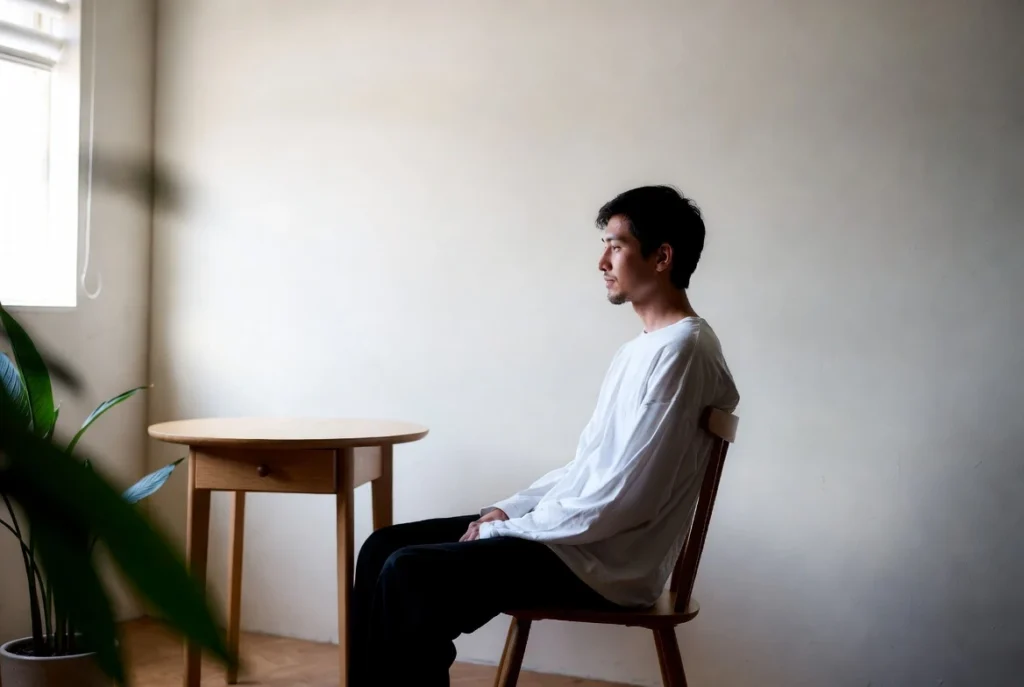
“The primary disadvantages of living alone center on the loss of the immediate safety net that shared housing provides. From a physical perspective, the absence of a cohabitant increases the risks associated with sudden medical emergencies or domestic accidents.
Psychologically, the lack of daily interpersonal ‘checks and balances’ can allow negative thought patterns to go unchallenged, potentially leading to increased vulnerability to depression.
Furthermore, the ‘singles tax’—the increased financial burden of maintaining a household on a single income—can create a chronic baseline of stress. Without careful planning and a conscious effort to build a local community, the freedom of solo living can inadvertently transition into the burden of isolation.”
Frequently Asked Questions
Is living alone healthy?
Yes, it can be very healthy as long as you maintain an active social life outside the home. It promotes mental clarity and personal growth. However, if it leads to chronic loneliness, it can have negative effects on heart health and immune function.
Is it mentally healthy to live alone?
For many, it is. It provides a “reset” from the stress of social expectations. It is mentally healthy if you enjoy your own company and have the discipline to maintain a routine and reach out to friends regularly.
What are the disadvantages of living alone?
The main disadvantages include higher living costs, potential for loneliness, and a lack of immediate help during a medical emergency or accident. Some also find the lack of daily conversation leads to “brain fog” or lower motivation.
Why is living alone hard?
It is hard because the “mental load” of the household falls entirely on one person. Every chore, bill, and decision rests on you, which can lead to decision fatigue and a feeling of being overwhelmed.
Should you live alone?
You should live alone if you value your independence, have a stable income, and possess a social circle that keeps you engaged. If you are someone who feels depressed after just a few hours of silence, a roommate or partner might be better for your well-being.
conclusion
knowing is living alone, health is less about the living arrangement and more about the inhabitant. In my clinical view, solo living is a high-reward lifestyle that requires high-intention. By planning for your physical safety, staying financially mindful, and nurturing your social “ecosystem,” you can turn a quiet house into a powerful engine for personal growth and long-term health.
References
- American Psychological Association: The Psychology of Solitude
- Journal of Social and Personal Relationships: Solo Living and Social Connectedness
- National Institute on Aging: Social Isolation and Loneliness in Older Adults
- CDC Health Equity: The Impact of Living Arrangements on Mental Health
- London School of Economics: The ‘Singles Tax’ and Economic Well-being

Related Posts





MORE from Author
Read More Just last week, a patient named Sarah walked into my clinic carrying three different boxes of popular gut biome tests.…
 Recently, a frustrated patient named Mark visited my public health clinic. He handed me an expensive, beautifully packaged at-home stool…


- Have you ever felt constantly exhausted and painfully bloated after normal meals? Recently, a patient named Sarah sat in my…
- For most healthy adults, 7 hours of sleep per night is the minimum recommended amount, but 7–9 hours is ideal.…