What Is a Healthy Living? (Complete 2026 Guide)

When we talk about the future, we often focus on technology or finance, but the most valuable asset you will ever own is your health. Many people ask, “What is healthy living?” Thinking it simply means the absence of disease. However, in 2026, our understanding has evolved. Healthy living is no longer just about a gym membership or a restrictive diet; it is a proactive, intentional way of life that balances the physical, mental, and emotional.
Whether you are a student writing an essay or someone concerned about aging parents who may be putting themselves at risk, understanding the foundation of wellness is vital. It is about creating a lifestyle that doesn’t just help you live longer, but helps you live better. In this guide, we will break down the definition of a healthy lifestyle, explore the seven pillars of wellness, and provide actionable examples to help you start your journey today.
What Is a Healthy Living?
Healthy living is a lifestyle that supports physical, mental, and emotional well-being through balanced nutrition, regular exercise, adequate sleep, stress management, preventive healthcare, and positive social habits. It is a continuous process of making choices that reduce the risk of chronic illness and improve overall quality of life.
What Does Healthy Living Mean?
The meaning of healthy living can vary depending on who you ask, but at its core, it is about harmony. You might hear the terms “healthy living” and “healthy lifestyle” used interchangeably. While they essentially mean the same thing, “healthy living” often refers to the daily actions you take, whereas a “healthy lifestyle” describes the broader pattern of those actions over time.
So, what constitutes a healthy lifestyle? It isn’t defined by a single salad or one trip to the track. Instead, what defines a healthy lifestyle is the consistency of your habits. It means choosing water over soda most of the time, choosing to walk when you could drive, and choosing to rest when your body signals fatigue. It is the sum of small decisions that create a resilient human being.
Why Is Healthy Living Important?

I am often asked, “Why is healthy living important?” especially by those who feel fine “for now.” The reality is that healthy living is the best form of insurance. It is about prevention rather than just reaction. By the time many symptoms of chronic disease appear, the underlying issues have often been developing for years.
The Benefits of a Proactive Lifestyle:
- Disease Prevention: A healthy life significantly reduces the risk of Type 2 diabetes, heart disease, and several types of cancer.
- Cognitive Health: Physical activity and good nutrition are directly linked to a lower risk of dementia and age-related cognitive decline.
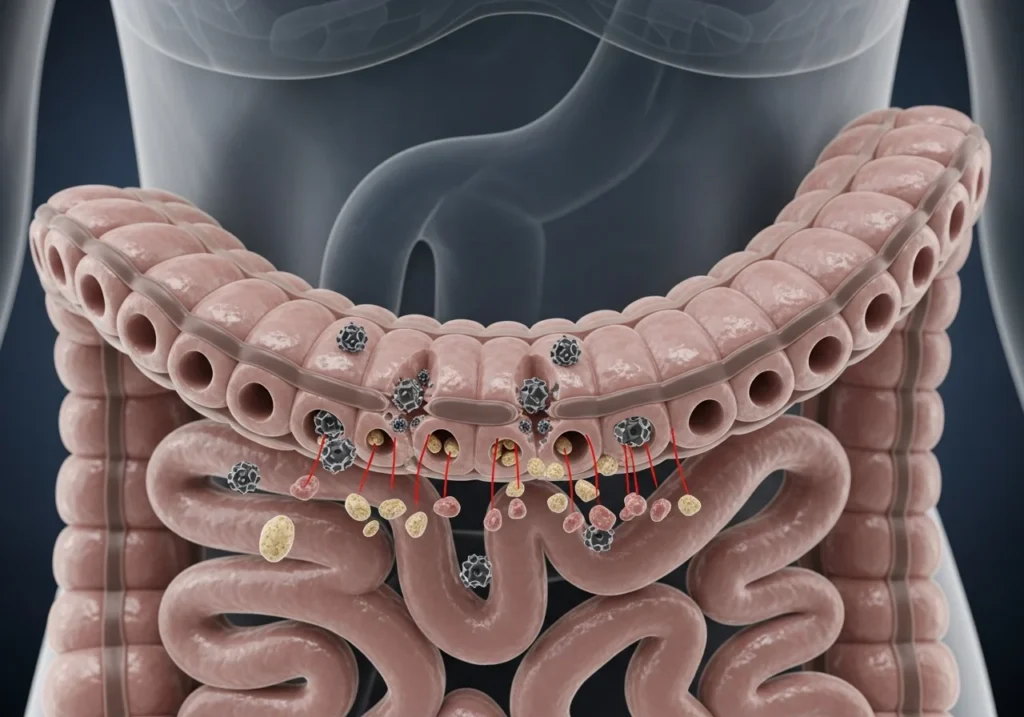
- Emotional Resilience: Does healthy living include mental and emotional health? Absolutely. Exercise releases endorphins, and a stable gut microbiome (influenced by diet) is a major producer of serotonin, the “feel-good” hormone.
- Energy and Vitality: When your body is fueled correctly and rested, your daily energy levels remain stable, reducing the need for stimulants like excessive caffeine.
What Are the 7 Pillars of Healthy Living?
To simplify what a healthy lifestyle is, we can look at the seven core pillars. If one pillar is weak, the entire structure of your health can become unstable.
1. Balanced Nutrition
Eating a variety of whole foods, focusing on plants, lean proteins, and healthy fats. It’s about feeding your cells, not just your cravings.
2. Physical Activity
Moving your body regularly. This doesn’t mean you have to run marathons; even consistent walking or stretching makes a massive difference in metabolic health.
3. Quality Sleep
The body heals during sleep. Aiming for 7–9 hours of rest is non-negotiable for cognitive function and immune strength.
4. Stress Management
Chronic stress is a “silent killer.” Techniques like mindfulness, breathwork, or even a hobby you love are essential to keep cortisol levels in check.
5. Social Connection
Human beings are social creatures. Loneliness has been clinically shown to be as damaging to health as smoking 15 cigarettes a day.
6. Preventive Care
Regular checkups and screenings help catch potential issues early. This includes dental health and vision care, which are often overlooked.
7. Avoidance of Harmful Habits
This includes limiting alcohol, avoiding tobacco, and being mindful of digital overconsumption, which can impact mental health.
Healthy Living Examples (Practical Daily Habits)
If you are looking for healthy living examples to incorporate into your routine, start with the “low-hanging fruit.” You don’t need to overhaul your entire life in twenty-four hours.
- The 10-Minute Walk: A short walk after a meal helps regulate blood sugar.
- Hydration First: Drink a full glass of water before reaching for coffee in the morning.
- The “Whole Food” Rule: Try to ensure that at least 80% of your groceries have only one ingredient (e.g., an apple, an egg, a potato).
- Digital Sunset: Turn off screens 60 minutes before bed to allow your brain to produce melatonin naturally.
- Annual Bloodwork: Visit your doctor once a year to check your cholesterol, vitamin levels, and blood pressure.
Healthy Living for Children
It is never too early to learn. If you are a teacher or parent explaining what healthy living is for Basic 2 (primary school) children, keep it simple and fun.
The Simple Version: “Healthy living means being a superhero for your own body! It means eating colorful vegetables to grow strong, playing outside to keep your heart happy, sleeping early so your brain can dream, and being kind to your friends. When we live healthily, we have the energy to play and learn all day long!”
Healthy Living Essay
For students looking for a what is a healthy living essay or a healthy lifestyle essay model, here is a foundational paragraph:
“A healthy lifestyle is more than the absence of infirmity; it is a holistic approach to human flourishing. By integrating regular physical activity with a nutrient-dense diet, individuals can significantly mitigate the risks of chronic diseases such as hypertension and obesity. Furthermore, the inclusion of mental health practices and social connectivity ensures that the psyche remains as resilient as the physique. Ultimately, healthy living is an act of self-respect, providing the vitality necessary to pursue one’s goals and contribute meaningfully to society. It is the foundation upon which a long, vibrant, and purposeful life is built.”
How to Talk to Your Parents About Healthy Living

I once consulted with a woman who was deeply concerned that her father’s sedentary lifestyle and diet were putting him at high risk for a cardiovascular event. She felt like she was “nagging,” which only made him retreat. If you are concerned that your parents are living a lifestyle putting them at risk, what will you say to them?
The key is to move from a place of “correction” to a place of “connection.” Use a script that focuses on your desire for their presence in your future.
Sample Persuasive Script:
“Mom/Dad, I’ve been reading about how much more energy people have when they make small changes to their movement and diet. I love having you around, and I want to make sure you’re here to see [grandkids/future events] with as much vitality as possible. Would you be open to going for a 15-minute walk with me after dinner? I’d really value that time together.”
Why this works:
- It expresses concern without judgment.
- It focuses on a specific, low-barrier action (a 15-minute walk).
- It offers a “participation” model rather than an “instruction” model.
Online Shopping vs. Brick-and-Mortar: Which is Better for Healthy Living?
The way we acquire our food and products has shifted dramatically. When we ask Online Shopping vs. Brick-and-Mortar: Which is Better for Healthy Living?, there is no single winner—only different strategies.
Online Shopping
- Pros: Allows for easy comparison of healthy living products, access to organic “Bulk” items, and prevents the impulse buying of sugary snacks at the checkout line.
- Cons: You lose the ability to inspect the freshness of produce, and the lack of physical movement (walking through the store) reduces your daily step count.
Brick-and-Mortar
- Pros: Selecting your own fresh greens ensures higher nutrient density. The physical act of shopping contributes to “NEAT” (Non-Exercise Activity Thermogenesis), which burns calories.
- Cons: Higher exposure to “food desert” limitations and clever marketing that pushes processed items into your cart.
The MD Verdict: Use online shopping for dry goods and staples from a Healthy Living Catalog, but visit a local market for your fresh produce to ensure you’re getting the highest quality vitamins.
Healthy Living Products — What Actually Matters?
You have likely seen a Healthy Living website or a Healthy Living Catalog promising a “shortcut” to wellness through powders and gadgets. While some tools are helpful, most “healthy living products” are secondary to the pillars we discussed earlier.
What to prioritize:
- Whole Foods: Spend 80% of your budget here.
- Supportive Footwear: A good pair of walking shoes is more valuable than a luxury gym membership.
- Sleep Environment: Blackout curtains and a quality mattress are true health investments.
- Wearables: Devices that track heart rate and sleep can provide helpful data, provided they don’t cause “data anxiety.”
Avoid the “marketing traps” of detox teas or expensive “superfood” blends that claim to replace actual vegetables. There is no product that can replace the biological necessity of movement and whole-food nutrition.
Frequently Asked Questions
What is healthy living?
Healthy living is an ongoing journey of making intentional choices that support your total well-being. It involves balancing physical activity, nutritious eating, and mental health practices to live a long, vibrant life.
What are the 7 pillars of healthy living?
The seven pillars include balanced nutrition, regular physical activity, quality sleep, stress management, social connection, preventive healthcare, and avoiding harmful substances like tobacco or excessive alcohol.
Why is healthy living important?
It is the primary way to prevent chronic diseases such as heart disease and diabetes. Beyond disease prevention, it increases your daily energy, improves your mood, and sharpens your cognitive function as you age.
Does healthy living include mental and emotional health?
Yes. Mental and emotional health are inseparable from physical health. Chronic stress or untreated anxiety can cause physical inflammation and weaken the immune system, making mental wellness a cornerstone of the lifestyle.
How can I encourage my parents to live healthier?
Focus on the positive and share your desire for their companionship in the future. Invite them to join you in small, enjoyable activities like a walk in the park or cooking a healthy meal together rather than lecturing them on their habits.
conclusion
knowing what a healthy living provides you with the blueprint, but your daily choices are the construction crew. Whether you are improving your own habits or helping a parent reduce their health risks, remember that perfection is not the goal—consistency is. By leaning into the seven pillars and focusing on long-term prevention, you are ensuring that your future self is as vibrant and resilient as possible.
References
- World Health Organization (WHO): Definition of Health and Wellness
- Centers for Disease Control (CDC): Healthy Living Prevention Strategies
- Harvard Medical School: The Power of Social Connection for Longevity
- National Institutes of Health (NIH): The Gut Microbiome and Human Health
- American Heart Association: Tips for Talking to Loved Ones About Health
Related Posts






MORE from Author
Read More Just last week, a patient named Sarah walked into my clinic carrying three different boxes of popular gut biome tests.…
 Recently, a frustrated patient named Mark visited my public health clinic. He handed me an expensive, beautifully packaged at-home stool…


- Have you ever felt constantly exhausted and painfully bloated after normal meals? Recently, a patient named Sarah sat in my…
- For most healthy adults, 7 hours of sleep per night is the minimum recommended amount, but 7–9 hours is ideal.…