What Is Preventive Care and Why Is It Important for Long-Term Health?
Have you ever wondered why your doctor insists on checkups when you feel perfectly fine? It seems counter intuitive to visit a clinic when you have zero symptoms.
However, this proactive approach is the secret to a long, vibrant life. Preventive care is important because it helps detect disease early, prevent chronic illness, reduce healthcare costs, and improve long-term health outcomes. Services like screenings, vaccinations, and lifestyle counseling protect individuals and communities before symptoms appear.
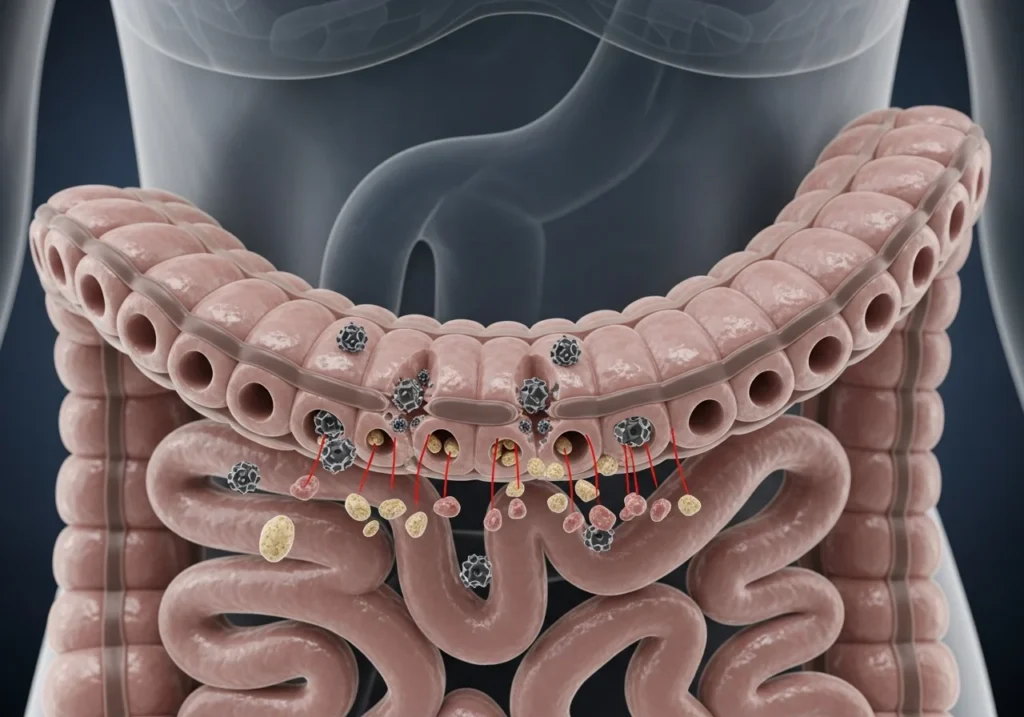
In my years of clinical practice, I’ve seen two types of patients. There are those who wait for pain to strike and those who prioritize prevention. Recently, I sat down with a long-time patient named Sarah. She was hesitant about a routine colonoscopy because she felt “great.” We discussed how preventive care is important for catching silent issues.
Thankfully, she proceeded. We found and removed precancerous polyps that would have become life-threatening within years. This is why I am so passionate about public health education. Protecting your future self starts with the decisions you make today while you are still healthy.
Preventive Care Definition (What It Is and What It Is Not)
To understand why this matters, we must first define our terms. What exactly is the preventive care definition in a clinical setting? Simply put, it involves medical services intended to prevent illnesses, disease, or complications.
It is the polar opposite of “reactive care.” Reactive care happens when you visit the ER for chest pain. Preventive care happens when you check your cholesterol to ensure that chest pain never occurs.
Preventive Care Examples
Common preventive care examples include:
- Annual wellness exams and physicals.
- Immunizations (Flu, HPV, Shingles).
- Screenings (Mammograms, Colonoscopies, Blood pressure).
- Behavioral counseling for tobacco cessation or weight loss.
The Three Levels of Prevention
In public health, we categorize preventive healthcare services into three distinct stages:
- Primary: Preventing the disease before it ever occurs (e.g., vaccines).
- Secondary: Detecting a disease in its earliest, most treatable stages (e.g., screenings).
- Tertiary: Managing an existing disease to prevent it from getting worse.
Why Is Preventive Care Important in Health and Healthcare?
Many people ask, why is preventive care important on a global scale? The answer lies in the massive burden of chronic disease. In the United States, chronic conditions like heart disease and diabetes drive the majority of deaths.
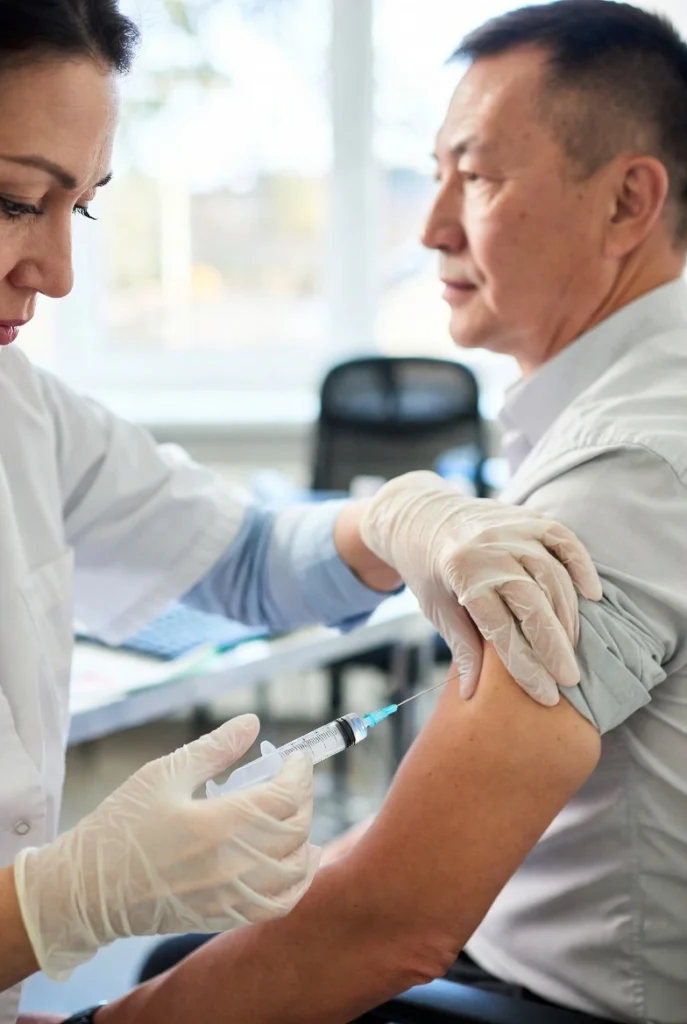
Furthermore, why is preventive health care important for the average family? It directly impacts your life expectancy. When we catch high blood pressure early, we prevent the strokes that steal grandfathers from their families.
Similarly, why is preventive healthcare important for quality of life? It isn’t just about living longer; it is about living better. Staying ahead of illness means more years of mobility, cognitive clarity, and independence.
Ultimately, why is preventive care so important? It shifts the focus from “sick care” to true “healthcare.” This transition is vital for a sustainable society and a healthier population.
Why Is Prevention More Important Than Treatment?
You have likely heard the old adage, “An ounce of prevention is worth a pound of cure.” But why is prevention more important than treatment in modern medicine? First, consider the physical toll of invasive treatments like chemotherapy or major surgery.
Prevention is much gentler on the human body. Furthermore, why is prevention important in health when we have such advanced technology? Even the best treatments often cannot fully restore the body to its original state.
Therefore, why is it important to protect your health before it fails? Because treatment is often a game of “catch up.” Prevention allows you to keep the lead. It reduces the physical, emotional, and financial strain on both the patient and the provider.
Benefits of Preventive Health Care (What the Evidence Shows)
When we look at benefits of preventive health care scholarly articles, the data is overwhelming. Clinical research consistently shows that populations with high rates of preventive service use have lower mortality rates.
According to preventive care statistics, nearly 100,000 lives could be saved annually in the US through just a few key screenings. This is a staggering figure that highlights a gap in our current system.
Moreover, why is preventive care important statistics often point to the “prevention gap.” Only about 8% of US adults aged 35 and older receive all recommended high-priority clinical preventive services.
Finally, why is preventive care important facts show that for every dollar spent on childhood immunizations, the system saves over $10 in future costs. The evidence is clear: prevention wins every time.
How Preventive Care Reduces Healthcare Costs
Economic stability is a major reason how does preventive care reduce healthcare costs. When a patient manages their pre-diabetes through lifestyle changes, they avoid the massive costs of insulin and dialysis.
Indeed, why is preventive care important for reducing healthcare costs? It lowers the frequency of expensive emergency room visits. Many ER visits are for “ambulatory care sensitive conditions” that a primary doctor could have managed.
Consequently, why is preventive care important in reducing hospitalizations? It keeps chronic conditions stable. A simple $50 blood test can prevent a $50,000 hospital stay for a heart attack.
This cost-saving benefit extends to everyone. Employers see lower insurance premiums, and taxpayers see reduced strain on Medicare and Medicaid. It is the most efficient way to run a healthcare system.
Preventive Care Guidelines for Adults (US-Focused)
Navigating the healthcare system can be confusing. To help, the USPSTF provides clear preventive care guidelines. These are based on rigorous scientific review and age-specific risks.
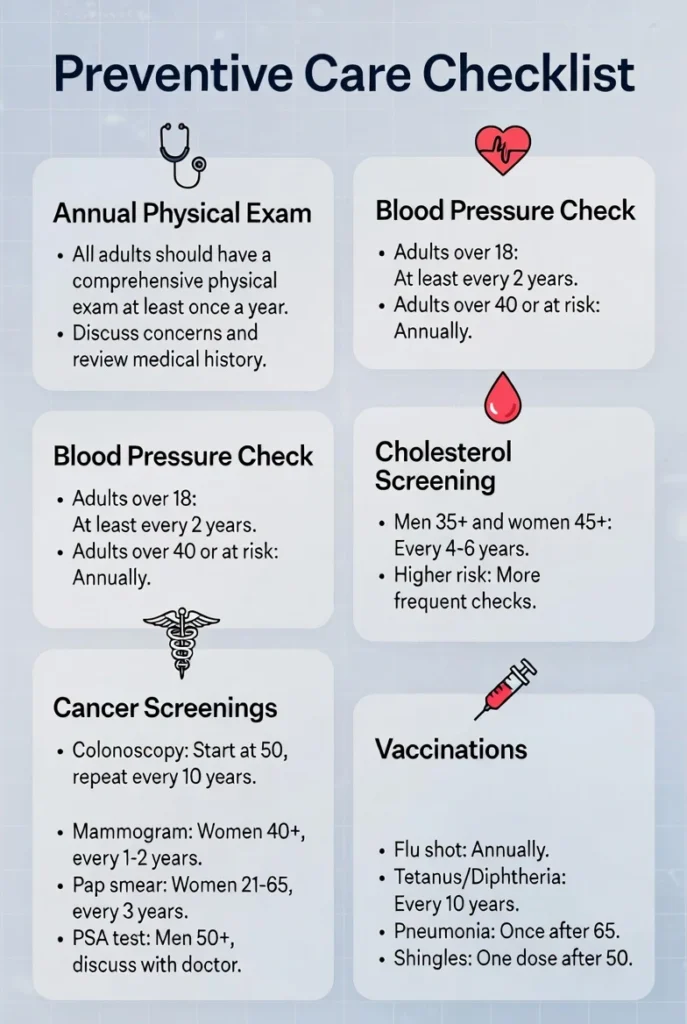
Following preventive care guidelines for adults ensures you aren’t over-screened or under-protected. For example, blood pressure checks should begin at age 18. However, colon cancer screenings typically begin at age 45 for average-risk individuals.
Below are recommended preventive screenings by age for most adults:
- Ages 18-39: Blood pressure, cholesterol, and infectious disease screenings.
- Ages 40-64: Mammograms, colorectal cancer screening, and Type 2 diabetes testing.
- Ages 65+: Bone density scans, abdominal aortic aneurysm screening (for former smokers), and fall prevention.
Are You Up to Date With Preventive Care?
It is easy to let your health slide when life gets busy. However, are you up to date with preventive care? If it has been more than a year since your last physical, the answer is likely no.
Perhaps you are wondering, why is preventive care important before symptoms appear? Many of the most dangerous conditions, like hypertension or early-stage cervical cancer, are “silent killers.” They do not hurt until it is often too late.
Checking in with your doctor while you feel well is an act of self-respect. It gives you a baseline for your health. This way, if something changes later, your medical team will notice the shift immediately.
Why Preventive Care Is Important Across the Lifespan
Health needs shift as we grow. Because of this, the focus of our medical visits must also evolve. Each stage of life presents unique risks that require specific clinical strategies.
Children & Early Life
Many parents ask, why is preventive care important for children? During the first few years, the brain and body develop at a rapid pace. Pediatricians use “well-child” visits to track growth milestones.
Furthermore, why is preventive care important for children under 5? This window is critical for identifying developmental delays or vision issues. Early intervention can literally change the trajectory of a child’s educational and social life.
Pregnant Women
Expectant mothers often face unique physiological stress. So, why is preventive care important for pregnant women? Prenatal visits monitor for gestational diabetes and preeclampsia. These conditions can be dangerous for both mother and baby if left undetected.
Adults
As we enter our working years, why is preventive care important for adults? This is the time when lifestyle habits begin to manifest as physical markers. Managing stress, weight, and alcohol intake now prevents major crises in your 50s and 60s.
Moreover, why is preventive care important in primary care? Your primary doctor acts as a “health quarterback.” They ensure you don’t receive duplicate tests while keeping all your specialists informed of your baseline health.
Seniors & Aging Population
For our older neighbors, why is preventive care important for seniors? Aging increases the risk of falls and cognitive decline. Preventive visits often include “Annual Wellness Visits” under Medicare that focus on safety and memory.
Additionally, why is preventive care important for aging population? It helps maintain independence. By managing bone density and vision, we keep seniors active and out of long-term care facilities for as long as possible.
Preventive Care for Chronic Disease Prevention
Chronic diseases are the leading cause of death and disability in the US. However, many are entirely preventable. Let’s look at the “Big Four” and why early action is vital.
Heart Disease
Cardiovascular issues often develop over decades. So, why is preventive care important for heart disease prevention? Most people don’t “feel” high cholesterol. Screening allows us to intervene with diet or statins before a heart attack occurs.
Diabetes
Pre-diabetes affects millions of Americans. Thus, why is preventive care important for diabetes prevention? If we catch elevated blood sugar early, weight loss and exercise can often reverse the trend. This avoids the lifelong need for insulin injections.
Cancer
Early detection saves lives. Therefore, why is preventive care important for cancer screening? When we find cancer at “Stage 0” or “Stage 1,” the survival rate is often above 90%. Waiting for a lump or pain usually means the cancer has spread.
Obesity & Lifestyle Diseases
Metabolic health is the foundation of wellness. Consequently, why is preventive care important for lifestyle diseases? It provides a framework for behavioral change. Doctors can offer referrals to nutritionists or health coaches through preventive benefits.
Furthermore, why is preventive care important for obesity prevention? Obesity is a gateway to over 200 other conditions. Addressing it through regular check-ins prevents a domino effect of medical complications later in life.
Preventive Care Beyond Physical Health
Health isn’t just about your heart and lungs. True wellness involves your mouth, your mind, and your immune system.
Dental Health
Many overlook the mouth, but why is preventive dental care important? Gum disease is linked to heart disease and systemic inflammation. Regular cleanings prevent painful infections and the need for expensive root canals or implants.
Mental Health
Mental wellness is just as vital as physical fitness. So, why is preventive care important for mental health? Screening for depression and anxiety at your physical can lead to early therapy. This prevents crises that might otherwise lead to job loss or relationship strain.
Vaccinations
Immunizations are the gold standard of public health. Why? Because why is preventive care important for vaccinations? They create “herd immunity.” This protects the most vulnerable among us who cannot get vaccinated due to medical reasons.
Preventive Care in Healthcare Systems & Policy
On a macro level, how we pay for health determines how healthy we are. Policy plays a massive role in whether people can access these services.
Insurance & Coverage
The Affordable Care Act (ACA) changed the landscape. But why is preventive care important in health insurance? Most plans must now cover USPSTF “Grade A and B” services with $0 out-of-pocket cost. This removes the financial barrier to getting checked.
Similarly, why is preventive care important in Medicare? It keeps the program solvent. By keeping seniors healthy, Medicare spends less on expensive hospitalizations. The same logic applies when we ask why is preventive care important in Medicaid.
Employers & Workplace Wellness
Productivity is tied to health. Consequently, why is preventive care important for employers? Healthy employees take fewer sick days and are more engaged. It is a direct investment in the company’s bottom line.
Moreover, why is preventive care important for workplace wellness? Programs like on-site flu clinics or gym subsidies build a culture of health. This reduces turnover and improves overall employee morale.
Public & Community Health
At the local level, why is preventive care important in public health? It allows for disease surveillance. When clinics report data, health departments can spot outbreaks before they become epidemics.
Furthermore, why is preventive care important in community health? It provides a safety net. And why is preventive care important for health equity? It ensures that zip codes don’t determine life expectancy by providing equal access to life-saving screenings.
Preventive Care in Clinical Practice & Education
If you are a student, you might be wondering about the professional side. The shift toward “Value-Based Care” makes this more relevant than ever.
Nursing & Family Medicine
In the clinic, why is preventive care important in nursing? Nurses are often the ones providing patient education. They explain the “why” behind the tests, which increases patient compliance.
Likewise, why is preventive care important in family medicine? It builds long-term trust. A family doctor who knows your history can spot subtle changes that a stranger in an Urgent Care clinic would miss.
Value-Based Care
The system is moving away from “Fee-for-Service.” Thus, why is preventive care important in value based care? In this model, doctors are paid to keep you healthy, not just to treat you when you’re sick. It aligns the doctor’s goals with the patient’s goals.
Preventive Care in the US and Globally
The importance of prevention transcends borders, yet the challenges differ based on where you live. In the United States, we have the technology but often struggle with access.
Therefore, why is preventive care important in the US healthcare system? We spend more on healthcare than any other nation, yet our outcomes often lag. Prioritizing prevention is the only way to pivot from a high-cost, reactive model to one that actually sustains life.
Furthermore, why is preventive care important in rural healthcare? In areas where the nearest hospital might be an hour away, early detection is a literal lifesaver. Regular screenings at local clinics prevent the need for emergency medical flights and long-distance travel for chronic care.
The Global Perspective
When we look abroad, why is preventive care important in developing countries? In these regions, prevention often focuses on infectious diseases and basic sanitation. Simple interventions, like clean water initiatives and vaccinations, provide a massive return on investment for the local economy.
Ultimately, why is preventive care important for health policy? Leaders must realize that building clinics is only half the battle. We must also build trust in the services those clinics provide to ensure people show up before they are ill.
Early Detection, Diagnosis & Long-Term Health
The link between today’s checkup and tomorrow’s health is undeniable. We often focus on the “now,” but your medical record is a story that unfolds over decades.
So, why is preventive care important for early detection? Think of your body like a high-performance vehicle. You wouldn’t wait for the engine to smoke before changing the oil. Early detection finds the “leaks” while they are still easy to fix.
Similarly, why is preventive care important for early diagnosis? A diagnosis is not a death sentence; it is a roadmap. Knowing you have high blood sugar allows you to change your route before you reach the “bridge” of permanent organ damage.
Most importantly, why is preventive care important for long term health? It preserves your “health span.” This is the period of your life spent in good health, rather than just the total number of years you are alive. We want those extra years to be spent traveling and playing with grandkids, not in a hospital bed.
Preventive Care Resources (Academic & Presentation Use)
If you are a student or a healthcare professional, you may need to present these concepts to others. Using a preventive health care PPT can help visualize the cost-savings and life-saving potential of these services.
If you are tasked with writing a why is preventive care important essay, focus on the shift from individual benefit to societal impact. Contrast the cost of a vaccine with the cost of an ICU stay. This comparison is the most effective way to argue for policy changes.
For those looking for a why is preventive care important article to share with patients, look for materials that use plain language. This helps bridge the gap between complex medical data and daily health choices. Finally, if you need a why is preventive care important speech topic, consider focusing on “Health Equity through Prevention.” It is a powerful way to address how preventive services can close the gap in life expectancy between different communities.
Frequently Asked Questions
Does insurance always cover preventive care?
Most private health insurance plans in the US are required by the ACA to cover recommended preventive services without a copay. This typically includes screenings and immunizations. However, always check with your specific provider to see if you have met your plan’s requirements.
How often should I get a checkup?
For most healthy adults, an annual wellness exam is the gold standard. During this visit, your doctor will determine which specific screenings you need based on your age, gender, and family history.
Can I do preventive care at home?
While professional screenings are essential, you can practice “self-prevention.” This includes eating a balanced diet, exercising for 150 minutes a week, and performing skin checks for unusual moles. These habits complement your clinical care.
Is preventive care only for physical health?
No, it absolutely includes mental and dental health. Your primary care provider can screen you for depression or anxiety. Regular dental cleanings are also preventive, as they stop oral bacteria from entering your bloodstream.
Why do I need screenings if I feel fine?
Many chronic conditions, such as high blood pressure and early-stage cancer, do not cause symptoms. By the time you feel “sick,” the condition may be advanced. Screenings catch these issues when they are most treatable.
Final Summary — Why Preventive Care Is Essential for Individuals and Society
In conclusion, your health is your most valuable asset, but it requires active maintenance. Throughout this guide, we have explored why preventive health care is important for every stage of life. It is the foundation of a functional medical system and a thriving community.
As we have seen, why preventive care is important for overall health comes down to early action. By identifying risks before they become crises, we save lives, money, and heartache. This is also why is preventive care important for families; it ensures that parents and grandparents remain present and active for the moments that matter most.
Don’t wait for a “check engine” light to appear in your own body. Contact your primary care provider today to schedule your annual physical. It is the simplest, most effective step you can take for your future.
Evidence-Based References
- Centers for Disease Control and Prevention (CDC). (2023). Preventive Care Benefits.
- U.S. Preventive Services Task Force (USPSTF). (2023). A and B Recommendations.
- National Institutes of Health (NIH). (2022). The Economics of Prevention.
- World Health Organization (WHO). (2023). Global Action Plan for the Prevention and Control of NCDs.
- American Journal of Preventive Medicine. (2021). The Clinical Case for Preventive Services.

Related Posts





MORE from Author
Read More Just last week, a patient named Sarah walked into my clinic carrying three different boxes of popular gut biome tests.…
 Recently, a frustrated patient named Mark visited my public health clinic. He handed me an expensive, beautifully packaged at-home stool…

- Have you ever felt constantly exhausted and painfully bloated after normal meals? Recently, a patient named Sarah sat in my…
- For most healthy adults, 7 hours of sleep per night is the minimum recommended amount, but 7–9 hours is ideal.…