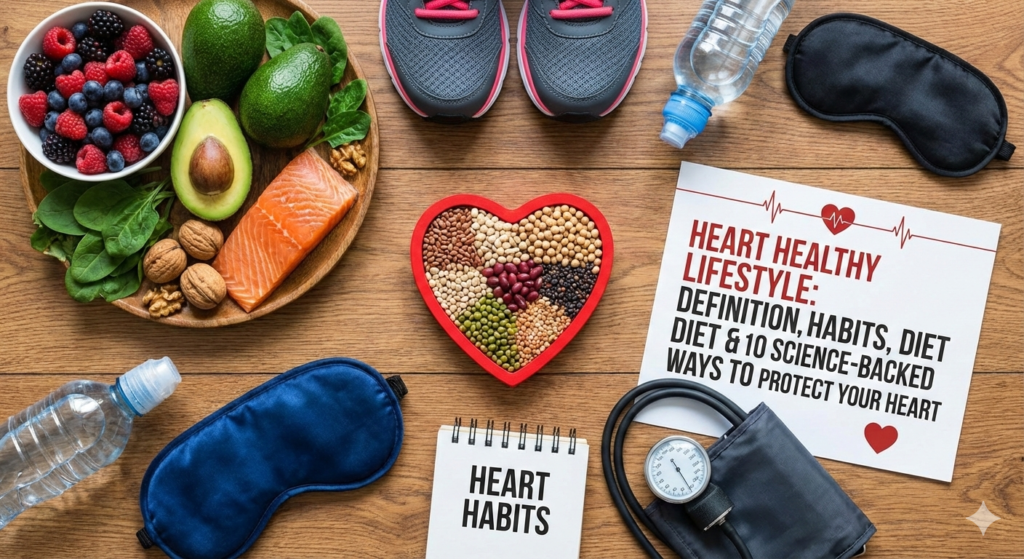
What Is a Healthy Lifestyle? Definition, Benefits, Routine & Real-Life Examples

When patients visit my clinic, they frequently ask me, “Doc, what is a healthy lifestyle, really?” They feel completely overwhelmed by conflicting internet advice, fad diets, and extreme workout routines. Therefore, they just want a simple, honest answer about how to protect their health.
First of all, I always reassure them that true wellness does not require perfection. You do not need to spend hours in the gym or eat flawless meals every single day. Instead, it is about building small, sustainable daily habits that protect your body over time.
In this comprehensive guide, we will break down exactly what a healthy lifestyle looks like in the real world. Furthermore, we will explore practical routines, core benefits, and how you can start making better choices today.
TL;DR — Quick Summary Box
If you are short on time, here is the quick, clinically approved summary of a healthy living definition.
A healthy lifestyle is a consistent pattern of daily habits that directly reduces your risk of chronic disease. Core elements always include:
- Eating a nutritious, balanced diet.
- Engaging in regular physical activity.
- Getting adequate, restorative sleep.
- Managing daily psychological stress.
- Avoiding tobacco and limiting alcohol.
- Prioritizing preventive medical care.
Healthy Definition & Meaning of a Healthy Lifestyle
People constantly search for a healthy definition that actually makes sense for their busy lives. Medically speaking, understanding the term “healthy lifestyle” requires looking at your entire daily routine, not just your diet.
What is a healthy lifestyle exactly? A healthy lifestyle is a way of living that actively lowers your risk of chronic disease and supports overall well-being. This is achieved through consistent, protective habits like balanced eating, daily physical activity, adequate sleep, and emotional regulation.
Consequently, the concept of healthy lifestyle choices goes far beyond just losing weight. It is fundamentally about giving your body the exact biological resources it needs to thrive, repair tissue, and fight off infections.
What Is Considered a Healthy Lifestyle?
Many beginners wonder what is considered a healthy lifestyle when building a new wellness plan. To make this concept actionable, I always break it down into five foundational pillars for my patients.
Five Core Characteristics of Wellness
If you want to master healthy living, you must focus on these specific characteristics. First, you need a balanced, nutrient-dense diet filled with whole foods and minimal processed junk.
Second, regular physical activity is an absolute must to keep your heart and muscles strong. Third, getting sufficient, high-quality sleep allows your brain and body to properly recover overnight.
Furthermore, you must build emotional resilience and practice active stress management to keep your cortisol levels low. Finally, the strict avoidance of harmful substances, like tobacco and excessive alcohol, is non-negotiable for long-term health.
Why a Healthy Lifestyle Is Important
In my practice, I spend a lot of time explaining what a healthy lifestyle actually means for longevity. Cardiovascular disease and diabetes are skyrocketing. But the Centers for Disease Control and Prevention (CDC) clearly states that most of these cases are preventable.

Therefore, making smart lifestyle choices directly protects you from debilitating chronic diseases. Furthermore, it drastically reduces your cardiovascular risk, improves your daily mental health, and saves you thousands of dollars in future healthcare costs.
Ten Benefits of Healthy Lifestyle Habits
The clinical benefits of living well are truly staggering. Here are 10 benefits of a healthy lifestyle that you will experience:
- Significantly lower resting blood pressure.
- Reduced levels of harmful LDL cholesterol.
- Better, more stable blood sugar control.
- Improved daily mood and reduced anxiety.
- Vastly increased physical energy levels.
- A healthier, more sustainable body weight.
- A stronger, more resilient immune system.
- Deeper, more restorative nighttime sleep.
- Improved cognitive function and memory.
- A significantly longer, more active lifespan.
What Is a Healthy and Active Lifestyle?
Sometimes, patients think that eating a salad is enough, but they completely ignore their daily movement. So, what is a healthy and active lifestyle in practical terms? It means actively fighting against the severe risks of a sedentary lifestyle.
To maintain optimal cardiovascular health, you must aim for 150 to 300 minutes of moderate exercise every single week. Furthermore, adding strength training at least twice a week helps preserve your vital bone density and muscle mass as you age.
Therefore, living a healthy lifestyle requires intentional, daily physical movement. Whether you choose brisk walking, swimming, or cycling, simply getting your heart rate up is the ultimate goal.
What Is a Healthy Lifestyle Routine?
Knowing the science is great, but applying it daily is where the real magic happens. Patients frequently ask, “What is your first thing for a healthy lifestyle?” I always tell them to start by mastering their very first hour of the day.
If you want to know how to maintain a healthy lifestyle, you must build a predictable routine. Instead of overhauling your entire life overnight, focus on habit stacking. Here is a highly effective clinical sample routine you can try.
Sample Daily Wellness Template
Morning Habits: Start your day with proper hydration by drinking a large glass of water. Next, engage in just 10 minutes of light movement or stretching, followed by a protein-rich breakfast to stabilize your blood sugar.
Midday Habits: Enjoy a balanced lunch filled with lean proteins and healthy fats. Furthermore, take a short, brisk walk outside during your break to get natural sunlight and lower your midday stress.
Evening Habits: Eat a light, easily digestible dinner at least three hours before bed. Afterward, implement a strict digital detox by turning off screens, and aim for seven to nine hours of deep sleep.
What Is a Healthy Lifestyle Diet?
In my clinic, the most confusing topic for patients is almost always nutrition. They constantly ask, “What is a healthy lifestyle diet, and how do I actually stick to it?” I always recommend focusing strictly on whole, unprocessed foods.
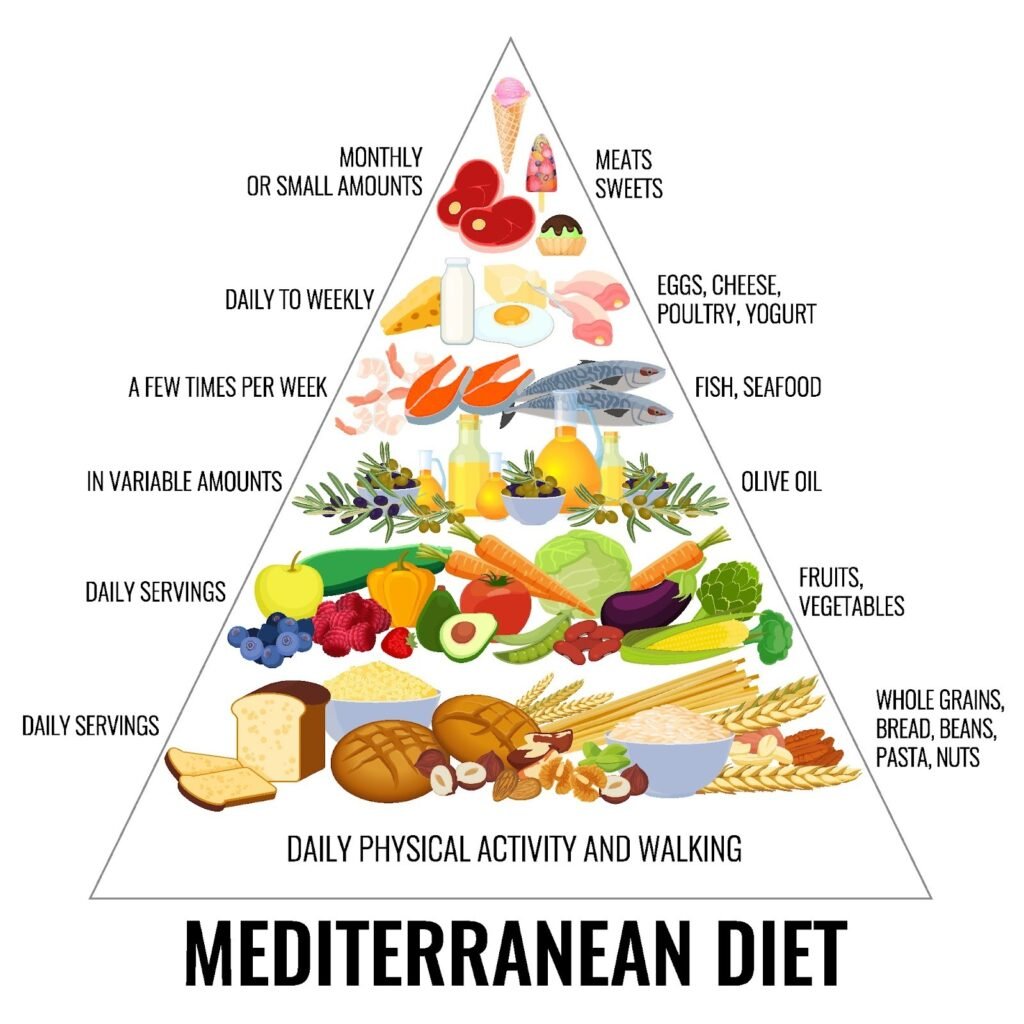
A true heart-healthy lifestyle begins by prioritizing fiber-rich vegetables, lean proteins, and healthy fats. You must severely limit ultra-processed foods, refined carbohydrates, and excess added sugars. These highly processed items directly cause dangerous vascular inflammation.
For optimal cardiovascular protection, I strongly recommend following the Mediterranean or DASH diet. These science-backed eating patterns are clinically proven to lower blood pressure and naturally balance your blood sugar.
What Is a Healthy Lifestyle for Kids, Teenagers & Children?
Building healthy habits early actively prevents decades of metabolic struggles later in life. Therefore, concerned parents frequently ask me, “What is a healthy lifestyle for a child?” The approach must be highly age-appropriate.
For young children, the primary focus must be on daily, play-based physical activity and balanced, colorful meals. Furthermore, you must strictly limit their daily screen time to protect their rapidly developing brains.
When considering what a healthy lifestyle for a teenager is, deep sleep becomes the absolute top priority. Teens desperately need eight to ten hours of sleep nightly to support massive hormonal and neurological changes.
Additionally, participating in team sports builds vital physical confidence and cardiovascular endurance. What is a healthy lifestyle for kids ultimately depends heavily on strong, positive parental modeling at home.
What Is a Healthy Lifestyle in the UK vs the US?
Interestingly, nutritional guidelines differ slightly depending on where you live in the world. Patients often read international medical studies and ask, “What is a healthy lifestyle, UK style versus the US guidelines?”
In the United Kingdom, the National Health Service uses the “Eatwell Guide” to visually represent a balanced diet. Conversely, in the United States, we utilize the USDA “MyPlate” model to guide daily food portions.
While what the NHS recommends as a healthy lifestyle is fundamentally similar to US guidelines, minor differences exist. For example, clinical sodium reduction targets and specific daily fiber recommendations vary slightly between the two nations’ public health boards.
Healthy Lifestyle Examples (Practical Scenarios)
To make these medical concepts truly actionable, we must look at realistic, everyday applications. Here are a few practical healthy lifestyle examples tailored to entirely different stages of life.
Example 1: The Busy Professional: A healthy routine means taking standing breaks every hour and packing a nutrient-dense lunch. Furthermore, it requires prioritizing seven hours of sleep despite high corporate stress.
Example 2: The College Student: This involves walking to classes, choosing lean proteins in the dining hall, and avoiding binge drinking. Additionally, managing heavy exam anxiety through regular exercise is crucial.
Example 3: The Active Parent: What is a healthy lifestyle for you as a busy parent? It means cooking balanced family meals, playing outdoors with your kids, and actively scheduling your own preventive medical checkups.
Example 4: The Older Adult: A focus on daily mobility stretching and water aerobics protects aging joints. Furthermore, eating a high-fiber diet is essential to maintain proper digestive function and metabolic health.
What Is a Healthy Lifestyle in 5 Sentences? (Student-Friendly Section)
Students frequently contact my office looking for a concise, medically accurate summary for a school health lifestyle topic. If you need to write a quick healthy lifestyle essay, here is the perfect core definition.
A healthy lifestyle is a proactive approach to daily living that protects your physical and mental well-being. It requires eating a balanced diet rich in whole foods and engaging in regular cardiovascular exercise.
Furthermore, getting adequate sleep and managing daily psychological stress are absolutely vital for long-term health. Avoiding harmful substances, like tobacco and excessive alcohol, actively prevents chronic metabolic diseases. Ultimately, these consistent, positive daily choices drastically improve your overall quality of life and longevity.
What Is the Key to a Healthy Lifestyle?
After treating thousands of patients, I know exactly what makes wellness routines stick permanently. So, what is the key to a healthy lifestyle that actually lasts a lifetime?
The absolute ultimate secret is choosing daily consistency over absolute perfection. You do not need to be entirely flawless; you simply need to make biologically sound choices most of the time.
Furthermore, utilizing “habit stacking”—like drinking water immediately after brushing your teeth—makes new behaviors completely automatic. Finally, surrounding yourself with a highly supportive social circle makes healthy living infinitely easier and more enjoyable.
What Is a Healthy Balanced Lifestyle?
In preventive medicine, we constantly emphasize the critical concept of total systemic equilibrium. Therefore, what is a healthy, balanced lifestyle beyond just restrictive diets and exhausting exercise?
A truly balanced life means your physical health pursuits do not completely consume your mental peace. It involves setting strict, non-negotiable boundaries at work to actively protect your personal time and family relationships.
Additionally, nurturing your social health by spending quality time with loved ones is highly biologically protective. True wellness represents a beautiful, sustainable harmony between your physical, emotional, and social needs.
Frequently Asked Questions
What is healthy living?
Healthy living is the consistent daily practice of making choices that actively improve your physical and mental health. This directly includes eating nutritious, whole foods, exercising regularly, and managing your psychological stress levels effectively.
What is the meaning of a healthy lifestyle?
The core meaning of a healthy lifestyle revolves around proactive disease prevention and optimizing your daily biological function. It represents a lifelong commitment to providing your body with the exact nutrients, movement, and rest it needs to thrive.
What are 10 tips for a healthy lifestyle?
Ten excellent clinical tips include drinking more water, walking daily, eating more fibrous vegetables, prioritizing deep sleep, and reducing added sugar. Furthermore, lifting weights, managing stress, quitting smoking, limiting alcohol, and scheduling regular doctor visits are essential.
What are 5 characteristics of a healthy lifestyle?
The five absolute core characteristics include maintaining a balanced, nutrient-dense diet and engaging in regular cardiovascular physical activity. Additionally, securing adequate nightly sleep, practicing active emotional regulation, and strictly avoiding harmful substances build this foundation.
What is a healthy lifestyle exactly?
Exactly defined, it is a holistic, full-body approach to wellness that perfectly balances physical fitness, nutritional adequacy, and mental resilience. It focuses entirely on sustainable, long-term daily habits rather than short-term, highly restrictive fad diets.
Conclusion
Ultimately, completely overhauling your daily routine can feel incredibly intimidating at first. However, understanding exactly what a healthy lifestyle is empowers you to make small, sustainable changes without overwhelming stress. Therefore, please remember that you do not need to be absolutely perfect to see massive clinical benefits.
Consequently, I strongly encourage you to pick just one simple habit to focus on this week. For example, simply drinking an extra glass of water every morning or taking a brisk ten-minute walk after dinner works wonders. In addition, these tiny, consistent choices compound over time to build a profoundly resilient, energetic body.
Finally, your personal health journey is unique, and you deserve expert, individualized support. Therefore, always discuss any major lifestyle changes with your primary care physician to ensure they fit your specific medical needs. As a physician, I want you to know that investing in your daily wellness is the absolute greatest gift you can give your future self.
Evidence-Based References:
- Centers for Disease Control and Prevention (CDC) — Healthy Living Guide
- World Health Organization (WHO) — Healthy Diet Fact Sheet
- American Heart Association (AHA) — Healthy Living & Lifestyle
- National Health Service (NHS) — The Eatwell Guide (UK Guidelines)
- U.S. Department of Agriculture (USDA) — MyPlate Official Site (US Guidelines)




MORE from Author
Read More As a physician, I regularly see patients who are utterly exhausted from poor sleep. When you are desperately scrolling online…
- Hey, there. Let's talk about something we all want but struggle to achieve: vibrant, long-term health. These days, figuring out…


 Every week in my clinical practice, patients ask me the same desperate question: "Doc, how do I actually prevent a…
 When patients visit my clinic, they frequently ask me, "Doc, what is a healthy lifestyle, really?" They feel completely overwhelmed…