
Step-by-Step Guide to Improve Mental Wellness Naturally (Science-Backed & Practical)
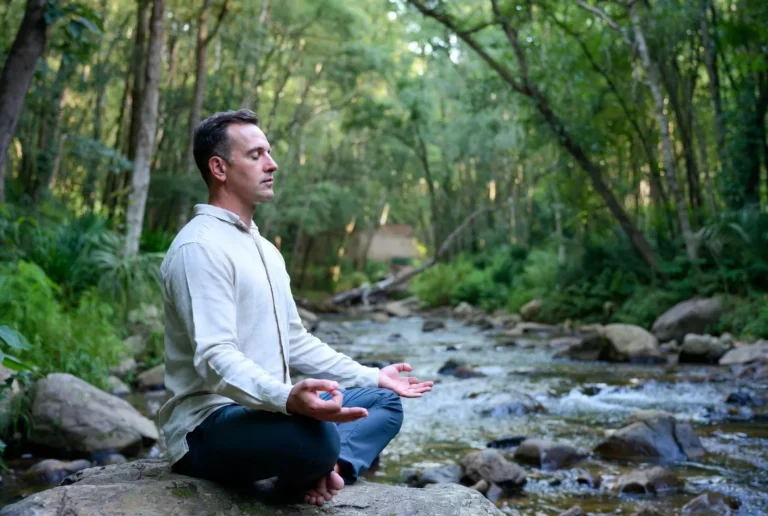
Have you ever felt like your brain is running twenty browser tabs at once? We all hit those walls where stress feels heavy and focus seems impossible.
Learning how to improve mental wellness isn’t just about avoiding burnout; it’s about feeling truly alive. In my years of medical practice, I’ve seen how small, natural shifts can change everything.
During a recent interview with a patient at Federa, we discussed how “wellness” often feels like an expensive luxury. However, true mental health is built on daily, accessible habits. It seems like everyone is looking for a magic pill today.
But what if the best tools are already in your hands? This guide offers proven strategies to improve mental wellness that actually work. Let’s dive into a science-backed journey to a clearer, happier mind.
What is Mental Wellness?
Mental wellness is more than just the absence of a diagnosis. It is a proactive state of emotional and social well-being. Think of it as your internal “shock absorber” for life’s inevitable bumps.
Mental Wellness Examples
What does this look like in the real world? It shows up when you can handle a tough day at work without spiraling. It is also seen in your ability to maintain healthy boundaries with friends.
How to Develop Mental Wellness
You develop this state by practicing emotional regulation and building resilience. This helps you recover faster from setbacks. It also involves finding a sense of purpose in your daily tasks.
Improving Emotional Health
A holistic approach focuses on the mind-body connection. When you nourish your body, you naturally support your brain’s chemistry. This synergy is the foundation of long-term emotional health.
5 Signs of Poor Mental Wellbeing
How do you know when your mental “battery” is low? Recognizing these signs early is the best way to improve mental wellness before a crisis hits.
- Chronic Fatigue: You feel exhausted even after a full night of sleep. This “brain fog” often signals high cortisol levels.
- Social Withdrawal: You start dodging texts or canceling plans frequently. This isolation often feeds a cycle of low mood.
- Sleep Disruption: You either can’t fall asleep or wake up at 3:00 AM with racing thoughts.
- Persistent Irritability: Small inconveniences feel like major disasters. Your “fuse” has become noticeably shorter.
- Lack of Concentration: You struggle to finish simple tasks. Your productivity drops because your mind won’t stay on track.
What Are the 5 C’s of Mental Health?
Psychologists often use the “5 C’s” framework to measure stability. These pillars provide a roadmap for how to improve your mental wellness effectively.
- Connection: Do you have supportive relationships?
- Coping: Can you manage stress without using unhealthy habits?
- Control: Do you feel like you have agency over your choices?
- Confidence: Do you trust your ability to handle challenges?
- Compassion: Are you kind to yourself when you make mistakes?
Science-Backed Ways to Improve Mental Wellness Naturally
If you want to know how to improve mental wellness without medication, you must look at your biology. Your brain is a chemical factory. We can influence these chemicals through specific behaviors.
Behavioral Activation
Behavioral activation is a core concept in psychology. It suggests that our actions influence our emotions more than our emotions influence our actions. Simply put, if you wait to “feel like” doing something, you might never start.
When you engage in a positive activity, your brain releases dopamine. This creates a “reward loop.” Therefore, even a ten-minute walk can jumpstart your mood.
The Mechanism of Physical Activity
Exercise is one of the most proven strategies to improve mental wellness. During movement, your body releases endorphins and Brain-Derived Neurotrophic Factor (BDNF).
BDNF acts like “Miracle-Gro” for your brain cells. It helps repair neurons and improves cognitive function. Studies show that consistent aerobic exercise can be as effective as some mild antidepressants.
Sleep Optimization and the Glymphatic System
Quality sleep is a non-negotiable natural remedy. While you sleep, your glymphatic system clears out metabolic waste from your brain. If you skip sleep, these toxins build up. Consequently, you feel moody, anxious, and slow the next day.
Mindfulness and CBT-Informed Techniques
Mindfulness isn’t just “sitting still.” It is the practice of observing your thoughts without judgment. This technique reduces activity in the amygdala, which is your brain’s fear center. Over time, this leads to lower baseline anxiety.
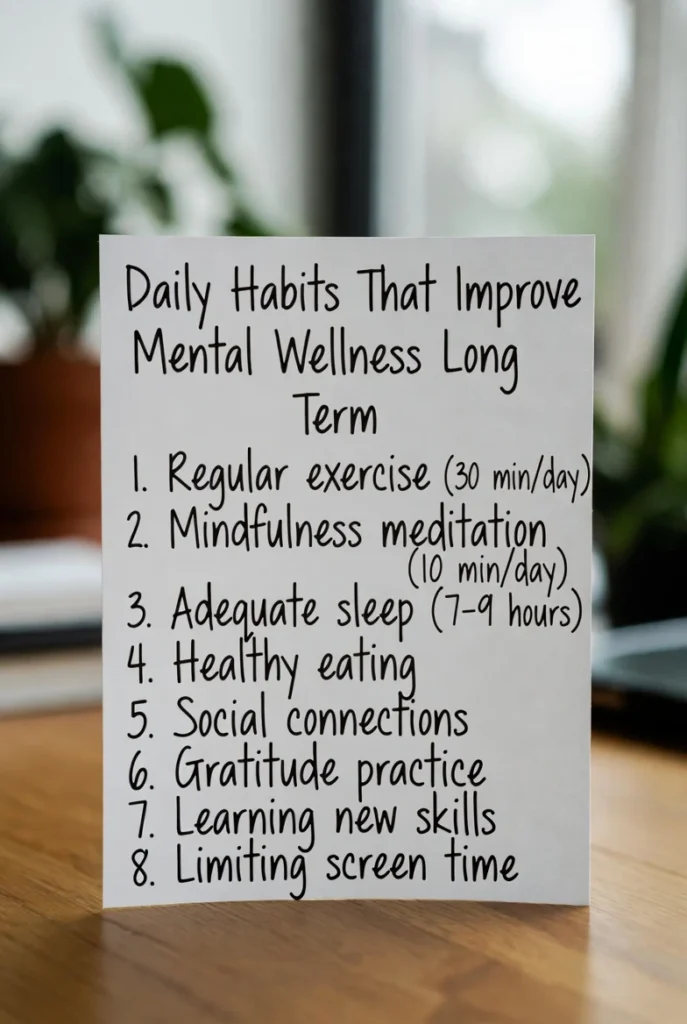
Daily Habits That Improve Mental Wellness Long Term
Consistency is the secret sauce for lifestyle changes to improve mental wellness. You don’t need a total life overhaul. Instead, focus on “micro-habits” that stack up over time.
Consistent Wake and Sleep Times
Your body loves rhythm. By going to bed at the same time daily, you regulate your circadian rhythm. This stabilizes your mood-regulating hormones like serotonin and melatonin.
Morning Sunlight Exposure
Try to get 10 minutes of direct sunlight within an hour of waking. This triggers a cortisol spike that wakes you up. It also sets a timer for melatonin production later that night.
Movement Snacks
You don’t always need an hour at the gym. A “movement snack” is a 5-minute burst of activity. Try some air squats or a quick stretch between meetings. These small bursts prevent the mental stagnation that comes with sitting.
Social Check-ins
Humans are social animals. A quick text to a friend or a brief chat with a neighbor reduces cortisol. These small connections remind your nervous system that you are safe and supported.
Morning Routine to Improve Mental Wellness & Mood
The first 60 minutes of your day set the tone for your mind. A chaotic morning leads to a chaotic brain. Alternatively, a structured start builds mental “armor.”
First of all, avoid checking your phone immediately. The flood of emails and news triggers an instant stress response. Instead, start with hydration. Drink a large glass of water to wake up your cells.
Next, try a brief gratitude practice. Write down three things you are thankful for. This shifts your brain’s “reticular activating system” to look for positives throughout the day. Finally, include some light movement. Even a few yoga poses can boost mood by increasing blood flow to the prefrontal cortex.
Mental Wellness at Home: Simple, Effective Strategies
Your environment is a reflection of your internal state. Learning how to improve mental health at home often starts with your physical space.
Declutter for Mental Clarity
A cluttered desk often leads to a cluttered mind. Excess visual stimuli compete for your attention. By tidying your immediate environment, you reduce the cognitive load on your brain.
Manage Your Light and Noise
During the evening, dim the lights to signal to your brain that it is time to wind down. If you live in a noisy area, consider a white noise machine. Reducing sensory overload is a key way how to improve mental wellness naturally at home.
Create a “Screen-Free” Zone
Designate your bedroom as a no-phone zone. The blue light from screens inhibits melatonin. Furthermore, the content we consume late at night is often stimulating or stressful. By removing screens, you create a sanctuary for rest.
Mental Wellness During Stress, Anxiety & Depression

When life feels heavy, the goal shifts from thriving to maintaining. Learning how to improve mental wellness during stress requires a gentle, evidence-based approach. You cannot “think” your way out of a physiological stress response. Instead, you must use your body to calm your mind.
The Power of Breathing Exercises
Deep breathing is one of the fastest stress management techniques for mental wellness. When you exhale longer than you inhale, you stimulate the vagus nerve. This sends a “safety” signal to your brain. It effectively flips the switch from “fight or flight” to “rest and digest.”
Cognitive Reframing for Anxiety
Anxiety often stems from “catastrophizing,” or imagining the worst-case scenario. To reduce anxiety, try to look at the facts. Is the threat real or just a thought? Reframing helps you view challenges as hurdles rather than dead ends.
Grounding Techniques for Depression
If you are struggling with depression symptoms, you might feel detached. The “5-4-3-2-1” technique helps. Name 5 things you see, 4 you can touch, 3 you hear, 2 you smell, and 1 you can taste. This brings your focus back to the present moment.
Activities That Improve Mental Health Daily
Engaging in activities to improve mental health doesn’t have to be a chore. In fact, the more enjoyable the activity, the more likely you are to stick with it.
Journaling for Mental Wellness
Writing your thoughts down provides an “emotional release.” It helps you identify patterns in your mood. Many of my patients find that “brain dumping” before bed helps clear out intrusive thoughts.
Gratitude Practice
Gratitude is more than a cliché; it’s a neurological tool. Regularly focusing on what is going well rewires your brain’s “negativity bias.” This simple shift can significantly improve mental wellness naturally.
Exercise, Movement & Mental Wellness
We often view exercise as a physical tool, but it is a mental powerhouse. Learning how to improve mental wellness with exercise is about finding what moves you.
Aerobic vs. Resistance Training
Cardio, like running or swimming, is great for immediate stress relief. It burns through excess adrenaline. However, resistance training—like lifting weights—builds long-term “mental grit.” It improves self-efficacy and confidence.
Walking and Yoga
Never underestimate a simple walk. Sunlight and movement combined are potent. Yoga adds a layer of mindfulness, teaching you to stay calm during physical discomfort. Both are excellent exercises to improve mental wellness.
Mindfulness & Meditation Techniques for Mental Wellness
Meditation is often misunderstood. You don’t have to “clear your mind.” You just have to notice when it wanders.
Breathing Exercises for Mental Wellness
Box breathing is a favorite among elite performers. Inhale for four, hold for four, exhale for four, and hold for four. This rhythmic pattern regulates the nervous system almost instantly.
Mindfulness Practices
Try “mindful eating” or “mindful walking.” Focus entirely on the sensations—the taste of the food or the feel of your feet on the ground. This keeps you from worrying about the future or regretting the past.
Sleep, Nutrition & Supplements for Mental Wellness
What you put in your body dictates how your brain functions. Foods that improve mental wellness focus on reducing inflammation. A “brain-healthy” diet includes leafy greens, berries, and fatty fish.
Supplements for Mental Support
While food is first, some vitamins and supplements for mental wellness can help. Omega-3 fatty acids support brain structure. Magnesium is known as “nature’s relaxant” and may improve sleep quality.
Important Safety Note
Note: Always consult a clinician before starting supplements like Vitamin D or B-complex. High doses can interact with medications. We prioritize safety and evidence at Federa.
Mental Wellness Across Life Stages
Students & Teenagers
The pressure on students today is immense. To improve mental health of students, we must prioritize sleep over late-night cramming. Social media boundaries are also vital for teenagers to prevent “comparison fatigue.”
Adults, Men & Women
Adults often face the “sandwich generation” stress—caring for kids and aging parents. Mental wellness tips for men often focus on breaking the silence. For women, it often involves setting boundaries to prevent emotional burnout.
Mental Wellness at Work & After Burnout
Workplace stress is a leading cause of poor mental health. To improve mental wellness at work, take “micro-breaks.” Stand up every hour. Set clear “off-clock” times where you do not check email.
If you are recovering after burnout, be patient. It takes time for the nervous system to recalibrate. Focus on low-stimulation activities and say “no” to extra commitments for a while.
Therapy & Psychological Tools
Sometimes, natural habits aren’t enough. Therapy options to improve mental wellness, like Cognitive Behavioral Therapy (CBT), provide professional tools. Positive psychology focuses on building strengths rather than just fixing weaknesses. These are essential for long-term stability.
How to Improve Mental Wellness in Miami
Living in Miami offers unique advantages. We have year-round sunlight, which is a natural mood booster. However, the heat can sometimes lead to isolation.
To improve mental wellness in Miami, take advantage of the early morning. A walk on the beach before the heat hits provides both “blue space” and Vitamin D. Social culture here is vibrant; joining a local run club or yoga group can provide the “Connection” we discussed earlier.
10 Ways to Prevent Mental Illness
Prevention is the ultimate goal. Here are the best ways to improve mental wellness for the long haul:
- Prioritize 7–9 hours of sleep.
- Eat whole, anti-inflammatory foods.
- Move your body daily.
- Limit alcohol and caffeine.
- Practice daily mindfulness.
- Maintain at least three close relationships.
- Set healthy boundaries.
- Spend time in nature.
- Limit “doom-scrolling” on news/social media.
- Seek professional help early.
Quick Wins: How to Improve Mental Wellness Fast
Need a boost right now? Drink a cold glass of water. Splash some cold water on your face to trigger the “mammalian dive reflex,” which slows your heart rate. Take five deep, slow breaths. These small acts can reset your nervous system in under two minutes.
Conclusion: Your Personalized Mental Wellness Plan
Learning how to improve mental wellness naturally is a marathon, not a sprint. Start with one small change today. Perhaps it’s a five-minute walk or a 10-minute meditation.
As an MD, I’ve seen that the most resilient people aren’t those without stress. They are the ones with the best tools. Use this step-by-step guide to improve mental wellness as your toolkit. You deserve to feel your best.
Frequently Asked Questions
Can I improve my mental wellness without medication?
Yes, many people manage mild stress and anxiety through lifestyle changes. Habits like exercise, sleep, and nutrition are powerful tools. However, always consult a doctor for severe symptoms.
What foods help with mental health?
Foods rich in Omega-3s, like salmon and walnuts, are excellent. Fermented foods like yogurt also support the “gut-brain axis.”
How long does it take to see results?
Some “quick wins” work instantly. However, long-term changes usually take 2–4 weeks of consistency to notice a significant shift in mood.
Is sunlight really that important?
Absolutely. Sunlight regulates your internal clock. This affects everything from your energy levels to how well you sleep at night.
What is the best exercise for anxiety?
Rhythmic aerobic exercise, like walking or cycling, is often best. It helps “burn off” the physical energy associated with anxious feelings.
References:
- Harvard Health – Nutritional Psychiatry: Your Brain on Food
- Mayo Clinic – Depression and Anxiety: Exercise Eases Symptoms
- NIH National Center for Complementary and Integrative Health – 5 Things You Should Know About Stress
- American Psychological Association – Mindfulness Meditation: A Research-Proven Way to Accompany Therapy
- CDC – About Mental Health
Related Posts






MORE from Author
Read More As a physician, I regularly see patients who are utterly exhausted from poor sleep. When you are desperately scrolling online…
- Hey, there. Let's talk about something we all want but struggle to achieve: vibrant, long-term health. These days, figuring out…


 Every week in my clinical practice, patients ask me the same desperate question: "Doc, how do I actually prevent a…
 When patients visit my clinic, they frequently ask me, "Doc, what is a healthy lifestyle, really?" They feel completely overwhelmed…