
Can a Tens Unit Cause a Heart Attack? Safety, Risks, and Expert Guide

Have you ever considered using an electrical nerve stimulator for your chronic back pain but hesitated out of pure fear? As a board-certified MD specializing in pain medicine, I speak with highly anxious patients about this exact concern every single day. People frequently ask me, can a TENS unit cause a heart attack while they use it for simple muscle relief at home?
This fear makes complete logical sense because you are literally attaching electrical wires directly to your own body. You want to alleviate your physical suffering, but you certainly do not want to trigger a massive cardiac emergency. Therefore, I want to clearly explain exactly how these popular devices interact with your nervous system and cardiovascular system.
We will explore the actual medical science behind electrotherapy, separate internet myths from biological facts, and establish clear safety guidelines. By understanding the true physiological mechanisms, you can safely manage your pain without living in constant fear of a cardiovascular disaster.
TL;DR: Quick Overview
- Transcutaneous Electrical Nerve Stimulation devices remain incredibly safe for the vast majority of patients seeking home pain management.
- The gentle electrical currents do not penetrate deep enough to clog coronary arteries or cause a myocardial infarction directly.
- However, improper electrode placement over the chest cavity can occasionally trigger uncomfortable palpitations or mild rhythm disturbances.
- Always consult your primary physician or cardiologist before starting electrotherapy if you have any pre-existing cardiovascular conditions.
Understanding Transcutaneous Electrical Nerve Stimulation
Patients often wonder exactly how this specific medical technology intercepts pain signals before they reach the human brain. The device delivers very mild, low-voltage electrical impulses through sticky adhesive pads placed directly onto your skin’s surface.
These targeted electrical currents travel along your sensory nerve fibers, essentially creating a sensory roadblock in your spinal cord.Consequently, this process effectively blocks the actual pain signals from traveling up to your brain’s pain processing centers.
Medical professionals refer to this well-documented biological process as the gate control theory of pain management. Furthermore, the gentle electrical stimulation physically prompts your central nervous system to release massive amounts of natural endorphins.
Does a TENS unit relax muscles effectively during a standard therapy session? Yes, the rhythmic electrical pulses cause tiny, rapid muscle contractions that eventually exhaust the muscle tissue, leading to profound physical relaxation.
Additionally, does a TENS unit promote healing for acute injuries? It absolutely increases localized blood flow, which delivers essential oxygen and nutrients to damaged tissues, significantly accelerating your natural recovery process.
The Core Medical Question: Triggering a Coronary Event
Let us directly address the most terrifying question that brings patients into my medical clinic looking for urgent answers. People constantly search the internet to find out, can a TENS unit cause a heart attack under any specific circumstances? The straightforward, scientifically backed medical answer is an absolute no, because of how myocardial infarctions actually develop biologically.
A traditional heart attack represents a plumbing problem inside your body, not an external electrical interference issue. It happens when cholesterol plaque ruptures inside a coronary artery, forming a massive blood clot that blocks crucial oxygen flow.
The external electrical current from a home stimulation pad simply cannot create internal arterial plaque or spontaneously generate dangerous blood clots. The electricity from a standard over-the-counter device only penetrates a few millimeters beneath the surface of your skin.
It completely lacks the specific voltage and physical depth required to damage your heart muscle directly or clog your vital vessels. Therefore, you can confidently use the device on your lower back or knees without fearing a sudden, fatal coronary blockage.
Investigating the Risks of Atrial Fibrillation

While blockages remain impossible, patients with pre-existing rhythm disorders often ask, can a TENS unit cause atrial fibrillation? This specific condition involves a highly chaotic, rapid heartbeat occurring in the upper chambers of your heart muscle. For a perfectly healthy individual with a normal cardiac structure, electrotherapy will not spontaneously generate this complex rhythm disorder.
However, the medical scenario changes entirely if you place the adhesive electrodes directly over your chest wall or upper back.
If the electrical current accidentally travels across your chest cavity, it could theoretically interact with your heart’s natural electrical pacemaker. This inappropriate placement creates a very small but real risk of triggering a brief arrhythmic episode in highly susceptible individuals.
You must exercise extreme caution if you already carry a formal medical diagnosis of atrial fibrillation or other electrical heart disorders. Your heart’s electrical pathways already possess severe vulnerabilities, making any external electrical interference potentially hazardous to your daily health.
Recognizing Chest Fluttering and Palpitations
Many anxious patients rush into my office reporting terrifying chest fluttering immediately after their evening physical therapy sessions. They naturally want to know, can TENS unit cause heart palpitations even if they follow the basic instructions? Yes, you can absolutely experience noticeable palpitations, but the exact underlying cause might surprise you completely.
Most frequently, these uncomfortable palpitations stem from extreme physical anxiety rather than the actual electrical current itself. When you feel highly nervous about using a medical device, your body releases adrenaline, which naturally accelerates your resting heart rate.
Alternatively, placing the pads too close to your vagus nerve in the neck can trigger sudden, harmless fluctuations in your pulse.Sometimes, the device stimulates the skeletal muscles located in your chest wall, causing tiny, rapid physical twitches beneath the skin.
Patients frequently mistake these completely harmless muscular spasms for internal cardiac irregularities or dangerous heart palpitations. If you experience these specific sensations, simply turn off the machine immediately and reposition the pads further down your body.
Separating Internet Myths from Biological Facts
The internet harbors massive amounts of unverified medical information, leading many people to search for “Can a TENS unit cause a heart attack reddit?” threads. On these anonymous public forums, you will inevitably find terrifying stories of people claiming electrotherapy ruined their cardiovascular health.
As a medical professional, I strongly caution you against trusting unverified anecdotal reports over established, peer-reviewed clinical research.Many online posters completely misinterpret their own physical symptoms, blaming the machine for unrelated, underlying medical emergencies.
A person might coincidentally suffer a cardiac event shortly after using electrotherapy, creating a false correlation in their mind. You must always rely on formal clinical studies and the direct advice of your certified healthcare providers regarding device safety.
Addressing Fears About Electrical Therapy and Cellular Damage
Another incredibly persistent and alarming rumor circulating online involves the fundamental safety of electrical currents altering human cells. Terrified patients frequently ask me, can TENS unit cause cancer if I use it every single day for chronic pain? There is absolutely zero scientific evidence linking low-voltage transcutaneous electrical stimulation to cellular mutations or cancerous tumor growth.
These machines do not emit ionizing radiation, which is the specific type of energy known to physically damage human DNA. They utilize simple, low-frequency electrical currents that perfectly mimic your nervous system’s own natural communication signals.
Therefore, you can safely use this therapy for years without increasing your lifetime risk of developing any form of cancer.
Safely Managing Hypertension with Electrotherapy
Cardiovascular disease encompasses many conditions, leading patients to ask, “Can you use a TENS machine if you have high blood pressure?” Generally speaking, electrotherapy remains perfectly safe for patients managing standard hypertension with appropriate daily oral medications.
In fact, by effectively reducing your severe chronic pain, the therapy might actually help lower your stress-induced blood pressure spikes.
However, you must never place the adhesive electrodes anywhere near your neck or directly over your carotid arteries. Stimulating this specific anatomical area can cause a sudden, highly dangerous drop in your systemic blood pressure. Always stick to utilizing the device on your peripheral joints, lower back, or specific extremities to ensure maximum cardiovascular safety.
Documented Machine Side Effects and Skin Reactions
While severe internal complications remain exceptionally rare, you should anticipate a few minor physical reactions during routine use. When discussing standard TENS machine side effects, dermatological issues represent the absolute most common patient complaint in my clinical practice.
The sticky adhesive pads frequently trap sweat and bacteria, leading to mild, localized skin irritation or red contact dermatitis.Furthermore, setting the electrical intensity entirely too high will naturally cause highly uncomfortable, painful tingling sensations across your skin.
You might also experience mild muscle soreness the following day if the electrical pulses forced your muscles to contract aggressively. You can easily prevent these minor side effects by simply lowering the intensity dial and properly cleaning your skin before application.
Strict Medical Contraindications for Electrical Devices
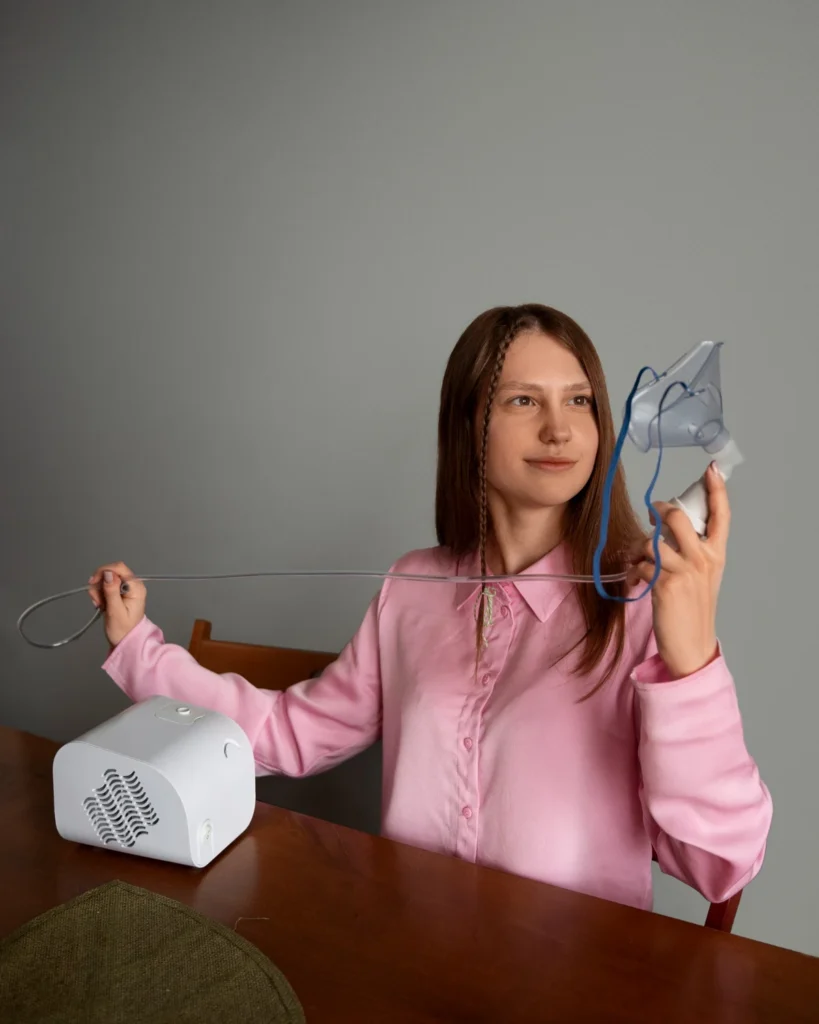
Despite its incredible safety profile, specific medical populations must completely avoid using transcutaneous electrical nerve stimulation under any circumstances. If you have a surgically implanted cardiac pacemaker or an implantable cardioverter-defibrillator (ICD), electrotherapy remains strictly prohibited.
The external electrical pulses can easily confuse your life-saving implanted device, potentially preventing it from functioning during a real emergency.Additionally, pregnant women must never apply these electrical pads anywhere near their abdomen, lower back, or pelvic region.
We simply do not have enough comprehensive medical data confirming the electrical current’s safety regarding fetal development. Finally, you must never use the device over areas of broken skin, active infections, or undiagnosed bodily pain.
Proper Electrode Placement and Usage Guidelines
Maximizing your therapeutic benefits while entirely minimizing your physical risks requires strict adherence to proper anatomical placement guidelines. You must actively avoid placing the adhesive pads anywhere near your anterior chest wall, throat, or the front of your neck.
Furthermore, never place the electrodes directly over your spinal column or across your head to avoid neurological interference.Always begin your daily therapy session with the machine completely turned off before attaching the sticky pads to your skin.
Slowly dial up the electrical intensity until you feel a strong, comfortable tingling sensation that does not cause physical pain. Limit your active therapy sessions to roughly thirty minutes at a time to prevent unnecessary skin irritation and muscle fatigue.
Recognizing When to Terminate Therapy Immediately
You must remain highly vigilant and listen closely to your body’s physical feedback during every single electrotherapy session. If you suddenly experience severe chest pressure, radiating arm pain, or profound shortness of breath, turn the machine off immediately.
These specific warning signs strongly suggest a completely separate, genuine cardiac emergency requiring immediate 911 medical intervention. Similarly, if you feel sudden, extreme dizziness, severe nausea, or completely lose your physical balance, stop the therapy immediately.
Do not attempt to push through the physical discomfort hoping the unusual symptoms will magically resolve themselves over time. Remove the adhesive pads carefully, sit down securely, and contact your primary healthcare provider if the strange symptoms persist.
Frequently Asked Questions
Triggering a Cardiac Event Directly
Can a home electrical stimulator trigger a massive cardiac arrest? No, the external low-voltage current cannot block your coronary arteries or initiate a traditional myocardial infarction.
Reasons for Chest Fluttering
Why do I feel strange chest flutters during my physical therapy session? You likely placed the adhesive pads entirely too close to your chest, or you are experiencing severe performance anxiety.
Usage with Pre-existing Conditions
Is this specific pain management therapy completely safe for cardiovascular patients? It generally remains safe, but you must obtain explicit medical clearance from your dedicated cardiologist before beginning any sessions.
Muscle Relaxation Properties
Does the electrical current physically force tight muscles to loosen up? Yes, the rhythmic electrical pulses essentially fatigue the tight muscle fibers, forcing them into a state of deep physical relaxation.
Promotion of Tissue Healing
Can these specific electrical impulses help heal acute bodily injuries? By significantly increasing localized blood circulation to the damaged tissues, the therapy effectively accelerates your body’s natural cellular repair processes.
Conclusion
Managing your chronic pain daily requires a comprehensive, intelligent approach, and electrotherapy remains a highly valuable tool in our clinical arsenal. Throughout my specialized medical career, I have personally seen thousands of patients reclaim their active lives using these incredibly simple devices.
However, you must always prioritize your personal safety and clearly understand exactly how these medical tools interact with your unique biology.You might still quietly wonder, can a TENS unit cause a heart attack under any bizarre or highly unusual medical circumstances?
The established medical consensus remains a definitive and reassuring no, as these external skin currents simply cannot block your internal coronary arteries. Therefore, you can confidently use this specific therapy for effective muscle relaxation and rapid tissue recovery without constantly fearing a sudden, fatal myocardial infarction.
Furthermore, you must deeply respect the device’s true electrical nature and never place the sticky adhesive pads directly over your chest cavity. Following this simple placement rule completely prevents those highly uncomfortable palpitations and completely eliminates the rare risk of interfering with your natural cardiac rhythm.
If you currently have any history of cardiovascular disease, you must definitely schedule a formal consultation with your primary physician or cardiologist.They will carefully evaluate your specific medical history and determine if this electrical pain management strategy fits your unique health profile safely.
Additionally, always remember to strictly follow the manufacturer’s printed guidelines, start with the lowest possible electrical intensity, and listen closely to your body’s feedback.Pain management treatments should never induce intense anxiety or create terrifying new medical problems for you to worry about daily.
By properly educating yourself on safe anatomical placement and the underlying physiological mechanisms, you empower yourself to heal safely and effectively at home. Take confident control of your physical therapy journey today, but always keep open, honest communication lines with your dedicated healthcare team.
Your long-term heart health and your daily physical comfort can absolutely coexist perfectly when you make highly informed, medically sound decisions.
Evidence-Based References:
- American Heart Association (AHA) – Heart Attack Symptoms, Risk, and Recovery
- Mayo Clinic – Pain medicines after surgery
- Cleveland Clinic – Transcutaneous Electrical Nerve Stimulation (TENS)
- American Heart Association (AHA) – Devices that may interfere with ICDs and Pacemakers
- Mayo Clinic – Pacemaker: Risks and Precautions
Related Posts






MORE from Author
Read More As a physician specializing in exercise science and public health, I regularly consult patients who feel completely lost in the…
 Just last week, a 34-year-old patient named Clara sat in my clinic, feeling entirely overwhelmed by the modern fitness industry.…


 Hello, I am Dr. Kenji Sato, MD, specializing in sports medicine and performance optimization. In my sports clinic, I constantly…
- In my clinical practice as a physician focused on exercise science, I often tell patients that mastering fitness bench workouts…