
Which Magnesium Is Best for Sleep? (MD-Reviewed Guide)
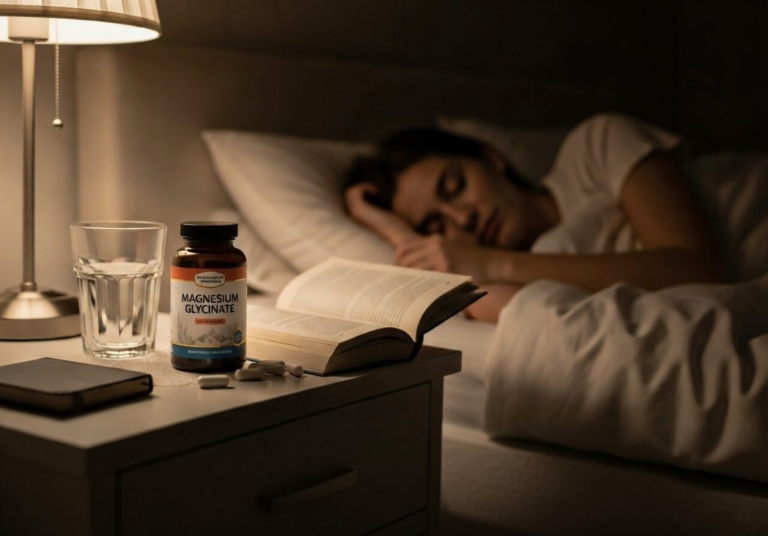
As a physician, I regularly see patients who are utterly exhausted from poor sleep. When you are desperately scrolling online at 2 AM, the sheer number of supplement options can feel completely overwhelming. Many patients ask me, “Doc, which magnesium is best for sleep?”
It is completely valid to feel confused when standing in the supplement aisle. You will see dozens of bottles labeled with words like “glycinate,” “citrate,” and “threonate.” However, not all forms of this essential mineral do the same thing in your body.
While magnesium is not a magic sleeping pill, clinical data show it is a vital nutritional tool for biological relaxation. In this comprehensive, evidence-based guide, we will cut through the marketing hype and determine exactly which type of magnesium is best for sleep.
TL;DR — Quick Summary Box
If you just want the fast, medically reviewed answer: Magnesium glycinate (or bisglycinate) is generally the best magnesium for sleep because it is highly absorbable and has a gentle, calming effect on the brain.
Alternatively, magnesium citrate may help if you also struggle with constipation. Most adults benefit from 200–400 mg of elemental magnesium taken 30 to 60 minutes before bed.
Why Magnesium May Help with Sleep
Before choosing a specific bottle, it helps to understand exactly what this mineral does in your brain. Magnesium plays a critical role in over 300 enzymatic reactions in the human body. When it comes to restorative rest, its primary job is to act as a biological “brake pedal” for your nervous system.
First, magnesium naturally supports the regulation of gamma-aminobutyric acid (GABA). GABA is your brain’s primary inhibitory neurotransmitter, responsible for actively shutting down wakefulness and promoting deep relaxation. If your magnesium levels are depleted, your brain struggles to quiet down at night.
Furthermore, it physically blocks NMDA receptors in the brain, preventing overstimulation by excitatory chemicals like glutamate. According to data from the National Institutes of Health (NIH) Office of Dietary Supplements, adequate magnesium also helps regulate your hypothalamic-pituitary-adrenal (HPA) axis, keeping stress hormones like cortisol in check.
Finally, multiple randomized controlled trials (RCTs) in older adults show that correcting a magnesium deficiency can naturally improve melatonin production. By actively relaxing your muscles and quieting your central nervous system, magnesium creates the ideal biological environment for sleep.
Which Type of Magnesium Is Best for Sleep?
When deciding which magnesium supplement is best for sleep, you must look closely at what the magnesium is organically bound to. Pure elemental magnesium is unstable, so manufacturers bind it to different molecules (like glycine or citric acid) to help your body absorb it.
The molecule it is bound to drastically changes how the supplement affects your stomach and your brain. Below is a clinical comparison of the most common forms.
Quick Form Comparison Table:
| Form | Best For | Sleep Benefit | Gastrointestinal Effect |
| Glycinate | Anxiety, deep relaxation | Strong | Very gentle |
| Citrate | Constipation, mild sleep | Moderate | Laxative effect |
| Threonate | Brain health, memory | Emerging | Mild, usually gentle |
| Taurate | Stress, blood pressure | Moderate | Gentle |
| Oxide | Low cost, severe constipation | Very weak | High risk of GI upset |
Magnesium Glycinate for Sleep:
In clinical practice, magnesium glycinate is almost always the top recommendation for insomnia. This form binds elemental magnesium to the amino acid glycine. Glycine itself is a well-documented inhibitory neurotransmitter that actively promotes calmness and lowers core body temperature.
Therefore, when you take magnesium glycinate for sleep, you are getting a synergistic, two-for-one relaxation effect. Furthermore, because the glycine bond is highly stable, this form survives the acidic environment of your stomach very easily.
This high bioavailability means your body actually absorbs the mineral rather than flushing it out. Consequently, if you are wondering which magnesium glycinate is best for sleep, look for pure “bisglycinate” on the label, which guarantees a highly gentle experience with minimal risk of morning diarrhea.
Magnesium Citrate for Sleep:
Magnesium citrate is one of the most widely available and affordable forms on the market. It binds magnesium to citric acid, which makes it reasonably easy for your body to absorb. However, its specific mechanism in the digestive tract makes it unique.
Citrate acts as a powerful osmotic laxative, meaning it actively pulls water into your intestines. Therefore, if you are asking which is better for sleep, magnesium citrate or glycinate, the answer depends entirely on your bowel habits.
If you suffer from chronic constipation that keeps you uncomfortable at night, magnesium citrate for sleep is an excellent dual-purpose choice. Conversely, if you have a sensitive stomach or IBS-D, taking citrate before bed may cause you to wake up needing the bathroom.
Magnesium Threonate for Sleep:
Magnesium L-threonate is a newer, highly specialized form that binds the mineral to threonic acid (a vitamin C metabolite). It was specifically engineered by researchers at MIT to cross the highly restrictive blood-brain barrier more effectively than other forms.
Because it directly elevates magnesium levels in the brain, it shows massive potential for cognitive health, memory retention, and neuroprotection. However, when evaluating magnesium threonate for sleep specifically, the clinical evidence is still emerging.
While patients report feeling a “clearing of brain fog,” which can reduce bedtime rumination, it is often much more expensive than glycinate. I typically recommend threonate for daytime cognitive support rather than strictly as a nighttime sedative.
Magnesium Taurate for Sleep:
Magnesium taurate binds the mineral to taurine, an amino acid famous for its presence in energy drinks, though its actual physiological role is deeply calming. Taurine strongly influences the parasympathetic nervous system and supports healthy blood pressure.
When considering magnesium taurate for sleep, it is a fantastic secondary option if glycinate is unavailable. It actively supports cardiovascular relaxation and reduces the physical feelings of stress. However, large-scale, sleep-specific clinical trials on taurate remain slightly limited compared to glycinate.
Which Magnesium Is Best for Sleep and Anxiety?
Insomnia and clinical anxiety almost always go hand-in-hand. When a patient’s mind is racing with tomorrow’s to-do list, falling asleep feels impossible. So, which magnesium is best for anxiety and sleep combined?

The clear medical winner here is magnesium glycinate. Because the attached glycine molecule directly interacts with the brain’s calming GABA receptors, it acts as a mild, natural anxiolytic (anti-anxiety) agent.
While it is absolutely not a replacement for prescribed anxiety medication or cognitive behavioral therapy, it provides excellent nutritional support for a hyperactive nervous system. Magnesium taurate serves as a highly effective runner-up due to taurine’s stress-buffering properties.
Which Magnesium Is Best for Sleep and Constipation?
Many people suffer from functional gastrointestinal distress that actively disrupts their sleep architecture. If you are struggling with a sluggish digestive tract, you naturally want to know which magnesium is best for sleep and constipation.
Without a doubt, magnesium citrate is the preferred choice for this specific dual purpose. Taking 200 to 300 mg of citrate with a large glass of water right before bed helps relax your muscles while simultaneously softening your morning stool.
If constipation is absolutely not an issue for you, you should strictly avoid citrate to prevent unwanted, sleep-disrupting trips to the bathroom. Always choose glycinate if your primary goal is relaxation without the laxative side effects.
Which Magnesium Is Best for Sleep and Muscle Cramps?
Nocturnal leg cramps are a notoriously painful phenomenon that can violently wake you from a deep sleep. Many patients desperately ask, “Which magnesium is best for sleep and leg cramps?” In clinical practice, the evidence regarding magnesium for severe cramp prevention is somewhat mixed.
However, because magnesium biologically controls muscle contraction and relaxation, a deficiency frequently leads to painful spasms. If you want to know which magnesium is best for sleep and muscles, both glycinate and citrate are highly effective choices.
Magnesium glycinate is typically the best magnesium for sleep and muscle relaxation because of its high systemic absorption rate. For patients suffering from Restless Legs Syndrome (RLS), a clinician may suggest a trial of magnesium glycinate, though it must be part of a broader medical evaluation.
Which Magnesium Is Best for Sleep and Menopause?
The menopausal transition is frequently accompanied by severe, chronic sleep disturbances. Hot flashes, night sweats, and massive hormonal shifts make falling and staying asleep incredibly difficult. Consequently, women often ask which magnesium is best for sleep and menopause.
Magnesium glycinate is particularly beneficial during menopause because glycine has been shown to naturally lower core body temperature. This slight drop in temperature can sometimes help mitigate the intensity of nocturnal hot flashes.
Furthermore, because menopause massively increases systemic physiological stress, magnesium’s ability to buffer the HPA axis is highly protective. However, for true insomnia during menopause, magnesium should always be combined with Cognitive Behavioral Therapy for Insomnia (CBT-I) and proper lifestyle adjustments.
Which Magnesium Is Best for Sleep for Kids?
When children struggle to wind down at night, sleep-deprived parents naturally look for safe, over-the-counter solutions. Before asking which magnesium is best for sleep for kids, you must understand a strict medical boundary. You should never give a child a dietary supplement without consulting their pediatrician first.
Children have vastly different metabolic clearance rates and require significantly lower dosage ranges than adults. If a pediatrician confirms a deficiency, they will usually recommend a very low-dose, kid-friendly chewable of magnesium glycinate or citrate.
It is absolutely critical to avoid high-dose adult supplementation in children, as an accidental overdose can cause severe diarrhea and dangerous electrolyte imbalances. Always prioritize strict behavioral sleep hygiene routines before turning to pediatric supplements.
Which Magnesium Is Best for Weight Loss and Sleep?
The internet is flooded with misleading supplement marketing promising effortless, overnight fat burning. Patients frequently ask me, “Which magnesium is best for weight loss and sleep?” As a physician, I must be incredibly clear: magnesium does not magically burn body fat.
However, optimizing your cellular magnesium levels does heavily support healthy insulin sensitivity, especially if you are clinically deficient. When your insulin functions properly, your body is much better at managing daily blood sugar spikes, which indirectly supports a healthy metabolism.
Furthermore, deep, restorative sleep naturally regulates your primary hunger hormones, ghrelin and leptin. Therefore, by taking magnesium glycinate to improve your sleep architecture, you naturally reduce the intense sugar cravings that derail your weight loss efforts the next day.
Which Magnesium Is Best for Sleep and Headaches?
Chronic migraines and tension headaches frequently peak during periods of high stress and poor sleep. For migraine sufferers, discovering which magnesium is best for sleep and headaches can be life-changing.
The American Academy of Neurology (AAN) evidence-based guidelines actually recognize magnesium as a probably effective therapy for migraine prevention. Because magnesium helps prevent the brain signaling that triggers visual auras, it acts as a powerful prophylactic tool.
Both magnesium glycinate and magnesium citrate are highly effective for headache prevention. However, the clinical dose required for migraine prevention is often higher (400–600 mg daily), which strictly requires direct supervision from your prescribing physician.
How Much Magnesium for Sleep?
Understanding the correct dosage is just as important as choosing the right chemical form. Patients frequently ask, “Which magnesium is best for sleep, and how much should I actually take?” You must look specifically at the “elemental magnesium” yield on the supplement facts label.
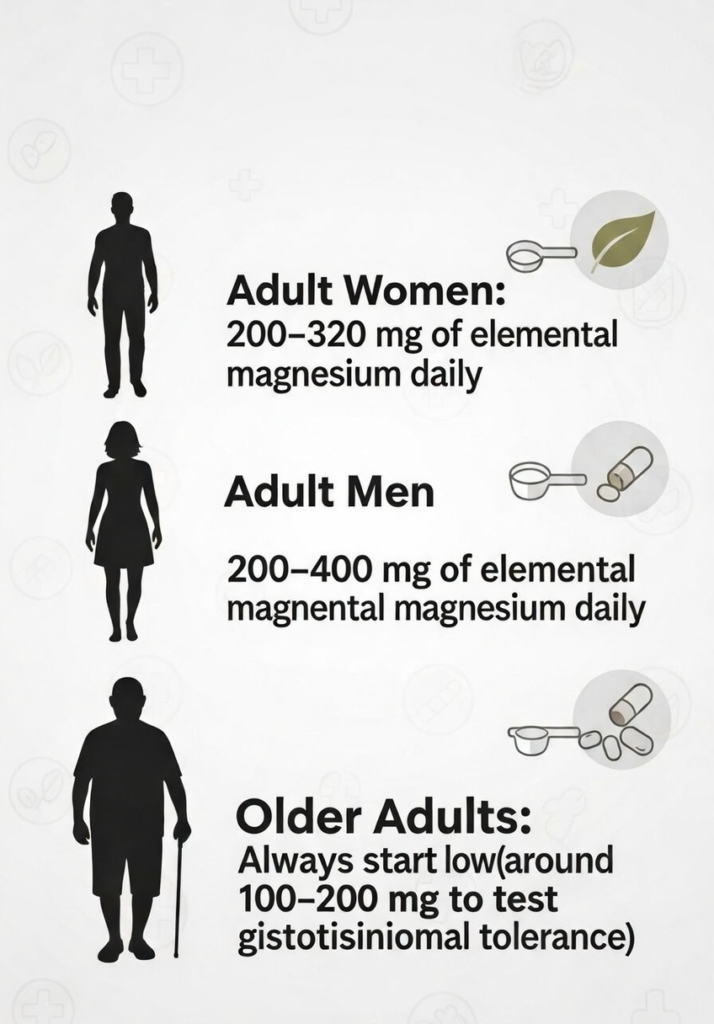
Typical Adult Dosage Guidelines:
- Adult Women: 200–320 mg of elemental magnesium daily.
- Adult Men: 200–400 mg of elemental magnesium daily.
- Older Adults: Always start low (around 100–200 mg) to test gastrointestinal tolerance.
The National Institutes of Health (NIH) clearly establishes the Tolerable Upper Intake Level for supplemental magnesium at 350 mg for adults. Taking massive doses beyond this limit without medical supervision dramatically increases your risk of adverse side effects.
Side Effects & Safety
While magnesium is generally recognized as highly safe for most healthy adults, it is not completely without risks. The most common side effect is gastrointestinal distress, specifically nausea, abdominal cramping, and osmotic diarrhea.
Furthermore, magnesium supplements can severely interact with several common prescription medications. For example, taking magnesium simultaneously with certain antibiotics (like ciprofloxacin) or bisphosphonates (for osteoporosis) physically prevents your body from absorbing the medication.
You must strictly separate your magnesium dose from these medications by at least two hours. Finally, if you have chronic kidney disease or a severe heart block, you are absolutely contraindicated from taking magnesium supplements unless explicitly directed by your nephrologist or cardiologist.
Frequently Asked Questions (Quick Answers)
What type of magnesium is best for sleeping?
Magnesium glycinate (or bisglycinate) is widely considered the absolute best type for sleep. The attached glycine molecule acts as a calming neurotransmitter, actively promoting deep relaxation while remaining highly gentle on your stomach.
Which is better for sleep, magnesium citrate or glycinate?
If your primary goal is purely mental and muscular relaxation, glycinate is vastly superior. However, if you suffer from chronic constipation that makes you physically uncomfortable at night, citrate is better because of its mild laxative effect.
Is magnesium glycinate good for sleep?
Yes, it is exceptionally good for sleep. Because it crosses the intestinal wall easily, it reliably raises your blood magnesium levels, allowing the mineral to effectively block stimulating neurotransmitters and prepare your brain for rest.
What is the downside of magnesium glycinate?
The primary downside of magnesium glycinate is the cost; it is typically more expensive to manufacture than cheaper forms like magnesium oxide. Additionally, the physical pills are often quite large, which can be difficult for some patients to swallow comfortably.
How long before bed should I take magnesium?
For optimal sleep benefits, you should take your magnesium supplement approximately 30 to 60 minutes before your desired bedtime. This provides your digestive system enough time to absorb the mineral and initiate the biological relaxation process.
Conclusion
Navigating the supplement aisle does not have to be a frustrating, confusing experience. When determining which magnesium is best for sleep, you simply need to match the specific chemical form to your unique biological symptoms.
For the vast majority of patients struggling with racing thoughts and physical tension, high-quality magnesium glycinate is the safest, most effective starting point. If sluggish digestion is your primary nighttime complaint, a moderate dose of magnesium citrate will serve you well.
Remember, no supplement can completely outwork the destructive effects of chronic stress, late-night screen time, or excessive caffeine. Magnesium is a powerful nutritional tool, but it works best when paired with a consistent, calming nightly routine. Always speak with your doctor before starting any new supplement to ensure it is perfectly safe for your individual medical history.
Evidence-Based References:
- National Institutes of Health (NIH) Office of Dietary Supplements — Magnesium Fact Sheet for Health Professionals
- Cleveland Clinic — Does Magnesium Help You Sleep?
- Sleep Foundation — How Magnesium Can Help You Sleep
- American Migraine Foundation — Magnesium for Migraine
- Mayo Clinic — Magnesium Supplement (Oral Route, Parenteral Route) Safety & Dosage
Related Posts





MORE from Author
Read More As a physician, I regularly see patients who are utterly exhausted from poor sleep. When you are desperately scrolling online…
- Hey, there. Let's talk about something we all want but struggle to achieve: vibrant, long-term health. These days, figuring out…

 Every week in my clinical practice, patients ask me the same desperate question: "Doc, how do I actually prevent a…
 When patients visit my clinic, they frequently ask me, "Doc, what is a healthy lifestyle, really?" They feel completely overwhelmed…