
Night Sweats: Why You Sweat in Your Sleep, Causes, and When to Worry
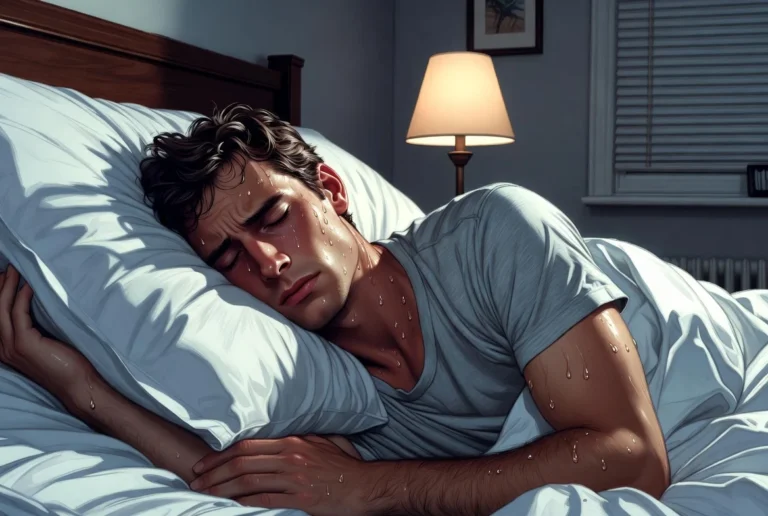
Night sweats are repeated episodes of extreme perspiration that soak your nightclothes or bedding. They are typically related to an underlying medical condition, hormonal imbalance, or lifestyle trigger, rather than simply sleeping in a hot bedroom.
If you frequently wake up drenched, you know how disruptive and alarming it can be.
Through my work at Healthy Food for Living, I regularly speak with individuals navigating frustrating metabolic and hormonal symptoms.
Recently, I interviewed a community member named Sarah who spent months waking up shivering in soaked pajamas.
Sarah assumed her heavy blankets were to blame, but even after switching to a cooling mattress and a light sheet, the severe sweating continued.
It was only after a thorough medical evaluation that she discovered an underlying thyroid issue.
Her experience perfectly highlights why we should never ignore what our bodies tell us in the middle of the night.
What Are Night Sweats?
To understand excessive sweating during sleep, we first need to define what true night sweats are.
Many people experience mild sleep sweating simply because their bedroom is too warm or they are wearing heavy flannel pajamas. This is a normal, environmental response.
True night sweats, however, are severe hot flashes occurring at night that drench your sleepwear and sheets.
This level of excessive sweating in sleep happens regardless of your bedroom temperature. It often forces you to wake up, change your clothes, and sometimes even change your bedding.
The causes of excessive sweating during sleep are incredibly varied, ranging from simple lifestyle habits to complex medical conditions. According to guidance from institutions like the Mayo Clinic, true night sweats are often a symptom of your body’s internal thermostat—the hypothalamus—receiving incorrect signals.
Is It Good to Sweat While You Sleep?
A common question I hear is whether sweating in your sleep is a normal, healthy way to “detox.” The short answer is no.
While sweating is your body’s natural cooling mechanism, waking up drenched is not a sign of a healthy detox process.
It is completely normal to sweat mildly if you are over-bundled or if the summer heat is intense.
In these cases, the sweating is harmless and serves its biological purpose to lower your core temperature.
However, if you are asking, “Why do I sweat in my sleep but not feel hot?”, it usually signals an imbalance. Chronic, drenching sweats are a sign of physiological stress, hormonal shifts, or illness, and they severely disrupt the restorative deep sleep your body desperately needs.
Why Am I Sweating in My Sleep in a Cold Room?
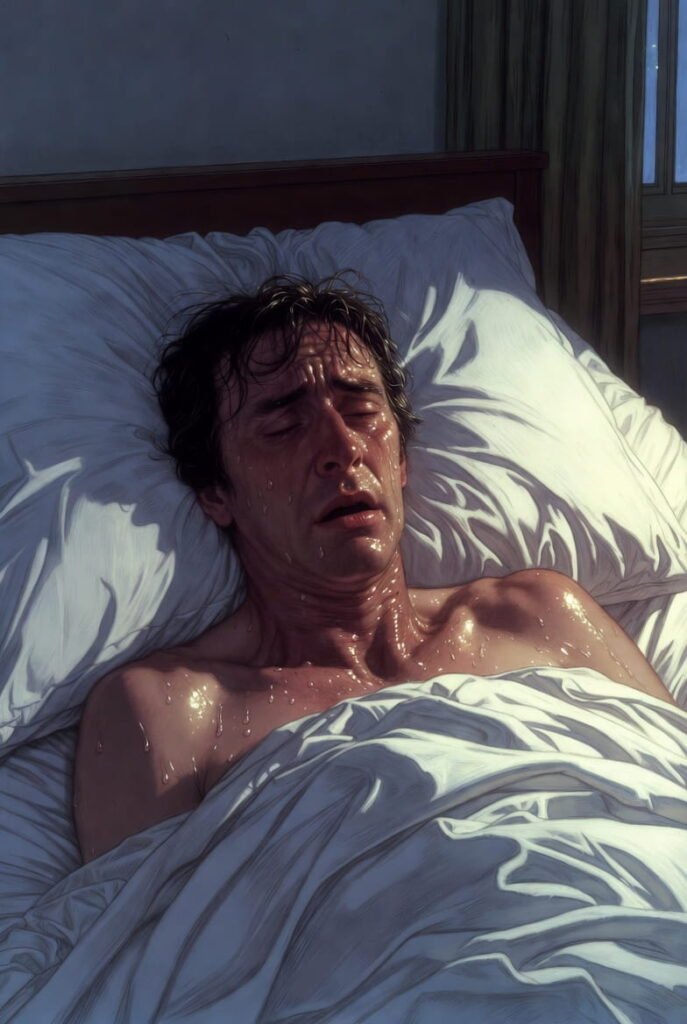
Waking up drenched in sweat but freezing is a highly confusing and uncomfortable experience. If your bedroom is cool but you are sweating profusely, your environment is not the trigger. Instead, your internal systems are misfiring.
One primary reason you might sweat in a cold room is a sudden drop in blood sugar, known as nocturnal hypoglycemia. When blood glucose drops too low, your body releases adrenaline to stimulate the release of stored sugar, causing a cold, clammy sweat.
Another major factor is the activation of your autonomic nervous system. When you are under extreme stress or experiencing a nightmare, your fight-or-flight response triggers a massive release of cortisol and adrenaline. This causes your heart rate to spike and your sweat glands to open, even if the room is freezing.
Additionally, sweating with chills in a cold room is the classic hallmark of a fever breaking.
When your immune system fights an infection, it raises your body temperature.
Once the infection is managed, your body rapidly cools itself down by sweating heavily, leaving you shivering in wet clothes.
Why Do I Sweat in My Sleep Every Night?
Occasional sleep sweating after a spicy meal or a stressful day is usually nothing to worry about.
However, when you ask, “Why do I always sweat in my sleep?”, the chronic nature of the symptom changes the conversation.
Severe night sweats every night indicate a persistent, underlying physiological issue.
Persistent night sweats without a temporary illness (like the flu) mean your hypothalamus is constantly being triggered.
When sweating becomes a daily occurrence, it is time to look beyond your bedroom temperature.
Chronic night sweats require a systematic review of your hormones, your current medications, your daily stress levels, and your overall metabolic health.
Night Sweats in Women: Common Causes
Women experience excessive sleep sweating at disproportionately high rates, largely due to their complex and fluctuating endocrine systems. When female hormones shift, the brain’s temperature regulation center becomes highly sensitive.
If you are waking up drenched in sweat in the middle of the night, or specifically sweating around the neck and chest at night, hormonal changes are the most statistically likely culprit.
Hormonal Fluctuations
Estrogen plays a massive role in regulating body temperature. A sudden drop in estrogen tricks the hypothalamus into thinking the body is overheating. In response, the brain triggers a massive hot flash to cool you down, resulting in sudden night sweats.
This commonly happens just before or during a menstrual period. If you wonder why you sweat in your sleep on your period, it is directly tied to this monthly estrogen dip.
Perimenopause and menopause are the most notorious triggers for night sweats in women. As the ovaries decrease estrogen production over several years, nighttime hot flashes become incredibly common, severely impacting sleep quality and energy levels.
Furthermore, pregnancy and the postpartum period bring massive hormonal shifts. Early pregnancy night sweats are a frequent symptom as hormones surge. Similarly, postpartum night sweats help the body shed the excess fluid accumulated during pregnancy while hormone levels rapidly restabilize.
Night Sweats in Men: Why It Happens
While often associated with women, excessive sweating at night in men is incredibly common and shouldn’t be overlooked. Male night sweats are tied to a mix of hormonal changes, lifestyle factors, and metabolic stress.
Just as estrogen affects women, testosterone heavily influences male body temperature. As men age, they naturally experience a gradual decline in testosterone, sometimes referred to as andropause. This drop can trigger hot flashes and drenching sweats similar to menopause.
Stress and cortisol also heavily impact men. High-pressure careers and chronic anxiety keep the nervous system in an elevated state. This constant low-grade fight-or-flight response frequently manifests as sweating around the neck and chest at night.
Alcohol consumption is another massive trigger for men. Processing alcohol increases your heart rate and dilates blood vessels in the skin, which commonly leads to waking up drenched in sweat in the middle of the night after an evening of drinking.
Medical Causes of Night Sweats
If your bedroom environment is perfectly optimized and your hormones are balanced, yet you are still experiencing chronic night sweats, it is crucial to look at underlying medical causes. Night sweats without a fever are often a red flag for systemic issues ranging from chronic stress to serious infections.
Stress, Anxiety & Cortisol
Your brain cannot easily distinguish between a physical threat and a psychological one. When you are overwhelmed, your body releases high levels of cortisol and adrenaline. This fight-or-flight response significantly increases your heart rate and dilates your blood vessels.
Consequently, anxiety night sweats are incredibly common. If you wake up with a racing heart and drenched pajamas, stress causing night sweats is a highly probable culprit, especially if you have been under prolonged psychological pressure.
Blood Sugar & Diabetes
Your blood glucose levels naturally fluctuate while you sleep. However, if they drop too low (hypoglycemia), your body enters a state of panic. To counter this, it releases adrenaline to force your liver to dump stored sugar into your bloodstream.
This adrenaline surge is responsible for low blood sugar night sweats. For individuals with diabetes, or even those with severe insulin resistance, sleep sweating and diabetes are intimately connected and require careful monitoring of evening meals and medications.
Thyroid Disorders
Your thyroid gland is the master controller of your metabolism. If it becomes overactive—a condition known as hyperthyroidism—your entire body runs in overdrive. Your heart beats faster, you burn calories quicker, and your core temperature rises.
Therefore, thyroid problems and night sweats go hand-in-hand. Waking up drenched in sweat, accompanied by unexpected weight loss and a rapid heartbeat, are classic hyperthyroidism night sweats symptoms that require a prompt endocrinology consultation.
Sleep Disorders
Obstructive sleep apnea (OSA) occurs when your airway repeatedly collapses during sleep, temporarily stopping your breathing. This incredibly stressful event causes a massive spike in cortisol and adrenaline as your body fights for oxygen.
This intense physical struggle frequently leads to sleep apnea and night sweats. If you are waking up drenched and your partner complains of your loud snoring or gasping, a sleep study is highly recommended.
Infections & Immune Conditions
When your immune system detects an invader, it raises your core body temperature (a fever) to kill the pathogen. When the fever breaks, your body rapidly cools itself by sweating profusely.
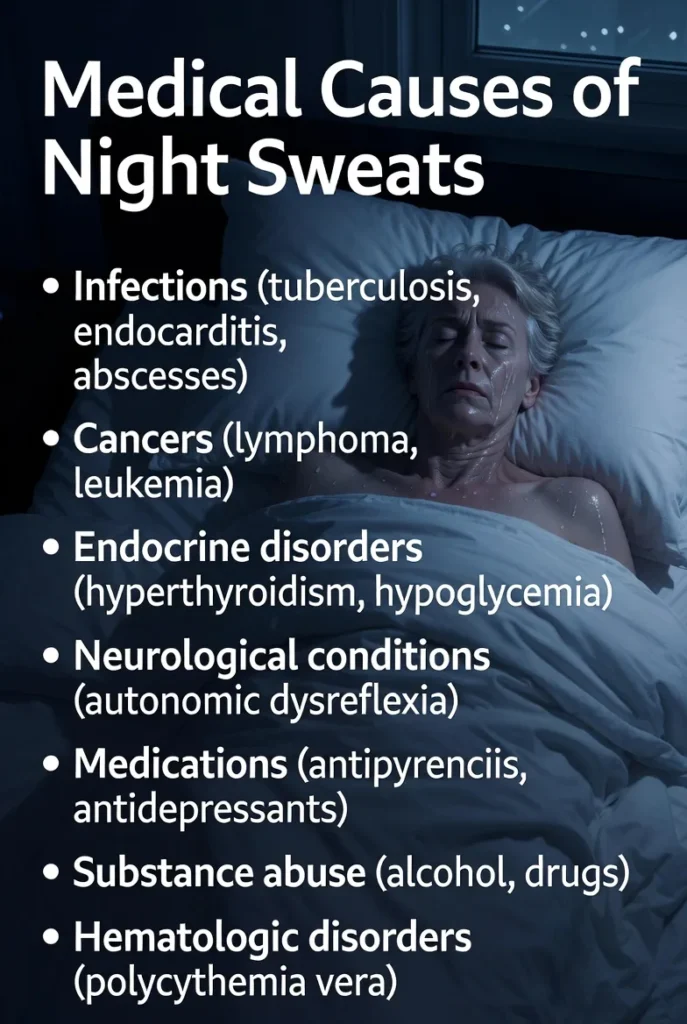
Common infections causing night sweats include tuberculosis, endocarditis (inflammation of the heart valves), and osteomyelitis (bone infection). Additionally, night sweats and autoimmune diseases, where the body mistakenly attacks its own tissues, frequently co-occur due to chronic, low-grade inflammation.
Cancer Warning Signs (Carefully Framed)
While most night sweats are related to benign causes like menopause or anxiety, they can occasionally be an early warning sign of certain cancers. Lymphoma (both Hodgkin’s and non-Hodgkin’s) and leukemia are most commonly associated with drenching night sweats.
It is vital to look at the entire clinical picture. According to the American Cancer Society, night sweats and cancer warning signs are typically accompanied by unexplained, significant weight loss and profound, unyielding fatigue. If you experience these combined symptoms, schedule a comprehensive checkup with your physician immediately.
Lifestyle Triggers That Cause Night Sweats
Sometimes the answer to “why do I sweat in my sleep” is found in your daily habits rather than your medical chart. Your diet, alcohol consumption, and bedroom setup profoundly impact your body temperature.
Alcohol is a massive trigger for night sweats. When you ask, “why do I sweat in my sleep after drinking alcohol?”, the answer lies in vasodilation. Alcohol expands your blood vessels, bringing heat to the surface of your skin, which your body then tries to cool through sweating. Furthermore, alcohol disrupts your sleep architecture, leading to increased heart rate and restlessness.
Similarly, spicy food causing night sweats is a very real phenomenon. Spices like capsaicin trick your brain into thinking your body temperature is rising, triggering a cooling sweat response just before bed. Finally, your bedroom temperature and night sweating are directly linked; sleeping in a room warmer than 65-68°F (18-20°C) with heavy synthetic blankets is a guaranteed recipe for waking up damp.
Medication & Nutrient-Related Night Sweats
Many common prescription and over-the-counter drugs list night sweats as a frequent side effect. The most notorious culprits are antidepressants, specifically SSRIs and SNRIs. Studies show that a significant percentage of patients experience medication side effects like night sweats when starting these drugs.
Other medications that can trigger drenching sweats include steroids (like prednisone), fever-reducing drugs (like acetaminophen or ibuprofen), and certain hormone therapies. Never stop taking a prescribed medication without consulting your doctor, but do discuss these side effects if they disrupt your sleep.
Furthermore, certain vitamin deficiencies, particularly Vitamin B12 and Vitamin D, can indirectly contribute to sleep disturbances and nervous system dysfunction, potentially leading to vitamin deficiency night sweats.
When Should You Worry About Night Sweats?
When consulting with community members at Healthy Food for Living, I am often asked, “when should I worry about my night sweats?” While occasional sweating is normal, chronic, drenching sweats require medical attention.
Here is a definitive list of red flags:
- Soaking sheets nightly: If you have to change your clothes or bedding regularly, it is not just a warm room.
- Unexplained weight loss: Losing weight rapidly without trying, combined with sweating, is a major warning sign.
- Persistent fever: Sweating accompanied by a recurring, low-grade fever.
- Profound fatigue: Waking up exhausted despite sleeping, or feeling drained throughout the day.
- Persistent symptoms: Night sweats that last for weeks or months without a clear lifestyle cause (like heavy blankets).
How to Stop Sweating in Your Sleep Naturally
If your doctor has ruled out serious medical conditions, there are numerous ways to manage and reduce night sweats at home. Learning how to stop sweating in sleep naturally focuses on cooling the body and calming the nervous system.
One of the best treatments for night sweats is aggressive stress reduction before bed. Practice deep breathing exercises, gentle yoga, or meditation to lower cortisol levels and calm the autonomic nervous system. Also, ensure you are deeply hydrated during the day, as dehydration can surprisingly exacerbate temperature dysregulation at night.
Furthermore, limit alcohol and spicy foods at least three hours before bedtime. Focus your evening meals on lean proteins and complex carbohydrates to prevent the blood sugar crashes that trigger midnight adrenaline spikes.
Sleep Environment Solutions
Optimizing your sleep environment is crucial for managing night sweats. You need materials that pull heat away from your body rather than trapping it.
Investing in a cooling mattress or the best mattress for night sweats—typically one made of latex or advanced cooling gel memory foam—can make a massive difference.
Additionally, ditch synthetic bedding. Choose cooling sheets for night sweats made of natural, breathable fibers like bamboo, linen, or high-quality percale cotton. Keep your bedroom temperature between 60°F and 67°F (15°C to 19°C) for optimal sleep.
Supplements & Supportive Options
Many people seek natural supplements for night sweats, particularly those caused by hormonal changes. While you should always discuss supplements with your doctor, certain herbs like black cohosh, maca root, and evening primrose oil are widely used for menopausal symptom relief.
These options may support a healthy hormonal balance and reduce the frequency of hot flashes. Furthermore, magnesium glycinate is excellent for calming the nervous system and supporting deep, restorative sleep, which can indirectly reduce anxiety-induced sweating.
Popular Searches & Wearable Tracking
With the rise of health technology, many people use wearables to understand their sleep patterns. You might have searched, “why do I sweat in my sleep bellabeat,” referring to popular wellness trackers.
Devices like those from Bellabeat, Oura, or Whoop can track your overnight heart rate, skin temperature, and heart rate variability (HRV). While they cannot diagnose the cause of your night sweats, these trackers provide excellent data to show your doctor exactly when your body is experiencing stress during the night.
Key Takeaways – What Your Night Sweats Are Telling You
- Occasional sweating is normal: A hot room or heavy blankets will cause anyone to sweat.
- Drenching sweats are a red flag: If you are soaking your sheets and waking up freezing, your body is signaling an imbalance.
- Hormones and stress are major players: Menopause, anxiety, and alcohol are the most common non-medical triggers.
- Watch for other symptoms: Weight loss, fatigue, and fever require immediate medical evaluation.
- Optimize your environment: Cool your room, wear breathable fabrics, and manage your evening diet to support restful sleep.
Frequently Asked Questions
Why do I sweat in my sleep?
You may sweat in your sleep due to a warm bedroom environment, hormonal fluctuations (like menopause), high stress or anxiety levels, low blood sugar, or certain medications like antidepressants.
Is sweating in your sleep normal?
Mild sweating due to heavy blankets or a warm room is normal. However, drenching night sweats that soak your clothes and bedding on a regular basis are not normal and should be evaluated by a doctor.
When should I worry about night sweats?
You should see a doctor if your night sweats are frequent, drench your sheets, disrupt your sleep, or are accompanied by unexplained weight loss, persistent fatigue, or a recurring fever.
Why do I sweat in my sleep after drinking alcohol?
Alcohol dilates your blood vessels, bringing blood closer to the surface of your skin, which makes you feel hot and triggers a sweating response to cool you down. It also disrupts your natural sleep cycles.
How can I stop night sweats naturally?
You can reduce night sweats by keeping your bedroom cool (60-67°F), wearing breathable natural fabrics like cotton or bamboo, managing evening stress, and avoiding alcohol and spicy foods before bed.
Medical Disclaimer: This article is strictly for educational and informational purposes and does not replace professional medical advice, diagnosis, or treatment. Always consult your physician or healthcare provider regarding chronic night sweats, especially if accompanied by weight loss, fever, or fatigue.
References
- Mayo Clinic: Night Sweats – Causes and When to See a Doctor. https://www.mayoclinic.org/symptoms/night-sweats/basics/causes/sym-20050768
- Cleveland Clinic: Night Sweats: Causes, Treatments, and When to Worry. https://my.clevelandclinic.org/health/symptoms/16562-night-sweats
- American Cancer Society: Signs and Symptoms of Cancer. https://www.cancer.org/cancer/screening/signs-and-symptoms-of-cancer.html
- National Institutes of Health (NIH) – PubMed: The association between sleep apnea and night sweats. https://pubmed.ncbi.nlm.nih.gov/24836142/
- Sleep Foundation: Night Sweats and Sleep: Causes and Treatments. https://www.sleepfoundation.org/night-sweats
Related Posts

MORE from Author
Read More As a physician, I regularly see patients who are utterly exhausted from poor sleep. When you are desperately scrolling online…
 Deciding to improve your health is incredibly empowering, but figuring out exactly how to start a healthy lifestyle can quickly…

- Hey, there. Let's talk about something we all want but struggle to achieve: vibrant, long-term health. These days, figuring out…
 Every week in my clinical practice, patients ask me the same desperate question: "Doc, how do I actually prevent a…