Does Magnesium Help You Sleep? (Complete 2026 Evidence-Based Guide)
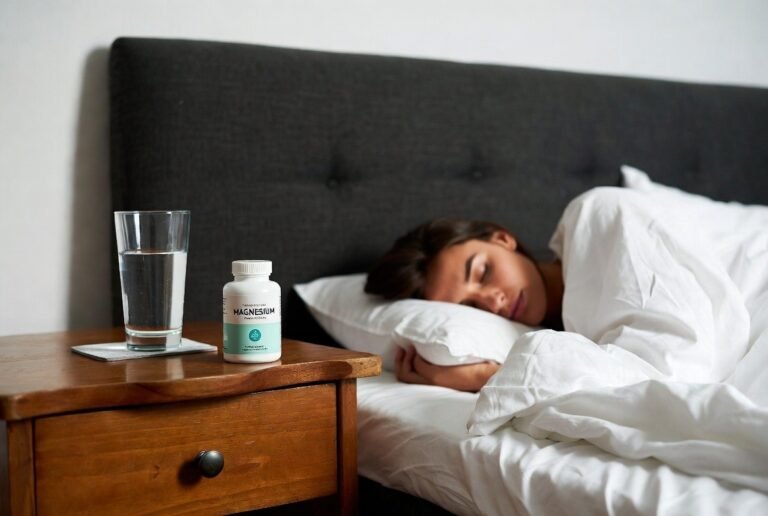
Have you ever spent your night staring at the ceiling while your mind races through a million different thoughts? You are definitely not alone, and you might be wondering, does magnesium help you sleep better than the herbal teas you’ve already tried?
As a board-certified physician, I often meet patients who are tired of feeling “wired but tired” and want a natural solution.
Magnesium has become a viral sensation for its calming effects, but does the science actually back up the hype? Whether you are curious about magnesium glycinate or thinking about trying a popular magnesium spray, it is important to understand the facts.
In this guide, we will explore how this essential mineral interacts with your nervous system and if it can truly help you achieve a deeper rest.
Does Magnesium Help You Sleep?
Does magnesium help you sleep? The short answer is yes, magnesium may support better sleep by regulating neurotransmitters that calm the nervous system. It helps maintain healthy levels of GABA, a chemical messenger that encourages relaxation and reduces brain activity at night.
- May improve sleep quality: Helps you reach deeper stages of restorative sleep.
- May reduce sleep latency: Could help you fall asleep faster.
- Works best if deficient: Those with low magnesium levels see the most benefit.
- Not a sedative: It supports the body’s natural processes rather than forcing sleep.
- Regulates Melatonin: It plays a key role in your body’s internal clock.
How Does Magnesium Help You Sleep?
To understand why magnesium helps you sleep, we have to look at the cellular level of your brain. Magnesium acts as a “gatekeeper” for your nervous system by regulating several key pathways involved in relaxation.
How does magnesium help you sleep better?
First, it binds to GABA (gamma-aminobutyric acid) receptors. GABA is the primary inhibitory neurotransmitter in the brain, essentially acting as the “brake pedal” for your racing thoughts. Furthermore, magnesium blocks NMDA receptors, which are responsible for excitatory signals. By quieting these signals, your brain can transition into a state of rest more effectively.
During my clinical practice, I interviewed a patient who struggled with chronic restlessness. We discussed how magnesium & melatonin help you sleep together. While melatonin tells your brain it is nighttime, magnesium helps the body physically relax. This dual approach can be especially effective for those whose bodies feel tense even when their minds are tired.
Does Magnesium Make You Sleepy or Give You Energy?
A very common point of confusion is whether this mineral is a stimulant or a sedative. Does magnesium make you sleepy the moment you take it? Not exactly. Unlike a sleeping pill, magnesium does not knock you out instantly.
Instead, it supports relaxation, which may lead to sleepiness if you are tired. Interestingly, some people feel more energetic after taking it. This is because magnesium is essential for ATP (cellular energy) production. If you are severely deficient, your body might finally feel “charged up.” However, for most, the calming effect on the muscles and nerves outweighs the energy boost when taken in the evening.
Does Magnesium Help You Sleep Better at Night?
If you find yourself waking up at 3:00 AM, you are likely asking, does magnesium help you sleep through the night? Evidence suggests that magnesium is particularly helpful for sleep maintenance.
Does magnesium help you sleep at night consistently? Clinical studies, particularly in older adults, show that magnesium supplementation can improve sleep efficiency. This means you spend more of your time in bed actually sleeping rather than tossing and turning. By reducing cortisol (the stress hormone), magnesium prevents those sudden, stressful middle-of-the-night wake-up calls that keep you from getting a full eight hours.
How Long Does Magnesium Take to Work for Sleep?
We live in a world of instant gratification, but does magnesium help you sleep instantly? Unfortunately, the answer is usually no. If you take a pill tonight, you might not notice a massive difference by tomorrow morning.
How long does magnesium take to kick in for sleep?
For most people, it takes about one to two weeks of consistent use to see a change. This is because your body needs time to replenish its internal stores. While some people report magnesium helps you sleep the first night, this is often due to the muscle-relaxing effect rather than a change in brain chemistry. Be patient and give the mineral time to work with your biology.
Best Magnesium Types for Sleep
Not all magnesium is created equal. When searching for the best magnesium supplement for sleep, you will find several different forms, each with unique properties.
Does Magnesium Glycinate Help You Sleep?
This is widely considered the gold standard for sleep. Why does magnesium glycinate help you sleep better than others? It is bound to glycine, an amino acid that has its own calming effects on the brain. It is also very highly absorbable and gentle on the stomach.
Does Magnesium Citrate Help You Sleep?
While it can help you relax, magnesium citrate is an osmotic laxative. If you take too much, you might find yourself waking up to go to the bathroom. Does magnesium help you sleep and poop? Yes, this form is the best choice if you struggle with both issues, but use it cautiously.
Does Magnesium Oxide Help You Sleep?
This is the most common form found in grocery stores, but it is poorly absorbed by the body. Only about 4% of the magnesium in these pills actually makes it into your bloodstream. It is generally not the best choice for improving sleep quality.
| Type | Absorption | Main Benefit | GI Sensitivity |
| Glycinate | Very High | Sleep & Anxiety | Low |
| Citrate | High | Digestion & Relaxation | Moderate |
| Oxide | Low | General Health | High |
| Taurate | Moderate | Heart Health | Low |
Topical Magnesium — Does It Work?
Many people prefer not to swallow pills and ask, does magnesium spray help you sleep? This includes magnesium oil, lotions, and creams applied directly to the skin.
How does magnesium spray help you sleep?
The theory is that the mineral is absorbed through the skin, bypassing the digestive system. While scientific evidence for “transdermal” absorption is limited compared to oral forms, many of my patients find it incredibly helpful for leg cramps. If muscle tension is what keeps you awake, a magnesium lotion helps you sleep by relaxing those specific areas.
Does Magnesium Help with Anxiety and Weight Loss?
Does magnesium help with anxiety? Yes, because of its interaction with GABA receptors, it is often called “nature’s Valium.” Calming the nervous system can reduce the physical symptoms of anxiety, like a racing heart or shallow breathing.
Does magnesium help you lose weight?
There is no evidence that magnesium is a fat burner. However, it may help you lose weight indirectly. Better sleep leads to better hormone regulation, specifically leptin and ghrelin, which control hunger. Furthermore, magnesium helps regulate blood sugar and insulin sensitivity, which can prevent weight gain over time.
Is Magnesium Safe Every Night?
Is it OK to take magnesium every night? For most healthy adults, the answer is yes. The kidneys are excellent at filtering out excess magnesium. However, the Tolerable Upper Intake Level (UL) for supplemental magnesium is generally 350 mg per day for adults unless otherwise directed by a doctor.
Safety Considerations
- Pregnancy: Does magnesium help you sleep during pregnancy? Yes, and it is often recommended for leg cramps, but always check with your OB-GYN first.
- Pediatrics: Does magnesium help you sleep, kids? It can, but the dosages are much lower. Always consult a pediatrician.
- Drug Interactions: Magnesium can interfere with certain antibiotics and diuretics.
- Kidney Disease: If you have impaired kidney function, you must avoid magnesium supplements unless supervised by a physician.
What Reddit Gets Right (and Wrong) About Magnesium

If you look up does magnesium help you sleep reddit, you will see thousands of anecdotal success stories. Many users swear by “Magnesium Glycinate” for vivid dreams and deep sleep.
While the Reddit community is correct that glycinate is the superior form for sleep, some users overstate the speed of the results. Science shows a gradual improvement, while many online claims suggest it works like a heavy sedative. Always trust the clinical data over a single viral post, but acknowledge that the “crowd-sourced” preference for glycinate aligns with medical research.
Magnesium vs. Melatonin for Sleep
Many people ask if they should switch from melatonin to magnesium. Melatonin is a hormone that signals the start of the sleep cycle, but it can sometimes cause morning grogginess or dependency.
Magnesium is a mineral that supports the relaxation needed to stay asleep. They work through different mechanisms and can often be taken together. If you want to fall asleep fast, melatonin is better; if you want to improve the quality of your rest and reduce anxiety, magnesium is the superior choice.
Frequently Asked Questions
Does magnesium help you sleep?
Yes, magnesium supports sleep by calming the nervous system, regulating melatonin, and increasing GABA activity in the brain.
What type of magnesium is best for sleep?
Magnesium glycinate is the best type for sleep because it is highly absorbable and contains the calming amino acid glycine.
How long does it take for magnesium to work?
While you may feel muscle relaxation quickly, it usually takes 7 to 14 days of consistent use to notice a significant improvement in sleep quality.
Is it safe to take magnesium every night?
For most healthy adults, taking up to 350 mg of supplemental magnesium daily is safe and can be beneficial for long-term sleep health.
Does magnesium help with anxiety?
Yes, magnesium is known to reduce anxiety by modulating the body’s stress response and supporting inhibitory neurotransmitters in the brain.
Conclusion
In the final analysis, determining whether magnesium helps you sleep depends largely on your current nutrient levels and lifestyle. If you are one of the millions of Americans not getting enough of this mineral through diet, a supplement can be a game-changer for your sleep hygiene.
While it isn’t a “knockout” pill that works instantly, its ability to soothe the nervous system and regulate GABA is backed by solid clinical evidence. For those who struggle with a racing mind or physical tension at night, adding a high-quality magnesium glycinate could be the missing piece of your wellness puzzle.
Furthermore, remember that supplements work best when paired with healthy habits like a consistent bedtime and reduced screen time. Since magnesium is a mineral your body already uses for over 300 biochemical reactions, the benefits often extend far beyond just sleep, supporting your heart, muscles, and mood as well. Most noteworthy is the fact that it offers a non-habit-forming alternative to traditional sleep aids. If you are ready to stop tossing and turning, talk to your healthcare provider about testing your magnesium levels. A deeper, more restorative night’s sleep might be just one mineral away.
References:
Related Posts




MORE from Author
Read More Just last week, a patient named Sarah walked into my clinic carrying three different boxes of popular gut biome tests.…
 Recently, a frustrated patient named Mark visited my public health clinic. He handed me an expensive, beautifully packaged at-home stool…


- Have you ever felt constantly exhausted and painfully bloated after normal meals? Recently, a patient named Sarah sat in my…
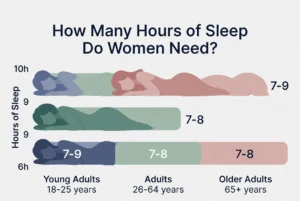
- For most healthy adults, 7 hours of sleep per night is the minimum recommended amount, but 7–9 hours is ideal.…