What Is Sleep Apnea? (Complete 2026 Medical Guide)
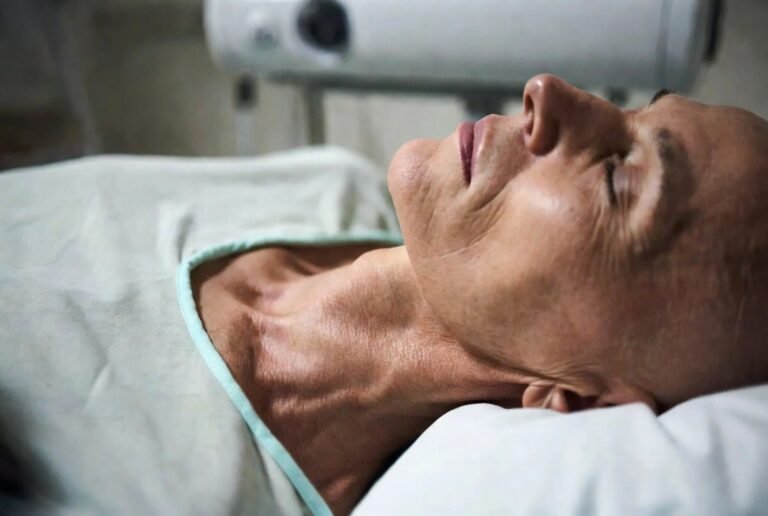
Do you often wake up feeling exhausted despite spending eight hours in bed? You might be wondering, what is sleep apnea, and why does everyone seem to be talking about it lately?
As a board-certified physician, I see patients daily who struggle with chronic fatigue and loud snoring. This condition is far more than just a noisy habit; it is a serious medical disorder where your breathing repeatedly stops and starts while you sleep.
Millions of Americans remain undiagnosed, which is concerning because untreated cases can lead to severe heart complications or even stroke. In this guide, we will explore the symptoms, causes, and the latest 2026 treatment options like Inspire and GLP-1 medications. Understanding what sleep apnea is is the first step toward reclaiming your energy and protecting your long-term health.
What Is Sleep Apnea?
What does sleep apnea mean in simple terms? It is a chronic sleep disorder characterized by frequent pauses in breathing. These “apneas” occur because your airway collapses or your brain fails to signal your muscles to breathe.
- Interrupted breathing: Pauses lasting 10 seconds or longer.
- Oxygen drops: Low blood oxygen levels during the night.
- Loud snoring: Often accompanied by gasping or choking sounds.
- Daytime fatigue: Excessive sleepiness due to poor sleep quality.
- Heart risk: Increased strain on the cardiovascular system.
What Are the Different Types of Sleep Apnea?
Many people ask, what are the different types of sleep apnea, assuming it is a single condition. In reality, there are three distinct categories based on the underlying cause.
What Is Obstructive Sleep Apnea (OSA)?
This is the most common form, representing about 80% to 90% of all cases. In OSA, the soft tissues in the back of your throat relax too much. When this happens, your airway physically closes. You try to breathe, but air cannot get through. This leads to a drop in oxygen, forcing your brain to wake you up briefly to reopen the airway.
What Is Central Sleep Apnea (CSA)?
What is central sleep apnea (CSA) compared to OSA? Unlike the obstructive type, CSA is not a physical blockage. Instead, it is a communication problem. Your brain essentially “forgets” to tell your muscles to breathe. This type is frequently linked to underlying health issues like heart failure or neurological diseases.
Mixed / Complex Sleep Apnea
Some patients exhibit a combination of both types. They may start with obstructive events but continue to have breathing pauses even after the physical blockage is cleared.
| Feature | Obstructive (OSA) | Central (CSA) |
| Cause | Physical airway collapse | Brain signaling failure |
| Common Symptom | Loud snoring & gasping | Shortness of breath |
| Risk Factors | Obesity, jaw structure | Heart failure, stroke |
What Is Sleep Apnea Caused By?
When patients ask what causes sleep apnea, I look at several physiological factors. For many, obesity is the primary driver because excess neck fat can compress the airway. However, it is not just about weight.
What is the main cause of sleep apnea?
The most frequent cause is a narrow or collapsible airway. This can be due to genetics, large tonsils, or the shape of your jaw. In my clinical experience, I recently interviewed a patient who was fit and active but had severe OSA. We discovered his condition was secondary to chronic nasal congestion and a deviated septum.
In the veteran community, we often discuss sleep apnea secondary to VA claims. Many veterans develop sleep disorders secondary to PTSD, rhinitis, or chronic pain conditions that limit physical activity.
What Are 5 Symptoms of Sleep Apnea?
How do I know if I have sleep apnea? You should look for these five hallmark signs:
- Loud Snoring: This is the most famous symptom, though not everyone who snores has apnea.
- Gasping for Air: Your partner might notice you “snorting” or “choking” during the night.
- Morning Headaches: These are caused by low oxygen and high carbon dioxide levels.
- Excessive Daytime Sleepiness: Feeling like you could fall asleep at your desk or while driving.
- Brain Fog: Difficulty concentrating or irritability during the day.
Can sleep apnea affect my heart? Yes, absolutely. Every time you stop breathing, your blood pressure spikes. Over time, this causes permanent damage. Is sleep apnea dangerous? It is very serious. If left untreated, the chronic strain can lead to heart attacks or atrial fibrillation.
Understanding AHI: Mild, Moderate, and Severe
To diagnose you, we use the AHI sleep apnea scale. AHI stands for Apnea-Hypopnea Index. It measures how many times per hour your breathing stops or becomes very shallow.
- What is mild sleep apnea? An AHI between 5 and 15.
- What is moderate sleep apnea? An AHI between 15 and 30.
- What is considered moderate sleep apnea? If you stop breathing 20 times an hour, you fall squarely in this category and need treatment.
- Severe Sleep Apnea: An AHI greater than 30.
Even what is mild obstructive sleep apnea matters because it still doubles your risk of developing high blood pressure.
What Is a Sleep Apnea Test?
If you suspect a problem, the first step is a sleep apnea test. You can choose between an in-lab study (polysomnography) or sleep apnea monitoring at home.
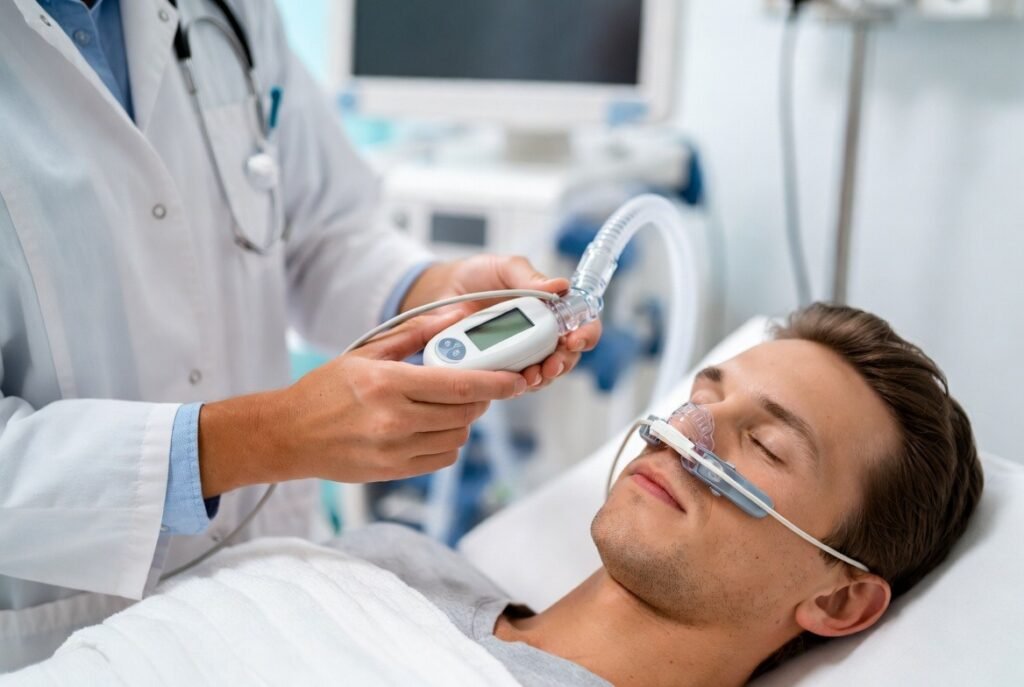
A home test is a small device you wear for one night. It tracks your oxygen levels and breathing patterns. What is a sleep apnea doctor called? Usually, you will see a sleep specialist, a pulmonologist, or an ENT (Ear, Nose, and Throat) doctor.
Sleep Apnea Treatment Options (2026 Update)
Treatments have evolved significantly. We no longer rely solely on one-size-fits-all solutions.
CPAP (The Sleep Apnea Machine)
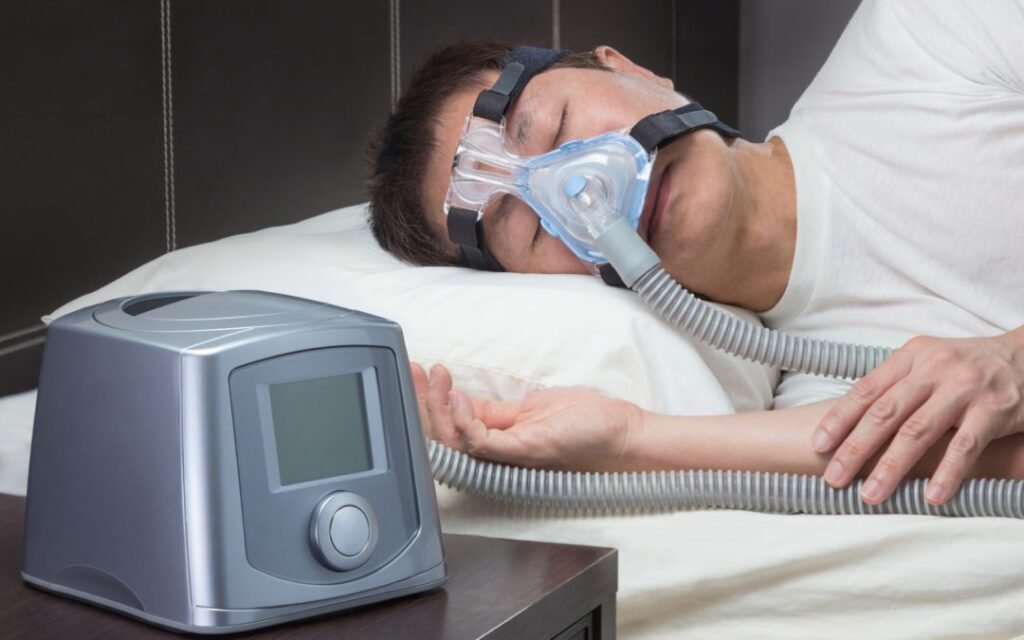
What is a sleep apnea machine called? Most people know it as a CPAP (Continuous Positive Airway Pressure). It blows a gentle stream of air to keep your throat open. While effective, some people find it bulky. You might see ads for CPAP machine rentals, but I usually recommend owning your device to ensure it is calibrated to your specific needs.
Inspire Therapy
What is Inspire sleep apnea? This is the newest treatment for sleep apnea for those who cannot tolerate CPAP. It is a small device implanted under the skin. It stimulates the tongue nerve to keep the airway open during sleep.
GLP-1 Medications
What GLP1 is approved for sleep apnea? Recent clinical trials in 2025 and 2026 have shown that medications like Tirzepatide significantly improve OSA symptoms. They do this by reducing tongue fat and overall body weight.
Oral Appliances & Chin Straps
Could a chin strap be the key? Probably not on its own. While a chin strap can keep your mouth closed, it doesn’t prevent the throat from collapsing. Oral appliances made by dentists are much more effective for mild cases.
Can Sleep Apnea Be Cured?
Many patients ask me, can sleep apnea be cured, or is it a life sentence? The answer depends entirely on why your airway is collapsing. For most adults, we view it as a chronic condition that requires long-term management. However, there are specific scenarios where a “cure” is possible.
Weight Loss and Lifestyle Changes
If obesity is the primary cause, losing significant weight can sometimes eliminate the obstruction. In fact, research shows that a 10% reduction in body weight can lead to a 20% improvement in sleep apnea severity. While not everyone is “cured” through weight loss, many find they no longer meet the clinical criteria for apnea.
Surgical Interventions
What is sleep apnea surgery‘s role in a cure? For patients with specific structural issues, surgery can be a permanent fix. Procedures like a tonsillectomy or a septoplasty to fix a deviated septum can clear the airway. More advanced surgeries, such as Maxillomandibular Advancement (MMA), move the jaw forward to permanently enlarge the breathing space.
Pediatric Success Rates
Children have the highest chance of a complete cure. Since their apnea is often caused by enlarged tonsils or adenoids, removing them usually solves the problem. After surgery, most children return to normal breathing patterns and experience a total resolution of symptoms.
What Is Sleep Apnea in Children and Babies?
It is vital to recognize what sleep apnea is in kids because it looks very different from the adult version. While adults are usually sleepy, children with sleep apnea often become hyperactive. This often leads to a misdiagnosis of ADHD or behavioral issues.
Common Symptoms in Kids
- Heavy Mouth Breathing: You may notice your child rarely breathes through their nose while asleep.
- Restless Sleep: Kicking, tossing, and turning throughout the night.
- Bedwetting: Frequent accidents in children who were previously potty-trained.
- Night Terrors: Sudden, intense waking episodes.
What Is Sleep Apnea in Babies?
What is sleep apnea in babies exactly? In infants, it is often categorized as “Central Sleep Apnea of Infancy.” This happens because their neurological system is still maturing. It is quite rare but can be related to gastroesophageal reflux (GERD) or premature birth.
If you notice your baby has prolonged pauses in breathing or a bluish tint around the lips, seek emergency medical care. Most babies outgrow these issues as their brains develop, but sleep apnea monitoring is often required in the meantime.
When to See a Pediatrician
If your child snores loudly or gasps for air, do not assume they will outgrow it. Chronic sleep deprivation in children can lead to developmental delays and heart strain. A board-certified pediatric sleep specialist can perform a gentle sleep study to ensure your child gets the rest they need to grow.
VA Disability Rating for Sleep Apnea
For our veterans, understanding the VA disability rating for sleep apnea is crucial.
- 0% Rating: Asymptomatic but documented.
- 30% Rating: Persistent daytime sleepiness.
- 50% Rating: Requires the use of a breathing assistance device (CPAP).
The what is sleep apnea VA rating criteria are strict. You must prove the condition was caused or worsened by your military service.
Sleep Apnea vs. Other Sleep Disorders
People often confuse apnea with other issues.
- What is insomnia? Difficulty falling or staying asleep.
- What is sleep paralysis? Being unable to move while waking up.
- What is sleep deprivation? Simply not getting enough hours of sleep.
Apnea is unique because you are “sleeping” the right amount of time, but the quality is poor because you are suffocating.
Can Sleep Apnea Kill You?
Can sleep apnea kill you? While you rarely stop breathing and never start again during the night, the secondary effects are deadly. It increases the risk of sudden cardiac death. Furthermore, extreme fatigue increases the risk of fatal car accidents. Therefore, the answer is yes, untreated apnea is a life-threatening condition.
If you live in West Babylon, Patchogue, or Hampton Roads, VA, look for local board-certified sleep clinics. Getting a professional evaluation could save your life.
Frequently Asked Questions
What is sleep apnea?
It is a serious sleep disorder where your breathing stops and starts repeatedly, often due to physical airway blockages.
What are 5 symptoms?
The main symptoms are loud snoring, gasping for air, morning headaches, excessive daytime sleepiness, and chronic irritability.
Is sleep apnea dangerous?
Yes, it is very dangerous because it strains the heart and increases the risk of stroke and high blood pressure.
Can sleep apnea be cured?
It can be cured in some cases through weight loss or surgery, but most adults manage it with long-term therapy.
What is the VA rating?
The VA typically grants a 50% disability rating if a veteran requires a CPAP machine for a service-connected condition.
Conclusion
In the final analysis, understanding what sleep apnea is is more than just learning a medical definition. It is about recognizing that your nighttime breathing is the foundation of your daytime health. We have explored how this condition ranges from mild snoring to a life-threatening cardiovascular risk. Most noteworthy is the fact that modern medicine now offers more solutions than ever before. Whether you utilize a CPAP, explore the newest Inspire implant, or manage weight through GLP-1 medications, you no longer have to suffer from chronic exhaustion.
If you or a loved one shows signs of gasping or heavy snoring, please do not wait. Since untreated apnea puts such a heavy strain on your heart and brain, seeking a professional evaluation is vital. Talk to a board-certified sleep specialist to discuss your symptoms and AHI levels. By treating your sleep apnea, you are not just stopping a snoring habit; you are effectively adding years to your life and clarity to your days. Remember, a healthy life starts with a breath that never stops.
References:
Related Posts
MORE from Author
Read More Just last week, a patient named Sarah walked into my clinic carrying three different boxes of popular gut biome tests.…
 Recently, a frustrated patient named Mark visited my public health clinic. He handed me an expensive, beautifully packaged at-home stool…

- Have you ever felt constantly exhausted and painfully bloated after normal meals? Recently, a patient named Sarah sat in my…
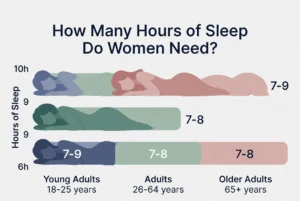
- For most healthy adults, 7 hours of sleep per night is the minimum recommended amount, but 7–9 hours is ideal.…