What Is a Dietary Supplement? Definition, Uses, and Safety
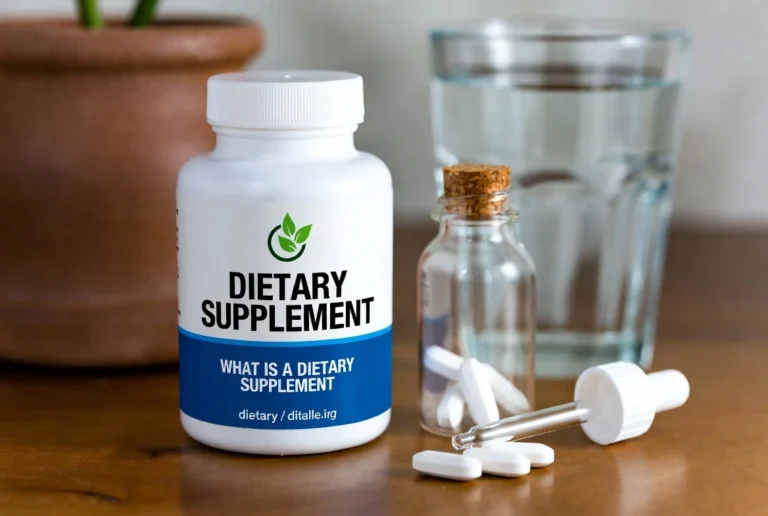
In the modern health landscape, the aisles of pharmacies and grocery stores are overflowing with colorful bottles promising everything from boundless energy to effortless weight loss. Many people take vitamins, minerals, or herbal products daily without knowing exactly what they are or how they interact with their biology.
As Dr. Julian, I have spent years consulting with patients who view these products as “magic pills.” I recall a specific interview with a patient named Marcus, who was taking over fifteen different capsules a day.
He was shocked to learn that several of his “natural” choices were actually neutralizing his prescription heart medication.
A dietary supplement is fundamentally designed to fill nutrient gaps, support overall health, or target specific physiological goals. They include a vast array of substances, such as vitamins, minerals, amino acids, herbs, and probiotics.
This comprehensive guide will explore the official definition of dietary supplements, their various types, and the essential safety protocols you should follow before adding them to your daily routine.
What Is a Dietary Supplement?
To understand the dietary supplement definition, we must look toward the regulatory framework provided by the FDA. Under the Dietary Supplement Health and Education Act (DSHEA), a dietary supplement is defined as a product taken by mouth that contains a “dietary ingredient” intended to supplement the diet.
These dietary ingredients can include vitamins, minerals, herbs or other botanicals, amino acids, and substances such as enzymes, organ tissues, and metabolites. What is considered a dietary supplement is often a point of confusion; unlike drugs, they are not intended to treat, diagnose, prevent, or cure diseases.
The supplement definition also draws a clear line between these products and conventional food. While they are regulated as a subcategory of food, they are not intended to replace meals. Instead, they are meant to complement your nutritional intake.
A key takeaway for consumers is that supplements are regulated differently from medications. The FDA does not “approve” dietary supplements for safety or effectiveness before they reach the market. Instead, the responsibility lies with the manufacturers to ensure their products are safe.
What Are Dietary Supplements Used For?

When patients ask what a dietary supplement is used for, the answer usually falls into three categories: deficiency prevention, health optimization, or performance enhancement.
The primary purpose of a dietary supplement is to provide nutrients that might otherwise be lacking in your diet.
For instance, many adults take vitamin D during the winter months when sunlight is scarce or B12 if they follow a strictly vegan diet. Beyond filling gaps, what a dietary supplement does is support specific bodily functions. Probiotics are used to bolster gut flora, while omega-3 fatty acids are frequently utilized for cardiovascular and brain health support.
In my clinical experience, I’ve found that many people use them for physical performance. Creatine, for example, is used by athletes to increase ATP production, which directly aids in muscle power and recovery.
It is vital to remember that the purpose of a dietary supplement is to support, not to override, a healthy lifestyle. They are most effective when they act as a “safety net” for a diet that is already nutrient-dense.
Types of Dietary Supplements
The world of nutrition is vast, but we can generally categorize these products into five distinct types of food supplements. Understanding these categories helps you navigate which product aligns with your health objectives.
Vitamins and Minerals
This is the most common category, including multivitamins, vitamin C, iron, and calcium. These are essential micronutrients that the body needs in small amounts to function. They are often the first line of defense against nutritional deficiencies like anemia or scurvy.
Herbal and Botanical Supplements
These products are derived from plants and are used for medicinal or therapeutic purposes. Popular examples include turmeric for inflammation, ginseng for energy, and echinacea for immune support. Unlike vitamins, these often contain complex phytochemicals that can vary in potency between brands.
Amino Acids and Proteins
Often associated with fitness, these include whey protein, branched-chain amino acids (BCAAs), and creatine. Creatine monohydrate is widely regarded as the most common and likely most effective form of creatine available as a dietary supplement for strength and muscle growth.
Probiotics and Enzymes
A probiotic dietary supplement contains live microorganisms, such as Lactobacillus or Bifidobacterium. These are designed to improve the “good” bacteria in your gut. Digestive enzymes, on the other hand, help the body break down fats, proteins, and carbohydrates more efficiently.
Specialty Compounds
This category includes substances like fish oil (omega-3s), coenzyme Q10, and huperzine A. These are often targeted at specific systemic health goals, such as cognitive function or heart health, rather than general nutrition.
Dietary Supplements for Specific Goals
If you are searching for what a good dietary supplement is, the answer depends entirely on your goal. In my practice, I find that patients are most interested in four specific areas: weight loss, energy, gut health, and muscle building.
Weight Management
Many ask, “Does a dietary supplement help you lose weight?” While products like green tea extract, caffeine, and fiber supplements can boost metabolism or increase satiety, they are not “fat burners” in isolation. They only offer a marginal benefit when paired with a caloric deficit and regular exercise.
Energy and Focus
For those struggling with midday slumps, B-complex vitamins are a common choice, as they help convert food into cellular energy. Creatine is also gaining traction for cognitive energy, as the brain—like the muscles—relies on phosphocreatine for rapid energy regeneration.
Gut Health and Digestion
The rise of the “microbiome” has made probiotics a staple. When choosing a probiotic dietary supplement, look for the specific “CFU” (colony-forming units) count and ensure the strains have been clinically studied for your specific issue, such as IBS or antibiotic-associated diarrhea.
Muscle and Performance
Protein powders and amino acids are the gold standard here. However, I always remind my patients that “food first” is the best policy; supplements should only provide the extra protein that you cannot realistically consume through whole food sources like eggs, meat, or lentils.
Are Dietary Supplements Safe?
This is perhaps the most critical question I address in my clinical practice. While many assume that “natural” equals “safe,” the reality is more nuanced. Because the FDA does not pre-approve these products for efficacy, the burden of safety often falls on the consumer and their healthcare provider.
The most common side effects of dietary supplements are gastrointestinal, such as nausea, bloating, or diarrhea. However, more serious risks exist, particularly regarding drug interactions. For example, St. John’s Wort is a popular herbal supplement for mood, but it can dangerously reduce the effectiveness of birth control, blood thinners, and even some cancer treatments.
I always advise my patients to look for “red flags” on a label. If a product claims to be a “miracle cure,” promises “instant results,” or lacks a clear ingredient list, it should be avoided. High-quality supplements will typically undergo third-party testing by organizations like USP, NSF, or Informed Choice to verify that what is on the label is actually in the bottle.
Common Questions About Dietary Supplements
When you see the phrase “take as a dietary supplement” on a bottle, it simply means the product is intended to be swallowed—either as a pill, capsule, powder, or liquid—to add to your total daily intake of nutrients. It is not a replacement for medical treatment or a balanced diet.
Many people also ask, “Are dietary supplements considered food?” Legally, they are a special category of food. However, they are labeled with a “Supplement Facts” panel rather than the “Nutrition Facts” panel found on a bag of rice or a box of cereal.
This distinction is important for understanding that while they provide nutrients, they lack the complex fiber and caloric structure of whole foods.
Another common concern is whether supplements can cause weight gain. Generally, vitamins and minerals have zero calories. However, protein powders and “mass gainers” can significantly increase your daily calorie count, which will lead to weight gain if not accounted for in your overall energy balance.
Food Supplements vs Dietary Supplements
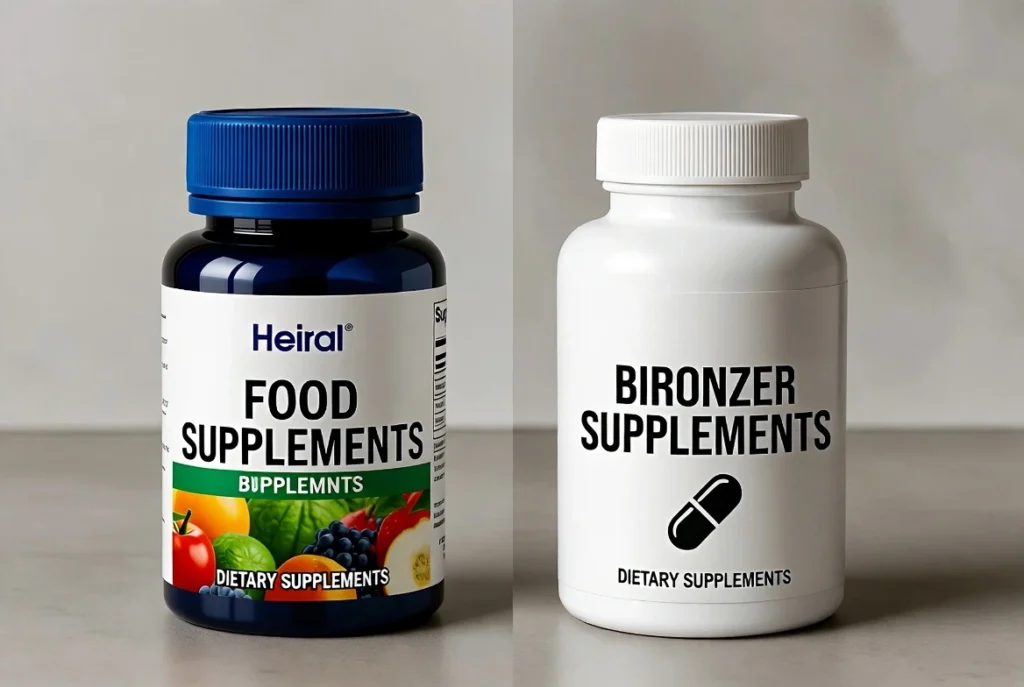
You may occasionally see the term “food supplement” used interchangeably with “dietary supplement.” While they mean essentially the same thing, the terminology often depends on geography. In Europe and the United Kingdom, “food supplement” is the standard legal term for these products.
Whether it is a food supplement vs. a dietary supplement, the core components—vitamins, minerals, and botanicals—remain the same. The primary differences lie in labelling laws and the specific dosages allowed under different international regulatory bodies.
Regardless of the name, the goal remains to provide concentrated sources of nutrients with a nutritional or physiological effect.
Popular Supplements and Brands
When you are ready to choose a product, the list of nutritional supplement brands can be overwhelming. I recommend sticking to companies that prioritize transparency and clinical research.
Brands like Nature Made, NOW Foods, and Garden of Life are frequently cited for their commitment to quality control and third-party verification. Whether you are looking for a basic multivitamin or a specialized probiotic dietary supplement, choosing a reputable brand reduces the risk of consuming contaminants or “filler” ingredients.
If you are looking for a structured way to track your intake, many health organizations provide a nutritional supplements PDF or logbook. Using these can help you and your doctor identify which supplements are actually providing a benefit and which are simply an unnecessary expense.
Frequently Asked Questions
What is a dietary supplement?
A dietary supplement is a product taken by mouth that contains ingredients—such as vitamins, minerals, herbs, or amino acids—intended to supplement the diet and provide nutrients that may be missing.
What is a good dietary supplement for weight loss?
There is no “magic” weight loss supplement, but fiber, green tea extract, and protein powders can support satiety and metabolism when combined with a healthy diet and exercise.
Are dietary supplements safe?
Most are safe when used as directed, but they can cause side effects or interact with medications. It is crucial to choose third-party tested brands and consult a doctor first.
What is a probiotic dietary supplement?
A probiotic supplement contains live, beneficial bacteria that support a healthy gut microbiome, aid digestion, and may boost immune function.
How long do supplements take to work?
This varies. Some, like caffeine or certain enzymes, work within an hour. Others, like vitamin D or fish oil, may take several weeks of consistent use before blood levels stabilize and benefits are felt.
Conclusion
What is a dietary supplement? Ultimately, it is a tool—a concentrated source of nutrients designed to help you reach your health potential. Whether you are using creatine for muscle recovery, a probiotic for gut health, or a multivitamin to fill nutritional gaps, these products can be a valuable addition to your life.
However, supplements are not a substitute for the foundational pillars of health: a diverse diet, regular movement, and adequate sleep. As I told Marcus during our interview, more is not always better. The most effective supplement regimen is one that is tailored to your specific deficiencies and goals, backed by scientific evidence, and monitored by a professional.
Before starting any new regimen, I encourage you to consult with your primary care physician or a registered dietitian. This step ensures that your path toward wellness is both effective and, most importantly, safe.
References
Related Posts




MORE from Author
Read More It's scary to wake up in the middle of the night and not be able to move or talk. People…
 Have you been searching for a way to boost your cellular health? You may have encountered the question, what is…

- Did you know that muscle loss can begin as early as your 30s? As a physician, I often see patients…
- As a physician, I regularly see patients who are utterly exhausted from poor sleep. When you are desperately scrolling online…