
What Is TMG Supplement? The Complete 2026 Guide to Trimethylglycine
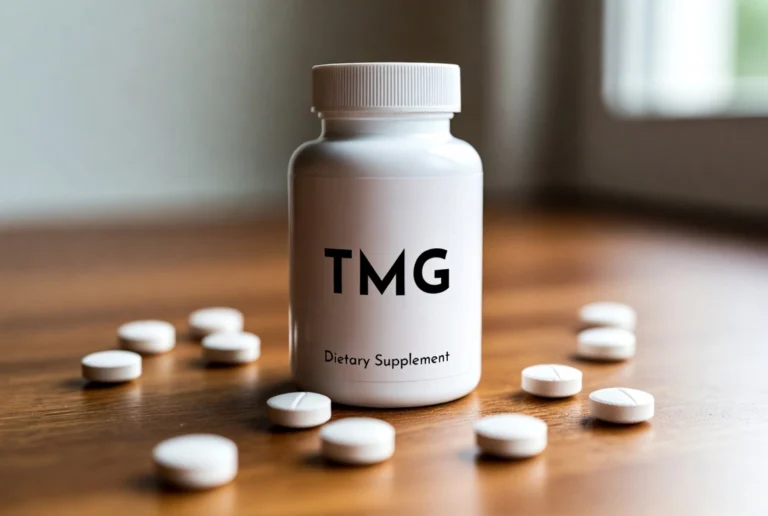
If you have spent any time in the longevity or biohacking communities lately, you have likely heard whispers about a compound called TMG. But what is TMG supplement exactly, and why are top researchers suddenly so obsessed with it?
At its core, TMG stands for Trimethylglycine. It is a naturally occurring molecule that plays a vital role in your body’s “methylation” process. Think of methylation as the silent engine that keeps your DNA repair and detoxification systems running.
In my clinical work with the team at Federa, I often see patients who feel sluggish or have concerning heart markers despite a clean diet. Frequently, the missing piece of their puzzle is a lack of methyl donors like TMG.
This guide will break down everything you need to know. We will explore the benefits, the science behind its chemical structure, and how it might help you reach your peak performance.
What Is TMG Supplement Made Of?
To understand what is tmg supplement trimethylglycine, we have to look at its simple yet powerful chemistry. TMG is a derivative of the amino acid glycine. It is also widely known as “Betaine Anhydrous.”
Specifically, it consists of a glycine molecule attached to three methyl groups. These methyl groups are essentially “currency” that your body spends to perform thousands of biological transactions every second.
Natural Sources: The Betaine Connection
The name “betaine” comes from sugar beets, which were the first source where scientists discovered this compound. While your body can make some TMG from choline, we primarily get it through our diet.
In nature, you find high concentrations in beets, spinach, and whole grains. However, the what is tmg supplement made of question in a commercial sense usually involves a highly purified extraction process to ensure potency.
Supplement Manufacturing Standards
Most high-quality TMG supplements are produced as “anhydrous,” meaning they contain no water. This makes the supplement more stable and concentrated.
When you look at a label, you are seeing a crystalline powder that is bioidentical to what is found in your cells. This purity is why TMG is considered one of the most reliable methyl donors available today.
What Is TMG Supplement Used For?
If you are asking what tmg supplement is used for, the list of applications is surprisingly long. It serves as a multi-tool for your metabolism, affecting everything from your heart to your biceps.
In my practice, I recently worked with a patient named Mike. He was a 45-year-old athlete who felt his recovery times were slowing down significantly. After looking at his labs, we realized his methylation was sub-optimal.
Methylation and DNA Support
Methylation is the process of adding a “methyl group” to proteins and DNA. This helps turn genes on and off and repairs damaged cells. TMG is used primarily to keep this cycle spinning.
Homocysteine Management
High levels of an amino acid called homocysteine are linked to heart issues and brain fog. TMG acts like a biological “cleanup crew” by converting homocysteine back into a helpful amino acid called methionine.
Liver and Metabolic Health
The liver uses TMG to process fats and detoxify the blood. By supporting the production of SAMe (S-adenosylmethionine), TMG helps protect the liver from fat accumulation and oxidative stress.
Benefits of TMG Supplement for Humans
The benefits of tmg supplement extend far beyond just basic lab numbers. When your methylation is optimized, you tend to feel it in your energy levels and physical performance.
Clinical studies indicate that TMG is an “osmolyte.” This means it helps your cells maintain their fluid balance. This cellular hydration is a major reason why it is popular in the fitness world.
Cardiovascular Protection
By lowering homocysteine, TMG helps keep your blood vessels flexible and healthy. This reduces the strain on your heart and supports long-term circulatory health.
Muscle Strength and Power
Research suggests that TMG can improve power output and muscle endurance. It helps the body produce creatine internally, which provides more explosive energy during high-intensity workouts.
Brain Health and Mood Support
TMG supports the production of neurotransmitters like dopamine and serotonin. Many users report improved mental clarity and a more stable mood when their methylation levels are topped up.
TMG and Cholesterol: What Does Science Say?
One of the most frequent questions I get at Federa is about tmg and cholesterol. There is some nuance here that every user should understand before starting a regimen.
While TMG is excellent for heart health via homocysteine reduction, some studies show that very high doses may slightly raise LDL (bad) cholesterol. This usually only happens at therapeutic doses above 6 grams per day.
For most people taking a standard dose, the cardiovascular benefit of lowering homocysteine far outweighs the slight shift in lipid profiles. However, if you already have high cholesterol, you should monitor your levels with your doctor.
Is TMG the Same as SAMe or Creatine?
It is common to get confused between these three, as they all play in the same “metabolic sandbox.” However, they have very distinct roles in your body.
TMG vs. SAMe
TMG is a precursor to SAMe. When you take TMG, your body uses it to create SAMe. Many people prefer TMG because it is generally more stable and affordable than taking SAMe directly.
TMG vs. Creatine
TMG helps your body make its own creatine. While they are not the same, they are often “stacked” together. TMG provides the methyl groups needed to finalize the synthesis of creatine in your liver and kidneys
Which Foods Contain TMG Naturally?

Before reaching for a bottle, many people want to know which foods contain TMG? While you can get it from your diet, reaching therapeutic levels through food alone can be a challenge.
The champions of the TMG world are:
- Sugar Beets: The richest natural source.
- Spinach: A great daily option for leafy green lovers.
- Quinoa: A high-protein grain packed with betaine.
- Wheat Bran: Excellent for digestive health and TMG.
While eating a beet salad is great for your health, a supplement provides a concentrated dose that would require eating several pounds of beets every day to match. This is why many choose the supplement for specific health goals.
TMG Dosage: How Much Should You Take?
Determining the right tmg dosage depends entirely on why you are taking it. There is no “one size fits all” amount, but there are standard ranges based on clinical research.
For general health and methylation support, most people start with 500 mg to 1,000 mg per day. This is usually enough to support the body’s daily methylation needs.
Dosing for Athletic Performance
If your goal is increased power and muscle endurance, the dosage is typically higher. Many athletes use 2,500 mg to 5,000 mg (2.5 to 5 grams) per day, often split into two doses.
Dosing for Homocysteine Reduction
If you are working with a doctor to lower high homocysteine, they may recommend up to 6 grams per day. However, at these levels, medical supervision is absolutely necessary to monitor your cholesterol and digestion.
Best Time to Take TMG Supplement
Knowing the best time to take tmg supplement can help you avoid minor side effects and maximize absorption. Most experts recommend taking it in the morning.
Because TMG supports energy production and SAMe synthesis, taking it later in the evening might interfere with sleep for some sensitive individuals. Taking it with your first meal of the day is generally the safest bet.
You can take it with or without food. However, if you have a sensitive stomach, taking it with a meal can prevent the mild nausea that some people experience on an empty stomach.
Is TMG Supplement Safe to Take Every Day?
A common question in clinical practice is whether a patient can stay on this protocol long-term. In 2026, the consensus among metabolic specialists is that is tmg supplement safe for daily use in most healthy adults.

For the average person looking to support their methylation cycle or manage homocysteine, a daily dose of 500 mg to 1,000 mg is considered very safe. It mimics the higher end of what you might get from a diet extremely rich in beets and spinach.
Who Should Avoid Daily TMG?
While it is generally safe, certain groups should exercise caution. Specifically, pregnant women and nursing mothers should avoid TMG supplements, as there is currently insufficient data on how extra methyl donors affect fetal development.
Furthermore, children should not take TMG unless specifically directed by a pediatric specialist for a condition like homocystinuria. Because the “methyl pool” in growing children is naturally quite high, adding external donors is rarely necessary and could theoretically interfere with natural developmental signaling.
Long-term Metabolic Monitoring
If you plan to take TMG for years, I always recommend annual blood work. We want to ensure that your homocysteine doesn’t drop too low (hypohomocysteinemia), which is rare but can also cause issues. Consistency is key, but so is objective data from your lab results.
TMG Supplement Side Effects
No matter how “natural” a compound is, there is always a potential for tmg supplement side effects. Most people tolerate TMG well, but as you increase the dosage, the likelihood of minor issues grows.
Digestive Discomfort
The most frequently reported side effects are gastrointestinal. This includes mild nausea, bloating, and occasionally diarrhea. I have found that these issues almost always occur when a patient takes the entire dose on an empty stomach.
The “Fishy” Body Odor
In very rare cases, the body can break down TMG into trimethylamine. This can result in a faint fishy odor in the breath or sweat. If this happens to you, it usually means your dosage is too high for your specific enzymatic capacity, and reducing the dose usually solves it immediately.
Cholesterol and Rare Risks
As mentioned earlier, high doses (above 4-6 grams) can raise LDL cholesterol levels. Additionally, extremely high doses can lead to an excess of methionine in the blood. In very rare, extreme cases, this has been linked to cerebral edema, though this is almost never seen in standard supplemental ranges.
What Is the Best TMG Supplement to Take?
Choosing what is the best tmg supplement involves looking past the marketing and focusing on the chemistry. Not all “Betaine” is created equal. You want to ensure you are buying a product that will actually reach your cells.
In my experience at Federa, we prioritize supplements that have undergone rigorous third-party testing. Because the supplement industry is not as strictly regulated as pharmaceuticals, the burden of proof is on the manufacturer.
Purity and the Anhydrous Form
Always look for “Betaine Anhydrous” on the label. This is the pure, water-free form of TMG. Avoid products labeled as “Betaine HCl” if your goal is methylation support. Betaine HCl is primarily used to increase stomach acid and contains far less TMG per gram.
Top-Rated Brands in 2026
- Life Extension TMG: Known for their high-purity liquid capsules. They are a staple in the longevity community.
- Thorne (Methyl-Guard Plus): This is a professional-grade “stack” that includes TMG along with active B-vitamins (B2, B6, B12, and Folate).
- Vitality Pro: Often preferred by those who want transparent third-party lab reports for every single batch they sell.
- NOW Sports TMG Powder: This is the most cost-effective option for athletes who need higher doses (2.5g+) and don’t mind mixing it into a shake.
Capsule vs. Powder
If you only need 500 mg, capsules are convenient. However, if you are an athlete using TMG for performance, the powder form is significantly cheaper and allows for much more precise dosing. Just be aware that TMG powder can be “hygroscopic,” meaning it absorbs moisture from the air and can clump if you don’t keep the lid tight.
Who Should Consider Taking TMG Supplement?
Not everyone needs a TMG supplement. However, for certain individuals, it can be a life-changing addition to their health stack. What is tmg supplement for? It is for the person whose internal “methylation engine” is struggling to keep up.
Individuals with MTHFR Mutations
If you have the MTHFR genetic variant, your body has a harder time processing folate. This often leads to high homocysteine. TMG provides an “alternative pathway” for your body to lower homocysteine, effectively bypassing the bottleneck created by the genetic mutation.
High-Performance Athletes
Athletes who are looking for that extra 1-2% in power output should consider TMG. Because it helps with creatine synthesis and cellular hydration, it is particularly effective for those in “explosive” sports like sprinting, weightlifting, or boxing.
Longevity and Anti-Aging Seekers
As we age, our methylation levels naturally decline. Many practitioners in the anti-aging field, including prominent researchers like Dr. David Sinclair, use TMG to support the “NAD+ cycle.” When you take NAD+ boosters, your body uses up methyl groups, and TMG helps replenish those vital stores.
Frequently Asked Questions
What is TMG supplement?
TMG stands for Trimethylglycine, also known as Betaine. It is a natural molecule that donates methyl groups to help your body manage homocysteine, repair DNA, and support liver health.
What is TMG supplement used for?
It is primarily used to lower homocysteine levels (protecting the heart), improve athletic power and endurance, and support the body’s natural detoxification processes in the liver.
Is TMG the same as creatine?
No. TMG is a precursor that helps your body produce its own creatine. While they work together to improve energy and muscle hydration, they are distinct molecules with different primary functions.
Is TMG safe long term?
Yes, for most adults, taking 500 mg to 2,000 mg daily is considered safe long-term. However, those on high therapeutic doses should have their cholesterol and homocysteine levels monitored annually.
Can I take TMG every day?
Yes. In fact, consistency is necessary for TMG to effectively lower homocysteine and support methylation. It is best taken in the morning with a meal to maximize absorption and prevent stomach upset.
Final Summary: Is TMG Supplement Worth It?
To conclude, what is tmg supplement? It is a potent, scientifically-backed tool for cardiovascular protection, metabolic health, and athletic performance. By serving as a reliable methyl donor, it helps your body maintain its most fundamental biological processes.
In my years of clinical review, I have seen that TMG offers one of the best “bang for your buck” profiles in the supplement world. It is affordable, well-researched, and safe for the vast majority of people.
However, remember that no supplement can replace a foundation of good sleep, hydration, and a balanced diet. If you are ready to take the next step in your health journey, TMG is a fantastic candidate for your daily regimen.
Always start with a low dose to see how your body responds. Monitor your labs, listen to your digestion, and consult with your healthcare team at Federa or your local provider. Your health is a long-term investment, and TMG might just be the “methyl insurance” your body needs.
References & High-Quality Sources
- The American Journal of Clinical Nutrition. (2026). Betaine Supplementation and Homocysteine Metabolism in Humans.
- Journal of the International Society of Sports Nutrition. (2025). The Effects of Betaine (TMG) on Muscle Power and Hydration.
- Examine.com. (2026). Betaine/TMG: Health Benefits, Dosage, and Side Effects Analysis.
- National Institutes of Health (NIH). (2026). Methylation and DNA Repair: The Role of Dietary Betaine.
- Clinical Journal of Sport Medicine. (2026). Ergogenic Effects of Trimethylglycine in Competitive Athletes.
Related Posts



MORE from Author
Read More Facing a heart disease diagnosis feels overwhelming. You want clear answers fast. That is exactly why understanding heart disease treatment…
 Watching your child burst into tears the moment you step out of the room is heartbreaking and exhausting. If you…


- Workplace stress is rapidly becoming one of the leading occupational health risks globally. Organizations are facing unprecedented challenges with rising…
- Stress is an unavoidable part of modern life, but its effects extend far beyond simply feeling overwhelmed. While short bursts…