
Separation Anxiety in Toddlers: Ages, Signs, and Proven Ways to Help (2026 Guide)
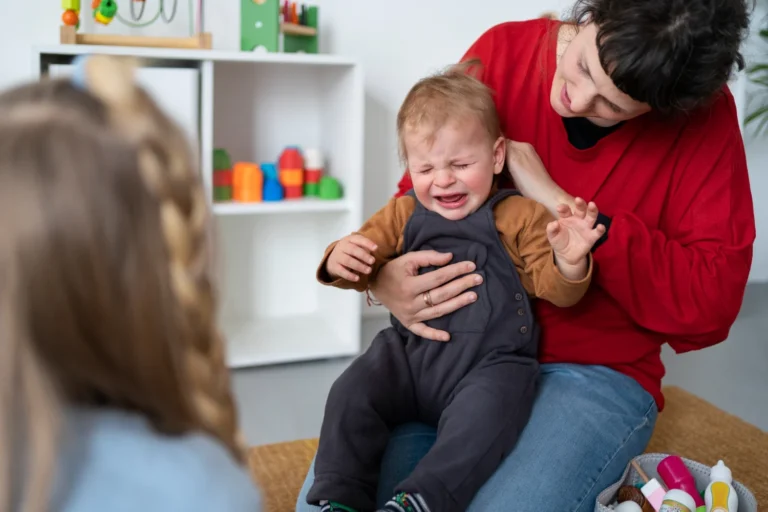
Watching your child burst into tears the moment you step out of the room is heartbreaking and exhausting. If you are currently dealing with separation anxiety in toddlers, you are navigating one of the most challenging, yet completely normal, developmental phases of early childhood.
In my medical practice, parents frequently ask me if they are doing something wrong when their child suddenly clings to their leg at daycare drop-off. The answer is always no. This phase represents a major cognitive milestone. Your child is learning object permanence and forming deep emotional attachments.
However, dealing with crying when a parent leaves, frequent sleep disruptions, and intense clinginess can drain the entire household. This guide covers the causes, signs, and timeline of this phase. We will also explore age-based strategies and practical techniques to help you ease their fears effectively.
What Is Separation Anxiety in Toddlers?
At its core, separation anxiety in toddlers is a normal developmental stage where a child experiences genuine distress when separated from their primary caregivers. It shows that your child has formed a secure emotional attachment to you.
Developmentally, your toddler now understands that you still exist even when you leave the room. Unfortunately, their concept of time is not fully developed. They do not understand when you will return, which triggers a panic response.
While normal separation anxiety is a temporary phase, it is important to distinguish it from severe separation anxiety in toddlers. Normal anxiety peaks and fades within a few minutes of you leaving. Severe anxiety persists, causes physical symptoms like vomiting, and severely disrupts daily functioning.
What Causes Separation Anxiety in Toddlers?
Parents often wonder what triggers this sudden shift in behavior. What causes separation anxiety in toddlers? It is rarely caused by a single event. Instead, it is a combination of cognitive leaps and environmental changes.
- Developmental Milestones: As toddlers learn to walk and talk, they realize they are separate individuals from their parents. This newfound independence is exciting but incredibly terrifying, triggering a profound fear of abandonment.
- Changes in Routine: Any major life transition can spark anxiety. Starting a new daycare, moving to a new home, or the arrival of a new sibling disrupts their sense of security.
- Sleep Regression: Physical growth spurts and teething often disrupt sleep patterns. An overtired toddler has a much lower threshold for emotional regulation, making partings much harder.
In clinical interviews, I often find that sudden bouts of clinginess directly correlate with a change in the family’s daily schedule. Consistency is a toddler’s primary source of comfort.
Signs of Separation Anxiety in Toddlers
Recognizing the exact symptoms helps you address the root fear rather than just disciplining the behavior. The signs of separation anxiety in toddlers can manifest physically and emotionally.
Common symptoms include:
- Crying when a parent leaves: Immediate, intense distress at the door or gate.
- Refusal to sleep alone: Sudden demands to co-sleep or intense crying at bedtime.
- Clinginess: Shadowing you from room to room, even in a familiar environment.
- Tantrums during separation: Emotional meltdowns triggered by seeing you put on your coat or grab your keys.
- Night waking: Frequent waking, looking for you, which are common signs of separation anxiety in babies at night, extending into toddlerhood.
Separation Anxiety by Age
Because cognitive development happens in stages, the way a child experiences this fear changes as they grow. Let us look at a detailed age breakdown of how this anxiety presents.
Separation Anxiety in Toddlers Age 1
Separation anxiety in toddlers aged 1 marks the onset phase. Around 12 to 15 months, children firmly grasp object permanence. They know you left but cannot rationalize your return.
During this time, you will often see a heavy overlap with stranger anxiety. For an 18-month-old, separation anxiety often manifests as physically clinging to your legs when a new person enters the room. Reassurance and slow introductions are key here.
Separation Anxiety in Toddlers Age 2
This is generally the peak intensity phase. Separation anxiety in toddlers aged 2 is highly complex because they are experiencing a massive conflict between independence and fear.
A 20-month-old or 2-year-old will often shout, “No! I do it!” one minute and then dissolve into tears if you walk out of their sight the next. By the time they reach 2.5 years old, separation anxiety can become very vocal, with children verbalizing their fear of you leaving.
Separation Anxiety in Toddlers Age 3
As children grow, their imaginations expand rapidly. Separation anxiety in toddlers aged 3 is often driven by new, imagined fears. They might worry about monsters in their room or fear that they might get lost while you are at work.
A 3-year-old with separation anxiety needs more than just a quick hug. They require logical, simple explanations of where you are going and exactly when you will return (e.g., “after snack time”).
Separation Anxiety in Toddlers Age 4
By this stage, we usually see a gradual improvement. A 4-year-old with separation anxiety generally understands the concept of time much better. They know that daycare ends, and parents come back.
However, if a four-year-old is suddenly exhibiting severe, regressive anxiety, it is often tied to a specific stressor, such as a conflict with a peer or a major household change.
| Age Group | Core Developmental Trigger | Typical Presentation |
| 12–18 Months | Object permanence realization | Crying instantly upon parental departure |
| 18–24 Months | Conflict of independence | Intense physical clinging and immediate tantrums |
| 2–3 Years | Developing imagination | Fear of the dark, imagined threats, night waking |
| 3–4 Years | Social awareness | Anxiety over specific environments (e.g., preschool) |
When Does Separation Anxiety Peak in Toddlers?
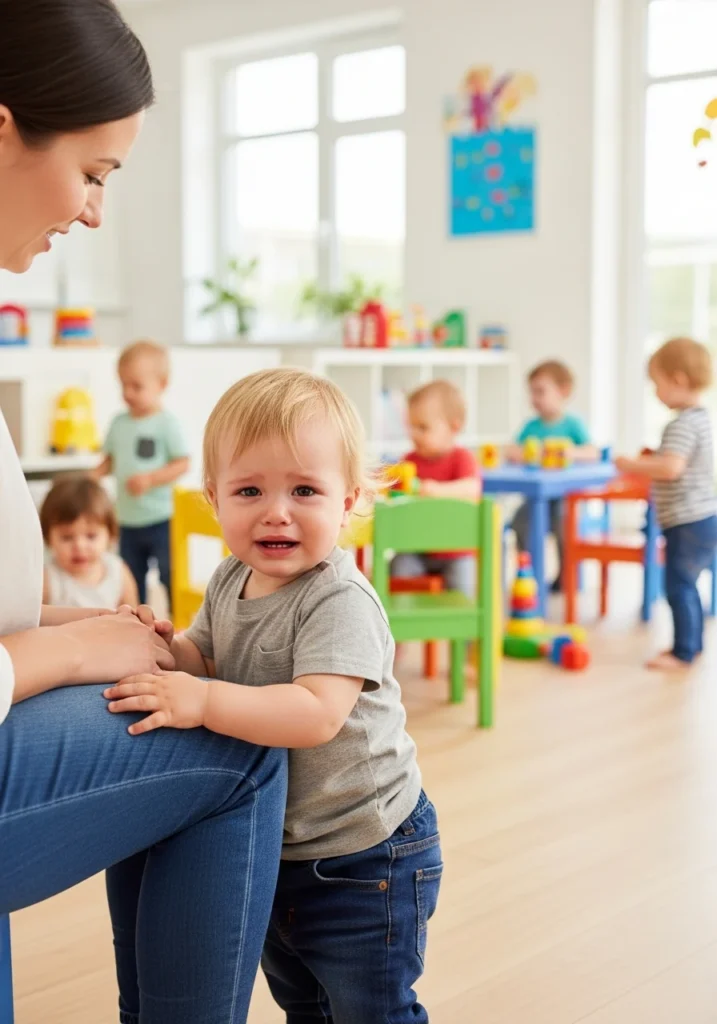
Parents are usually desperate to know when the clinging will stop. When does separation anxiety peak in toddlers? Medically, the primary peak age for separation anxiety in toddlers is between 12 and 24 months.
During this window, their emotional attachment is at its strongest, but their logical reasoning is at its weakest. You will often wonder when separation anxiety is the worst in toddlers—it is usually around the 18-month mark.
Secondary peaks can happen during major life transitions between ages 2 and 3. Do not be surprised if a perfectly adjusted two-year-old suddenly regresses when they transition to a toddler bed or start potty training.
Separation Anxiety in Toddlers at Night
Bedtime is often the ultimate test. Separation anxiety in toddlers at night is incredibly common because darkness strips away their visual connection to you.
When dealing with separation anxiety in toddlers’ sleep, you will notice an increase in bedtime resistance and night wakings. Separation anxiety in toddlers aged 2 at night is heavily influenced by their newly developing fear of the dark and active dreaming.
I recently treated a 2-year-old patient who went from sleeping 11 hours straight to waking up screaming every two hours. The culprit was not a medical issue; it was a severe sleep regression triggered by nighttime separation anxiety. Establishing a rock-solid, predictable bedtime routine is essential for overcoming this hurdle.
How Long Does Separation Anxiety Last?
In the midst of daily meltdowns, parents desperately want to know the timeline. How long does separation anxiety last in toddlers? Typically, a standard phase lasts anywhere from a few weeks to several months.
The duration depends heavily on the child’s temperament and how consistently parents respond to the anxiety. So, when does separation anxiety end in toddlers entirely? Most children naturally outgrow the most intense clinging by age three.
However, it is perfectly normal for brief anxiety to recur later. Even a well-adjusted four-year-old might experience a sudden resurgence of fear during a major life transition, such as starting a new school or dealing with a family illness.
Stages of Separation Anxiety
Psychologists have long studied how children process parental absence. Understanding the stages of separation anxiety in toddlers helps you interpret their behavior accurately. There are generally 3 stages of separation anxiety observed in early childhood.
The first stage is protest. Your child cries loudly, clings, and actively tries to prevent you from leaving. The second stage is despair, where the child stops crying but appears withdrawn, sad, and uninterested in play.
The final stage is detachment. In a healthy environment, the child eventually accepts the separation, engages with their caregiver, and resumes normal play until the parent returns.
How to Help Separation Anxiety in Toddlers
This is the most critical phase for parents. Knowing how to help separation anxiety in toddlers requires patience, strategy, and immense consistency. If you want to know how to ease separation anxiety in toddlers, you must focus on building their confidence.
Here are the most effective, evidence-based strategies to help your child navigate this developmental milestone.
Practice Short Separations
You cannot expect a toddler to handle an eight-hour daycare shift if they have never been away from you. Practice short separations at home first. Leave them in a safe room for one minute while you go to the kitchen.
Gradually increase the time, always calling out to them so they hear your voice. This step-by-step exposure teaches their developing brain that your absence is temporary and perfectly safe.
Create Goodbye Rituals
Toddlers thrive on extreme predictability. Creating a structured goodbye ritual reduces the shock of your departure. Keep it incredibly simple, such as two kisses, a high-five, and a cheerful “See you after nap time!”
Once you establish this routine, never alter it. Consistency signals safety to a toddler’s anxious brain. The routine acts as a reliable bridge between your presence and your eventual return.
Avoid Sneaking Away
When figuring out how to help with separation anxiety in toddlers, many parents make the mistake of sneaking out while the child is distracted. While this prevents immediate tears, it completely destroys their trust.
If a child suddenly realizes you have vanished, their baseline anxiety skyrockets because they feel they must constantly monitor you. Always say goodbye, even if it triggers a temporary meltdown. Trust is more important than a tear-free exit.
Encourage Independence
Fostering independence during play drastically reduces clinginess. Allow your child to engage in safe, independent exploration at home or at the park.
Praise them when they successfully play alone for a few minutes. Building their self-confidence in small moments translates directly to better emotional resilience when it is time to say goodbye.
Comfort Objects
Transitional objects provide immense emotional security. Introduce a specific comfort object, like a small blanket or a safe stuffed animal, during times of stress or bedtime.
This object carries your scent and serves as a physical reminder of home. Many daycare centers highly encourage these items because they physically ground the child during moments of panic.
Stay Calm and Consistent
Your child constantly reads your facial expressions to gauge danger. If you look panicked or guilty when leaving, they will assume the environment is genuinely unsafe. Maintain a confident, cheerful demeanor during every single drop-off.
How to Deal With Severe Separation Anxiety
While most anxiety is normal, some cases require a deeper intervention. Learning how to deal with separation anxiety in toddlers becomes complicated when the fear physically harms the child.
Last month, I interviewed a mother whose three-year-old was vomiting every single morning before preschool. The child entirely refused to eat and developed severe night terrors. These are classic red flags of severe separation anxiety in toddlers.
In this specific clinical case, the mother was unknowingly lingering at drop-off and showing visible distress. By establishing a strict 10-second goodbye ritual and enforcing a swift exit, the child’s severe panic subsided within a week. However, if physical symptoms persist, immediate medical consultation is required.
How to Stop or Reduce Separation Anxiety
Parents actively seeking how to stop separation anxiety in toddlers need to understand that you cannot “cure” a developmental phase overnight. However, you can absolutely manage it.
To effectively discover how to reduce separation anxiety in toddlers, you must audit your daily environment. Focus heavily on routine building. Ensure meals, naps, and playtimes happen at the exact same time every day.
Furthermore, prioritize sleep training. An exhausted child cannot regulate their emotions. By improving their sleep quality, you directly give them the neurological energy required to cope with partings. If you want to know how to fix separation anxiety in toddlers, start with a solid night of sleep.
Managing Separation Anxiety in Toddlers (Daily Routine Plan)

Managing separation anxiety in toddlers requires a predictable framework. A structured daily routine drastically lowers their baseline cortisol levels.
- Morning Routine: Wake up at the exact same time. Use a visual chart showing breakfast, getting dressed, and putting on shoes.
- Daycare Drop-Off: Execute your 10-second goodbye ritual confidently. Hand the child to the caregiver, smile, and leave immediately without looking back.
- Bedtime Routine: Dealing with separation anxiety in toddlers at night requires a strict wind-down phase. Include a bath, two books, and five minutes of cuddling before leaving the room while they are still awake.
When to Seek Professional Help
While most children simply outgrow this phase, clinical intervention is sometimes necessary. If the intense anxiety persists well beyond age four, it warrants a professional psychological evaluation.
Furthermore, seek immediate help if the anxiety interferes with their basic development, such as a complete refusal to speak, eat, or interact with peers. These can be early signs of a pediatric anxiety disorder that requires targeted therapy.
Frequently Asked Questions
How do you fix separation anxiety in toddlers?
You cannot instantly “fix” it, but you can manage it by establishing consistent goodbye routines, practicing short daily separations, and never sneaking away without saying goodbye.
Can a 2-year-old be too attached to mom?
It is developmentally normal for a two-year-old to be intensely attached to their primary caregiver. However, if the attachment prevents the child from playing entirely or causes severe physical distress, it requires evaluation.
What is the 3-3-3 rule for anxious children?
The 3-3-3 rule is a grounding technique. You ask the child to name three things they can see, three things they can hear, and move three specific body parts to distract their anxious brain.
At what age does separation anxiety typically peak?
Medically, the primary peak age occurs between 12 and 24 months, with 18 months often being the most intense period due to conflicting desires for independence and security.
Conclusion
Separation anxiety is a completely normal, healthy sign that your child has bonded with you. The intensity usually peaks around ages 1 to 2 and gradually improves as they develop a better concept of time.
You can successfully manage this phase by practicing extreme consistency, utilizing short goodbye rituals, and providing endless calm reassurance. Remember, your child relies on your confidence to feel safe; most children will beautifully outgrow this phase with your steady support.
Medical References:
- American Academy of Pediatrics (HealthyChildren) – Soothing Your Child’s Separation Anxiety
- National Health Service (NHS) UK – Separation Anxiety
- National Institutes of Health (StatPearls Publishing) – Separation Anxiety Disorder (Peer-Reviewed Medical Overview)
- Stanford Medicine Children’s Health – Separation Anxiety in Children
- Centers for Disease Control and Prevention (CDC) – Anxiety and Depression in Children
Related Posts





MORE from Author
Read More As a physician specializing in exercise science and public health, I regularly consult patients who feel completely lost in the…
 Just last week, a 34-year-old patient named Clara sat in my clinic, feeling entirely overwhelmed by the modern fitness industry.…


 Hello, I am Dr. Kenji Sato, MD, specializing in sports medicine and performance optimization. In my sports clinic, I constantly…
- In my clinical practice as a physician focused on exercise science, I often tell patients that mastering fitness bench workouts…