
Glucose Tablets for Low Blood Sugar: Dosage, Timing & How They Work
In my endocrinology clinic, I frequently see patients make a dangerous mistake when their glucose drops. Just last month, a patient named Mark came in after a severe hypoglycemic episode.
He had tried to treat his plunging numbers with a massive chocolate bar, but the high fat content delayed the sugar absorption, leaving him confused and shaking for nearly an hour.
I explained to him that keeping glucose tablets for low blood sugar on hand is not just an option; it is a clinical necessity for safety.
Treating a sudden drop in glucose requires precision, speed, and predictability. Relying on random snacks often leads to massive overcorrections and frustrating blood sugar rollercoasters.
Therefore, in this comprehensive guide, I will break down exactly how these tablets work, the exact dosages you need, and how to handle severe metabolic emergencies safely.
TL;DR (The Bottom Line)
- Fast Relief: Glucose tablets are a rapid, precise treatment for sudden hypoglycemia.
- Standard Dose: The clinical standard is 15 grams of pure glucose, which usually equals 3 to 4 tablets, depending on the specific brand.
- Rapid Action: Your blood sugar will typically begin to rise within 10 to 15 minutes of chewing the tablets.
- Emergency Warning: Severe hypoglycemia (under 55 mg/dL) may require emergency medical care or prescription glucagon.
What Are Glucose Tablets?
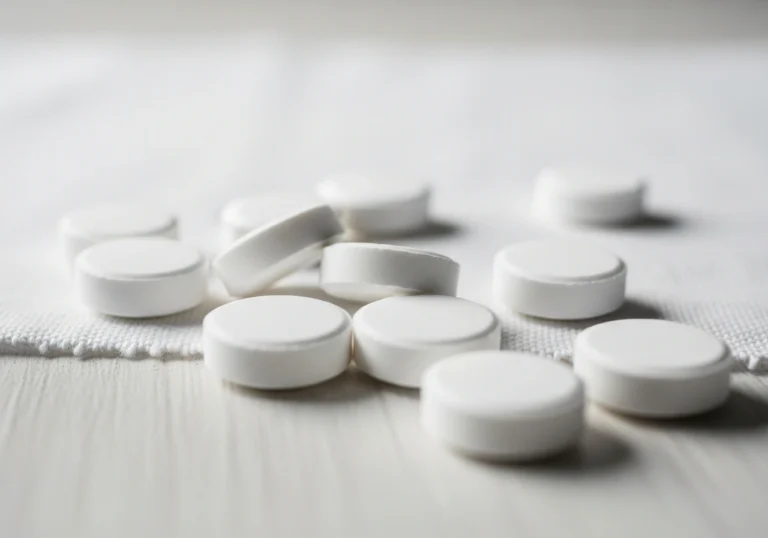
When your numbers crash, your brain immediately triggers a panic response. Glucose tablets are over-the-counter medical supplements specifically engineered to reverse this crash instantly. They are tightly compressed discs of pure, fast-acting carbohydrates.
Their primary purpose in hypoglycemia treatment is to provide an exact, measurable dose of energy. Unlike a handful of candy or a glass of juice, these tablets remove all the guesswork from your medical response. You know exactly how many grams of carbohydrates you are ingesting per chew.
Furthermore, medical professionals vastly prefer them over everyday food. When you eat a candy bar, your stomach must break down the fats and proteins before it can extract the sugar. In a medical emergency, you do not have time for digestion.
How Do Glucose Tablets Work? (Mechanism)
To understand their efficiency, you must look at their chemical makeup. These tablets contain pure dextrose, which is chemically identical to the glucose already floating in your bloodstream.
Because dextrose is a simple sugar, it requires virtually zero digestion. The moment you begin chewing the tablet, the blood vessels in your mouth and stomach begin absorbing it. It bypasses the complex digestive breakdown process entirely.
Consequently, this rapid absorption into the bloodstream causes an almost immediate increase in your circulating blood sugar. This fast action shuts off your body’s adrenaline response, quickly stopping the terrifying shaking, sweating, and confusion associated with a severe low.
How Many Glucose Tablets Should I Take?
Patients constantly ask me, “Dr. Sato, exactly how many glucose tablets to take when I feel dizzy?” The medical community relies on a highly standardized protocol to answer this.
The universal, snippet-ready answer is that you need exactly 15 grams of fast-acting glucose. For most major brands available at your local pharmacy, this perfectly equals 3 to 4 chewable tablets.
However, you must always read the nutritional label on your specific brand. Some high-dose tablets contain 5 grams each (requiring three tablets), while standard doses contain 4 grams each (requiring roughly four tablets).
Taking too few will leave you in a dangerous state, while taking too many will cause a massive hyperglycemic spike later.
Glucose Tablets Dosage Chart
Visualizing your emergency response plan saves critical time when your brain is foggy. I provide this exact glucose tablet dosage chart to all my diabetic patients to keep on their refrigerators.
| Blood Sugar Level | Clinical Action | Glucose Dose |
| 55–70 mg/dL | Mild hypoglycemia treatment | 15g (Usually 3–4 tablets) |
| Under 55 mg/dL | Moderate to severe treatment | 15–20g (Usually 4–5 tablets) |
| Under 40 mg/dL | Life-threatening emergency | Administer Glucagon / Call ER |
This glucose chewable tablets chart acts as a strict guideline. If you drop below 55 mg/dL, your cognitive function is impaired rapidly. You may need a slightly higher dose to pull yourself out of the danger zone safely.
Glucose Chewable Tablet Instructions
Knowing the dose is only half the battle; proper execution is vital. The clinical protocol for glucose chewable tablet instructions is known universally as the “15-15 Rule.”
- Check your blood sugar: Always confirm the low with a glucometer if possible. Do not guess blindly.
- Take 15g of glucose: Chew 3 to 4 tablets thoroughly and swallow.
- Wait exactly 15 minutes: Sit down, rest, and do not eat any other food during this waiting period.
- Recheck your numbers: Use your glucometer again.
- Repeat if necessary: If your blood sugar is still below 70 mg/dL, consume another 15g of tablets and wait another 15 minutes.
How Long Do Glucose Tablets Take to Work?
When you are sweating and trembling, every single second feels like an eternity. Patients frequently ask how long glucose tablets take to raise blood sugar, so they know when to expect relief.
Because they are made of pure dextrose, they begin working in as little as 5 to 10 minutes. You will physically feel the adrenaline start to subside as your brain receives the fuel it desperately needs.
However, the absolute peak effect of the tablets occurs right around the 15-minute mark. This is precisely why the 15-15 rule dictates waiting a full quarter-hour before consuming more. If you panic and eat ten tablets in five minutes, your sugar will skyrocket to 300 mg/dL an hour later.
Best Glucose Tablets for Low Blood Sugar
When choosing the best glucose tablets for low blood sugar, not all brands are created equal. You need a product that fits your lifestyle and works flawlessly under extreme stress.
My selection criteria for the best glucose tablets for hypoglycemia rely on three factors: rapid absorption rate, pinpoint accurate dosing, and ease of use. For instance, the Dex4 brand and generic ReliOn tablets are highly trusted in the clinical space.
Furthermore, taste is surprisingly important. If you buy a chalky, bitter tablet, you will hesitate to chew it when you feel sick. Look for pleasant fruit flavors packaged in sturdy, crush-proof plastic tubes that you can safely carry in a purse or gym bag.
Glucose Tablets vs Food for Low Blood Sugar

When a crash happens, patients instinctively run to the kitchen pantry. However, comparing glucose tablets vs food for low blood sugar reveals a massive difference in metabolic speed.
Food contains a complex matrix of fats, proteins, and fibers. If you eat a chocolate bar, your stomach must break down the cocoa fat before the sugar ever reaches your blood.
In stark contrast, tablets are pre-formulated for instant absorption. Here is a clear comparison of your options during a metabolic crash:
| Treatment Option | Absorption Speed | Best Clinical Use |
| Glucose Tablets | Fastest (5–10 mins) | Immediate emergency treatment. |
| Fruit Juice | Fast (10–15 mins) | Good alternative if tablets are missing. |
| Peanut Butter Sandwich | Slow (30+ mins) | Stabilizing follow-up snack only. |
What to Eat After Treating Low Blood Sugar
Once the immediate panic is over and your numbers are back above 70 mg/dL, you cannot simply walk away. If you do not stabilize your system, the active insulin in your body will cause you to crash again.
Therefore, knowing what to eat after treating low blood sugar is crucial for long-term stabilization. You must combine a complex carbohydrate with a high-quality protein or fat.
Excellent stabilizing snacks include a piece of whole-grain toast with peanut butter or a small bowl of Greek yogurt with berries. The complex carbs provide a slow, steady release of energy, while the protein anchors your numbers for the next few hours.
What Level of Low Blood Sugar Is Dangerous?
As an endocrinologist, I am constantly asked, “What level of low blood sugar is dangerous?” The medical community categorizes hypoglycemia into three distinct, progressive stages of severity.
First, any reading under 70 mg/dL is considered clinically low. At this stage, your body releases adrenaline, causing the classic shakes, sweating, and rapid heartbeat. You are fully conscious and can self-treat using the 15-15 rule.
However, a reading below 54 mg/dL is classified as clinically serious hypoglycemia. At this level, your brain is actively being starved of its primary fuel. You will likely experience severe cognitive impairment, confusion, and lethargy, making it difficult to treat yourself without assistance.
Finally, a reading below 40 mg/dL is a severe medical emergency. At this critical stage, the neurological system begins to shut down. Patients are at an extremely high risk for major seizures, sudden coma, and irreversible neurological damage.
Can You Die from Low Blood Sugar in Your Sleep?
This is the ultimate fear for many of my diabetic patients. They ask me with genuine terror, “Can you die from low blood sugar in your sleep?”
Tragically, while it is rare, it is medically possible. In the clinical world, this is sometimes referred to as “dead in bed syndrome.” It occurs when a patient suffers a massive, prolonged hypoglycemic episode overnight and does not wake up to treat it.
The highest risk factors for overnight emergencies include taking too much basal insulin before bed, drinking heavy alcohol in the evening, or skipping dinner entirely. To prevent this, I strictly advise my high-risk patients to use Continuous Glucose Monitors (CGMs) with loud, active nocturnal alarms.
Low Blood Sugar Death Level (Clinical Insight)
Discussing a low blood sugar death level is grim, but absolute transparency is necessary for patient safety. There is no single universal number where mortality instantly occurs, as human resilience varies.
However, clinical data show that prolonged exposure to levels below 40 mg/dL significantly increases mortality risk. If the brain is deprived of glucose for an extended period, it leads to profound brain death and fatal cardiac arrhythmias.
This is exactly why relying on slow-digesting food is dangerous. If your blood sugar is plummeting toward 40 mg/dL, you need the instant intervention of pure dextrose tablets or an emergency glucagon injection administered by a family member.
How to Increase Blood Sugar Immediately

If you do not have your medical supplies nearby, you must know how to increase blood sugar immediately using household items.
Your goal is to find pure, liquid, or rapidly dissolving simple sugars. Pour half a cup (4 ounces) of real, sugar-sweetened fruit juice like apple or grape juice.
Alternatively, you can drink half a can of regular (not diet) soda. If you only have pantry staples, dissolving one tablespoon of raw honey, corn syrup, or plain table sugar in a small amount of water will spike your numbers rapidly.
What Causes Low Blood Sugar Without Diabetes?
I frequently see highly confused patients who experience severe crashes but have perfectly normal A1C levels. Understanding what causes low blood sugar without diabetes requires a deep dive into alternative metabolic pathways.
First, severe hormonal disorders can mimic diabetic lows. If your adrenal glands fail to produce enough cortisol (Addison’s disease), your liver loses the vital signal telling it to release stored glucose. Consequently, you will crash during brief periods of fasting.
Secondly, certain non-diabetic medications are notorious culprits. Certain malaria drugs, high doses of salicylates, and even some powerful antibiotics can inadvertently trigger massive insulin dumps in sensitive individuals.
Furthermore, heavy alcohol consumption without food physically blocks the liver from releasing glucose. The liver prioritizes clearing the alcohol toxin, completely ignoring your brain’s desperate need for sugar.
Finally, “reactive hypoglycemia” is incredibly common. This happens when a healthy person eats a massive carbohydrate meal (like a giant plate of pancakes). Their healthy pancreas severely overreacts, pumping out too much insulin and crashing their system two hours later.
Does Hashimoto’s Cause Low Blood Sugar?
Many patients with autoimmune conditions wonder, “Does Hashimoto’s cause low blood sugar?” The clinical answer is that it does not cause it directly.
However, severe, untreated hypothyroidism drastically slows down your entire metabolic engine. This sluggish metabolism can delay the clearance of insulin from your bloodstream, making you slightly more vulnerable to reactive dips after eating.
Can You Take GLP-1 Medications If You Have Hypoglycemia?
With the massive popularity of weight-loss drugs, patients frequently ask, “Can you take GLP-1 medications if you have hypoglycemia?”
Drugs like Ozempic or Wegovy stimulate insulin release, but only when your blood sugar is actively high. Therefore, taking a GLP-1 by itself carries a very low risk of causing severe hypoglycemia.
However, the severe danger arises when a GLP-1 is combined with traditional diabetic medications like external insulin or sulfonylureas. This combination routinely causes massive, dangerous crashes and requires strict physician oversight to adjust dosages safely.
When to Prescribe Glucose Tablets
As a physician, deciding when to prescribe glucose tablets is a straightforward clinical protocol.
I mandate that every single patient prescribed external insulin carry these tablets on their person 24/7. It is not optional; it is a life-saving prescription.
Additionally, I strongly recommend them for patients taking oral sulfonylureas (like glipizide), as these drugs force the pancreas to pump insulin regardless of whether the patient has eaten food.
How Many Glucose Tablets Can You Take in a Day?
There is no toxic overdose limit for simple sugar, so technically, how many glucose tablets you can take in a day does not have a strict number.
However, if you find yourself chewing six, eight, or ten tablets every single day, your underlying medical regimen is fundamentally broken.
Relying on tablets daily means you are taking too much medication, skipping too many meals, or battling a severe underlying issue. You must consult your doctor immediately to adjust your treatment plan.
Frequently Asked Questions
How many glucose tablets should I take if my sugar is low?
The universal clinical standard is 15 grams of pure carbohydrates. Depending on the brand you purchase, this is typically 3 to 4 chewable tablets. Always read your specific bottle’s dosage label.
How fast do glucose tablets work?
Because they are made of pure, pre-broken-down dextrose, they bypass complex digestion. They begin entering your bloodstream within 5 minutes and reach their peak effectiveness in about 15 minutes.
Are glucose tablets better than food?
Yes, for immediate emergency treatment, they are vastly superior. Food contains fats and proteins that severely delay sugar absorption, whereas tablets raise your blood glucose instantly and predictably.
Can hypoglycemia be life-threatening?
Yes, it can. If your blood sugar drops below 40 mg/dL and remains there, it actively starves your brain of fuel, which can lead to severe seizures, sudden coma, or death.
Why do I crash after eating a heavy meal?
This is known as reactive hypoglycemia. When you consume a massive amount of refined carbohydrates, your pancreas may over-secrete insulin in a panic, causing your numbers to plummet below normal ranges shortly after eating.
Conclusion
In conclusion, experiencing a sudden hypoglycemic crash is an incredibly frightening ordeal for anyone. However, having the right medical tools readily available completely shifts the power back into your hands.
Carrying glucose tablets for low blood sugar is the ultimate safety net for any unpredictable metabolic drop.
Remember, treating a severe low is never the time to raid the pantry or eat complex, slow-digesting snacks. You must respect the clinical 15-15 rule to safely and quickly restore your brain’s vital fuel supply. Treat the drop with exactly 15 grams of pure dextrose, wait patiently for 15 minutes, and then stabilize with protein.
Ultimately, mastering your metabolic health is about proactive preparation rather than reactive panic. Stash these life-saving tablets in your car, your office desk, and right on your nightstand.
Finally, if you find yourself relying on them daily, schedule an appointment with your endocrinologist immediately to adjust your treatment plan safely.
Medical References:
- American Diabetes Association (ADA) – Hypoglycemia (Low Blood Glucose)
- Centers for Disease Control and Prevention (CDC) – Low Blood Sugar (Hypoglycemia)
- National Institute of Diabetes and Digestive and Kidney Diseases (NIDDK) – Low Blood Glucose (Hypoglycemia)
- Mayo Clinic – Hypoglycemia Symptoms and Causes
- Cleveland Clinic – Hypoglycemia (Low Blood Sugar) Management
Related Posts




MORE from Author
Read More As a physician specializing in exercise science and public health, I regularly consult patients who feel completely lost in the…
 Just last week, a 34-year-old patient named Clara sat in my clinic, feeling entirely overwhelmed by the modern fitness industry.…


 Hello, I am Dr. Kenji Sato, MD, specializing in sports medicine and performance optimization. In my sports clinic, I constantly…
- In my clinical practice as a physician focused on exercise science, I often tell patients that mastering fitness bench workouts…