
Blood Sugar Level of a Diabetic: Normal Ranges, Charts, and When to Worry
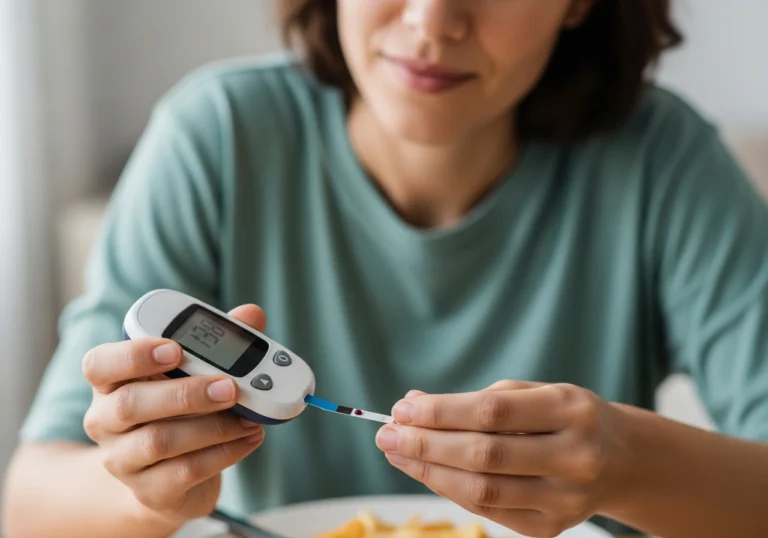
If you’re living with diabetes, knowing your blood sugar numbers isn’t optional—it’s critical for preventing complications. Just last month, a patient of mine named Robert came into the clinic feeling constantly fatigued.
He had been guessing his daily glucose targets based on outdated advice. I explained to him that understanding the exact blood sugar level of a diabetic is the absolute cornerstone of effective disease management.
Many newly diagnosed patients mistakenly believe their goal is to achieve the exact same numbers as someone without the condition. However, “normal” differs significantly between diabetics and non-diabetics.
My goal as an endocrinologist is to help you define your safe ranges and understand exactly when your numbers cross into dangerous territory.
By comparing healthy baselines with clinical targets, you can take control of your metabolic health. Let’s break down these numbers so you can manage your daily energy and protect your long-term well-being without constant anxiety.
TL;DR (The Quick Answer)
- Fasting (diabetic): 80–130 mg/dL (4.4–7.2 mmol/L)
- After meals (diabetic): <180 mg/dL (10.0 mmol/L)
- Danger zone (Low): <70 mg/dL (hypoglycemia)
- Danger zone (High): >250 mg/dL (severe hyperglycemia)
What Are Blood Sugar Levels?
To understand your targets, you must first understand what these readings actually represent. Blood sugar, or blood glucose, is the primary sugar found in your blood. It comes directly from the food you eat and serves as your body’s main source of energy.
When you consume carbohydrates, your digestive system breaks them down into glucose molecules. These molecules then enter your bloodstream. The concentration of this glucose is measured in milligrams per deciliter (mg/dL) in the US, or millimoles per liter (mmol/L) internationally.
This entire process is carefully controlled by insulin, a hormone produced by the pancreas. In a healthy body, insulin acts like a key, unlocking cells so glucose can enter and be used for energy metabolism. Furthermore, your brain relies almost exclusively on a steady supply of this glucose to function properly.
When you have diabetes, this system is broken. Either your pancreas does not produce enough insulin, or your cells become highly resistant to it. Consequently, glucose builds up in the bloodstream, leading to elevated readings that require careful medical management.
What Is the Blood Sugar Level of a Diabetic?
Defining the exact blood sugar level of a diabetic requires looking at several different times of the day. In my clinical practice, I emphasize that there is no single “perfect” number. Instead, we look at dynamic ranges.
When a patient asks, “What is the blood sugar level of a diabetic supposed to be?” I always refer to the American Diabetes Association (ADA) guidelines.
The blood sugar level of a diabetic person fluctuates constantly based on meals, stress, and physical activity. Therefore, we measure success by how well you stay within specific brackets throughout a 24-hour cycle.
Fasting levels tell us how your liver is managing glucose overnight. Post-meal levels show us how your body processes a sudden influx of carbohydrates.
Achieving these targets significantly reduces the risk of microvascular complications. These include damage to your eyes, kidneys, and peripheral nerves. Let’s look at the specific ADA-based targets that I assign to the majority of my adult patients.
Standard Target Ranges for Daily Management
| Time of Check | Target (mg/dL) | Target (mmol/L) |
| Fasting (Before meals) | 80–130 | 4.4–7.2 |
| 1–2 hours after eating | <180 | <10.0 |
| Bedtime | 100–140 | 5.6–7.8 |
It is vital to understand that hitting these numbers 100% of the time is nearly impossible. Do not get discouraged by an occasional high reading. Instead, focus on your overall trend and work closely with your medical team to adjust your lifestyle and medications.
Normal Blood Sugar Level of a Diabetic Patient
One of the hardest conversations I have with patients is redefining the word “normal.” A normal blood sugar level of a diabetic patient is not the same as a non-diabetic’s normal range. Controlled diabetes does not equal a non-diabetic metabolic state.
If we try to push a diabetic patient’s numbers down to non-diabetic levels (like 75 mg/dL fasting), we risk severe, life-threatening drops in blood sugar. The goal is to stay within a clinically safe range that prevents long-term organ damage while keeping you safe from sudden hypoglycemic crashes today.
Therefore, “normal” for you means sitting comfortably between 80 and 130 mg/dL before breakfast. It means accepting that a spike up to 160 mg/dL after a balanced dinner is actually a victory, not a failure.
Blood Sugar Levels for Type 2 Diabetes
When dealing specifically with blood sugar levels for type 2 diabetes, the targets become highly individualized. Type 2 diabetes is a progressive disease characterized primarily by insulin resistance. Because every patient’s level of resistance is different, their targets must be customized.
During my intake interviews, I evaluate three major factors before assigning a target range. First, I look at the patient’s age. An 80-year-old patient will have more relaxed targets to prevent dangerous falls caused by low blood sugar.
Second, I review their current medications. Some oral medications heavily increase the risk of hypoglycemia, requiring us to aim slightly higher. Finally, I assess their comorbidities. If a patient has advanced heart disease or kidney failure, we adjust the glucose goals to protect those specific organs from sudden metabolic shifts.
For an otherwise healthy 50-year-old with Type 2 diabetes, I will strictly enforce the 80–130 mg/dL fasting goal. However, precision medicine dictates that your personal target should be a mutual decision between you and your endocrinologist.
Normal Blood Sugar Levels Chart (mg/dL & mmol/L)

To make daily monitoring easier, I provide all my patients with a universal comparison table. Having a normal blood sugar levels chart taped to your refrigerator helps eliminate the guesswork.
This chart clearly outlines the differences between a healthy metabolism, a prediabetic state, and a diabetic state. Furthermore, it includes the normal blood sugar levels chart in mmol/L for patients who travel or use international monitoring devices.
Universal Clinical Comparison Metrics
| Category | Fasting (mg/dL / mmol/L) | After Eating (mg/dL / mmol/L) |
| Non-diabetic | 70–99 / 3.9–5.5 | <140 / <7.8 |
| Prediabetic | 100–125 / 5.6–6.9 | 140–199 / 7.8–11.0 |
| Diabetic | ≥126 / ≥7.0 | ≥200 / ≥11.1 |
(Note: The “Diabetic” category represents the diagnostic threshold for uncontrolled levels, while your daily managed target should remain under 180 mg/dL).
Blood Sugar Levels in Non-Diabetics (Comparison)
To fully grasp your own targets, it helps to look at the baseline. Normal blood sugar without diabetes is tightly regulated by a fully functional pancreas. Even after a heavy meal, a non-diabetic’s body rapidly secretes the exact amount of insulin needed.
For the average glucose for non diabetic individuals, fasting numbers sit tightly between 70 and 99 mg/dL. Their bodies easily clear morning glucose dumps from the liver.
When looking at the average blood sugar non diabetic response after eating, the spike is minimal. The glucose levels a non-diabetic person experiences rarely cross 140 mg/dL, even after consuming significant carbohydrates. Understanding this non diabetic sugar level chart highlights why medical intervention is necessary when these natural systems fail.
What Is the Blood Sugar Level of a Pre-Diabetic?
When looking at metabolic health, pre-diabetes is the crucial warning light on your dashboard. So, what is the blood sugar level of a pre diabetic person? Clinically, a fasting reading that falls between 100 and 125 mg/dL indicates pre-diabetes.
This means your body is beginning to struggle with insulin resistance, but it has not fully failed yet. Furthermore, your A1C (a three-month average of your glucose) will sit between 5.7% and 6.4%.
The most important thing I tell my pre-diabetic patients is that this condition is highly reversible with aggressive lifestyle changes.
What Is a Normal Blood Sugar Level If You Have Type 2 Diabetes?
As we discussed earlier, “normal” is relative. If you are asking, “What is a normal blood sugar level if you have type 2 diabetes?” the answer lies in your personalized management plan. However, the golden standard is maintaining a fasting glucose between 80 and 130 mg/dL.
Throughout the day, your numbers will fluctuate. After eating a meal, your levels should peak and then return to under 180 mg/dL within two hours. Achieving these numbers consistently is what endocrinologists consider a “normal” and highly successful diabetic state.
Dangerous Blood Sugar Levels (When to Worry)
While aiming for targets is important, knowing when to seek immediate medical help is life-saving. When patients ask, “What level of blood sugar is dangerous for type 2 diabetes?” I break it down into two extreme zones: hypoglycemia and severe hyperglycemia.
Hypoglycemia (Low Blood Sugar)
Any reading below 70 mg/dL is considered dangerous hypoglycemia. At this level, your brain is literally starving for fuel. Symptoms include severe shaking, profuse sweating, heart palpitations, and extreme confusion.
If untreated, it can lead to seizures or a coma, requiring immediate intake of fast-acting carbohydrates (like juice or glucose tablets).
Hyperglycemia (High Blood Sugar)
Conversely, consistent readings above 180 mg/dL cause slow, chronic damage. But what is the danger zone for type 2 diabetes acutely? When numbers cross 250 mg/dL and stay there, you are entering a severe medical alert zone. This high concentration turns your blood toxic and acidic over time.
Is a 250 Blood Sugar Level Normal?
Absolutely not. Is a 250 sugar level normal under any circumstances? No. Even right after eating a massive holiday meal, a well-managed diabetic should not see numbers this high.
A persistent reading of 250 mg/dL or higher indicates that your diabetes is severely uncontrolled. This level puts you at risk for Diabetic Ketoacidosis (DKA) or Hyperosmolar Hyperglycemic State (HHS), both of which are life-threatening emergencies requiring immediate hospitalization and IV fluids.
Example Readings Explained
Let’s translate some common meter readings into real-world scenarios so you can understand your daily results better.
10.2 Blood Sugar Level After Eating
If you use a mmol/L meter and see a 10.2 blood sugar level after eating, you multiply by 18 to get the mg/dL equivalent. This equals roughly 183 mg/dL. This is just slightly above the ADA target of 180 mg/dL. It is not an emergency, but it signals that your meal was slightly too carbohydrate-heavy.
8.2 Blood Sugar Level After Eating
On the other hand, an 8.2 blood sugar level after eating translates to approximately 148 mg/dL. For a diabetic patient, two hours after a meal, this is an absolutely fantastic reading. It shows that your medication, portion control, and insulin sensitivity are working in perfect harmony.
What If My Blood Sugar Is Higher Than Normal?

It is easy to panic when you see a high number on your meter. But what if my blood sugar is higher than normal? First, we must identify whether this is a short-term spike or a long-term trend.
Short-Term Causes
Temporary spikes are incredibly common. They are frequently caused by eating high-carb meals, missing a dose of medication, or experiencing a highly stressful event. Even fighting off a simple cold or infection causes your liver to dump extra glucose into your blood for energy, raising your numbers.
Long-Term Risks
However, if your numbers stay high for weeks or months, the risks multiply. Chronic high glucose acts like shards of glass in your blood vessels. It leads directly to severe nerve damage (neuropathy), kidney failure (nephropathy), and progressive blindness (retinopathy).
What Causes Normal Blood Sugar Levels?
It is helpful to understand the mechanics of success. What causes normal blood sugar levels in a well-managed patient? It is a combination of four crucial pillars working together.
First, a balanced diet prevents massive influxes of glucose. Second, regular physical activity forces your muscles to burn sugar without needing extra insulin. Third, strict medication adherence provides the chemical support your pancreas needs.
Finally, managing stress hormones like cortisol keeps your liver from dumping unnecessary sugar into your system.
How to Reduce Blood Sugar Level Immediately (Safe Methods)
When your meter flashes a high number, you want it down fast. But how to reduce blood sugar level immediately requires safe, evidence-based methods, not internet fads.
Evidence-Based Strategies
The safest way to drop a moderate spike (e.g., 200 mg/dL) is through light physical activity. A brisk 20-minute walk pulls glucose directly from your blood into your leg muscles. Additionally, drinking two large glasses of water helps your kidneys flush the excess sugar out through your urine.
If you are prescribed fast-acting insulin, taking your exact prescribed correction dose is the medical standard of care.
(⚠️ Warning: Never double your medication or attempt extreme exercise if your sugar is over 250 mg/dL with ketones present, as this can worsen your condition).
Practical Daily Targets for Diabetics
To keep things simple, I tell my patients to memorize this quick daily checklist. This is your roadmap to metabolic safety.
- Morning Fasting: Wake up aiming for 80–130 mg/dL.
- After Meals: Keep your two-hour post-meal peak strictly under 180 mg/dL.
- A1C Goal: Aim for an overall 3-month average of ~7.0% (unless told otherwise by your doctor).
Frequently Asked Questions
What is a normal blood sugar for a diabetic?
For a managed diabetic, a normal fasting reading is between 80 and 130 mg/dL. Two hours after eating, a normal reading should ideally drop below 180 mg/dL. These numbers ensure you have enough energy while preventing long-term vascular damage.
At what level of sugar is diabetes?
A clinical diagnosis of diabetes is made when your fasting blood sugar is consistently 126 mg/dL or higher. Additionally, a random blood sugar check of 200 mg/dL or higher, accompanied by symptoms like severe thirst, also confirms a diabetes diagnosis.
What level is dangerous?
The danger zones are below 70 mg/dL (severe hypoglycemia) and above 250 mg/dL (severe hyperglycemia). Both of these extremes require immediate intervention to prevent loss of consciousness, diabetic ketoacidosis, or other life-threatening complications.
What are blood sugar levels?
Blood sugar levels represent the exact amount of glucose circulating in your bloodstream at any given moment. This glucose is derived from the food you eat and is meant to be transported into your cells by insulin to be used as cellular energy.
Does drinking water lower blood sugar?
Yes, staying highly hydrated can naturally help lower elevated glucose levels. When your blood sugar is high, drinking plain water dilutes the glucose concentration in your blood and encourages your kidneys to excrete the excess sugar through urination.
Expert Medical Insight
As Dr. Kenji Sato, MD, I have spent years specializing in endocrinology. Just last week, my patient Robert finally got his post-meal numbers under 160 mg/dL by simply taking a 15-minute walk after dinner. It is proof that you hold incredible power over this disease.
Tight glucose control drastically reduces your risk of microvascular complications. However, I always warn my patients against being too aggressive. Chasing non-diabetic numbers often leads to dangerous hypoglycemic crashes.
Individualization is the absolute key to success. We must account for your age, your heart health, and your daily lifestyle. Use the charts as your map, but let your medical team be your guide.
Authoritative References:
- American Diabetes Association (ADA) – The Big Picture: Checking Your Blood Sugar
- Centers for Disease Control and Prevention (CDC) – Manage Blood Sugar
- Mayo Clinic – Blood sugar testing: Why, when, and how
- World Health Organization (WHO) – Diabetes: Key Facts and Global Diagnostic Criteria
SEO Title: Blood Sugar Level of a Diabetic: 2026 MD Guide & Charts
Meta Description (139 Characters): See the normal blood sugar level of a diabetic. Use our 2026 MD-reviewed charts for fasting & post-meal ranges. Start managing your health today!
Related Posts






MORE from Author
Read More As a physician specializing in exercise science and public health, I regularly consult patients who feel completely lost in the…
 Just last week, a 34-year-old patient named Clara sat in my clinic, feeling entirely overwhelmed by the modern fitness industry.…


 Hello, I am Dr. Kenji Sato, MD, specializing in sports medicine and performance optimization. In my sports clinic, I constantly…
- In my clinical practice as a physician focused on exercise science, I often tell patients that mastering fitness bench workouts…