
Gut Healing Recipes: For Leaky Gut, Inflammation & Daily Gut Health (Breakfast to Dinner Plan)
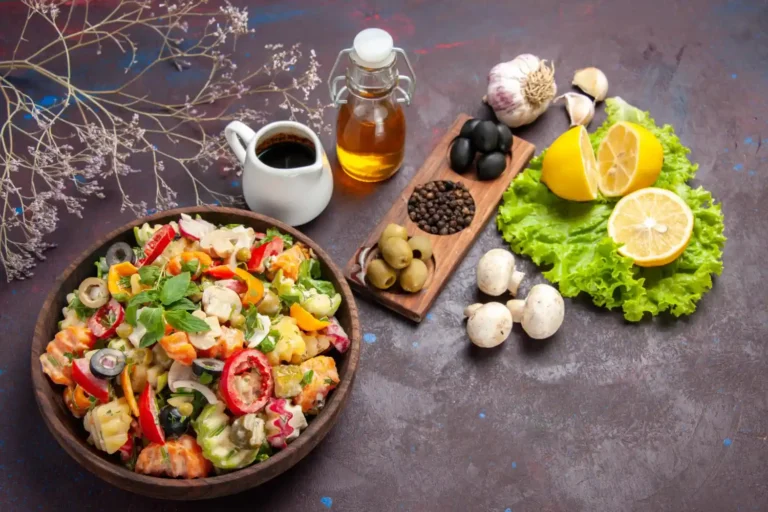
Every day in my clinic, patients arrive exhausted by chronic digestive pain. They have tried countless supplements, fasting protocols, and restrictive diets with little success. What they truly need is a structured meal system, which is why I recommend specific gut healing recipes to repair the mucosal barrier.
Food is not just fuel; it is cellular information that either triggers inflammation or promotes deep healing. In my clinical practice, patients often notice severe bloating, chronic fatigue, and new food sensitivities long before receiving a formal diagnosis of intestinal permeability.
I recently worked with a patient named Michael, who spent years relying on antacids and random probiotic pills. It was only when we shifted his focus to an anti-inflammatory, food-as-medicine approach that his symptoms finally resolved.
This guide provides a clinician-informed gut healing meal system. We will explore the exact food science, daily meal structures, and restorative recipes needed for comprehensive gut repair.
What Is Gut Healing and Why Food Matters
To understand what causes leaky bowels, we must look at the physical structure of your digestive tract. Your intestinal lining is incredibly thin—only one cell thick—and is held together by “tight junctions.”
When functioning correctly, this barrier absorbs vital nutrients while keeping toxins and undigested food particles out of your bloodstream.
However, modern lifestyle factors can force these tight junctions open, creating intestinal permeability, commonly known as leaky gut. When toxins leak into the bloodstream, your body launches a systemic immune response.
This explains why inflammation damages digestion and leads to symptoms far beyond the stomach, such as brain fog, joint pain, and skin rashes.
If you are wondering how to strengthen gut health, the answer starts with your plate. There is a profound biological connection between your microbiome, mood, and immunity. What can I eat that will heal my gut?
You must focus on foods that actively reduce mucosal inflammation while providing the specific amino acids required for cellular repair.
What to Eat for Gut Healing
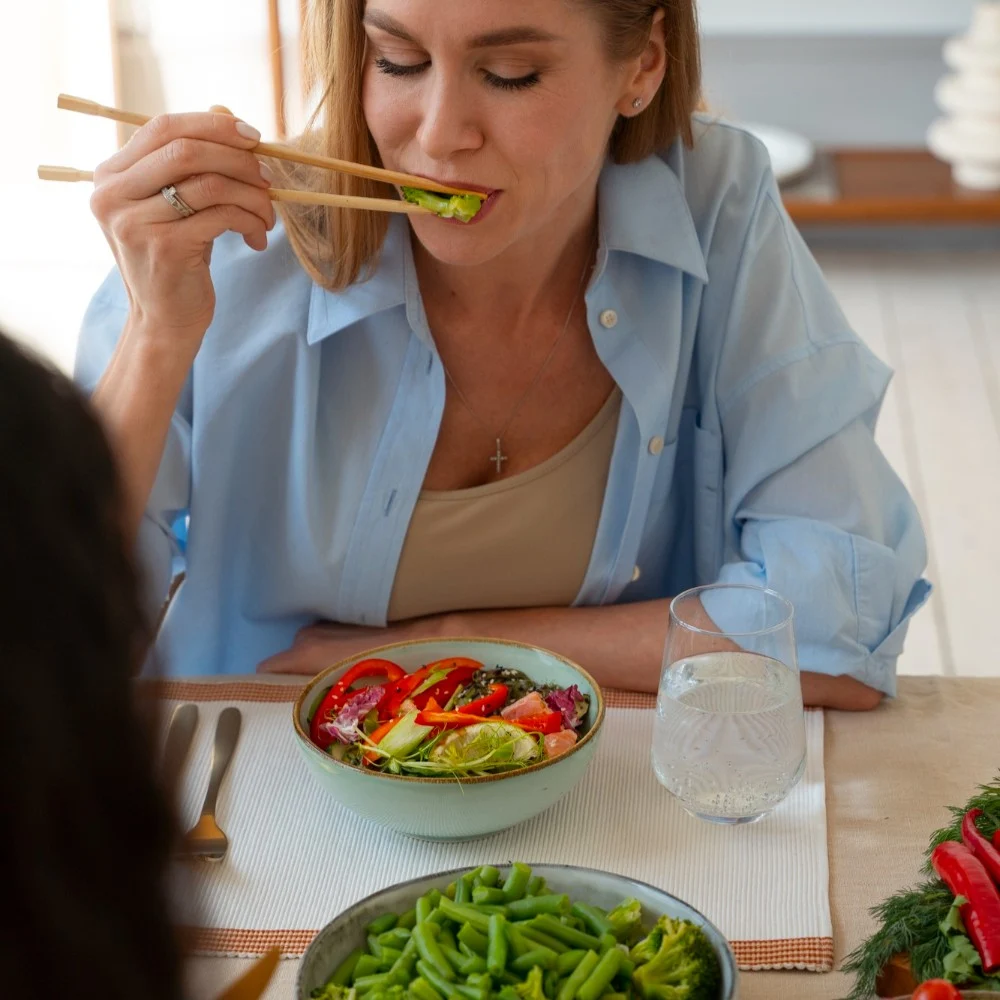
Building a therapeutic menu requires understanding which ingredients actively support tissue repair. You need healthy foods for gut health that do not force your digestive system to work overtime. Anti-inflammatory food groups, such as wild-caught fish, deeply pigmented berries, and leafy greens, are essential starting points.
You must also understand the difference between soothing soluble fiber and harsh fermentable carbohydrates. While fiber feeds your microbiome, those with severe dysbiosis may need to monitor FODMAPs (fermentable oligosaccharides, disaccharides, monosaccharides, and polyols). High-FODMAP foods can trigger rapid fermentation and painful gas in a compromised gut.
Clean protein plays a non-negotiable role in gut repair. Your intestinal cells regenerate rapidly, turning over every few days, and they require abundant amino acids to do so. Therefore, incorporating easily digestible proteins and maintaining excellent hydration are the foundations of all effective meals to improve gut health.
Gut Healing Breakfast Recipes
Your morning meal breaks your overnight fast and sets the inflammatory tone for your entire day. We need leaky gut breakfast ideas that soothe the stomach lining rather than irritating it with refined sugars. These healthy gut foods for breakfast prioritize cellular repair.
Bone Broth Scrambled Eggs with Spinach: Whisk two pasture-raised eggs with a splash of nutrient-dense beef bone broth instead of cream. Scramble them gently in a pan with a small amount of ghee and a handful of wilted spinach.
Why this works biologically: Bone broth provides L-glutamine, the primary fuel source for intestinal cells. Eggs offer complete proteins, though you should monitor your tolerance if you suspect an egg white sensitivity.
Coconut Yogurt, Chia, and Berry Bowl: Scoop one cup of unsweetened, dairy-free coconut yogurt into a bowl. Stir in one tablespoon of chia seeds and top with a handful of organic wild blueberries. Let it sit for ten minutes so the seeds can expand.
Why this works biologically: This is one of the best probiotic breakfast recipes available. The coconut yogurt delivers live active cultures, while chia seeds form a mucilaginous gel that coats and protects the stomach lining.
Gut Reset Oat and Flax Bowl: Cook half a cup of certified gluten-free oats in unsweetened almond milk. Stir in one tablespoon of ground flaxseed and a generous dash of Ceylon cinnamon.
Why this works biologically: Oats contain beta-glucan, a soluble fiber that feeds beneficial bacteria. Cinnamon naturally stabilizes blood sugar, making this an excellent, good breakfast for gut health.
Kefir Gut Repair Smoothie Blend: Blend one cup of plain, unsweetened kefir with half a frozen green banana and a scoop of unflavored collagen peptides.
Why this works biologically: Green bananas contain resistant starch, which survives digestion to feed colon bacteria. Collagen provides the amino acids glycine and proline, which physically rebuild damaged tissue.
Gut Healing Lunch & Dinner Recipes
By midday and evening, your goal is to maintain steady energy while delivering robust anti-inflammatory nutrients. These simple dinner recipes for gut health are designed to be flavorful but exceptionally gentle on your digestive tract.
Turmeric Chicken Bone Broth Bowl: Simmer shredded, pre-cooked chicken breast in a rich chicken bone broth. Add sliced carrots, zucchini, and a teaspoon of freshly grated turmeric root.
Why this works biologically: Turmeric contains curcumin, a scientifically proven anti-inflammatory compound. The broth delivers structural proteins that actively patch intestinal leaks.
Soothing Lentil and Ginger Stew: Cook thoroughly soaked red lentils with bone broth, diced sweet potatoes, and a large knob of fresh ginger. Ensure the lentils are cooked until very soft to reduce digestive strain.
Why this works biologically: Ginger is a powerful natural prokinetic, meaning it helps move food smoothly through the digestive tract. Properly prepared lentils provide slow-digesting, microbiome-feeding fiber.
Grilled Salmon with Fermented Vegetables: Grill a wild-caught salmon fillet seasoned with olive oil and sea salt. Serve it alongside roasted asparagus and two tablespoons of unpasteurized sauerkraut.
Why this works biologically: Salmon are packed with omega-3 fatty acids, which actively lower systemic inflammation. The raw sauerkraut introduces billions of diverse bacterial strains to your lower intestine.
Indian-Style Moong Dal Gut Healing Soup: Boil split yellow mung beans (moong dal) with healing spices like cumin, coriander, and fennel. This is a staple in Ayurvedic medicine and one of the best gut-friendly recipes Indian cuisine offers.
Why this works biologically: Split mung beans are incredibly easy to digest and rarely cause bloating. The spices actively stimulate the production of necessary digestive enzymes.
Gut Healing Recipes for Special Needs
Healing a child’s digestion requires a very delicate touch. When formulating gut healing recipes for kids, you must focus on highly palatable, low-spice options that still deliver massive nutritional value.
For school lunches, avoid processed deli meats. Instead, pack gluten-free wraps filled with leftover roasted chicken, avocado, and mild hummus. Add a side of unsweetened applesauce, which contains pectin—a gentle fiber that supports healthy bowel movements.
To succeed long-term, you must implement a family meal prep strategy. Do not cook separate meals. Recipes like the Turmeric Chicken Bone Broth Bowl can easily be adapted for the whole family, simply by adding a side of standard rice for those with healthy digestion.
7-Day to 29-Day Gut Reset Meal Plan
A clinical approach requires phases. You cannot jump straight into heavy probiotics if your gut is severely inflamed. This 29 day anti inflammatory meal plan transitions your body safely through the necessary stages of recovery.
Day 1–7: The Inflammation Calming Phase During this first week, focus exclusively on easy gut healing meals. Rely heavily on blended soups, bone broths, and well-cooked vegetables. Remove all raw salads, tough meats, and refined sugars to give your digestive tract absolute rest.
Day 8–21: The Microbiome Rebuilding Phase As your bloating subsides, slowly introduce fermented foods. Add a teaspoon of kefir or sauerkraut to your meals to improve gut health. Begin incorporating more complex, gluten-free grains like quinoa, monitoring your body closely for any adverse reactions.
Day 22–29: The Gut Strengthening Phase By week four, your mucosal lining is actively repairing itself. You can now introduce a wider variety of fibers and raw vegetables. Continue prioritizing clean proteins and healthy fats to maintain the structural integrity of your newly healed tight junctions.
Foods That Help vs Harm Gut Healing

Understanding what to avoid is just as crucial as knowing what to eat. If you continue eating dietary triggers, no amount of bone broth will save you. What are 7 foods to avoid for a leaky gut?
You must strictly eliminate ultra-processed foods, refined white sugar, and artificial sweeteners, all of which violently disrupt your microbiome. Furthermore, avoid industrial seed oils (like canola and soybean oil), conventional dairy, refined gluten, and all forms of alcohol.
Conversely, if you want to know what heals the gut quickly, focus on the helpers. Omega-3-rich fish, L-glutamine-heavy broths, polyphenols from dark berries, and natural fermented foods are your greatest allies.
Remember, chronic psychological stress also physically damages digestion, so mindful eating is mandatory.
Signs Your Gut Is Healing
When patients adhere strictly to this meal system, the clinical improvements are profound. What are 7 signs of an unhealthy gut? Usually, it presents as chronic bloating, erratic bowel movements, brain fog, fatigue, sugar cravings, skin breakouts, and joint pain.
However, as you progress through the recipes, you will notice clear signs leaky gut is healing. The most immediate sign is a drastic reduction in post-meal bloating. Your stomach will remain flat and calm after eating.
Shortly after, your bowel movements will regulate into smooth, complete eliminations. Most patients report a sudden surge in morning energy and a clearing of their chronic brain fog. Finally, as systemic inflammation drops, persistent skin conditions and random joint aches will quietly fade away.
Frequently Asked Questions
Dietary Requirements for Gut Healing?
What can I eat that will heal my gut? You should focus on a diet rich in L-glutamine (bone broth and clean meats), omega-3 fatty acids (wild salmon and chia seeds), and soothing soluble fibers (cooked sweet potatoes and oats). These foods provide the biological building blocks required for cellular repair.
Understanding the Gut Reset Diet?
What is the 7-day gut reset diet? It is an intensive, one-week protocol designed to remove highly inflammatory foods (sugar, gluten, dairy, and alcohol) while introducing easily digestible, nutrient-dense meals like pureed soups and broths to calm severe digestive distress.
Accelerating the Healing Process?
What heals the gut quickly? The fastest way to heal the gut is to entirely remove the dietary triggers causing the inflammation, manage your psychological stress, and consume high doses of targeted nutrients like L-glutamine, zinc carnosine, and diverse probiotic strains.
Egg Tolerance in Leaky Gut?
Are eggs ok for leaky gut? For most people, high-quality, pasture-raised eggs are an excellent, easily digestible source of protein. However, a small subset of patients have an immune sensitivity to the albumin in egg whites. If you suspect an issue, eliminate them for a month and reintroduce only the yolks first.
Reversing Intestinal Permeability?
Can leaky gut be reversed naturally? Yes, clinical evidence strongly supports that intestinal permeability can be reversed naturally. By strictly adhering to an anti-inflammatory diet and supporting your microbiome, your intestinal cells can regenerate and successfully close the broken tight junctions.
Conclusion
Repairing your digestive system is not about starving yourself; it is about providing your body with the exact cellular information it needs to heal. By utilizing these gut healing recipes, you are taking proactive, clinical steps toward reclaiming your health.
As a physician, I urge you to approach this process with patience. Your mucosal lining did not break down overnight, and it will take consistent effort to rebuild it. Stick to the anti-inflammatory principles, utilize the structured meal plan, and listen closely to your body.
With the right culinary tools, vibrant digestion and boundless energy are entirely within your reach.
Authoritative References
- Nutrients—Intestinal Barrier Impairment, Preservation, and Repair: An Update
- Gut Microbes—Dietary manipulation of the gut microbiome in inflammatory bowel disease patients: Pilot study
- Nutrients—Beneficial Effects of Anti-Inflammatory Diet in Modulating Gut Microbiota and Controlling Obesity
- International Journal of Molecular Sciences—The Roles of Glutamine in the Intestine and Its Implication in Intestinal Diseases
- Frontiers in Nutrition—The Influence of Nutrition on Intestinal Permeability and the Microbiome in Health and Disease
Related Posts




MORE from Author
Read More As a physician specializing in exercise science and public health, I regularly consult patients who feel completely lost in the…
 Just last week, a 34-year-old patient named Clara sat in my clinic, feeling entirely overwhelmed by the modern fitness industry.…


 Hello, I am Dr. Kenji Sato, MD, specializing in sports medicine and performance optimization. In my sports clinic, I constantly…
- In my clinical practice as a physician focused on exercise science, I often tell patients that mastering fitness bench workouts…