
Leaky Gut Syndrome vs IBS: Key Differences, Testing & Treatment Guide
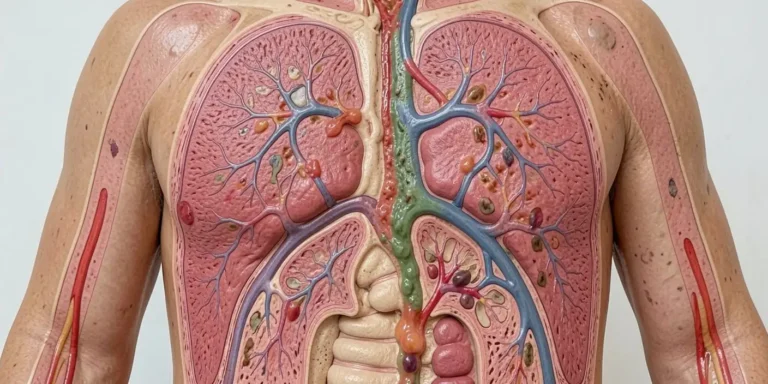
As Dr. Julian Thorne, a physician and clinical psychologist specializing in the gut-brain axis, I frequently meet patients who are exhausted by daily digestive distress. Last month, a patient named David arrived at my clinic convinced he was suffering from irritable bowel syndrome. However, alongside his bloating, he had severe brain fog and newly developed eczema.
The confusion surrounding leaky gut syndrome vs. IBS is incredibly common—and potentially risky for your long-term health. David didn’t just have a functional bowel disorder; his intestinal barrier was severely compromised .
Irritable Bowel Syndrome (IBS) is a recognized medical diagnosis based on specific digestive patterns. Conversely, “leaky gut” (clinically known as increased intestinal permeability) is a physiological state where the gut barrier fails .
In this comprehensive guide, we will unpack the crucial differences, diagnostic tools, and evidence-based treatments for both conditions. For foundational strategies, see our guide on how to improve gut health.
Leaky Gut Syndrome vs. IBS — What’s the Difference?
Understanding the difference between these two conditions is the first step toward true healing. IBS is classified as a functional gastrointestinal disorder. This means the gut looks completely normal under a microscope or during a colonoscopy, but it does not function correctly.
Leaky gut, however, represents a physical, structural breakdown of the intestinal lining. It is not currently classified as a standalone disease in conventional medicine but rather a dangerous biological mechanism that drives systemic inflammation .
Here is a side-by-side comparison to help clarify the clinical distinctions:
| Feature | Leaky Gut (Intestinal Permeability) | Irritable Bowel Syndrome (IBS) |
|---|---|---|
| Definition | Structural breakdown of the intestinal barrier. | Functional disorder of the lower digestive tract. |
| Medical Recognition | A physiological mechanism, not a formal diagnosis. | A formally recognized clinical diagnosis. |
| Main Symptoms | Systemic (brain fog, fatigue, skin issues) + digestive. | Primarily localized (bloating, pain, altered bowels). |
| Testing Methods | Indirect tests (lactulose/mannitol, zonulin markers). | Diagnosed via Rome IV criteria (symptom patterns). |
| Primary Driver | Chronic inflammation and microbiome dysbiosis. | Gut-brain axis miscommunication and hypersensitivity. |
The most important takeaway is that these issues can overlap, but they are not identical. You can have IBS without a leaky gut, and you can have a leaky gut that eventually triggers IBS symptoms .
What Is Leaky Gut?
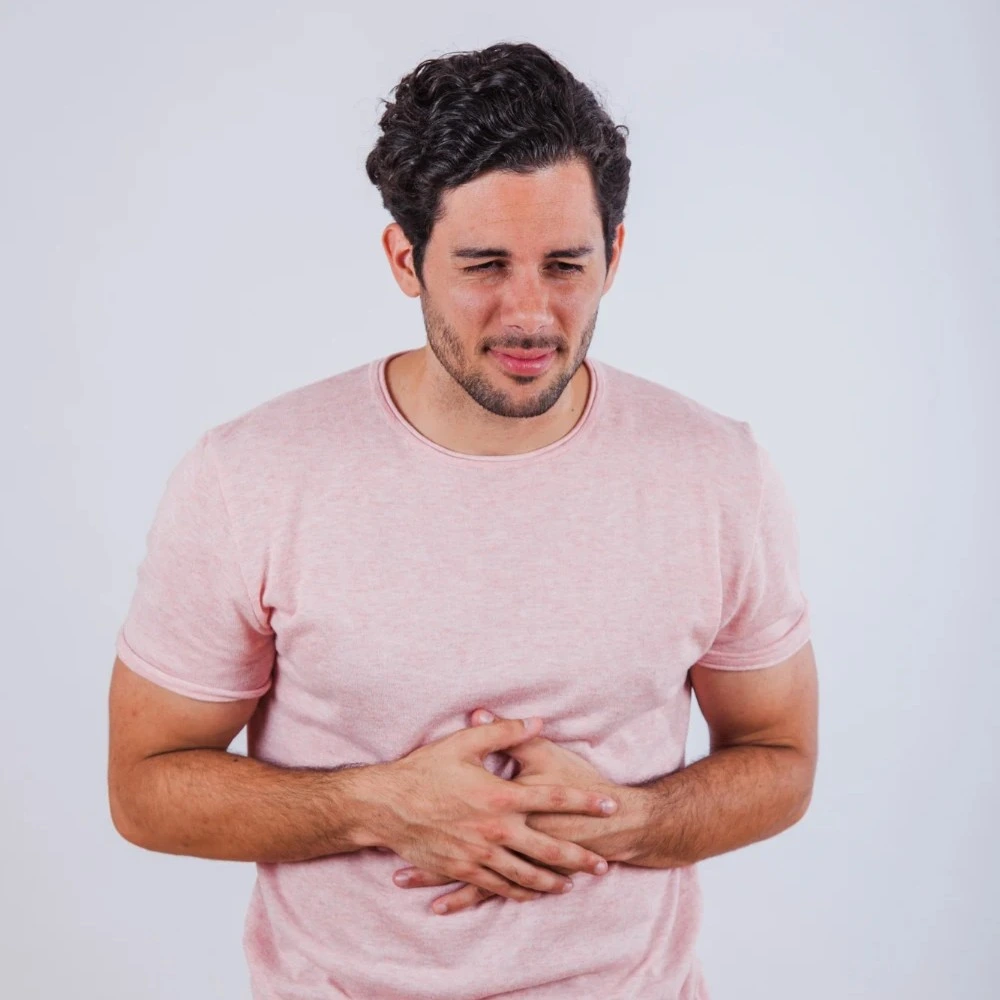
Your intestinal tract is lined with a single layer of specialized cells called enterocytes. These cells are bound together by proteins known as “tight junctions” Think of tight junctions as intelligent security gates. Their job is to allow digested nutrients and water to enter the bloodstream while blocking toxins, undigested food proteins, and harmful bacteria.
When you develop increased intestinal permeability, these tight junctions become inflamed and loosen. The security gates open, allowing foreign particles to “leak” into your bloodstream, triggering a systemic immune response
Root Causes
When exploring what causes leaky gut, we must look at modern lifestyle factors. It is rarely caused by one single event but rather a compounding of daily stressors that degrade the mucosal lining.
- Chronic Inflammation: Ongoing localized inflammation in the digestive tract physically degrades the protective mucus layer .
- Poor Diet: Diets high in ultra-processed foods, refined sugars, and synthetic emulsifiers act like detergents, washing away gut protection.
- Alcohol and Stress: Heavy alcohol use is a cellular toxin. Chronic stress spikes cortisol, which reduces blood flow to the digestive organs .
- Medications: Chronic use of NSAIDs (like ibuprofen) and broad-spectrum antibiotics severely disrupt the gut barrier and microbiome .
Biological Mechanism
The breakdown of tight junctions is heavily influenced by a protein called zonulin. Research shows that specific triggers—particularly gluten and pathogenic gut bacteria—cause the body to overproduce zonulin . When zonulin levels stay chronically elevated, the tight junctions remain stuck in an “open” position. This biological mechanism proves that intestinal permeability is a verified physical reality, not merely an internet wellness trend.
What Is IBS? Symptoms, Diagnosis & Daily Impact
Irritable Bowel Syndrome is a chronic, functional disorder affecting the large intestine. Unlike leaky gut, which involves structural damage, IBS is primarily a communication error between your gut and your brain . The nerves in the gut become hypersensitive, and the muscles that contract to move food through the digestive tract become uncoordinated.
This leads to intense discomfort and unpredictable bowel habits.
Primary IBS Symptoms
For a patient to be diagnosed with IBS, their symptoms must be localized to the digestive system. The most prominent symptoms include severe abdominal pain, excessive gas, and chronic bloating. Patients also experience drastic changes in bowel habits.
This is generally categorized into three types: IBS-D (diarrhea-predominant), IBS-C (constipation-predominant), or IBS-M (mixed, alternating between the two) .
Diagnostic Criteria (Rome IV)
Many patients ask me, how many poops a day is considered IBS? The answer is that IBS is not diagnosed by frequency alone, but rather by the pattern of pain and discomfort. Gastroenterologists use the Rome IV criteria to diagnose IBS.
This requires recurrent abdominal pain occurring at least one day a week for the last three months. Additionally, the pain must be associated with a change in stool frequency or a change in stool appearance .
5 Warning Signs of a Leaky Gut You Shouldn’t Ignore
Because intestinal permeability triggers a systemic immune response, the symptoms often show up far away from the digestive tract. If you are struggling with your health, knowing what are the 5 warning signs of a leaky gut is crucial.
- Persistent Bloating: While similar to IBS, the bloating associated with a compromised barrier is often constant and triggered by almost anything you eat.
- New Food Sensitivities: Suddenly reacting poorly to healthy foods you’ve eaten your whole life is a classic sign of proteins leaking into the blood.
- Brain Fog and Fatigue: Inflammatory cytokines cross the blood-brain barrier, causing profound exhaustion and an inability to concentrate .
- Skin Issues: The gut-skin axis is incredibly sensitive. Unexplained eczema, psoriasis, acne, or rosacea are frequent warning signs.
- Frequent Digestive Upset: Chronic nausea, indigestion, and localized pain that doesn’t fit the specific Rome IV criteria for IBS.
Please note that these leaky gut symptoms can overlap with other serious conditions. Always consult a physician to rule out autoimmune or thyroid disorders.
IBS vs Leaky Gut Symptoms
To help my patients distinguish between the two, I separate symptoms into “local” and “systemic” categories. IBS leaky gut symptoms can blur together, but their primary focus areas are different.
| Symptom Category | Irritable Bowel Syndrome (IBS) | Leaky Gut Syndrome |
|---|---|---|
| Primary Location | Localized (Large intestine/colon). | Systemic (Whole body). |
| Pain Type | Cramping, relieved by bowel movements. | General discomfort, heavy inflammatory feeling. |
| Bowel Habits | Distinct diarrhea or constipation patterns. | Unpredictable, often loose or unformed stools. |
| Neurological Impact | Anxiety related to bathroom access. | Deep brain fog, memory issues, mood swings. |
| Physical Appearance | Visible abdominal distension. | Skin rashes, joint swelling, overall puffiness. |
My patient David had severe brain fog and joint pain alongside his bloating. Because IBS does not typically cause joint pain, it was a clear clinical indicator that his barrier was compromised
How to Test for Leaky Gut at Home
The internet is flooded with advertisements for at-home microbiome and permeability tests. When patients ask how to test for leaky gut at home, I have to provide a necessary reality check. Currently, there is no single, FDA-approved at-home test that definitively diagnoses intestinal permeability.
Many online companies sell stool tests that measure zonulin levels or specific bacterial strains.
While these can provide interesting data, their clinical reliability is highly debated. Elevated zonulin in the stool suggests permeability, but a normal test does not rule it out. Furthermore, these tests cannot diagnose the root cause of your symptoms.
Symptom Tracking Method
The most effective “home test” is a structured elimination diet combined with meticulous symptom tracking. By removing potential triggers for 30 days and monitoring your body’s systemic response, you gather highly accurate, actionable data about your specific intolerances.
How Is Leaky Gut Diagnosed Clinically?
Because it lacks a standard diagnostic code, learning how is leaky gut diagnosed clinically can be confusing. Conventional doctors rarely test for it directly, focusing instead on ruling out diseases like Celiac or Crohn’s. If functional testing is required, the most validated tool is the lactulose/mannitol urine test . You drink a solution containing two differently sized sugar molecules.
Your urine is then collected for six hours. If high levels of the larger sugar (lactulose) are found in the urine, it proves that the intestinal barrier allowed a molecule through that it should have blocked. However, most functional physicians diagnose it based heavily on clinical history and systemic symptom presentation.
Leaky Gut Diet: What to Eat & What to Avoid
Diet is the sharpest tool you have for repairing a compromised barrier and managing IBS. A proper leaky gut diet removes chemical irritants and provides the structural components necessary for cellular repair. For targeted food guidance, see best foods to repair gut lining.
Top 3 Trigger Foods
When patients ask what are the top 3 foods that cause a leaky gut, I point immediately to the modern Western diet. You must eliminate ultra-processed foods. These contain chemical emulsifiers that literally dissolve the protective mucus in your gut . Secondly, you must remove excess refined sugar.
Sugar feeds pathogenic bacteria and yeast (like Candida), leading to severe dysbiosis that forces tight junctions open. Finally, alcohol must be eliminated during the healing phase, as ethanol directly kills intestinal cells .
Healing Foods
To rebuild the tissue, prioritize high-quality, easily digestible proteins like wild-caught fish or organic bone broth. The collagen in bone broth is excellent for repairing the mucosal lining. Incorporate healthy omega-3 fats from avocados and olive oil to lower systemic inflammation .
Once acute bloating is managed, slowly add prebiotic fiber-rich foods (like asparagus) to feed good bacteria, followed by fermented foods (like kefir) to rebuild microbiome diversity. Learn more in our guide to probiotics for leaky gut.
Can You Heal Leaky Gut in 2 Weeks?
Social media influencers frequently sell detox kits claiming you can heal leaky gut in 2 weeks. As a medical professional, I must clarify that this is biologically impossible. Can you drastically reduce your bloating, gas, and brain fog in 14 days by changing your diet? Yes, absolutely. Removing triggers provides rapid symptom relief.
However, full cellular regeneration and the stabilization of your microbiome take much longer. True structural repair requires anywhere from three to six months of consistent dietary and lifestyle intervention .
Can IBS Be Caused by Leaky Gut?
The relationship between these two conditions is deeply intertwined. While they are different, an untreated leaky gut can absolutely trigger or worsen IBS.
When the intestinal barrier breaks down, the resulting inflammation alters the function of the enteric nervous system (the “second brain” in your gut) . This localized inflammation can make the nerves in your colon hypersensitive.
This hypersensitivity is the hallmark of IBS. In fact, many cases of “post-infectious IBS” (IBS that develops after food poisoning) are believed to be caused by lingering intestinal permeability that never properly healed.
How to Heal Leaky Gut Syndrome

Learning how to heal leaky gut syndrome requires a comprehensive, multi-layered strategy. You cannot simply take a probiotic and continue eating fast food. In my clinic, we utilize a four-step framework to repair the gastrointestinal tract and ensure long-term success.
Removing the Triggers
The first step is absolute elimination. We remove inflammatory foods, cut out alcohol, and evaluate the use of unnecessary NSAIDs.
Repairing the Gut Lining
L-glutamine is an essential amino acid that serves as the primary fuel source for enterocytes, helping them rebuild rapidly . Zinc carnosine is excellent for soothing the mucosal lining. Consuming bone broth daily provides collagen and gelatin, which act as the structural “spackle” needed to help seal the tight junctions.
Restoring the Microbiome
A robust barrier relies on a healthy bacterial ecosystem. To restore the microbiome, we introduce specific prebiotic fibers to feed the good bacteria. These bacteria then produce short-chain fatty acids like butyrate, which actively nourish the intestinal wall . We also utilize high-quality, multi-strain probiotics to help crowd out any remaining pathogenic bacteria.
Rebalancing the Lifestyle
The final, crucial step is nervous system regulation. You cannot heal a physical wound while living in a state of constant fight-or-flight. Patients must prioritize 7 to 9 hours of high-quality sleep per night.
We implement daily stress reduction techniques—such as deep diaphragmatic breathing, meditation, or light restorative yoga—to lower cortisol levels, lower systemic inflammation, and restore proper blood flow to the digestive tract. For practical tools, explore how to reduce anxiety immediately.
Frequently Asked Questions
What are the 5 warning signs of a leaky gut?
The five most common clinical warning signs are persistent and chronic bloating, sudden and multiple food sensitivities, severe brain fog or fatigue, unexplained skin issues (like eczema or acne), and systemic joint pain or inflammation.
How many poops a day is considered IBS?
IBS is not defined by a specific number of bowel movements per day. It is diagnosed by a pattern of recurrent abdominal pain associated with changes in stool frequency (either diarrhea or constipation) or changes in stool appearance over several months .
How to test for leaky gut at home?
There is no FDA-approved, definitive at-home test. While online stool tests measure markers like zonulin, the most reliable at-home method is an elimination diet. Removing suspected triggers for 30 days and strictly monitoring your symptom improvement provides the most actionable data .
What causes leaky gut?
It is primarily a lifestyle-driven condition. The main culprits include a diet high in ultra-processed foods and refined sugar, chronic psychological stress, heavy alcohol consumption, overuse of NSAID pain relievers, and underlying gut infections .
How to cure leaky gut at home?
You can support healing at home by removing inflammatory dietary triggers, consuming gut-repairing foods like bone broth and L-glutamine, managing stress to lower cortisol, and slowly reintroducing prebiotic and probiotic foods to restore microbiome balance .
Conclusion
Navigating the confusing overlap between functional bowel disorders and intestinal permeability can feel overwhelming. However, by understanding the distinct differences between Leaky Gut Syndrome and IBS, you empower yourself to seek the correct treatments.
By stepping away from ultra-processed diets, managing your stress, and utilizing evidence-based nutritional strategies, you can rebuild your digestive foundation and reclaim your vitality. For a complete recovery roadmap, explore our guide on how to fix leaky gut.
Authoritative References
- National Institutes of Health (NIH)—Tight junction structure & intestinal barrier function
- National Institutes of Health (NIH)—Intestinal permeability & systemic inflammation
- National Institutes of Health (NIH)—Food antigens, immune response & barrier dysfunction
- Nature Reviews Neurology—Gut-brain axis: inflammation & neurocognitive effects
- Frontiers in Immunology—Molecular mimicry, permeability & autoimmunity
- Nature Reviews Gastroenterology & Hepatology—Emulsifiers, ultra-processed foods & gut barrier disruption
- National Institutes of Health (NIH)—Alcohol-induced intestinal barrier dysfunction
- Gut Journal—Psychological stress, cortisol & intestinal permeability
- National Institutes of Health (NIH)—L-glutamine supplementation & gut barrier repair
- National Institutes of Health (NIH)—Omega-3 fatty acids reduce intestinal inflammation
Related Posts





MORE from Author
Read More As a physician specializing in exercise science and public health, I regularly consult patients who feel completely lost in the…
 Just last week, a 34-year-old patient named Clara sat in my clinic, feeling entirely overwhelmed by the modern fitness industry.…


 Hello, I am Dr. Kenji Sato, MD, specializing in sports medicine and performance optimization. In my sports clinic, I constantly…
- In my clinical practice as a physician focused on exercise science, I often tell patients that mastering fitness bench workouts…