What Is Preventive Dental Care? Coverage, Insurance, Costs & Services Explained
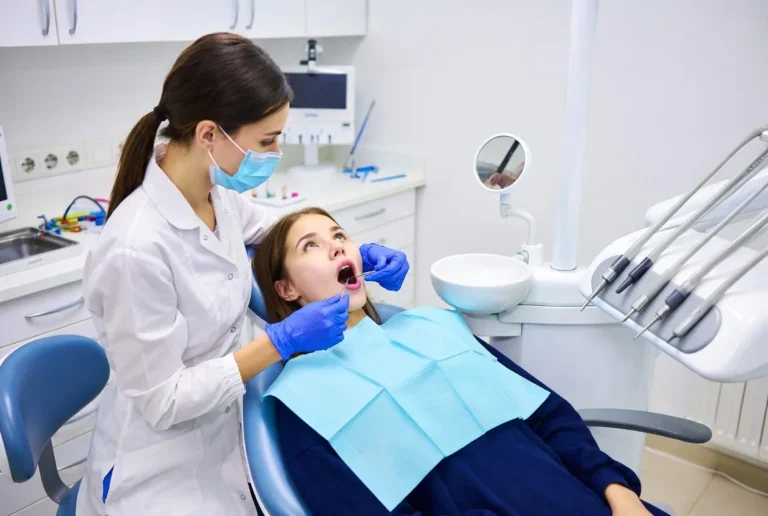
In the world of healthcare, we often wait for pain to tell us something is wrong. In dentistry, however, pain is usually a sign that you’ve waited too long. This is where preventive dental care becomes your most valuable asset. It is the practice of caring for your teeth to keep them healthy, avoiding cavities, gum disease, and enamel wear before they require invasive, expensive interventions.
Whether you are looking into what preventive care is for dental insurance or simply trying to understand what preventative dental care means for your family, this guide provides the clinical and financial clarity you need. By the end of this article, you will understand the specific services included in a preventive plan and how to maximize your insurance benefits to ensure a lifetime of oral health.
What Is Preventive Dental Care?
Preventive dental care includes routine services designed to prevent cavities, gum disease, and oral infections. It typically involves exams, cleanings, X-rays, fluoride treatments, and sealants to maintain oral health and detect problems early.
When patients ask about preventive care in dentistry, they are looking at the “maintenance” side of medicine. Much like changing the oil in a car, dental preventive care ensures the system doesn’t break down. What is the meaning of dental prevention? It is the proactive removal of plaque and tartar (calculus) and the clinical monitoring of the soft tissues to ensure that minor issues don’t become major infections.
What Is Preventive Dentistry & Why Is It Important?
Understanding what preventive dentistry is and why it is important requires looking beyond the teeth. Modern research has firmly established the “Oral-Systemic Link.” Bacteria from untreated gum disease can enter the bloodstream, contributing to heart disease, diabetes, and even respiratory issues.
Who Benefits and Who Provides It?
Everyone with teeth benefits from preventive care, from infants getting their first “well-baby” check to seniors managing gum recession. These services are provided by a team:
- The Dental Hygienist: The specialist who performs the deep cleaning and patient education.
- The Dentist: The doctor who performs the preventive care screening for decay and oral cancer.
The Core Benefits:
- Early Detection: Finding a tiny “watch” spot on an X-ray is the difference between a $50 fluoride treatment and a $1,200 crown.
- Saves Natural Teeth: Prevention is the only way to avoid tooth loss as you age.
- Reduced Costs: By utilizing your “free” insurance cleanings, you avoid the high-tier co-pays of restorative work.
List of Preventive Dental Services
If you are looking at a list of preventive dental services, you will notice they are generally non-invasive. These are the types of preventive dentistry aimed at protection rather than repair.
- Professional Cleanings (Prophylaxis): The removal of dental plaque and tartar to prevent gingivitis.
- Routine Exams: A physical inspection of the teeth and gums by a licensed dentist.
- Bitewing X-rays: Specifically used to detect decay between teeth that the naked eye cannot see.
- Fluoride Treatments: A concentrated mineral application that remineralizes enamel, making it resistant to acid.
- Dental Sealants: Thin plastic coatings applied to the chewing surfaces of back teeth (molars) to “seal out” food and bacteria.
- Oral Cancer Screenings: A vital check of the tongue, throat, and gums for any signs of malignancy.
What Is Considered Preventive Dental Care?
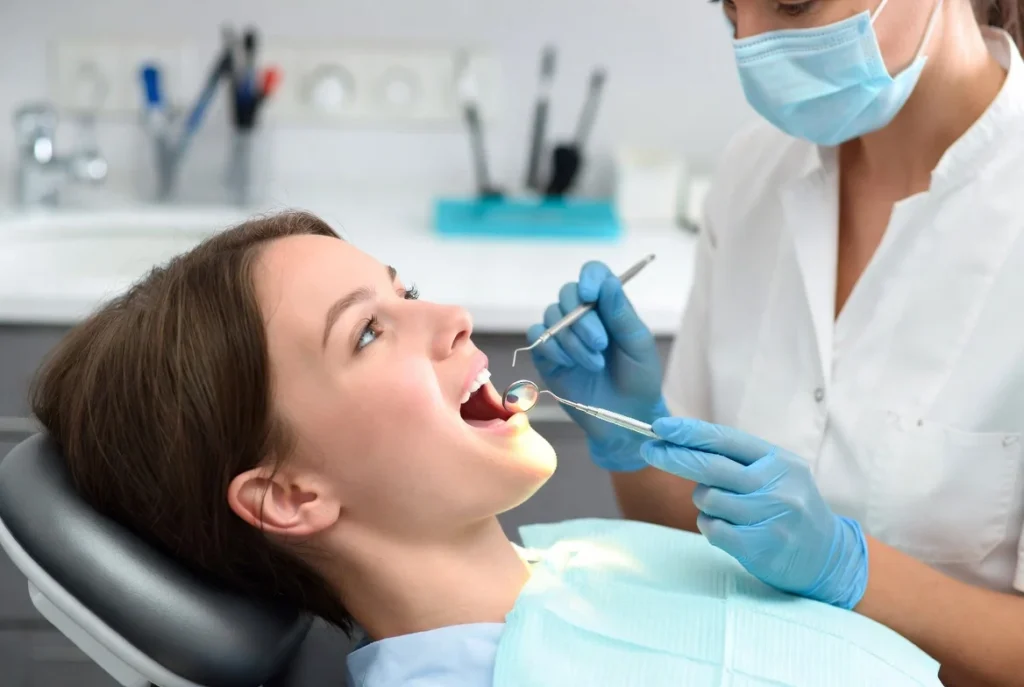
One of the biggest points of confusion for patients is what is considered preventive dental care versus what is considered “basic” or “major.” This distinction is critical for insurance billing.
Preventive Services:
- Annual or bi-annual cleanings.
- Comprehensive and periodic exams.
- Routine X-rays (Bitewings or Full Mouth Series).
- Space maintainers for children.
What Is NOT Preventive Care:
Many patients are surprised to learn that they are receiving preventive care. The answer is no. Once a tooth has a cavity, the treatment is “restorative.” Similarly, is tooth extraction preventive care? No, that is an oral surgery intended to remove a failed or damaged tooth.
What Is Diagnostic and Preventive Dental Care?
In many insurance policies, you will see the phrase what is diagnostic and preventive dental care. While they are billed together, they serve different functions:
- Preventive: The act of cleaning and protecting (The Cleaning).
- Diagnostic: The act of evaluating and identifying (The X-ray and The Exam).
Together, they form the “preventive” tier of your coverage. If you are experiencing pain, your visit may shift from “preventive” to “diagnostic” because the dentist is now investigating a specific symptom rather than performing a routine check.
What Is the Difference Between Preventive and Restorative Dentistry?
To understand what is the difference between preventive and restorative dentistry, think of it as “Protection vs. Repair.”
Comparison Table: Preventive vs. Restorative
| Preventive Care (100% Covered) | Restorative Care (50-80% Covered) |
| Cleanings: Removing plaque. | Fillings: Removing decay and filling the hole. |
| Sealants: Preventing cavities in pits. | Crowns: Covering a broken or heavily decayed tooth. |
| Fluoride: Strengthening the tooth. | Root Canals: Treating an infected nerve. |
| Exams: Checking for new problems. | Bridges/Implants: Replacing missing teeth. |
The goal is to stay on the left side of this table for as long as possible. What is restorative dental treatment? It is any procedure intended to return a damaged tooth to its functional state. It is always more expensive and time-consuming than prevention.
What Is Comprehensive Dental Care?
While “preventive” is a specific category, what is comprehensive dental care refers to a holistic approach to your mouth. It includes preventive, restorative, cosmetic, and specialty care (like orthodontics or periodontics).
Evaluating Local Practices
When choosing a provider, ask: Are you getting comprehensive preventive care at Irondale Dental practices? Or is Burch Dental right for your family’s oral care? A high-quality practice won’t just “clean your teeth”—they will look at your bite alignment, your sleep habits (for grinding/apnea), and your gum health as a unified system. What is basic dental care varies by office, but a comprehensive practice will offer a “Dental Preventive Care Plan” that spans years, not just months.
What Is Preventive Dental Care Insurance?
Navigating the world of coverage can be as complex as the dentistry itself. What is preventive dental care insurance? Most dental plans, especially Preferred Provider Organizations (PPOs), are structured to incentivize prevention. They operate on the “100-80-50” rule:
- 100% Coverage: Routine preventive and diagnostic services.
- 80% Coverage: Basic restorative services (fillings, simple extractions).
- 50% Coverage: Major restorative services (crowns, bridges, root canals).
Is Aetna PPO Dental Insurance Right for Your Family?
When looking at major carriers, Aetna PPO dental insurance is a popular choice because of its extensive network. For 2026, many Aetna PPO plans continue to offer $0 co-pays for in-network preventive care. However, it is essential to check for “waiting periods.” While preventive care is usually available on day one, basic and major services might require you to be a member for 6–12 months.
Typical Frequency Limits
Insurance doesn’t provide unlimited cleanings. Common frequency limits include:
- Prophylaxis (Cleaning): Twice per calendar year (or once every 6 months).
- Bitewing X-rays: Once every 12 months.
- Full Mouth X-rays: Once every 3 to 5 years.
- Fluoride: Usually limited to children under 19, once or twice per year.
What Is Covered Under Preventive Dental Care?
If you are reviewing your summary of benefits, you need to know exactly what is included in preventive dental care. Typically, your “free” annual visits will cover:
- Periodic Oral Evaluation: The dentist’s check-up.
- Adult or Child Cleaning: The removal of plaque and light tartar.
- Bitewing X-rays: 2 to 4 images to check for cavities between teeth.
- Sealants: For children, usually covered on permanent molars.
What is considered preventive care for dental does not typically include “Deep Cleanings” (Scaling and Root Planing). If you have active gum disease, your insurance may classify the treatment as “Basic” or “Periodontal,” meaning you will likely owe a 20% to 50% co-pay.
Preventive Dental Care Cost (With and Without Insurance)
The preventive dental care cost varies significantly based on geography and the specific provider. In 2026, the average costs in the United States without insurance are roughly:
| Service | Estimated Cost (No Insurance) | Cost with PPO Insurance |
| Routine Cleaning | $90 – $160 | $0 |
| Oral Exam | $60 – $120 | $0 |
| Bitewing X-rays | $70 – $150 | $0 |
| Total Per Visit | $220 – $430 | $0 |
Without insurance, a year of preventive care can cost upwards of $800. This is why a dental preventive care plan—whether through an employer or a private membership—is a sound financial investment.
What Is a Dental Preventive Care Plan?
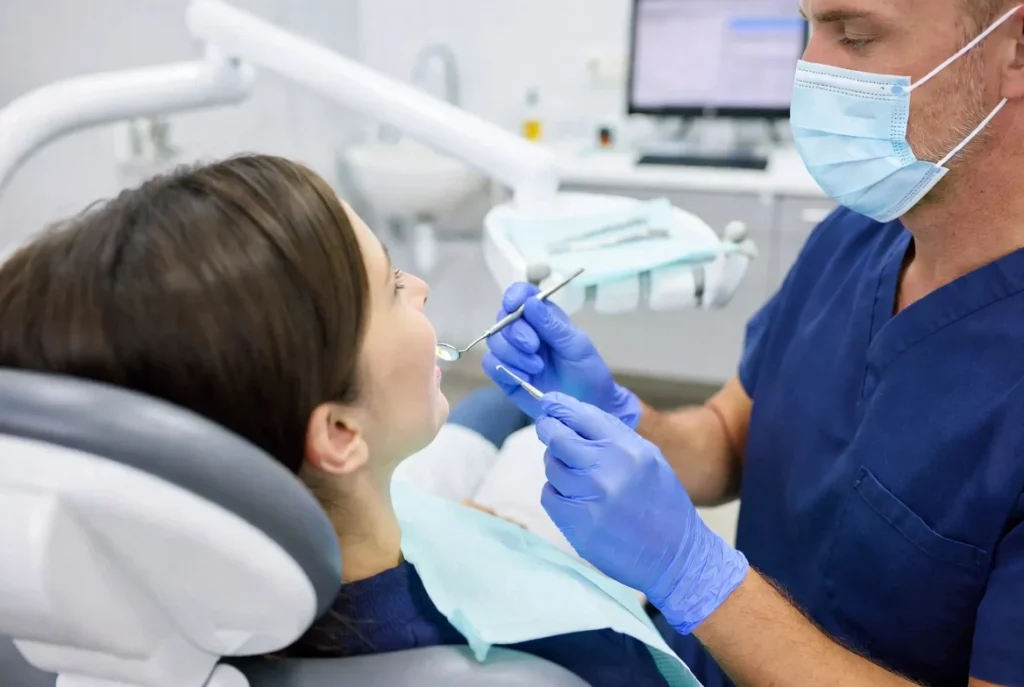
For those without traditional insurance, many modern practices (like those in Irondale) offer in-house dental preventive care plans. For a flat monthly or annual fee, these plans typically provide:
- Two cleanings and exams per year.
- All necessary X-rays.
- A 10%-20% discount on restorative work (fillings, crowns).
These plans are often superior to “discount cards” because they are managed directly by your dentist, removing the “middleman” of the insurance company.
What Factors Influence the Cost of Dog Dental Cleaning Services?
Interestingly, the principles of preventive dental care apply to our pets as well. However, the costs are higher. What factors influence the cost of dog dental cleaning services?
- Anesthesia: Unlike humans, pets must be under general anesthesia for a thorough cleaning. This requires a vet tech, monitoring equipment, and pre-anesthetic blood work.
- Pet Size: Larger dogs require more anesthesia and longer procedure times.
- Severity of Disease: If the vet finds “pockets” or infections, they may need to perform extractions, which can push a $400 cleaning into the $1,500 range.
- Breed Risks: Brachycephalic (flat-faced) breeds like Pugs or Bulldogs require specialized anesthetic monitoring, increasing the cost.
Frequently Asked Questions
What is preventive dental care?
It is a combination of regular dental exams, cleanings, and X-rays aimed at preventing oral health issues like cavities and gum disease.
Are fillings preventive care?
No. Fillings are considered “Restorative” or “Basic” care because they repair damage that has already occurred.
Is tooth extraction preventive care?
No. Extractions are a form of oral surgery used to remove non-restorable teeth; they fall under the “Basic” or “Major” insurance categories.
What is the difference between preventive and restorative dentistry?
Preventive dentistry aims to keep the mouth healthy (protection), while restorative dentistry aims to fix or replace damaged teeth (repair).
What is comprehensive dental care?
It is a full-spectrum approach that includes preventive, restorative, cosmetic, and emergency treatments to ensure the total health of the oral cavity.
conclusion
Understanding what preventive dental care is is the first step toward a life of fewer dental emergencies and lower healthcare costs. As we have explored, the mouth is not an isolated system; it is a clinical mirror reflecting the health of your heart, your blood sugar, and your immune system.
I recently spoke with a patient who, after years of neglect, finally committed to a routine of biannual cleanings and bitewing X-rays. Not only did his gum health improve, but he reported a significant decrease in “brain fog” and fatigue—a common result when chronic oral inflammation is finally brought under control.
The “100-80-50” rule of insurance makes the choice simple: utilize your 100% covered preventive services now to avoid paying the 50% “major” co-pays of the future. Whether you are managing your own dental hygiene, navigating a family PPO plan like Aetna, or even scheduling a cleaning for your pet, the goal is always the same—intercepting problems while they are microscopic.
Ultimately, your smile is a long-term asset. By prioritizing the “Protection” phase over the “Repair” phase, you ensure that your dental journey is defined by quick checkups rather than complex surgeries. Start today by reviewing your coverage and scheduling that baseline exam; your future self will thank you for the foresight.
Clinical References & Data Sources
- American Dental Association (ADA): Preventive Care Guidelines
- Centers for Disease Control (CDC): Oral Health Surveillance
- Aetna Dental: PPO Member Benefits Guide 2026
- Journal of Periodontology: The Oral-Systemic Connection

Related Posts






MORE from Author
Read More Just last week, a patient named Sarah walked into my clinic carrying three different boxes of popular gut biome tests.…
 Recently, a frustrated patient named Mark visited my public health clinic. He handed me an expensive, beautifully packaged at-home stool…


- Have you ever felt constantly exhausted and painfully bloated after normal meals? Recently, a patient named Sarah sat in my…
- For most healthy adults, 7 hours of sleep per night is the minimum recommended amount, but 7–9 hours is ideal.…