Fitness Kegel Guide: Exercises, Benefits & Best Devices for Pelvic Floor Strength
As a urologist specializing in sports medicine, I see patients every day who spend hours at the gym building their biceps and abs but completely ignore the foundational muscles supporting their core.
Integrating a fitness Kegel routine into your life is not just about addressing urinary leaks; it is about building complete structural integrity from the inside out.
Just last month, I treated a marathon runner named Sarah who was considering quitting the sport due to stress incontinence during her long runs. Like many athletes, she assumed leakage was just an unavoidable part of high-impact sports.
We started a targeted pelvic floor protocol, and within eight weeks, she was running completely dry. Her success highlights a crucial point: these muscles are highly responsive to training if you know exactly how to engage them.
TL;DR: The Core of Pelvic Health
Kegel exercises strengthen the pelvic floor muscles, significantly improving bladder control, core stability, and sexual health. These targeted exercises benefit both men and women and can be performed almost anywhere without expensive equipment.
While devices like the Fast Fitness Kegel Pro or Kegel balls may help guide training, proper muscular technique and daily consistency are the true keys to seeing medical and functional benefits.
What Are Kegel Exercises?
Kegel exercises are specific, targeted pelvic floor muscle contractions designed to strengthen the internal hammock of muscles that physically support the bladder, bowel, rectum, and reproductive organs in both men and women.
Originally developed in the 1940s by Dr. Arnold Kegel to help women with postpartum incontinence, these exercises have evolved into a critical component of both medical rehabilitation and general fitness. They are not like traditional exercises where you move a joint under resistance; instead, they are isometric contractions.
You perform a Kegel by consciously squeezing and lifting the internal muscles of your pelvis, holding that tension, and then completely relaxing. Because the movement is entirely internal, no one can tell you are doing them, making them one of the most convenient forms of strength training available.
Why Are Kegel Exercises Important?
The importance of this training extends far beyond simple bladder control. The pelvic floor is the literal foundation of your physical core. When these muscles are weak—due to childbirth, aging, prostate surgery, or chronic heavy lifting—the entire structural system is compromised.
A strong pelvic floor is vital for preventing and treating urinary and fecal incontinence. It provides the necessary closing pressure around the urethra and rectum to prevent accidental leaks when you cough, sneeze, or jump.
Furthermore, these muscles play a massive role in sexual function. For men, a strong pelvic floor supports erectile rigidity and ejaculatory control. For women, it increases vaginal tone and can significantly enhance sensation and sexual satisfaction. It is a critical component of holistic physical health.
Pelvic Floor Muscles Explained (Simple Anatomy)
To train a muscle effectively, you must understand where it is and what it does. The pelvic floor is a complex sling or hammock of muscles stretching from the pubic bone in the front to the tailbone in the back, and side-to-side between the sitting bones.
These muscles act as a support shelf for your internal organs. They hold the bladder and bowel in their correct anatomical positions. When this “shelf” sags, organs can shift downward, leading to a condition known as pelvic organ prolapse.
Beyond organ support, the pelvic floor is the bottom layer of your core cylinder. It works directly in tandem with your diaphragm (the breathing muscle) and your deep transverse abdominal muscles to stabilize your spine during heavy lifting or athletic movements.
How to Identify & Strengthen Kegel Muscles
The single biggest hurdle patients face in my clinic is simply finding the correct muscles. It is incredibly common to accidentally flex the glutes (buttocks), the inner thighs, or the abdominal muscles instead of the actual pelvic floor.
The most reliable way to identify these muscles is the “stop-urine” test. The next time you are emptying your bladder, try to stop the flow of urine mid-stream. The internal muscles you squeeze to stop the flow are your pelvic floor muscles.
Crucial Warning: Do not use the stop-urine test as your regular exercise routine. Repeatedly stopping your urine flow can train your bladder to retain urine, increasing the risk of urinary tract infections. Use this technique only once or twice, strictly to locate the correct muscles.
Once you have identified the sensation of lifting and squeezing those specific internal muscles, you are ready to begin strengthening them through a dedicated routine outside of the bathroom.
How to Do Kegel Exercises Correctly (Step-by-Step)
Proper technique is absolutely essential. A poorly executed Kegel is not just ineffective; it can actually worsen pelvic tension and pain.
- Find a Comfortable Position: As a beginner, it is easiest to learn the technique lying flat on your back with your knees bent and feet flat on the floor. This eliminates gravity from the equation.
- Breathe Normally: Never hold your breath. Breathe naturally, relaxing your shoulders and abdomen.
- The Contraction: Squeeze the pelvic floor muscles inward and upward. Imagine you are trying to stop passing gas and stop the flow of urine simultaneously. The sensation should be a distinct “lift” inside the pelvis.
- The Hold: Hold this internal contraction firmly for 3 to 5 seconds. Do not squeeze your thighs or glutes.
- The Release: This is the most critical step. Fully relax the muscles for a full 3 to 5 seconds. The muscle must fully lengthen and rest before the next repetition to build strength effectively without causing spasms.
Kegel Workout Routine (Beginner to Advanced)
Just like lifting weights, pelvic floor training requires progressive overload to force the muscles to adapt and grow stronger.
Beginner Phase (Weeks 1-3): Focus entirely on form and coordination. Perform 10 repetitions, holding each squeeze for 3 seconds, followed by a 3-second rest. Do this routine twice a day (e.g., morning and night) while lying down.
Intermediate Phase (Weeks 4-8): Increase the endurance demand. Perform 15 repetitions, extending the hold time to 5-8 seconds, with an equal rest period. Begin practicing this routine while sitting upright at your desk or standing in line, adding the challenge of gravity.
Advanced Phase (Weeks 8+): Once you have mastered long holds, introduce “quick flicks” to train the fast-twitch muscle fibers required to prevent leaks during a sudden sneeze or cough. Perform 10 long holds (10 seconds each), immediately followed by 10 rapid, intense, one-second contractions.
Demonstrating Kegel Exercises
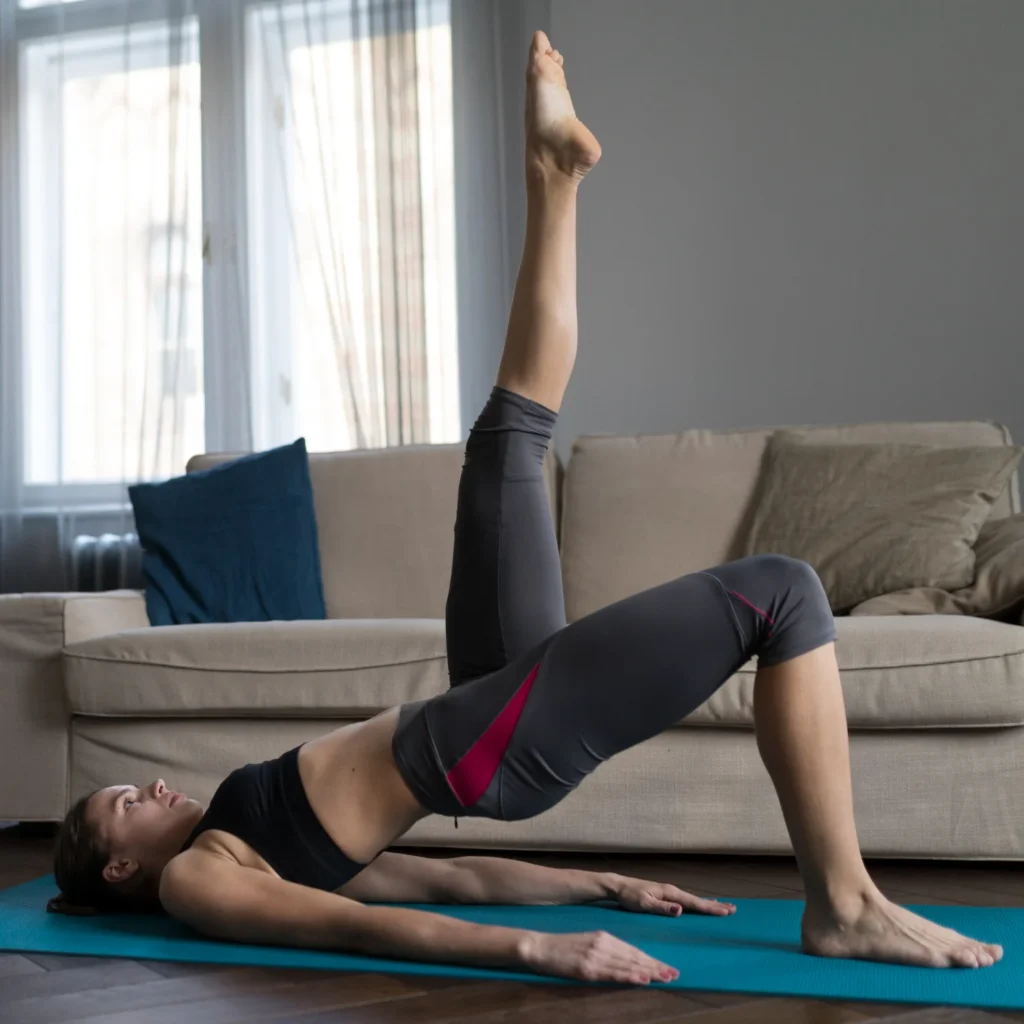
Because the movement is hidden, visualizing the anatomy is incredibly helpful. In physical therapy, we often use biofeedback screens to show patients their muscle activity in real-time.
When practicing at home, close your eyes and visualize the hammock of muscles pulling upward toward your belly button during the squeeze, and then completely melting downward like a stretched rubber band returning to its resting state during the release phase.
Kegel Exercises for Men
Historically, pelvic floor therapy was almost exclusively marketed toward women. However, in my urology practice, I prescribe Kegel exercises for men daily. The male pelvic floor is just as complex and prone to dysfunction as the female counterpart.
The benefits for men are profound. Strengthening these muscles significantly improves urinary control, particularly for men recovering from prostate surgery (prostatectomy), where temporary incontinence is highly common.
Furthermore, these exercises support overall prostate health by increasing localized blood flow. From a sexual health perspective, a strong male pelvic floor can directly enhance erectile rigidity, improve ejaculatory control, and delay premature ejaculation.
7 Kegel Exercises for Men (Routine)
To build a comprehensive male pelvic floor routine, you need to challenge the muscles in different ways. Here is a 7-step progression I often recommend to my male patients:
- The Classic Squeeze: Lying down, contract the pelvic floor for 5 seconds, relax for 5 seconds. Repeat 10 times.
- The Quick Flick: Rapidly contract and release the muscles as fast as possible for 10 seconds. This builds fast-twitch fibers for sudden sneezes.
- The Elevator: Imagine your pelvic floor is an elevator. Squeeze it up to the “first floor,” pause, then to the “second floor,” pause, and slowly release back down.
- The Glute Bridge Kegel: Lie on your back, knees bent. Lift your hips into a bridge while simultaneously performing a 5-second Kegel hold. Lower and release.
- The Seated Hold: While sitting upright in a chair, perform a 10-second hold. Gravity makes this significantly harder than lying down.
- The Walking Kegel: Try to maintain a mild (30%) pelvic floor contraction while walking across the room to train dynamic core stability.
- The Post-Urination Squeeze: After finishing urination (not during), perform one strong squeeze to clear the urethra and prevent after-dribble.
Kegel Exercises for Women
For women, the pelvic floor faces unique physical challenges, most notably pregnancy, childbirth, and menopause. Kegel exercises for women are the gold standard for restoring functional strength after these life events.
Postpartum recovery is a primary benefit. The weight of pregnancy and the trauma of vaginal delivery severely stretch the pelvic hammock. Targeted exercises help these tissues regain their elasticity and structural integrity.
Additionally, consistent Kegels significantly reduce the risk of stress urinary incontinence (leaking when laughing or jumping) and provide essential support to prevent pelvic organ prolapse as estrogen levels naturally drop during menopause.
Kegel Exercise Pictures (Men & Women)
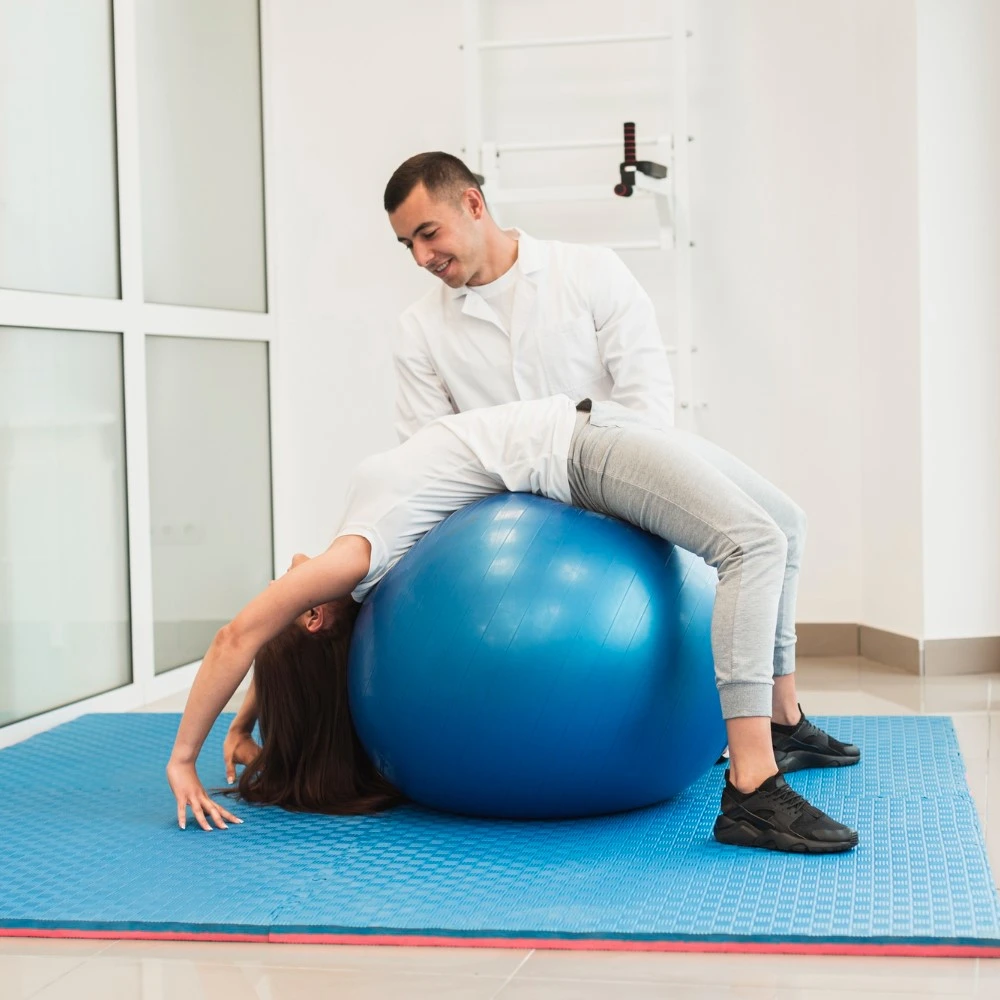
Visualizing the internal anatomy is half the battle when learning to isolate these muscles. When looking at anatomical diagrams, you want to focus on the “sling” of muscle wrapping from the pubic bone to the tailbone.
For men, the focus is on the bulbocavernosus muscle at the base of the penis. For women, the focus is on the pubococcygeus (PC) muscle surrounding the vagina and urethra. Visualizing these specific points helps prevent the common mistake of clenching the buttocks instead.
Kegel Exercises Benefits for Constipation
While most people associate pelvic floor health with the bladder, the posterior pelvic floor directly controls the bowel. One of the lesser-known Kegel exercises benefits for constipation is improved rectal coordination.
Chronic constipation is often linked to a condition called pelvic floor dyssynergia, where the muscles paradoxically tighten instead of relaxing during a bowel movement.
Practicing the relaxation phase of a Kegel (the “drop” or “lengthening” phase) teaches the nervous system how to consciously release the puborectalis muscle, making bowel movements significantly easier and less painful.
Kegel Exercise System & Devices
While your body is the only tool you truly need, technology has introduced various devices designed to accelerate pelvic floor training. A Kegel exercise system typically involves internal resistance or biofeedback mechanisms.
Biofeedback trainers use internal sensors to measure the electrical activity of your pelvic muscles. They connect to a smartphone app, providing a visual graph of your contraction strength, which gamifies the workout and ensures you are doing it correctly.
Other systems use gentle electrical stimulation (E-stim) to passively contract the muscles for patients whose pelvic floors are too weak to initiate a voluntary squeeze.
Fast Fitness Kegel Pro: Review & Overview
One of the more popular commercial devices patients ask me about is the Fast Fitness Kegel Pro. This device is marketed as a high-tech solution to automate and guide pelvic floor strengthening.
These smart trainers generally use a combination of vibration guidance and app-based tracking. The device prompts you when to squeeze and when to relax, essentially acting as a digital personal trainer for your pelvic floor.
From a clinical perspective, devices like this may support muscle growth by improving patient compliance. People are simply more likely to do their exercises if an app reminds them and tracks their progress.
Fast Fitness Kegel Pro Reviews (Pros & Cons)
When analyzing patient feedback and Fast Fitness Kegel Pro reviews, a clear pattern of pros and cons emerges regarding its daily use.
Pros: The primary advantage is user-friendly guided training. The real-time feedback helps users quickly realize if they are squeezing the wrong muscles. It also takes the guesswork out of how long to hold and rest.
Cons: The drawbacks are primarily cost and limited peer-reviewed medical evidence comparing it to traditional, unassisted Kegels. Furthermore, for patients with hypertonic (overly tight) pelvic floors, using a strengthening device without physical therapy guidance can worsen their pain.
Are Kegel Devices Worth It?
Are these smart devices strictly necessary? No. As a physician, I can assure you that a dedicated, equipment-free routine is highly effective.
However, Kegel devices are incredibly helpful for beginners who have poor mind-muscle connection and struggle to find their pelvic floor. If a device motivates you to stick to a daily routine, the investment is absolutely worth it for your long-term health.
How to Use Kegel Fitness Balls
Kegel balls (often called Ben Wa balls or Geisha balls) are weighted spheres used to provide physical resistance for the female pelvic floor. Knowing how to use Kegel fitness balls correctly prevents muscle fatigue.
Start with the lightest weight. Insert the balls properly into the vagina, much like a tampon. Simply standing up forces your pelvic floor to subconsciously contract to keep gravity from pulling the weights out.
Use short sessions. Start with just 10 to 15 minutes a day while walking around the house. Leaving them in for hours will cause the muscles to fatigue, spasm, and ultimately weaken.
Planet Fitness & Kegel Exercises (Clarification)
I occasionally get patients asking if they need a gym membership or specific machines for these workouts, sometimes searching for terms like Planet Fitness Kegel exercises.
To clarify, pelvic floor training is entirely independent of commercial gyms. There is no specific machine at Planet Fitness designed for internal Kegel contractions.
The beauty of this workout is its invisibility. You can do your reps while stuck in traffic, sitting at your office desk, or watching television, making it the ultimate accessible fitness routine.
Common Mistakes When Doing Kegels
The most frequent mistake I correct in the clinic is patients using the wrong muscles entirely. Clenching your jaw, holding your breath, or violently squeezing your glutes does nothing for your pelvic floor.
Overtraining is another massive issue. The pelvic floor is a small muscle group. Doing hundreds of rapid Kegels a day will lead to muscle exhaustion and actually worsen urinary leakage.
Finally, failing to fully relax between reps is a critical error. A muscle that never fully releases becomes short, tight, and dysfunctional. The 5-second rest is just as important as the 5-second squeeze.
Who Should Avoid or Modify Kegel Exercises
Kegels are not a universal cure-all. If you suffer from pelvic pain conditions like endometriosis, interstitial cystitis, or chronic pelvic pain syndrome (CPPS), your pelvic floor is likely already too tight (hypertonic).
For these individuals, doing traditional strengthening Kegels is like doing bicep curls with a severe cramp—it will only cause more agony. They require “reverse Kegels” and pelvic relaxation therapy instead.
Additionally, patients who have just undergone prostate, bladder, or gynecological surgery must clear Kegel exercises with their surgeon first to ensure they do not disrupt delicate internal sutures.
When to See a Doctor
While at-home training is excellent, you must know when to escalate your care to a medical professional.
If you have been doing Kegels consistently for two months with zero improvement in your incontinence, it is time to see a urologist. You may require a different intervention or medication.
Furthermore, if performing a Kegel causes sharp internal pain, burning, or worsens your symptoms, stop immediately. Persistent pelvic pain warrants a comprehensive evaluation by a board-certified specialist.
Frequently Asked Questions
How many Kegel exercises should I perform each day?
For most people, a routine of 10 to 15 repetitions, done 2 to 3 times per day, is the ideal clinical starting point. It is essential to focus on quality over quantity; ensuring each contraction is held for 3–5 seconds with a full relaxation period in between is more effective than doing hundreds of rapid, low-quality reps.
How long does it typically take to see results from Kegel training?
Consistency is the most important factor in seeing progress. Most individuals begin to notice a measurable improvement in bladder control or core stability within 4 to 6 weeks of daily practice.
Significant muscle hypertrophy and structural support usually take about 3 to 4 months of progressive training to fully manifest.
Are Kegel exercises effective for men as well as women?
Absolutely. While often associated with women’s health, men have the same pelvic floor muscles that support the bladder and bowel. For men, these exercises are vital for post-prostate surgery recovery, improving urinary control, and enhancing overall sexual function and erectile rigidity.
What are the signs that I am doing a Kegel exercise incorrectly?
If you feel yourself holding your breath, your stomach tensing, or your buttock muscles clenching, you are likely using the wrong muscle groups. A properly executed Kegel should feel like an internal “lift” and “squeeze” without any visible movement in your legs, abdomen, or face.
Is it necessary to use weighted balls or electronic devices for Kegels?
No, equipment is not a medical requirement for a stronger pelvic floor. While smart devices and weighted balls can provide helpful biofeedback or resistance for some, you can achieve full pelvic floor rehabilitation using only your own body. Devices are best used as motivational tools or for those who struggle to locate the muscles initially.
Conclusion: Strengthening the Foundation of Your Fitness
The journey to a stronger, more resilient body doesn’t end with the muscles you can see in the mirror. As we have explored throughout this fitness Kegel guide, the pelvic floor is the literal and metaphorical foundation of your core stability, urinary health, and sexual vitality.
In my years practicing urology and sports medicine, I have observed that the most successful patients are those who view pelvic health as a standard part of their fitness hygiene.
Like Sarah, the marathon runner I mentioned earlier, most people find that just a few minutes of daily, focused work can prevent years of discomfort and medical intervention.
I often tell my patients that the best time to start pelvic floor training was ten years ago, but the second-best time is today. Whether you choose to use high-tech devices like the Fast Fitness Kegel Pro or prefer a simple, equipment-free routine, the most important factor is your commitment to daily consistency.
If you find yourself struggling with persistent symptoms or are unsure if you are engaging the right muscles, do not hesitate to seek professional guidance.
A board-certified urologist or a specialized pelvic floor physical therapist can provide the diagnostic clarity and hands-on training needed to ensure your foundation remains strong for decades to come.
Authoritative References:
Related Posts


MORE from Author
Read More As a physician specializing in exercise science and public health, I regularly consult patients who feel completely lost in the…
 Just last week, a 34-year-old patient named Clara sat in my clinic, feeling entirely overwhelmed by the modern fitness industry.…
 Hello, I am Dr. Kenji Sato, MD, specializing in sports medicine and performance optimization. In my sports clinic, I constantly…
- In my clinical practice as a physician focused on exercise science, I often tell patients that mastering fitness bench workouts…