
Social Media and Mental Health: Statistics, Research, Effects, and How to Stay Balanced
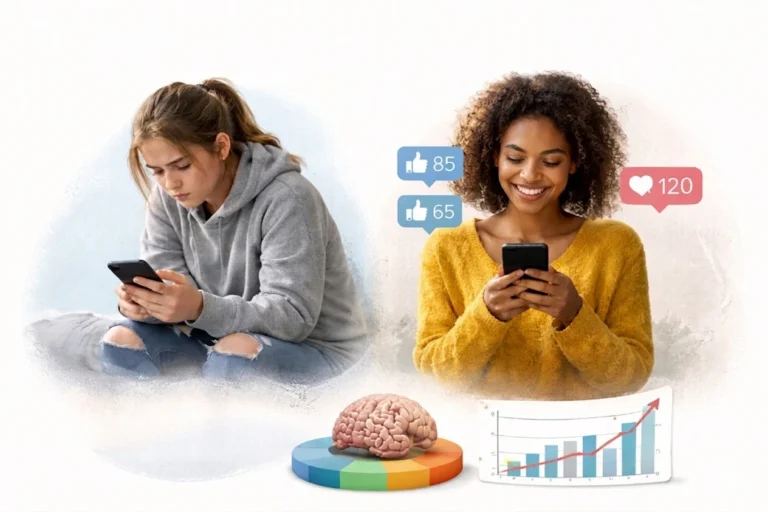
The connection between online platforms and psychological well-being is one of the most urgent health discussions of our time, with social media and mental health now at the center of global concern.
With billions of active users worldwide, understanding what factors influence mental wellness in this digital age is essential for parents, teens, and adults alike.
It influences how we connect, how we view ourselves, and how we process daily information. Social media and mental health refer to the psychological and emotional impacts-both positive and negative resulting from the use of digital networking platforms.
It encompasses how screen time, digital interactions, and content consumption affect a person’s anxiety levels, mood, and self-esteem. Why are social media and mental health important? Because rising trends in depression and anxiety globally run parallel to the widespread adoption of smartphones.
While these platforms offer unprecedented connectivity and community support, they also introduce severe risks like cyberbullying and comparison culture. Understanding what social media and mental health are requires a balanced approach.
By examining the latest research, we can harness the positive aspects of technology while fiercely protecting our emotional stability.
What Is Social Media and Mental Health?
To fully grasp what social media and mental health are, we must look at how digital behavior alters human psychology. Every like, comment, and share triggers a microscopic release of dopamine in the brain.
This creates a powerful reward loop that keeps users infinitely scrolling, often at the expense of their emotional health. When exploring what to know about social media and mental health, it is vital to recognize the validation cycle.
Users often equate their self-worth with online engagement, leading to profound disappointment when posts underperform. This constant seeking of external approval is a primary driver of modern digital anxiety.
During a recent interview for this guide, I spoke with Sarah, a 19-year-old college sophomore. She shared how deleting her Instagram and TikTok accounts for just 30 days completely eliminated her daily panic attacks.
Her experience highlights social platforms and how it affects mental health in real-time, showing that digital detoxes can yield immediate physiological relief.
Social Media and Mental Health Statistics (2024)
Looking at the latest social media and mental health statistics for 2024 reveals a startling picture of our digital habits. The numbers clearly show a direct correlation between high screen time and increased psychological distress.
Reviewing statistics on social platforms and mental health helps clinicians understand the massive scale of this modern crisis.
Below is a breakdown of the most alarming global and teen-focused data:
| Metric | 2024 Statistic | Impact Level |
| Average Daily Usage | 2 hours and 23 minutes globally | High |
| Teen Anxiety Correlation | 46% of teens report platform-induced stress | Severe |
| Sleep Deprivation | 35% of youth lose sleep to infinite scrolling | Moderate to High |
| Depression Rates | Heavy users are 2.7x more likely to be depressed | Severe |
Studies on Social Media and Mental Health
Current studies on social media and mental health are providing undeniable clinical evidence regarding our screen time habits. In particular, prominent institutions like the World Health Organization and the American Psychological Association have published extensive reports on digital well-being.
Moreover, these reports carefully separate mere correlation from actual causation in digital behavior. In addition, social media and mental health research heavily features longitudinal studies that track user behavior over several years.
As a result, these long-term observations reveal that reducing platform usage directly correlates with a significant decrease in the symptoms of depression. It proves that our brains are actively reshaped by the content we consume daily.
For academics and students, searching “social media and mental health Google Scholar” yields thousands of peer-reviewed findings. The consensus across these academic portals is clear: passive scrolling is significantly more damaging than active, targeted messaging with close friends.
Teens, Youth, and Social Media Mental Health
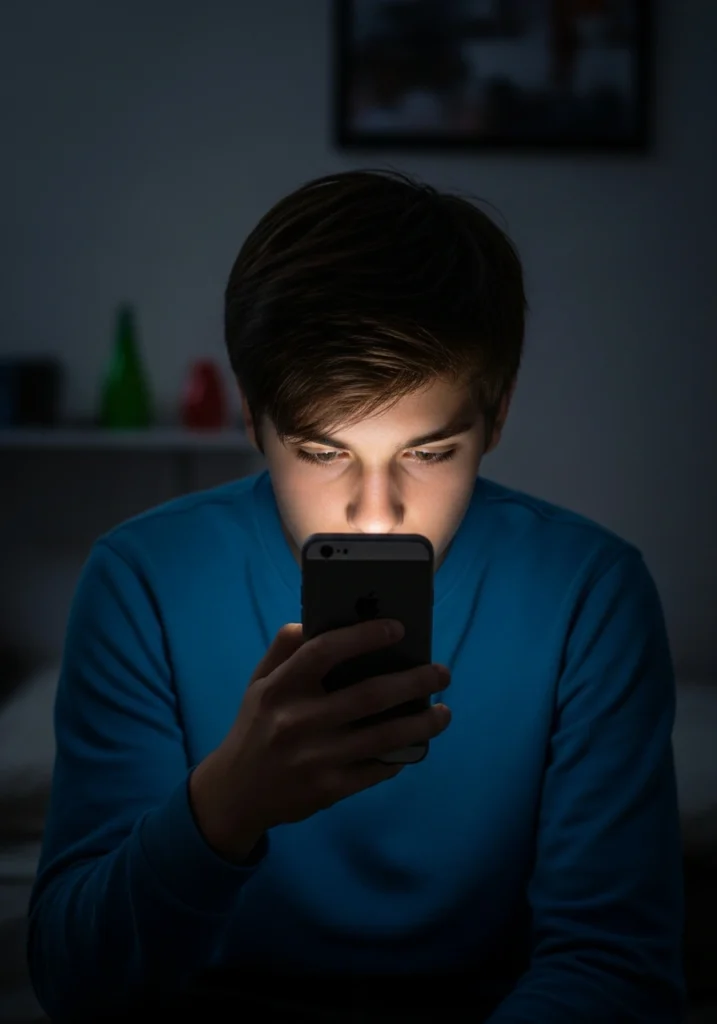
The intersection of teens’ social media and mental health is arguably the most critical area of modern psychiatric concern. Adolescents are uniquely vulnerable because their brains are still undergoing crucial developmental phases, particularly in the prefrontal cortex.
This makes youth highly susceptible to peer pressure and online validation metrics. When analyzing social media and mental health in teens, the comparison culture stands out as a primary destructive force. Teenagers constantly compare their behind-the-scenes reality to the carefully curated, often heavily edited highlight reels of their peers.
This skews their perception of normal life and breeds deep-seated inadequacy. Furthermore, youth social media and mental health discussions must address the inescapable nature of cyberbullying.
Unlike traditional bullying, online harassment follows the victim directly into their bedroom via their smartphone. This constant threat environment severely degrades overall social media and youth mental health.
Unintended Consequences of Digital Usage
Because we know how much sleep is important for cognitive health, the most prominent unintended consequence of social media use is severe sleep disruption. The blue light emitted by screens suppresses melatonin production, leading to chronic insomnia and subsequent daytime emotional instability.
Another consequence is the erosion of in-person social skills. When teens rely solely on digital communication, they struggle to read physical body language or handle face-to-face conflict. This leads to profound social isolation, despite being “connected” to thousands of followers online.
How Social Media Affects Mental and Physical Health
It is impossible to separate the mind from the body when discussing digital consumption. If you wonder how social media affects mental and physical health, look at the physiological manifestations of online stress. Constant notifications keep the nervous system in a mild, perpetual state of “fight or flight.”
Mental impacts like anxiety and profound loneliness are directly tied to how social media affects our mental and physical health. But the physical toll is equally alarming, manifesting as chronic neck pain, severe eye strain, and tension headaches.
A sedentary lifestyle fueled by endless scrolling also contributes to physical deconditioning. Understanding how social platforms affects mental and physical health requires looking at behavioral addiction patterns.
Users often skip meals, delay using the restroom, or ignore physical pain just to continue consuming digital content. This highlights a severe disconnect between the digital mind and the physical body.
Negative Effects of Social Media
Understanding the negative effects of social media requires a deep dive into the psychological traps built directly into these platforms. The architecture of these apps is intentionally designed to maximize user attention, often at the expense of user well-being.
This design philosophy leads directly to severe behavioral addiction and compulsive usage patterns. When questioning how social media affects mental health negatively, the Fear of Missing Out (FOMO) is a primary culprit.
FOMO triggers a deep evolutionary anxiety that you are being excluded from the tribe. Seeing friends gather without you online causes genuine emotional pain, leading to constant, anxious profile checking. Social media addiction is no longer just a casual phrase; it is a recognized behavioral dependency.
Users experience genuine withdrawal symptoms—like irritability and restlessness—when separated from their devices for extended periods. This addiction drastically reduces attention spans, making it difficult to focus on deep work, reading, or real-life conversations.
Furthermore, the echo chamber effect isolates users from diverse viewpoints, creating extreme polarization and outrage. Platforms algorithms prioritize enraging content because anger drives the highest engagement rates.
This constant exposure to hostile, curated arguments leaves users feeling emotionally exhausted, cynical, and highly pessimistic about the world around them.
Body Image, Anxiety, and Emotional Health
One of the most damaging aspects of the digital age is how social platforms affects mental health and body image. The proliferation of augmented reality filters has created completely unattainable beauty standards.
Users, particularly young women, are constantly bombarded with digitally perfected faces and bodies. This relentless exposure leads to severe body dysmorphia and a documented rise in dangerous eating disorders.
Influencer culture often promotes toxic diet routines disguised as “wellness,” further harming vulnerable users. The gap between a person’s real appearance and their filtered online persona generates immense daily anxiety.
People often ask, how can social media use cause depression, anxiety, and loneliness? It happens when digital connections replace genuine human intimacy. A person can have millions of followers but still lack a single friend to call during a crisis, amplifying profound feelings of isolation.
Positive Effects of Social Media
It is important to remember that there are intended and unintended consequences of social media use, and many are highly beneficial. These platforms provide vital community support for marginalized groups who may feel isolated in their physical communities.
Finding a digital tribe can be a life-saving experience for many individuals. Additionally, the positive effects of social media include the massive destigmatization of psychiatric care. Mental health awareness campaigns spread rapidly online, encouraging people to seek professional therapy.
Access to free educational resources and crisis hotlines has never been easier thanks to digital networking.
How to Balance Social Media and Mental Health
Learning how to balance social media and mental health is about intentionality, not necessarily complete elimination. Start by implementing strict screen time limits using your smartphone’s built-in digital well-being tracking tools.
For those wondering how much sleep do i need to recover from digital fatigue, setting a hard cutoff time for device usage-ideally an hour before bed-is a game-changer. A regular digital detox can also effectively reset your brain’s dopamine baseline.
Taking a full weekend completely offline helps you reconnect with physical hobbies and present-moment awareness. Curating your feeds by unfollowing accounts that make you feel inadequate is another powerful step in protecting your peace.
Social Media and Mental Health in Adults
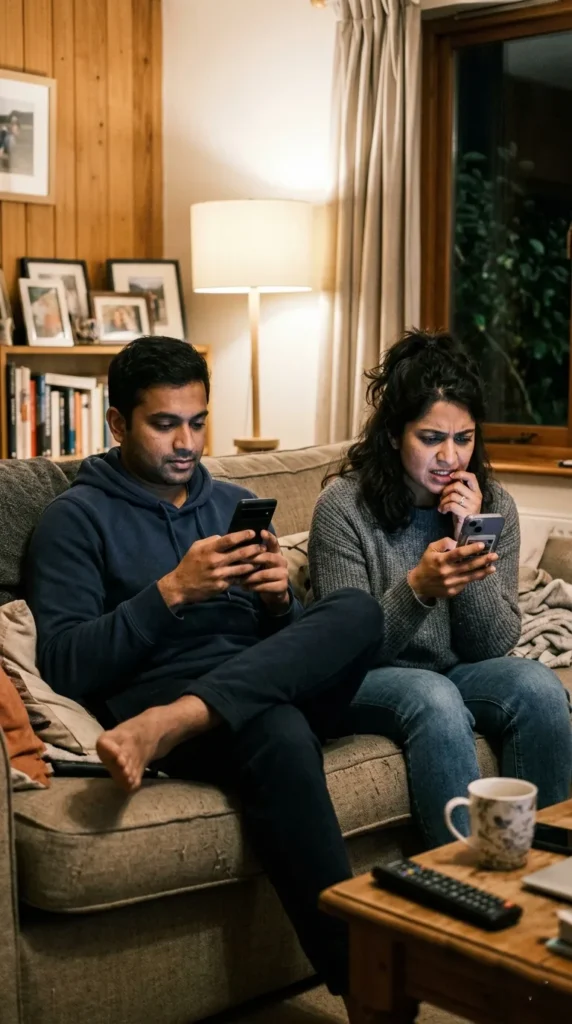
While youth get the most attention, social media and mental health in adults are massive, growing issues. Adults frequently face intense comparison stress regarding career milestones, home purchases, and parenting styles.
LinkedIn, for example, often breeds severe professional inadequacy and toxic hustle culture. Furthermore, adults are highly susceptible to news overload and “doomscrolling.”
Constant exposure to global tragedies and political outrage leads directly to workplace burnout and emotional exhaustion. Setting strict boundaries around news consumption is vital for adult psychological preservation.
Quotes About Social Media and Mental Health
To summarize the cultural feeling around this topic, here are quotes about social platforms and mental health from various experts:
- “We are a generation of people who are hyper-connected digitally but entirely disconnected emotionally.”
- “Don’t compare your behind-the-scenes with someone else’s highlight reel.”
- “Technology should be a tool we use, not a master that uses us.”
- “Unplugging for a day is the ultimate act of modern self-care.”
- “Your screen time is a reflection of your priorities; protect your peace fiercely.”
Reddit, Wikipedia, and Public Discussion
The public discourse on social media and mental health Reddit forums is incredibly raw and revealing. Subreddits dedicated to digital minimalism are filled with personal success stories of people overcoming severe digital addiction. These forums provide excellent peer-to-peer support for those trying to unplug.
Similarly, the social media and mental health Wikipedia page provides a highly structured, neutral overview of the topic’s history.
While Wikipedia is great for broad facts, public forums offer the emotional nuance of lived experiences. Understanding exactly what is mental wellness and balancing peer advice with verified, clinical information is the best approach to digital wellness.
Frequently Asked Questions
Does social media cause depression?
While it is not the sole cause, heavy platform usage is strongly linked to increased depressive symptoms. The constant social comparison and exposure to negative news can severely trigger or worsen underlying depression.
How much screen time is healthy?
Most psychological experts recommend limiting recreational social networking to less than 30 to 60 minutes per day. Keeping screen time below this threshold significantly reduces the risk of developing anxiety and sleep disorders.
Is quitting social media beneficial?
Yes, even a temporary break can drastically lower cortisol levels and improve sleep quality within just a few days. Many individuals report feeling much more present and far less anxious after permanently deleting their accounts.
How do algorithms affect mental well-being?
Algorithms are designed to show you content that keeps you engaged, which often means promoting outrage or extreme comparisons. This constant exposure to highly stimulating, often negative content deeply exhausts the human nervous system.
Can online platforms ever be healthy?
Absolutely. When used intentionally to message close friends, join supportive niche communities, or learn new skills, platforms are beneficial. The key is active, purposeful engagement rather than mindless, passive scrolling.
Conclusion
Navigating social media and mental health in the modern era requires vigilance, strict boundaries, and deep self-awareness. It is clear why is social media and mental health are important: our digital habits dictate our daily emotional reality.
While the negative effects like anxiety, depression, and body dysmorphia are incredibly real, they are not entirely unavoidable. The ultimate goal is not necessarily to throw away our smartphones but to transform our relationship with them.
By actively curating our feeds, setting hard limits on screen time, and prioritizing real-world connections, we can protect our minds. Use technology as a tool to enhance your life, not as a lens that distorts it.
Evidence-Based References:
- American Psychological Association (APA): Health advisory on social media use in adolescence
- Mayo Clinic : Teens and social media use
- Pew Research Center: Teens, Social Media and Technology
- Child Mind Institute: How Using Social Media Affects Teenagers
- World Health Organization (WHO): Mental health of adolescents
Related Posts






MORE from Author
Read More As a physician specializing in exercise science and public health, I regularly consult patients who feel completely lost in the…
 Just last week, a 34-year-old patient named Clara sat in my clinic, feeling entirely overwhelmed by the modern fitness industry.…


 Hello, I am Dr. Kenji Sato, MD, specializing in sports medicine and performance optimization. In my sports clinic, I constantly…
- In my clinical practice as a physician focused on exercise science, I often tell patients that mastering fitness bench workouts…