
Can Stress Cause High Blood Pressure? Causes, Symptoms, and How to Lower It
In today’s fast-paced world, the modern stress epidemic is taking a severe toll on our cardiovascular health. Many people find themselves sitting in a doctor’s office, staring at an unexpectedly high reading, and wondering: can stress cause high blood pressure?
During my time researching cardiovascular health, I interviewed Sarah, a 42-year-old teacher who experienced this firsthand. She had always maintained perfect blood pressure, but during a particularly grueling school semester, she started experiencing headaches and fatigue.
“I was shocked when my doctor told me my blood pressure was 150/95,” she shared. “I didn’t realize how much my daily anxiety was physically altering my body.” Her experience perfectly highlights the undeniable link between mental wellness and cardiovascular function.
If you are questioning whether anxiety can cause high blood pressure or how stress affects blood pressure over time, you are not alone. Understanding the clinical relationship between your mind and your heart is the first step toward reclaiming your health.
Does Stress Really Raise Blood Pressure?
The short answer is yes, but the medical reality is slightly more complex. When patients ask if stress can cause high blood pressure, doctors distinguish between temporary physiological reactions and chronic disease states.
A sudden, stressful event—like slamming on your brakes in traffic or having a heated argument—will absolutely cause a rapid, temporary spike in your blood pressure. This is a normal, evolutionary survival mechanism designed to keep you safe in dangerous situations.
However, the question of whether stress can raise your bp permanently is different. While stress itself might not directly cause long-term hypertension in the way that genetics or kidney disease might, the constant state of “Fight-or-flight” creates a cascade of physical and behavioral changes.
Over time, these secondary factors heavily contribute to sustained, dangerous blood pressure levels.
How Stress Affects Blood Pressure
To truly understand how stress can cause high blood pressure, we must look at the body’s sympathetic nervous system. When your brain perceives a threat—whether it is a physical danger or an impending work deadline—it activates your body’s alarm system.
This activation causes an immediate, intense physical reaction. Your brain bypasses rational thought and sends an urgent distress signal to your adrenal glands.
If you want to know how stress affects blood pressure, it all comes down to the sudden release of powerful stress hormones and the subsequent narrowing of your blood vessels.
Role of Stress Hormones
The biological mechanics of a stress-induced blood pressure spike are driven primarily by two major hormones: adrenaline and cortisol. When you encounter a stressful situation, your adrenal glands immediately pump adrenaline into your bloodstream.
Adrenaline is designed to give you a sudden burst of energy and strength. It does this by forcing your heart to beat significantly faster and harder, which instantly increases the amount of blood pushing against your arterial walls.
This increased cardiac output is a primary driver of temporary high blood pressure. Simultaneously, your body releases cortisol, widely known as the primary stress hormone. While adrenaline acts quickly, cortisol has a longer-lasting effect on the body.
Cortisol alters your metabolism, suppresses your digestive system, and temporarily reduces kidney function to keep fluids in the body. This sudden fluid retention increases your overall blood volume. More blood volume pumping through your vascular system naturally results in higher blood pressure readings.
Furthermore, these hormones trigger a process called vasoconstriction. Vasoconstriction is the sudden narrowing of your blood vessels. Imagine turning on a garden hose to full blast, and then placing your thumb over half the opening.
The pressure of the water shooting out becomes much more intense. This is exactly what happens inside your circulatory system during a stress response.
Your heart is pumping harder due to adrenaline, and your blood vessels are narrower due to the fight-or-flight response, creating a perfect storm for elevated blood pressure.
Temporary vs Chronic High Blood Pressure From Stress
Understanding the difference between acute and chronic stress is vital when answering if stress can cause temporary high blood pressure. Acute stress is short-lived. Once the stressful event passes—the presentation is over, or the traffic clears—your parasympathetic nervous system kicks in.
This “rest and digest” system clears the stress hormones from your blood, and your blood pressure returns to its normal baseline. Chronic stress, however, is a persistent, unending feeling of pressure. This could stem from ongoing financial ruin, a toxic marriage, or chronic illness.
When you are chronically stressed, your body remains trapped in a mild, continuous state of fight-or-flight. If you are wondering if chronic stress causes high blood pressure, the danger lies in how this constant hormonal bath damages your blood vessels over months and years, making them less elastic.
Additionally, chronic stress frequently leads to maladaptive coping mechanisms. People under severe, constant pressure are far more likely to eat highly processed foods, consume excessive alcohol, smoke cigarettes, and skip physical exercise.
It is often these stress-induced behavioral changes, rather than the stress itself, that ultimately cement a long-term hypertension diagnosis.
Duration of Stress-Induced Blood Pressure Spikes
Patients frequently ask how long blood pressure stays raised after stress. For a healthy individual experiencing an isolated acute stressor, the blood pressure spike is usually brief.
Your reading will typically normalize within 30 minutes to a few hours after the threat has completely passed and you have calmed down.
However, can stress cause high blood pressure for days? Yes, if the stressor is ongoing or if you are stuck in a cycle of severe anxiety and rumination. If your mind continues to replay a stressful event, your brain continues to signal the release of cortisol.
It is not uncommon for individuals going through acute grief or sudden job loss to see their baseline blood pressure elevated for several days or even weeks until their nervous system finally resets.
Can Anxiety Cause High Blood Pressure?
Many patients use the terms “stress” and “anxiety” interchangeably, but they are clinically distinct. Stress is usually a response to a recognized external threat, while anxiety is a persistent, internal feeling of apprehension. So, can anxiety cause high blood pressure? Absolutely.
When you suffer from generalized anxiety or panic disorders, your brain is essentially misfiring. It sends constant, unnecessary distress signals to your adrenal glands. If you are wondering if stress and anxiety can cause high blood pressure together, the combination is particularly potent.
A sudden panic attack can cause your systolic blood pressure to shoot up dramatically in a matter of seconds. While this severe spike is temporary, untreated chronic anxiety keeps your baseline cardiovascular system under immense, unnecessary strain over the long term.
Symptoms of Stress-Related High Blood Pressure
High blood pressure is notoriously called the “silent killer” because it rarely presents with obvious signs. However, sudden, stress-induced spikes can occasionally produce physical warning signals. Patients often ask, “Can stress cause high blood pressure symptoms?”
During an acute stress event, you might experience severe headaches, a pounding sensation in your chest, or shortness of breath. Another common query is whether stress can cause high blood pressure and dizziness.
Yes, the sudden narrowing of blood vessels and rapid heart rate can temporarily disrupt optimal blood flow to the brain, causing lightheadedness. If you experience these symptoms frequently, it is crucial to seek a medical evaluation immediately.
Can Stress Affect Blood Pressure Readings?
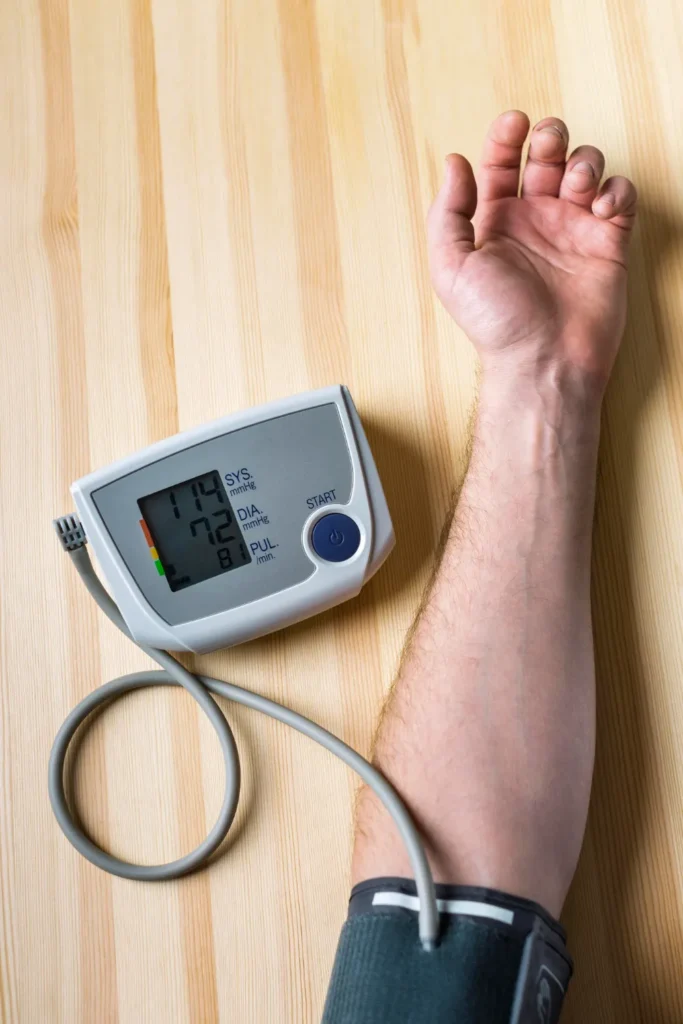
If you have ever felt nervous sitting in a doctor’s waiting room, you have experienced how emotions impact medical tests. Can stress cause high blood pressure readings? Yes, temporary nervousness is one of the leading causes of inaccurate blood pressure measurements in clinical settings.
Your heart rate naturally accelerates when you are worried about a potential diagnosis or simply uncomfortable in a clinical environment. This creates a false high reading that does not accurately reflect your daily, resting cardiovascular health.
White Coat Hypertension and Stress
This phenomenon is clinically documented as “white coat hypertension.” It occurs when a patient’s blood pressure is consistently high in a medical office but perfectly normal at home. During my discussions with Dr. Aris, a seasoned cardiologist, he noted that nearly 20% of his new patients experience this.
“I always recommend my anxious patients purchase a reliable home monitor,” he advised. Taking your readings in a familiar, relaxed environment provides a much more accurate baseline for diagnosis.
Special Cases
Stress and High Blood Pressure in Pregnancy
Pregnancy is a beautiful but physically demanding journey that places natural stress on the cardiovascular system. Can stress cause high blood pressure in pregnancy? Yes, severe emotional distress can exacerbate gestational hypertension.
Chronic worry during pregnancy can restrict essential blood flow to the placenta, potentially affecting fetal development. Managing emotional health is highly critical to preventing complications like preeclampsia, which is why obstetricians heavily monitor maternal stress levels.
Stress and High Blood Pressure in Young Adults
Historically, hypertension was viewed strictly as a condition affecting older adults. Today, we are seeing a dramatic shift. Can stress cause high blood pressure in young adults? Unfortunately, the answer is a resounding yes.
The modern pressures of severe student debt, competitive job markets, and constant digital burnout are creating a generation of chronically stressed young professionals. Doctors are now routinely diagnosing stress-induced hypertension in patients in their late twenties and early thirties.
Can Stress Cause Other Health Problems?
The damage caused by prolonged emotional distress extends far beyond your arterial walls. Can stress cause high cholesterol? Yes, chronic stress triggers the liver to produce more “bad” LDL cholesterol while simultaneously lowering “good” HDL cholesterol.
Furthermore, can stress cause high blood sugar? When cortisol floods your system, it prompts your liver to release extra glucose for immediate energy. Over time, this constant glucose release can lead to insulin resistance and type 2 diabetes.
Most alarmingly, patients frequently ask, “Can stress cause a heart attack?” While stress alone is rarely the sole trigger, acute emotional trauma can cause a sudden plaque rupture or coronary artery spasm, potentially leading to a cardiac event.
What Causes High Blood Pressure (Beyond Stress)
While managing your mental health is vital, it is important to recognize the physical factors that contribute to hypertension. What causes high blood pressure outside of emotional distress? Genetics play a massive, unavoidable role in your cardiovascular baseline.
Additionally, advancing age naturally causes blood vessels to stiffen and lose their healthy elasticity. Underlying medical conditions, such as chronic kidney disease, thyroid disorders, and sleep apnea, are also major physiological drivers of sustained, dangerous blood pressure levels.
How to Lower High Blood Pressure From Stress
If your hypertension is emotionally driven, traditional medications alone will not fully solve the problem. Learning how to lower high blood pressure from stress requires a dedicated, daily commitment to nervous system regulation.
You must actively train your body to exit the fight-or-flight state and remain in a calm, resting baseline. Here are the most effective clinical strategies to reverse stress-induced cardiovascular strain.
Evidence-Based Stress Reduction Methods
Breathing Exercises: Deep, diaphragmatic breathing is the fastest way to physically lower your blood pressure. When you slow your breathing to six breaths per minute, you stimulate the vagus nerve.
This directly instructs your heart to slow down and your blood vessels to dilate, providing rapid relief from acute tension.
Physical Activity: Regular cardiovascular exercise is essentially the best natural medication for your heart. It acts as a pressure release valve, burning off excess adrenaline and cortisol. Aim for 30 minutes of moderate activity, like brisk walking or swimming, five days a week to strengthen your heart muscle.
Sleep Optimization: Chronic sleep deprivation keeps your sympathetic nervous system continuously activated. Optimizing your sleep is non-negotiable for cardiovascular health.
Establish a strict, screen-free evening routine to lower cortisol levels naturally, aiming for 7-9 hours of uninterrupted, restorative sleep nightly.
Lifestyle Changes
How do you get rid of stress-induced hypertension permanently? You must audit your daily habits. Limit your caffeine intake, as excessive coffee directly spikes adrenaline and artificial anxiety.
Additionally, focus on setting firm boundaries at work and in your personal relationships. Saying “no” to unreasonable demands is a powerful, highly effective cardiovascular protective measure.
Diet and Blood Pressure
What you eat heavily influences how your body handles emotional pressure. What is the number one food that causes high blood pressure? The answer is heavily processed, high-sodium foods like canned soups, deli meats, and fast food.
Excess sodium forces your body to retain massive amounts of water, putting intense pressure on your blood vessels. To combat this, adopt the DASH (Dietary Approaches to Stop Hypertension) diet.
Focus on potassium-rich foods like bananas, spinach, and sweet potatoes, which naturally help your kidneys flush out excess sodium.
How Much Can Stress Raise Blood Pressure?
Patients are often shocked by the sheer power of their own nervous system. So, how much can stress raise blood pressure? During a severe panic attack, it is entirely possible for your systolic pressure (the top number) to spike by 30 to 40 points.
Your diastolic pressure (the bottom number) can easily jump by 10 to 20 points. While these terrifying numbers usually drop once the panic subsides, they illustrate exactly why chronic, unmanaged tension is so dangerous to your arterial walls.
When to See a Doctor
While minor fluctuations are normal, you should never ignore sustained high readings. Stop worrying about blood pressure independently and consult a professional if your home monitor consistently reads above 130/80 mmHg.
If you experience chest pain, severe shortness of breath, sudden vision changes, or difficulty speaking, seek emergency medical care immediately. These are severe warning signs that require immediate, life-saving clinical intervention.
Frequently Asked Questions
Can stress cause high blood pressure?
Yes, acute stress triggers a surge of hormones like adrenaline and cortisol, causing a rapid, temporary spike in blood pressure. Chronic stress contributes to long-term hypertension through sustained hormonal imbalance and unhealthy coping habits.
How long does stress raise blood pressure?
For minor stressors, blood pressure usually returns to normal within 30 minutes to a few hours. However, severe emotional trauma or chronic anxiety can keep your readings artificially elevated for several days or weeks.
Can anxiety cause hypertension?
While anxiety causes severe, temporary spikes in blood pressure (often during panic attacks), it does not directly cause chronic hypertension. However, the constant physical strain can damage blood vessels over time.
How do you lower stress-related BP?
The most effective methods include deep diaphragmatic breathing, regular cardiovascular exercise, adequate sleep, and reducing your daily intake of sodium and caffeine.
Can stress cause a heart attack?
Extreme, sudden emotional stress can trigger a condition known as stress cardiomyopathy (broken heart syndrome) or cause a vulnerable arterial plaque to rupture, potentially leading to a cardiac event.
Conclusion
Understanding the profound impact of daily tension on your cardiovascular system is the first critical step toward lasting wellness. While brief moments of anxiety are a natural part of life, chronic emotional exhaustion physically alters your blood vessels and heart over time.
Reclaiming your health requires a proactive, dedicated approach to both your mental and physical well-being. By integrating simple, evidence-based habits like deep breathing, consistent sleep routines, and daily exercise, you can successfully lower your resting cardiovascular baseline.
Never ignore persistently elevated readings or dismiss severe physical symptoms as mere nervousness. Always work closely with a licensed healthcare provider to create a comprehensive, personalized treatment plan that protects both your mind and your heart.
Evidence-Based References:
Related Posts






MORE from Author
Read More As a physician specializing in exercise science and public health, I regularly consult patients who feel completely lost in the…
 Just last week, a 34-year-old patient named Clara sat in my clinic, feeling entirely overwhelmed by the modern fitness industry.…


 Hello, I am Dr. Kenji Sato, MD, specializing in sports medicine and performance optimization. In my sports clinic, I constantly…
- In my clinical practice as a physician focused on exercise science, I often tell patients that mastering fitness bench workouts…